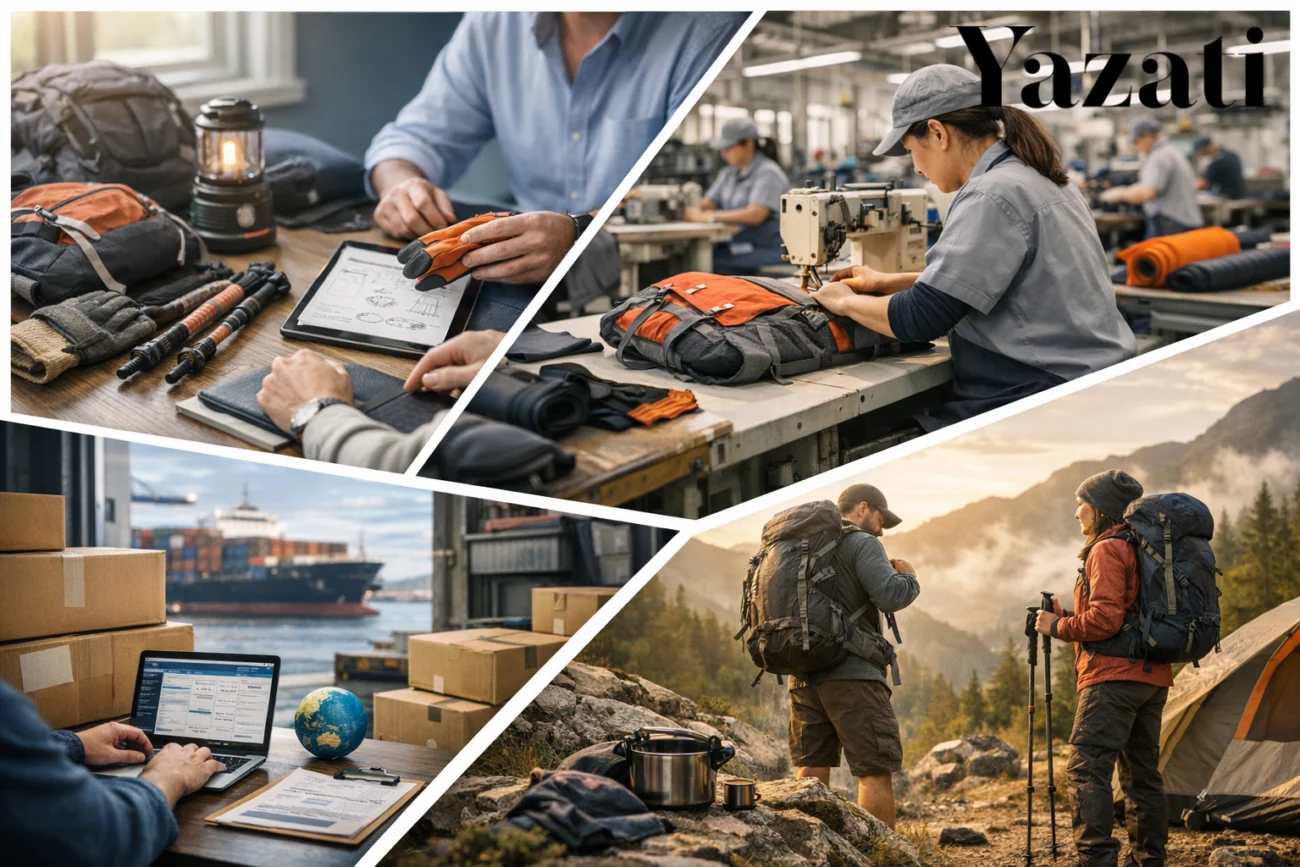
Introduction to Seasonal Planning for Outdoor Sports Gear Imports
Outdoor sports equipment is heavily influenced by seasons. Products such as camping gear, skiing equipment, hiking tools, cycling accessories, and water sports equipment sell differently depending on weather patterns and travel trends. Because of this, businesses involved in importing outdoor sports gear must adopt effective Seasonal Planning for Outdoor Sports Gear Imports to avoid stock shortages, overstocking, and missed sales opportunities.
Seasonal planning is the strategic process of forecasting demand, aligning import schedules, managing logistics, and maintaining optimal inventory levels throughout the year. When done correctly, it helps businesses maximize sales during peak seasons while minimizing losses during slower periods.
Importers must consider several factors such as global manufacturing timelines, shipping lead times, customs clearance, seasonal demand fluctuations, and changing consumer preferences. Without careful planning, retailers may receive products too late for peak demand or carry excess inventory when the season ends.
For example, winter sports gear like skis and snowboards must reach stores months before winter begins. Similarly, summer camping equipment needs to arrive before peak vacation season. Importers who understand seasonal cycles can plan orders earlier and secure better pricing from suppliers.
This guide explores the key strategies, benefits, challenges, and best practices involved in Seasonal Planning for Outdoor Sports Gear Imports, helping businesses create a reliable and profitable supply chain.
Why Seasonal Demand Matters in Outdoor Sports Gear
Seasonality plays a critical role in the outdoor sports market. Demand fluctuates based on climate conditions, holidays, tourism trends, and consumer lifestyle patterns.
For instance:
- Winter season: Ski equipment, snowboards, thermal gear, snow boots
- Summer season: Camping tents, hiking backpacks, bicycles, water sports gear
- Spring season: Cycling accessories, outdoor fitness equipment
- Autumn season: Hunting gear, trekking equipment
Retailers rely on importers to deliver products before peak demand begins. If shipments arrive late, stores may miss the most profitable selling period.
Seasonal demand also affects pricing strategies. Products may sell at full price during peak seasons but often require discounts during off-season months. Proper seasonal planning allows businesses to sell more items at regular pricing.
Understanding Market Trends Before Importing
One of the first steps in seasonal planning is analyzing market trends. Importers must track:
- Consumer buying behavior
- Outdoor recreation trends
- Tourism patterns
- Climate predictions
- Sports popularity
For example, the rise in adventure tourism has increased demand for hiking gear, camping equipment, and mountain biking accessories. Similarly, social media trends often influence outdoor activities, creating sudden spikes in demand.
Businesses that analyze these trends early can prepare their import schedules and product selection accordingly.
Market research methods include:
- Sales data analysis
- Customer surveys
- Retailer feedback
- Industry reports
- Seasonal demand forecasting tools
By identifying demand patterns early, importers can avoid understocking or overstocking products.
Forecasting Demand for Outdoor Sports Equipment
Demand forecasting is one of the most important components of Seasonal Planning for Outdoor Sports Gear Imports. Accurate forecasting helps businesses determine how much inventory they should import before each season.
Key Forecasting Methods
1. Historical Sales Data
Analyzing previous sales helps predict future demand. Importers often compare sales from the same season in previous years.
2. Retailer Pre-Orders
Many retailers place advance orders before peak seasons. These orders provide valuable insights into expected demand.
3. Market Trend Analysis
Emerging outdoor sports trends can significantly impact product demand.
4. Weather Forecasting
Climate predictions can affect seasonal sales. For example, colder winters may increase demand for snow sports equipment.
Creating a Seasonal Import Calendar
A seasonal import calendar helps businesses plan procurement, shipping, and distribution timelines.
Example Seasonal Import Timeline
| Season | Products | Import Planning Period | Arrival Target |
|---|---|---|---|
| Winter | Ski gear, snowboards | May–July | September |
| Spring | Cycling gear | November–January | March |
| Summer | Camping equipment | January–March | May |
| Autumn | Trekking gear | June–August | October |
This schedule ensures products arrive before the start of the selling season.
Importers must account for:
- Manufacturing lead time
- Shipping duration
- Port delays
- Customs clearance
- Warehouse processing
Planning shipments early reduces the risk of late deliveries.
Supplier Coordination and Production Scheduling
Successful seasonal planning requires strong communication with suppliers. Manufacturers often produce goods months before shipment.
Importers should confirm production schedules well in advance and maintain regular updates with suppliers.
Important Supplier Coordination Steps
- Confirm production capacity
- Finalize product specifications early
- Monitor manufacturing progress
- Schedule quality inspections
- Plan shipping dates
Delays in production can disrupt the entire seasonal sales cycle. Therefore, building strong supplier relationships is essential.
Some businesses even work with multiple suppliers to reduce risk and ensure consistent product availability.
Inventory Management for Seasonal Products
Managing seasonal inventory requires careful balance. Too much inventory can lead to storage costs and discount sales, while too little inventory results in missed revenue opportunities.
Effective Inventory Management Strategies
1. Safety Stock Planning
Maintaining a small reserve inventory helps manage unexpected demand.
2. Just-in-Time Imports
Some businesses stagger shipments to reduce storage costs.
3. Inventory Tracking Systems
Modern inventory software helps monitor stock levels and automate reorders.
4. Warehouse Optimization
Proper warehouse organization improves order fulfillment speed.
By aligning inventory management with Seasonal Planning for Outdoor Sports Gear Imports, businesses can maintain optimal stock levels throughout the year.
Managing Shipping and Logistics Timing
Shipping logistics are another critical factor in seasonal planning.
Importers must consider transportation methods such as:
- Ocean freight
- Air freight
- Rail shipping
- Road transportation
Ocean freight is the most common option due to its cost efficiency, but it also has longer transit times. Air freight is faster but more expensive.
Common Logistics Challenges
- Port congestion
- Weather disruptions
- Container shortages
- Customs delays
To avoid seasonal disruptions, many businesses ship goods earlier than necessary to create a safety buffer.
Handling Customs and Import Regulations
Outdoor sports gear imports often involve various regulations depending on the country.
Some products may require:
- Safety certifications
- Material compliance testing
- Labeling requirements
- Import permits
Failure to comply with regulations can lead to shipment delays or product recalls.
Importers must work closely with customs brokers and regulatory agencies to ensure smooth clearance processes.
Preparing documentation in advance significantly reduces clearance time.
Pricing Strategies for Seasonal Outdoor Gear
Pricing plays a crucial role in seasonal sales performance.
During peak seasons, outdoor sports equipment can often be sold at full price due to strong demand. However, as the season ends, businesses may need to adjust pricing to clear remaining inventory.
Seasonal Pricing Approaches
- Early-season premium pricing
- Mid-season promotions
- End-of-season clearance sales
- Bundle offers
Some retailers also introduce pre-season discounts to encourage early purchases.
Effective pricing strategies help maximize profit margins while reducing leftover inventory.
Risk Management in Seasonal Import Planning
Seasonal imports carry several risks. Businesses must prepare contingency plans to avoid major disruptions.
Common Risks
- Supply chain disruptions
- Currency fluctuations
- Shipping delays
- Sudden demand shifts
Risk Mitigation Strategies
- Diversify suppliers
- Use flexible shipping schedules
- Monitor global trade conditions
- Maintain emergency inventory reserves
Businesses that proactively manage risks can maintain stable operations even during unpredictable market conditions.
Technology and Data in Seasonal Planning
Technology has transformed how companies handle Seasonal Planning for Outdoor Sports Gear Imports.
Modern businesses rely on advanced tools such as:
- Demand forecasting software
- Inventory management platforms
- Supply chain analytics
- AI-powered trend analysis
These tools analyze large datasets and help businesses make more accurate import decisions.
For example, predictive analytics can identify future demand spikes based on historical patterns and market indicators.
Technology reduces human error and improves planning accuracy.
Sustainability Considerations in Outdoor Gear Imports
Consumers are increasingly concerned about environmental sustainability. Outdoor sports enthusiasts often prefer eco-friendly products.
Importers can incorporate sustainability into their planning by:
- Choosing environmentally responsible manufacturers
- Reducing packaging waste
- Using sustainable materials
- Optimizing shipping routes to reduce emissions
Businesses that prioritize sustainability not only protect the environment but also strengthen their brand reputation.
Case Study: Successful Seasonal Import Strategy
Consider a company importing camping equipment.
The company analyzes past sales data and identifies that demand peaks from May to August. To prepare for the summer season, they begin production orders in January and schedule shipments in March.
Products arrive in warehouses by April, giving retailers enough time to stock shelves before summer travel season begins.
Because of accurate forecasting and early shipments, the company sells most inventory at full price and avoids large clearance discounts.
This example highlights how effective seasonal planning improves profitability and supply chain efficiency.
Frequently Asked Questions (FAQs)
1. What is Seasonal Planning for Outdoor Sports Gear Imports?
Seasonal Planning for Outdoor Sports Gear Imports is the strategic process of forecasting demand, scheduling imports, and managing inventory to ensure outdoor sports products are available before peak selling seasons.
2. Why is seasonal planning important for outdoor gear importers?
Outdoor sports equipment demand fluctuates throughout the year. Seasonal planning ensures products arrive before peak demand periods, preventing stock shortages and lost sales.
3. When should importers start planning seasonal shipments?
Most importers begin planning at least 6–9 months before the selling season to account for manufacturing, shipping, and customs clearance.
4. What are the biggest challenges in seasonal imports?
Common challenges include shipping delays, inaccurate demand forecasts, supply chain disruptions, and changing consumer trends.
5. How can businesses improve demand forecasting?
Businesses can improve forecasting by analyzing historical sales data, tracking market trends, using forecasting software, and collecting retailer pre-orders.
6. What products require the most seasonal planning in outdoor sports gear?
Products such as ski equipment, camping gear, hiking accessories, bicycles, and water sports equipment require detailed seasonal planning because their demand peaks during specific times of the year.
Conclusion
Seasonal demand plays a crucial role in the outdoor sports industry, making Seasonal Planning for Outdoor Sports Gear Imports an essential strategy for importers and retailers. Businesses that carefully forecast demand, coordinate with suppliers, manage logistics, and monitor market trends can ensure products arrive at the right time.
Effective seasonal planning not only improves sales performance but also reduces operational risks, inventory costs, and supply chain disruptions. By combining accurate forecasting, strong supplier relationships, and modern technology, companies can build a reliable and profitable import strategy.
In the competitive outdoor sports market, businesses that master seasonal planning gain a clear advantage—delivering the right products to customers exactly when they need them.
✨ Discover Global Sourcing Excellence with Netyex ✨
Netyex is your trusted B2B sourcing partner, connecting international buyers with India’s finest manufacturers and curated product lines—from handicrafts and home décor to kitchenware, textiles, hospitality essentials, and more. With verified suppliers and end-to-end support, we make global procurement seamless, reliable, and efficient.
👉 Elevate your sourcing experience—explore Netyex today.
📦 Bulk orders & customisation | 🌍 Worldwide delivery | 🤝 Trusted by global buyers
Visit Netyex to source premium Indian products with confidence.