Introduction to Smart Logistics in Global Trade
In today’s fast-moving global economy, exporters face rising customer expectations, complex regulations, and constant pressure to reduce costs. This is where Smart Logistics: The Technology Behind Yazati’s Export Success becomes a powerful story of transformation. Smart logistics combines advanced digital tools with logistics expertise to create faster, safer, and more transparent supply chains.
Yazati’s export growth did not happen by chance. It is the result of strategic investments in logistics technology, data-driven decision-making, and end-to-end supply chain visibility. By embracing smart logistics, Yazati has positioned itself as a reliable exporter capable of meeting international standards while delivering on time.
This article explores how smart logistics works, which technologies make it possible, and why they are central to Yazati’s export success.
Understanding Yazati’s Export-Oriented Business Model
Yazati operates in a highly competitive export environment where delays, errors, or inefficiencies can quickly damage customer trust. The company’s business model depends on three core principles:
- Reliability: Delivering products on time and in perfect condition
- Transparency: Providing real-time shipment visibility to partners and clients
- Scalability: Growing export volumes without losing operational control
Smart logistics supports all three. Instead of relying on manual processes and fragmented systems, Yazati uses integrated logistics technology to manage exports from factory floor to international destination.
What Is Smart Logistics? A Modern Definition
Smart logistics refers to the use of digital technologies, automation, and data analytics to optimize logistics and supply chain operations. Unlike traditional logistics, which often depends on human intervention and static planning, smart logistics is dynamic, predictive, and highly connected.
Evolution from Traditional to Smart Logistics
Traditional logistics focused on moving goods from point A to point B. Smart logistics goes further by asking:
- What is the fastest and most cost-effective route?
- What risks might cause delays?
- How can inventory be positioned closer to demand?
For Yazati, this evolution marked a turning point in export performance.
Core Technologies Powering Smart Logistics
Artificial Intelligence and Predictive Analytics
Artificial intelligence (AI) analyzes large volumes of logistics data to predict demand, identify bottlenecks, and recommend optimal shipping schedules. Yazati uses AI-driven insights to:
- Forecast export demand by region
- Plan inventory levels more accurately
- Reduce delays caused by poor planning
Predictive analytics allows the company to act before problems arise, not after.
Internet of Things (IoT) in Supply Chain Visibility
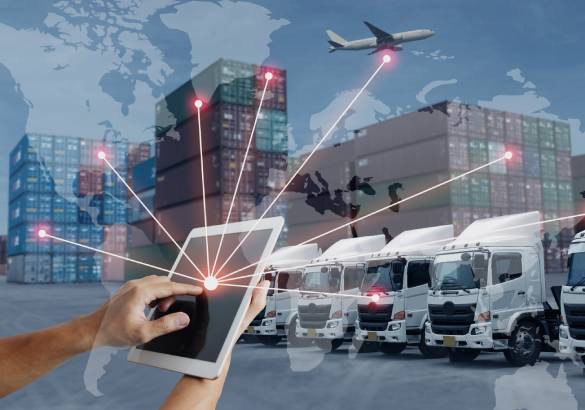
IoT devices such as GPS trackers, temperature sensors, and smart containers provide real-time data throughout the export journey. For Yazati, IoT delivers:
- Live location tracking of shipments
- Condition monitoring for sensitive goods
- Immediate alerts if issues occur
This level of visibility builds trust with international buyers and logistics partners.
Automation and Robotics in Warehousing
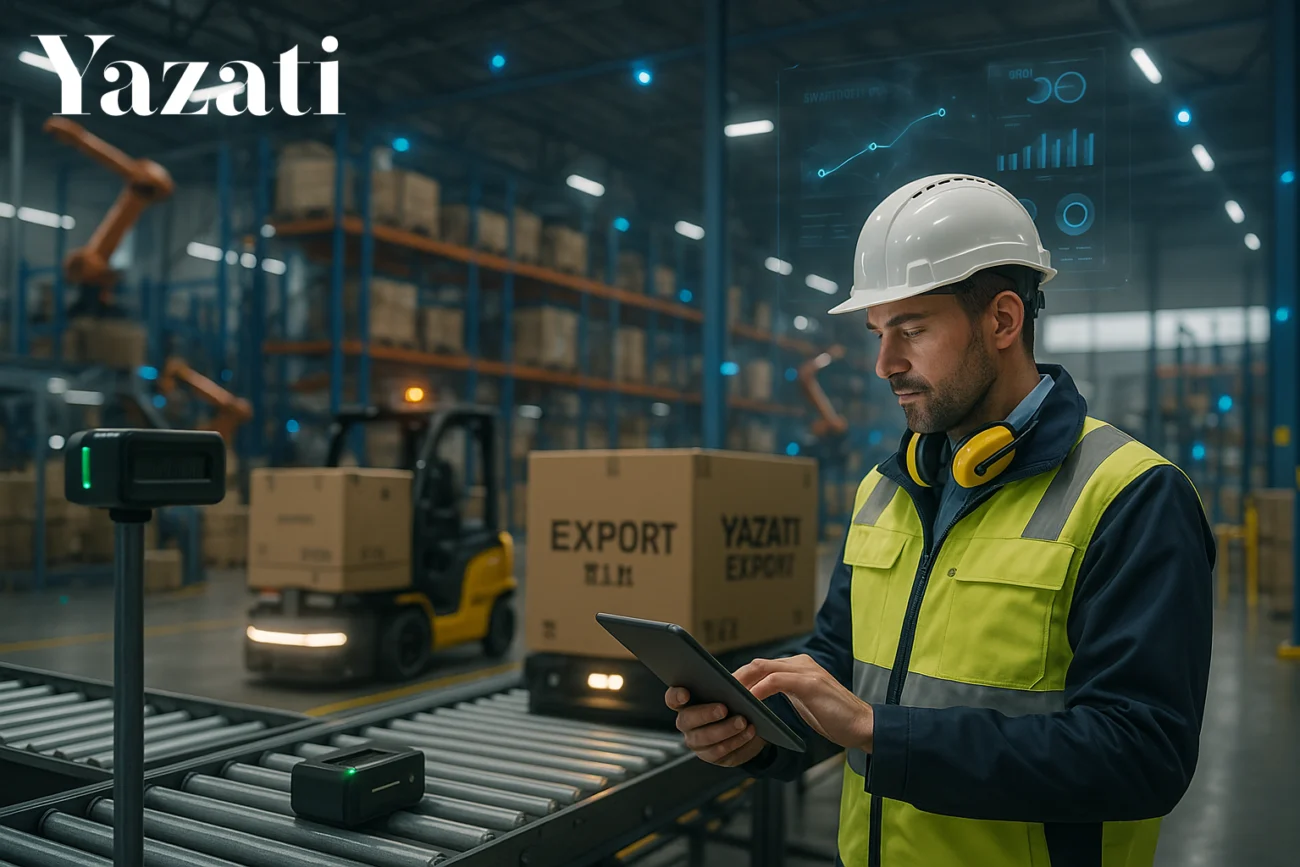
Automation plays a key role in Yazati’s export logistics. Automated storage systems, robotic picking, and conveyor technologies reduce handling errors and speed up order processing.
Benefits include:
- Faster order fulfillment
- Lower labor costs
- Improved accuracy in export documentation
Automation ensures consistency even as export volumes grow.
Blockchain for Transparency and Trust
Blockchain technology creates secure, tamper-proof records of transactions and shipping documents. For exporters like Yazati, blockchain helps:
- Verify product origin
- Reduce documentation fraud
- Simplify customs clearance
This transparency strengthens Yazati’s reputation in global markets.
Digital Infrastructure Supporting Yazati’s Exports
Cloud-Based Logistics Platforms
Cloud platforms allow Yazati to manage logistics operations across multiple countries from a single dashboard. Key advantages include:
- Real-time data access
- Seamless collaboration with partners
- Scalability without heavy IT infrastructure
Cloud systems also support remote decision-making, which is critical in international trade.
ERP and Integrated Data Systems
Enterprise Resource Planning (ERP) systems connect logistics with finance, production, and sales. For Yazati, ERP integration ensures:
- Accurate export cost calculations
- Better coordination between departments
- Faster response to customer inquiries
Integrated data is the backbone of smart logistics success.
Smart Transportation and Fleet Management
Route Optimization and Fuel Efficiency
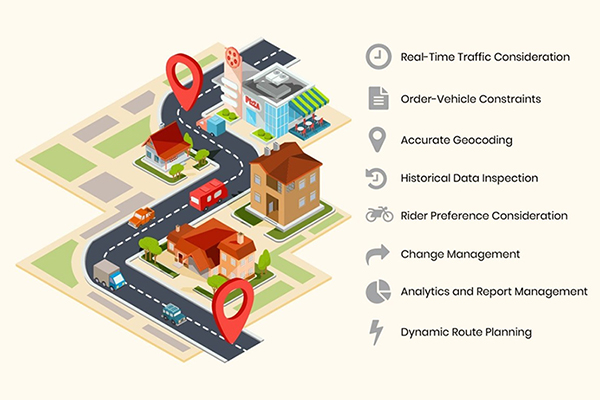
Smart transportation systems use algorithms to select the best routes based on traffic, weather, and fuel costs. Yazati benefits from:
- Reduced transit times
- Lower transportation expenses
- Decreased carbon emissions
Optimized routes directly improve export reliability.
Real-Time Shipment Tracking
Customers increasingly expect live updates on their shipments. Yazati’s tracking systems provide:
- Real-time status notifications
- Accurate delivery estimates
- Improved customer satisfaction
This transparency differentiates Yazati from less advanced competitors.
Customs, Compliance, and Smart Documentation
Export success depends heavily on compliance with international regulations. Smart logistics simplifies this through:
- Digital customs documentation
- Automated compliance checks
- Faster clearance processes
Yazati reduces delays at borders by ensuring all paperwork is accurate and accessible.
Risk Management and Supply Chain Resilience
Global supply chains face risks such as port congestion, geopolitical issues, and natural disasters. Smart logistics helps Yazati manage these risks by:
- Identifying alternative routes
- Diversifying logistics partners
- Monitoring global risk indicators
Resilience ensures uninterrupted export operations even during disruptions.
Sustainability Through Smart Logistics
Sustainability is no longer optional in global trade. Yazati uses smart logistics to:
- Reduce fuel consumption
- Minimize waste through better planning
- Track carbon emissions
These practices align with international sustainability standards and enhance brand value.
Measurable Business Impact on Yazati’s Export Success
The results of Smart Logistics: The Technology Behind Yazati’s Export Success are measurable and significant:
| Metric | Impact |
| Delivery Time | Reduced by up to 25% |
| Logistics Costs | Lowered through optimization |
| Error Rates | Significantly decreased |
| Customer Satisfaction | Noticeable improvement |
These outcomes confirm that smart logistics is not just a technology upgrade—it is a strategic advantage.
Challenges in Implementing Smart Logistics
Despite its benefits, smart logistics comes with challenges:
- High initial investment
- Need for skilled personnel
- Integration with legacy systems
Yazati addressed these challenges through phased implementation and continuous training.
Future Trends in Smart Logistics
Looking ahead, smart logistics will continue to evolve with:
- Greater use of AI-driven automation
- Expansion of autonomous transportation
- Deeper integration of sustainability metrics
Yazati’s early adoption positions it well for these future developments.
Frequently Asked Questions (FAQs)
1. What is smart logistics in simple terms?
Smart logistics uses technology and data to make shipping faster, safer, and more efficient.
2. How does smart logistics help exporters like Yazati?
It improves visibility, reduces costs, and ensures timely deliveries.
3. Is smart logistics expensive to implement?
While initial costs exist, long-term savings and efficiency gains outweigh them.
4. What role does AI play in smart logistics?
AI predicts demand, optimizes routes, and identifies risks before they occur.
5. Can small exporters use smart logistics?
Yes, cloud-based solutions make smart logistics accessible to smaller businesses.
6. How does smart logistics support sustainability?
It reduces fuel use, emissions, and waste through better planning and optimization.
Conclusion: Why Smart Logistics Is Yazati’s Competitive Edge
Smart Logistics: The Technology Behind Yazati’s Export Success demonstrates how innovation transforms challenges into opportunities. By embracing AI, IoT, automation, and digital platforms, Yazati has built a logistics system that is efficient, resilient, and future-ready.
In a world where global trade grows more complex every day, smart logistics is not just an advantage—it is a necessity. Yazati’s journey offers a clear lesson for exporters everywhere: technology-driven logistics is the key to sustainable export success.
✨ Discover Global Sourcing Excellence with Netyex ✨
Netyex is your trusted B2B sourcing partner, connecting international buyers with India’s finest manufacturers and curated product lines—from handicrafts and home décor to kitchenware, textiles, hospitality essentials, and more. With verified suppliers and end-to-end support, we make global procurement seamless, reliable, and efficient.
👉 Elevate your sourcing experience—explore Netyex today.
📦 Bulk orders & customisation | 🌍 Worldwide delivery | 🤝 Trusted by global buyers
Visit Netyex to source premium Indian products with confidence.