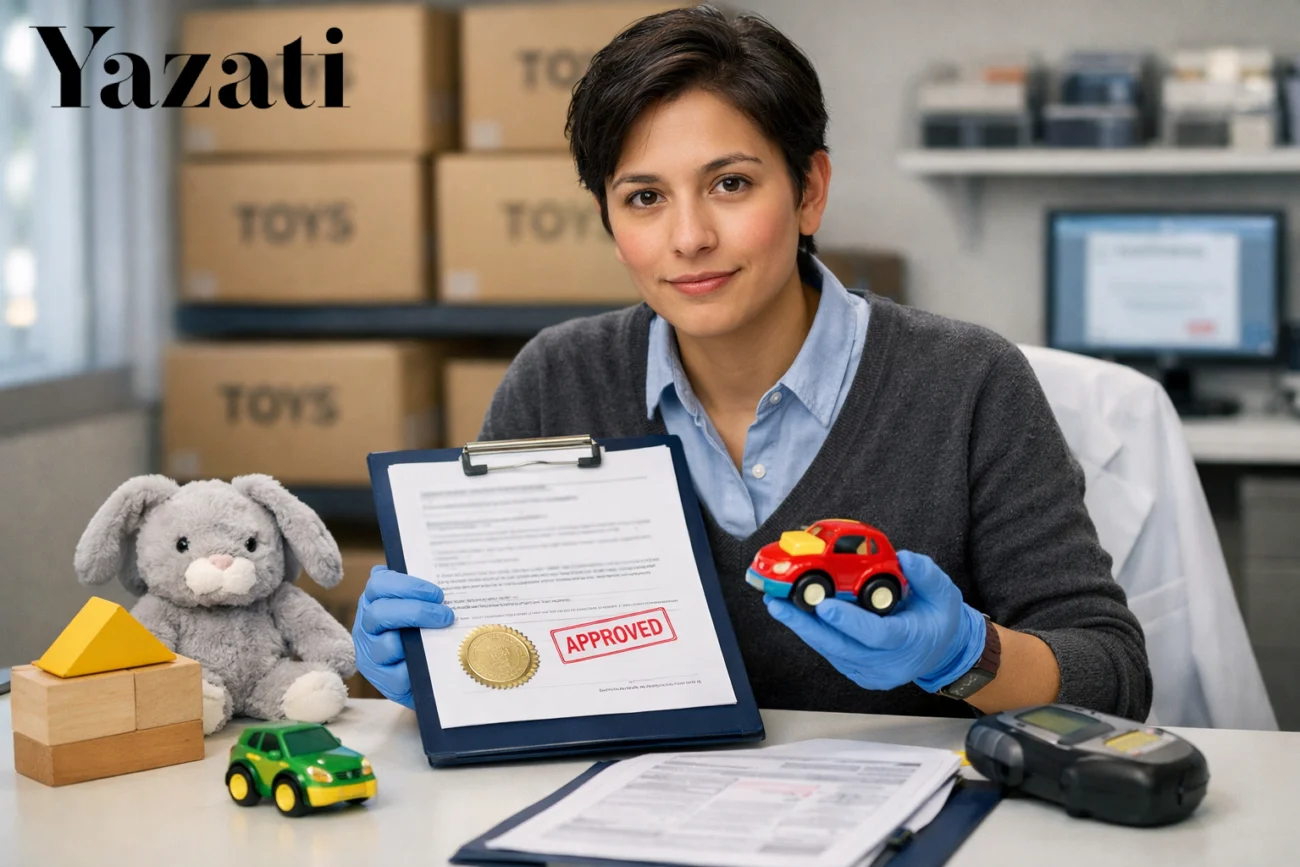
Why Toy Certification Is So Strict
Toys are designed for children, making safety a top priority.
Authorities regulate toys to prevent:
- Choking hazards
- Exposure to toxic chemicals
- Sharp edges and injury risks
- Flammability dangers
- Electrical hazards in battery-operated toys
Strict certification protects consumers and builds trust in the marketplace.
Safety compliance is not optional — it is mandatory.
Understanding the Role of National Regulatory Authorities
Each country has its own regulatory framework for toy imports.
Authorities typically oversee:
- Safety standards
- Testing procedures
- Labeling requirements
- Import documentation
- Market surveillance
Importers must understand the specific regulations of the destination country before shipping toys.
Regulatory awareness prevents costly mistakes.
1. Identify Applicable Toy Safety Standards
The first step in The Certification Process for Toy Imports Explained is identifying relevant safety standards in the importing country.
These standards may cover:
- Mechanical safety
- Chemical composition
- Flammability
- Electrical safety
- Age grading
Different countries follow different safety frameworks.
Importers must confirm compliance with destination-specific rules.
2. Conduct Product Classification
Not all toys are classified the same way.
Authorities often categorize toys based on:
- Age group
- Functionality
- Materials used
- Electronic components
Correct classification determines which safety tests apply.
Misclassification can result in non-compliance.
3. Select an Accredited Testing Laboratory
Toy safety testing must be conducted by certified laboratories recognized by regulatory authorities.
Testing includes:
- Chemical analysis
- Small parts testing
- Impact resistance testing
- Flammability checks
- Electrical safety evaluation
Accredited testing ensures reliable and accepted results.
Proper testing documentation is essential for certification approval.
4. Submit Samples for Testing
Importers or manufacturers must provide product samples to testing labs.
Samples are evaluated for:
- Toxic substances
- Physical durability
- Structural safety
- Labeling compliance
Testing timelines vary depending on product complexity.
Patience and accuracy are important during this stage.
5. Obtain a Test Report
After successful testing, the laboratory issues a detailed test report.
This report confirms whether the toy complies with:
- Applicable safety standards
- Chemical limits
- Physical safety requirements
Test reports serve as key supporting documents during certification submission.
Without valid test reports, certification cannot proceed.
6. Apply for Mandatory Certification
Some countries require official certification marks before toys can be imported.
The application process usually involves:
- Submitting test reports
- Providing manufacturing details
- Declaring compliance
- Paying certification fees
Certification approval may require additional documentation or inspection.
Thorough documentation speeds up approval.
7. Verify Manufacturer Credentials
Authorities may request information about the manufacturer, including:
- Factory registration
- Production capacity
- Quality control systems
- Previous compliance history
Transparent manufacturing information builds regulatory confidence.
Reliable suppliers simplify compliance.
8. Ensure Proper Labeling and Packaging
Toy labeling is heavily regulated.
Labels must include:
- Age suitability
- Safety warnings
- Manufacturer details
- Country of origin
- Batch numbers
Incorrect labeling can lead to shipment rejection even if the toy passes safety tests.
Compliance extends beyond product safety.
9. Prepare Import Documentation
Import documentation typically includes:
- Commercial invoice
- Packing list
- Certificate of origin
- Bill of lading or airway bill
- Certification documents
- Test reports
Incomplete paperwork causes customs delays.
Organized documentation ensures smoother clearance.
10. Submit Declaration of Conformity
Some jurisdictions require importers to submit a formal declaration stating that the toys comply with all applicable safety standards.
This declaration confirms:
- Testing has been conducted
- Documentation is accurate
- Products meet regulatory requirements
False declarations can result in severe penalties.
Honesty is essential.
11. Customs Inspection and Clearance
Upon arrival, customs authorities may:
- Review documentation
- Inspect product samples
- Verify certification marks
- Conduct random testing
If compliance is confirmed, the shipment is cleared.
Non-compliance may result in detention or rejection.
Preparation reduces inspection risks.
12. Post-Market Surveillance
Certification does not end at import clearance.
Authorities may conduct:
- Market inspections
- Random product sampling
- Retail audits
Importers must maintain compliance records for future reference.
Ongoing compliance ensures business continuity.
13. Renewal and Validity of Certification
Some certifications have validity periods.
Importers must:
- Monitor expiration dates
- Renew certifications when required
- Update documentation for new product variations
Ignoring renewals may result in shipment disruptions.
Timely updates prevent operational delays.
14. Addressing Non-Compliance Issues
If a toy fails certification:
- Identify the cause of failure
- Correct design or material issues
- Retest the product
- Reapply for certification
Corrective action is necessary before re-importing.
Proactive problem-solving saves resources.
15. Maintain Strong Supplier Communication
Smooth certification depends heavily on supplier cooperation.
Importers should ensure:
- Manufacturers understand safety standards
- Materials meet chemical limits
- Documentation is accurate
- Production batches remain consistent
Close collaboration reduces compliance risks.
Strong partnerships enhance reliability.
Common Challenges in Toy Import Certification
Importers often face challenges such as:
- Changing regulations
- High testing costs
- Delays in laboratory processing
- Miscommunication with suppliers
- Incomplete documentation
Staying updated with regulatory changes minimizes disruptions.
Knowledge is a competitive advantage.
The Certification Process for Toy Imports Explained for New Importers
New importers should:
- Research destination country regulations thoroughly
- Partner with experienced customs brokers
- Work with reliable manufacturers
- Maintain organized compliance records
- Plan extra time for certification processing
Early preparation prevents costly mistakes.
Learning the process builds confidence.
The Importance of Compliance for Business Reputation
Non-compliant toy imports can result in:
- Product recalls
- Financial penalties
- Legal consequences
- Brand damage
- Loss of customer trust
Maintaining strict compliance protects long-term business sustainability.
Safety builds brand credibility.
Future Trends in Toy Certification
Global toy regulations are evolving.
Trends include:
- Stricter chemical safety limits
- Increased digital tracking
- Enhanced environmental compliance
- Stronger global harmonization of standards
Importers must remain adaptable.
Continuous learning ensures competitiveness.
FAQs About The Certification Process for Toy Imports Explained
1. Is toy certification mandatory for all imports?
Yes, in most countries toy certification is mandatory before products can enter the market.
2. How long does toy certification take?
It varies by country and product complexity, but testing and approval may take several weeks.
3. Who is responsible for certification — the importer or manufacturer?
Responsibility often depends on the country’s regulations, but importers are usually accountable for compliance.
4. What happens if toys fail safety tests?
The product must be corrected, retested, and re-certified before it can be imported.
5. Do all toy types require the same tests?
No. Testing depends on product classification, materials, and age group.
6. Can certification be transferred between countries?
Not always. Each country may have different regulatory requirements.
Conclusion
Understanding The Certification Process for Toy Imports Explained is essential for successful and compliant international trade.
From product classification and laboratory testing to labeling and customs clearance, every step requires careful attention. Toy import certification is not just about paperwork — it is about ensuring children’s safety and protecting brand reputation.
By following proper procedures, maintaining accurate documentation, and working with reliable partners, importers can navigate the certification process confidently and efficiently.
Compliance is not just a requirement — it is the foundation of sustainable toy import business success.
✨ Discover Global Sourcing Excellence with Netyex ✨
Netyex is your trusted B2B sourcing partner, connecting international buyers with India’s finest manufacturers and curated product lines—from handicrafts and home décor to kitchenware, textiles, hospitality essentials, and more. With verified suppliers and end-to-end support, we make global procurement seamless, reliable, and efficient.
👉 Elevate your sourcing experience—explore Netyex today.
📦 Bulk orders & customisation | 🌍 Worldwide delivery | 🤝 Trusted by global buyers
Visit Netyex to source premium Indian products with confidence.