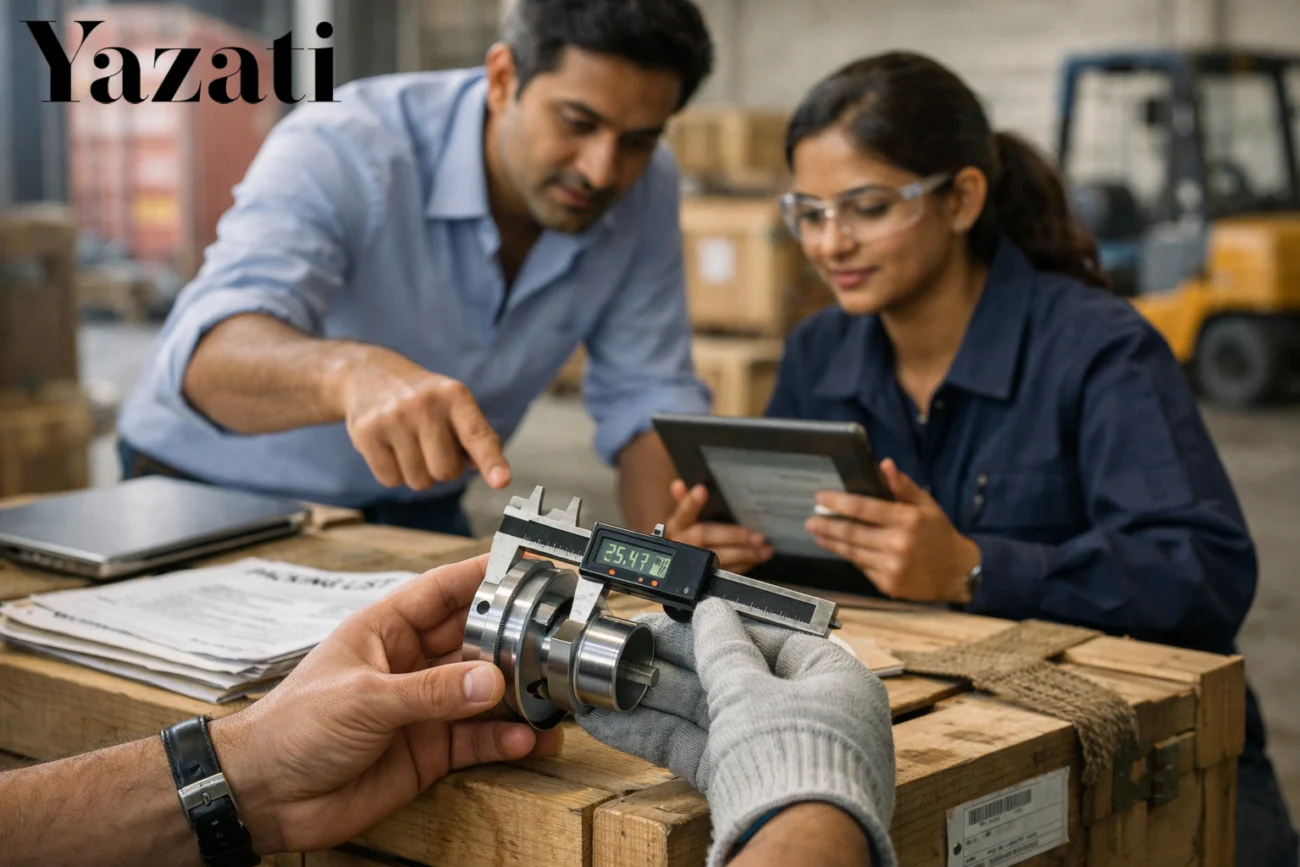
Introduction to The Complete Guide to Importing Tools & Machinery from India
The Complete Guide to Importing Tools & Machinery from India is designed to help global buyers navigate the sourcing process confidently and efficiently. India has emerged as a strong manufacturing hub for tools, industrial equipment, and heavy machinery. With competitive pricing, technical expertise, and growing industrial infrastructure, India presents valuable opportunities for importers worldwide.
Whether you are a construction company, industrial distributor, agricultural equipment supplier, or manufacturing enterprise, importing from India can reduce costs while maintaining quality standards. However, successful importing requires careful planning, supplier verification, compliance checks, and risk management.
This guide provides a structured overview of every key aspect of importing tools and machinery from India.
Why India Is a Growing Hub for Industrial Manufacturing
India’s industrial sector has expanded rapidly due to:
- Infrastructure development
- Skilled engineering workforce
- Government support for manufacturing
- Technological upgrades
- Increasing global demand
The country’s manufacturing ecosystem supports both small-scale production and large industrial machinery output.
Global Demand for Tools & Machinery
The global construction and industrial sectors are experiencing steady growth. Urbanization, renewable energy projects, agriculture modernization, and infrastructure investments are driving machinery demand.
Importers seek suppliers who can provide:
- Reliable quality
- Timely delivery
- Competitive pricing
- Compliance with international standards
India is increasingly meeting these expectations.
Types of Tools & Machinery Commonly Exported from India
Hand Tools and Industrial Tools
India manufactures a wide range of hand and industrial tools, including:
- Wrenches and pliers
- Screwdrivers
- Cutting tools
- Industrial tool kits
These tools are widely exported to construction and manufacturing markets.
Construction and Heavy Machinery
Manufacturers produce:
- Concrete mixers
- Road construction equipment
- Earth-moving machinery
- Material handling equipment
These machines serve global infrastructure projects.
Agricultural and Processing Equipment
India also exports:
- Tractors and farm implements
- Irrigation equipment
- Food processing machinery
- Packaging equipment
Agricultural modernization has strengthened this segment.
Advantages of Importing from India
Cost Competitiveness
India offers lower labor costs compared to many developed nations. Efficient production systems reduce overall manufacturing expenses.
Skilled Engineering Workforce
India produces thousands of engineers annually. Technical knowledge supports innovation and precision manufacturing.
Expanding Industrial Infrastructure
Improved ports, highways, and logistics networks enhance export efficiency.
Understanding Indian Manufacturing Clusters
Specialized Tool Manufacturing Regions
Industrial clusters focus on specific tool categories, allowing:
- Shared supplier networks
- Skilled labor concentration
- Quality consistency
Cluster specialization increases efficiency.
Machinery Production Hubs
Heavy machinery manufacturing is concentrated in industrial zones equipped with large production facilities and advanced equipment.
Finding Reliable Suppliers
B2B Platforms and Trade Networks
Importers can connect with suppliers through:
- Online B2B marketplaces
- Trade exhibitions
- Industry associations
Initial screening should focus on export experience.
Factory Visits and Supplier Audits
Whenever possible, conduct:
- On-site inspections
- Virtual factory tours
- Third-party audits
Verification ensures reliability.
Supplier Verification and Due Diligence
Checking Certifications and Registrations
Verify:
- Company registration documents
- Export licenses
- Industry certifications
Legitimate documentation confirms authenticity.
Evaluating Production Capacity
Assess whether the supplier can handle required order volumes within your timeline.
Quality Standards and Compliance Requirements
International Certifications
Tools and machinery may require compliance with:
- Safety standards
- Performance certifications
- Electrical standards
Always confirm certification validity.
Electrical and Safety Standards
Machinery must comply with voltage requirements and safety regulations specific to the destination country.
Pricing Structure and Negotiation Strategies
MOQ and Volume Discounts
Minimum Order Quantity (MOQ) affects pricing. Larger orders often secure better rates.
Payment Terms and Currency Considerations
Common payment methods include:
- Advance payment
- Letter of credit
- Partial payment before shipment
Discuss currency exchange risks when negotiating.
Logistics and Shipping Process
Choosing Between Sea and Air Freight
- Sea freight is cost-effective for heavy machinery.
- Air freight suits urgent small shipments.
Evaluate cost versus urgency.
Documentation and Customs Clearance
Ensure accurate preparation of:
- Commercial invoice
- Packing list
- Bill of lading
- Certificate of origin
Proper documentation prevents delays.
Import Duties and Taxes
Understanding HS Codes
Each product category has a Harmonized System (HS) code. Correct classification determines duty rates.
Calculating Landed Cost
Landed cost includes:
- Product price
- Shipping charges
- Insurance
- Customs duties
- Local transportation
Accurate calculation prevents budget surprises.
Risk Management and Quality Control
Pre-Shipment Inspection
Third-party inspections verify:
- Functionality
- Packaging
- Quantity
- Compliance
Inspection reduces defect risk.
Warranty and After-Sales Support
Discuss warranty terms clearly. Machinery purchases require dependable after-sales support.
Common Challenges in Importing Machinery
Communication Barriers
Clear written communication minimizes misunderstandings. Confirm technical specifications precisely.
Shipping Delays and Supply Chain Disruptions
Plan orders well in advance to accommodate potential disruptions.
Future Outlook for Importing from India
Technological Advancements
India is investing in automation and smart manufacturing, enhancing production quality.
Growing Global Partnerships
International collaborations strengthen India’s position in global supply chains.
FAQs on The Complete Guide to Importing Tools & Machinery from India
1. Is India reliable for machinery imports?
Yes, with proper supplier verification and compliance checks.
2. What certifications should be verified?
Safety and performance certifications relevant to your destination market.
3. Is sea freight suitable for heavy machinery?
Yes, it is cost-effective for large and heavy shipments.
4. How can buyers ensure quality?
Through supplier audits and third-party pre-shipment inspections.
5. Are private label options available?
Yes, many suppliers offer customization and OEM services.
6. What is the biggest risk when importing machinery?
Quality inconsistencies and documentation errors, which can be minimized with due diligence.
Conclusion: Making Smart Import Decisions from India
The Complete Guide to Importing Tools & Machinery from India demonstrates that India offers strong opportunities for global buyers seeking cost-effective, reliable, and technically advanced products. With the right supplier verification, compliance checks, and logistics planning, importing from India can be both profitable and sustainable.
By understanding pricing structures, quality standards, and regulatory requirements, importers can build long-term partnerships and secure consistent supply chains. As India continues to strengthen its manufacturing ecosystem, it remains a strategic sourcing destination for tools and machinery worldwide.
✨ Discover Global Sourcing Excellence with Netyex ✨
Netyex is your trusted B2B sourcing partner, connecting international buyers with India’s finest manufacturers and curated product lines—from handicrafts and home décor to kitchenware, textiles, hospitality essentials, and more. With verified suppliers and end-to-end support, we make global procurement seamless, reliable, and efficient.
👉 Elevate your sourcing experience—explore Netyex today.
📦 Bulk orders & customisation | 🌍 Worldwide delivery | 🤝 Trusted by global buyers
Visit Netyex to source premium Indian products with confidence.