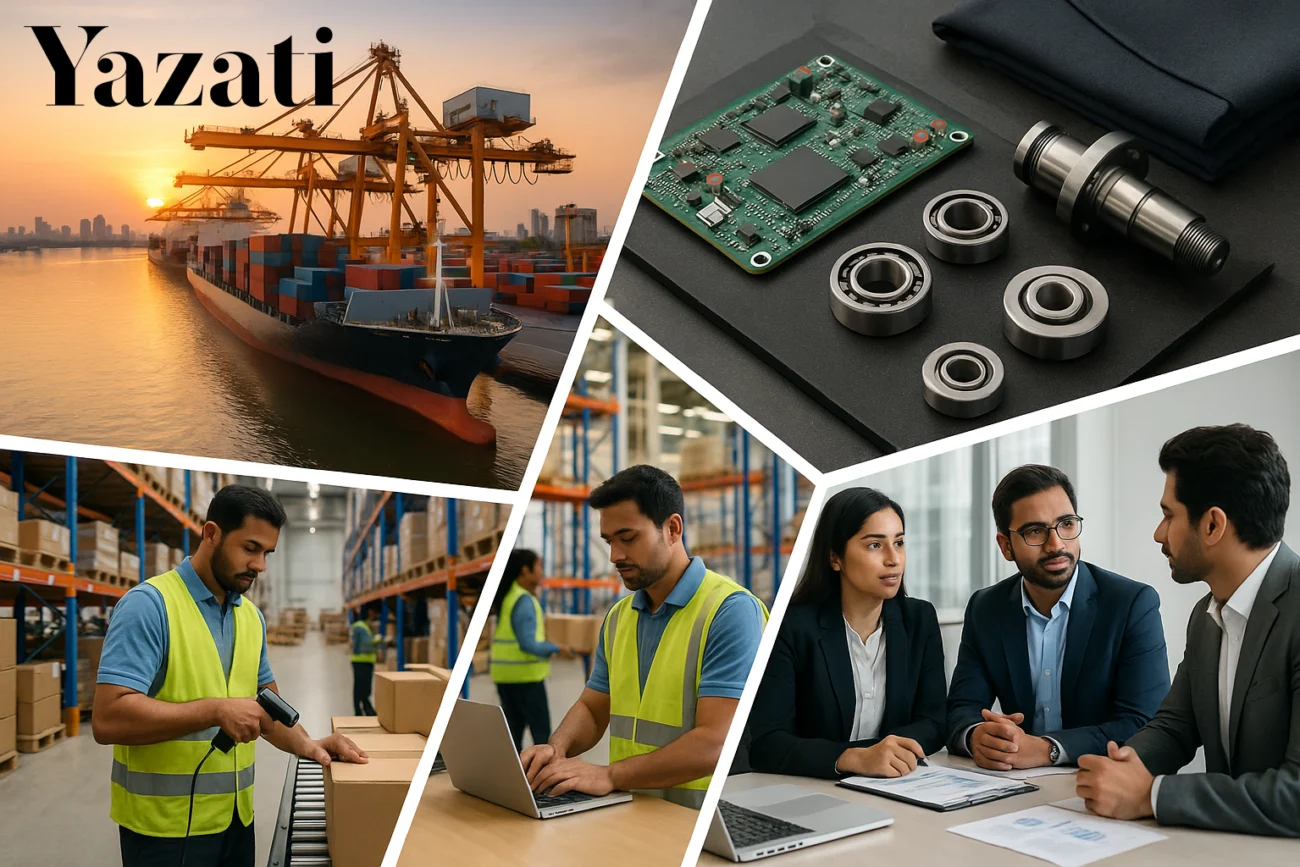
Introduction: India’s Export Journey to 2026
India’s export ecosystem has undergone a dramatic transformation over the past few decades. As the world’s fifth-largest economy, India has evolved from a largely agrarian exporter to a diversified hub of technology, pharmaceuticals, renewable energy, and value-added goods. By 2026, the nation’s export framework reflects a harmonious blend of innovation, digitalization, and sustainable trade practices — all rooted in visionary government policies and global partnerships.
The 2026 outlook showcases India’s ambition to reach a $2 trillion export target by 2030, supported by structural reforms, industrial growth, and integration into global value chains. This growth is not merely quantitative but qualitative — emphasizing resilience, green trade, and equitable participation for MSMEs.
Historical Perspective: How India’s Export Landscape Evolved
The Pre-Liberalization Era: Import Substitution and Protectionism
Before 1991, India’s export ecosystem was inward-looking. The focus was on import substitution, with limited exposure to international competition. Tariff barriers and licensing policies constrained export diversification. Agricultural commodities and textiles dominated, but inefficiencies and lack of infrastructure held back growth.
Post-1991 Reforms: Opening the Global Gateway
The liberalization reforms of 1991 were a turning point. India embraced globalization, deregulated key industries, and attracted foreign investments. This era marked the birth of modern export hubs — IT services, textiles, and automotive parts — leading to exponential export growth.
The 2010s and 2020s: Digitalization and Trade Diversification
The 2010s brought technological revolution and policy frameworks like “Make in India” and “Digital India.” These initiatives boosted domestic manufacturing while connecting exporters to global digital marketplaces. By 2026, digital trade contributes significantly to India’s export revenue, especially through cross-border e-commerce.
The 2026 Export Landscape: A Snapshot of India’s Global Standing
Key Export Sectors in 2026
India’s export profile in 2026 is diverse and innovation-driven. The top-performing sectors include:
- Electronics and Semiconductors
- Pharmaceuticals and Biotech Products
- Automobile Components
- Textiles and Apparel
- IT Services and Software Exports
- Agriculture and Processed Foods
Trade Surplus and Deficit Trends
While India continues to run a trade deficit due to energy imports, the non-oil export sector shows robust growth, helping stabilize the trade balance. The emphasis on renewable energy and self-reliance in electronics manufacturing has reduced import dependency.
Major Trading Partners and Emerging Markets
India’s top export destinations include the U.S., UAE, Netherlands, Singapore, and China. However, 2026 marks a growing shift toward Africa, Latin America, and Southeast Asia as emerging trade partners, thanks to new free trade agreements and diplomatic outreach.
Policy Reforms and Government Initiatives Boosting Exports
Foreign Trade Policy (FTP) 2026 and Vision 2047
The FTP 2026 aligns with India’s long-term “Vision 2047” — aiming to make India a developed, export-driven economy. The policy emphasizes:
- Reducing export documentation and transaction costs.
- Strengthening digital customs systems.
- Incentivizing green and high-tech exports.
Production-Linked Incentive (PLI) Schemes and Export Hubs
PLI schemes have catalyzed domestic production in critical sectors such as semiconductors, pharmaceuticals, and EVs. These schemes promote scale and competitiveness, transforming India into a global export hub.
Trade Agreements and Bilateral Ties Strengthening India’s Global Presence
Recent agreements with the EU, Australia, and UAE have boosted market access. The government’s proactive trade diplomacy, coupled with G20 leadership, has positioned India as a trusted global partner.
Technology and Digitalization Transforming the Export Ecosystem
AI, Blockchain, and IoT in Supply Chain Management
Digital tools are reshaping logistics and trade efficiency. AI-driven forecasting, blockchain-based tracking, and IoT-enabled warehousing reduce delays and enhance transparency.
The Rise of Digital Export Platforms and E-Commerce Trade
Platforms like Amazon Global Selling and TradeIndia allow small exporters to access global markets seamlessly. Cross-border e-commerce is projected to grow by 25% annually through 2026.
Fintech and Digital Payments Enhancing Export Financing
Fintech solutions are revolutionizing trade financing with faster, paperless credit and real-time currency conversions — empowering MSMEs and startups to participate globally.
Infrastructure and Logistics: Backbone of Export Competitiveness
A thriving export ecosystem depends on efficient infrastructure and seamless logistics. India, recognizing this core need, has made significant strides toward modernizing ports, developing multimodal connectivity, and creating logistics efficiency through digital technology.
Port Modernization and Inland Connectivity
India’s major ports—such as Mundra, Jawaharlal Nehru Port (JNPT), and Visakhapatnam—are now equipped with automated cargo systems, real-time tracking, and advanced container scanning. The government’s Sagarmala Project continues to transform coastal and inland waterways, reducing logistical costs by nearly 15–20%.
Inland connectivity has also been strengthened through Dedicated Freight Corridors (DFCs), linking industrial belts to ports via high-speed rail networks. This connectivity ensures that export goods reach shipping terminals faster, more securely, and with reduced carbon emissions.
Industrial Corridors and Smart Warehousing
The Delhi-Mumbai Industrial Corridor (DMIC) and Chennai-Bengaluru Industrial Corridor (CBIC) serve as engines of export manufacturing. These hubs host smart warehouses with IoT monitoring and AI-driven inventory systems, allowing exporters to manage supply chains in real time.
Green Logistics and Sustainable Transport Initiatives
By 2026, sustainability is not an option — it’s a necessity. India’s logistics sector now integrates electric freight vehicles, solar-powered cold storage, and eco-friendly packaging materials. These initiatives not only reduce environmental footprints but also meet global buyers’ expectations for ESG compliance.
India’s Export Sectors to Watch in 2026
Pharmaceutical and Healthcare Exports
India remains the “Pharmacy of the World”, exporting affordable, high-quality medicines to over 200 countries. In 2026, biopharmaceuticals, vaccines, and healthcare equipment are key growth drivers, backed by strong R&D and WHO-approved facilities.
The pandemic accelerated India’s reputation as a reliable health supplier, and the trend continues with increasing exports of mRNA vaccines, medical diagnostics, and AI-enabled health devices.
Electronics and Semiconductor Manufacturing
With the rise of digital devices and AI technology, India’s semiconductor mission is a game changer. Government incentives attract major players like Foxconn, Micron, and Vedanta to set up production units. By 2026, India is expected to export billions in chips, circuit boards, and components to global tech hubs.
Agricultural and Processed Food Exports
Agri exports have evolved from basic commodities to value-added organic and processed foods. The government’s APEDA initiative has enabled traceability, ensuring Indian produce meets international safety standards. Organic spices, basmati rice, and frozen seafood dominate export markets in Europe and the Middle East.
Renewable Energy and Green Technology Exports
India’s green export sector is booming — particularly in solar panels, wind turbine components, and electric vehicle batteries. The world is transitioning to clean energy, and India’s cost competitiveness gives it a strategic advantage. By 2026, renewable energy exports are projected to touch $15 billion annually.
The Role of MSMEs in Driving Export Growth
Micro, Small, and Medium Enterprises (MSMEs) form the backbone of India’s export ecosystem, contributing nearly 45% of total exports.
Digitization and Access to Global Markets for MSMEs
Digital platforms and e-commerce marketplaces have empowered MSMEs to reach international buyers without intermediaries. Initiatives like ONDC (Open Network for Digital Commerce) and Trade Connect India allow even small artisans to participate in cross-border trade.
Government Support, Schemes, and Training Programs
Through programs like Niryat Bandhu, Skill India, and Districts as Export Hubs, the government provides technical training, export financing, and market intelligence. This localized export model ensures that rural and tier-2 entrepreneurs benefit equally from the global trade ecosystem.
Sustainable and Ethical Trade Practices in India’s Export Framework
ESG Compliance and Global Standards
Sustainability is now a core export requirement, not just a competitive advantage. Indian exporters are aligning with ESG (Environmental, Social, and Governance) frameworks to meet international compliance norms. This includes zero-waste manufacturing, responsible sourcing, and ethical labor practices.
Carbon-Neutral Shipping and Eco-Certified Exports
The logistics industry is rapidly moving toward carbon-neutral freight, using biofuels and optimizing routes through AI. Exporters are also seeking eco-certifications like Fair Trade, FSC, and Organic India labels to appeal to environmentally conscious consumers abroad.
Challenges Facing India’s Export Ecosystem in 2026
Despite impressive growth, India faces several structural and global challenges that could impact its export ambitions.
Global Recession Risks and Geopolitical Uncertainties
Fluctuating global demand, supply chain disruptions, and geopolitical tensions — especially in regions like the Middle East and Eastern Europe — can affect export stability. India’s diversified trade strategy helps, but global slowdowns still pose a challenge.
Skill Gaps, Technology Adoption, and Data Security
While technology adoption is high, skill shortages in advanced manufacturing and cybersecurity remain a concern. Exporters must invest in workforce upskilling to keep pace with Industry 4.0 requirements.
Infrastructure Bottlenecks and Policy Implementation Delays
Although logistics efficiency is improving, issues like port congestion, delayed customs clearances, and regional policy overlaps occasionally hinder export performance. Continued digital integration is crucial to eliminate these bottlenecks.
Opportunities and Growth Avenues Ahead
Emerging Markets in Africa, Latin America, and Central Asia
India’s export strategy is expanding beyond traditional markets. Africa’s growing consumer base, Latin America’s demand for pharmaceuticals, and Central Asia’s energy trade open new opportunities. India’s bilateral trade missions aim to strengthen these partnerships.
Niche Sectors: Space Technology, EV Components, and EdTech
By 2026, India’s exports extend into futuristic industries:
- Space technology: Satellite manufacturing and launch services.
- EV components: Battery cells, motors, and charging infrastructure.
- EdTech platforms: Digital education solutions and learning management software.
These sectors combine technology, innovation, and sustainability — aligning perfectly with global trends.
Expert Insights: What Industry Leaders Predict for 2026–2030
Government Think Tanks and Economic Forums’ Projections
According to NITI Aayog and the Federation of Indian Export Organisations (FIEO), India’s total exports could reach $1 trillion by 2028, supported by tech-driven trade and value addition. The country’s focus on “Make for the World” marks a paradigm shift from low-cost production to high-quality innovation.
Private Sector and Startups Shaping India’s Export Vision
Private enterprises, startups, and industry associations are driving global competitiveness. Export-oriented startups in AI, renewable energy, and healthcare are redefining India’s export brand as “Innovative, Sustainable, and Trusted.”
FAQs: Understanding India’s Export Outlook 2026
1. What is the projected export target for India by 2030?
India aims to achieve $2 trillion in exports by 2030, driven by diversified sectors and robust trade infrastructure.
2. Which are India’s top export sectors in 2026?
Electronics, pharmaceuticals, renewable energy, textiles, and IT services remain the leading contributors.
3. How is the government supporting exporters?
Through policies like FTP 2026, PLI schemes, and the Districts as Export Hubs initiative, the government offers financial incentives, skill development, and digital support.
4. How is sustainability impacting exports?
Global buyers demand eco-friendly, carbon-neutral, and ethically sourced products. Indian exporters adopting green practices gain better market access.
5. What challenges does India face in sustaining export growth?
Challenges include global economic volatility, infrastructure gaps, and technological skill shortages.
6. Which new markets are most promising for Indian exporters?
Emerging regions like Africa, Latin America, and ASEAN countries present lucrative opportunities for trade expansion.
Conclusion: India’s Path Toward Global Export Leadership
The evolution of India’s export ecosystem represents a story of ambition, adaptability, and resilience. From traditional agriculture exports to advanced semiconductor and green energy products, India’s export framework in 2026 is a testament to its innovative economic spirit.
Backed by progressive government policies, strong industrial partnerships, and sustainable practices, India is on track to becoming a top global export powerhouse by 2030. The integration of digital technologies, inclusive growth through MSMEs, and a focus on ethical trade standards ensure that India’s export journey is not just about numbers — it’s about creating global impact with responsibility.
For continued success, India must sustain momentum through innovation, infrastructure, and inclusivity, ensuring that its export ecosystem remains future-ready in an ever-changing global trade environment.
✨ Discover Global Sourcing Excellence with Netyex ✨
Netyex is your trusted B2B sourcing partner, connecting international buyers with India’s finest manufacturers and curated product lines—from handicrafts and home décor to kitchenware, textiles, hospitality essentials, and more. With verified suppliers and end-to-end support, we make global procurement seamless, reliable, and efficient.
👉 Elevate your sourcing experience—explore Netyex today.
📦 Bulk orders & customisation | 🌍 Worldwide delivery | 🤝 Trusted by global buyers
Visit Netyex to source premium Indian products with confidence.