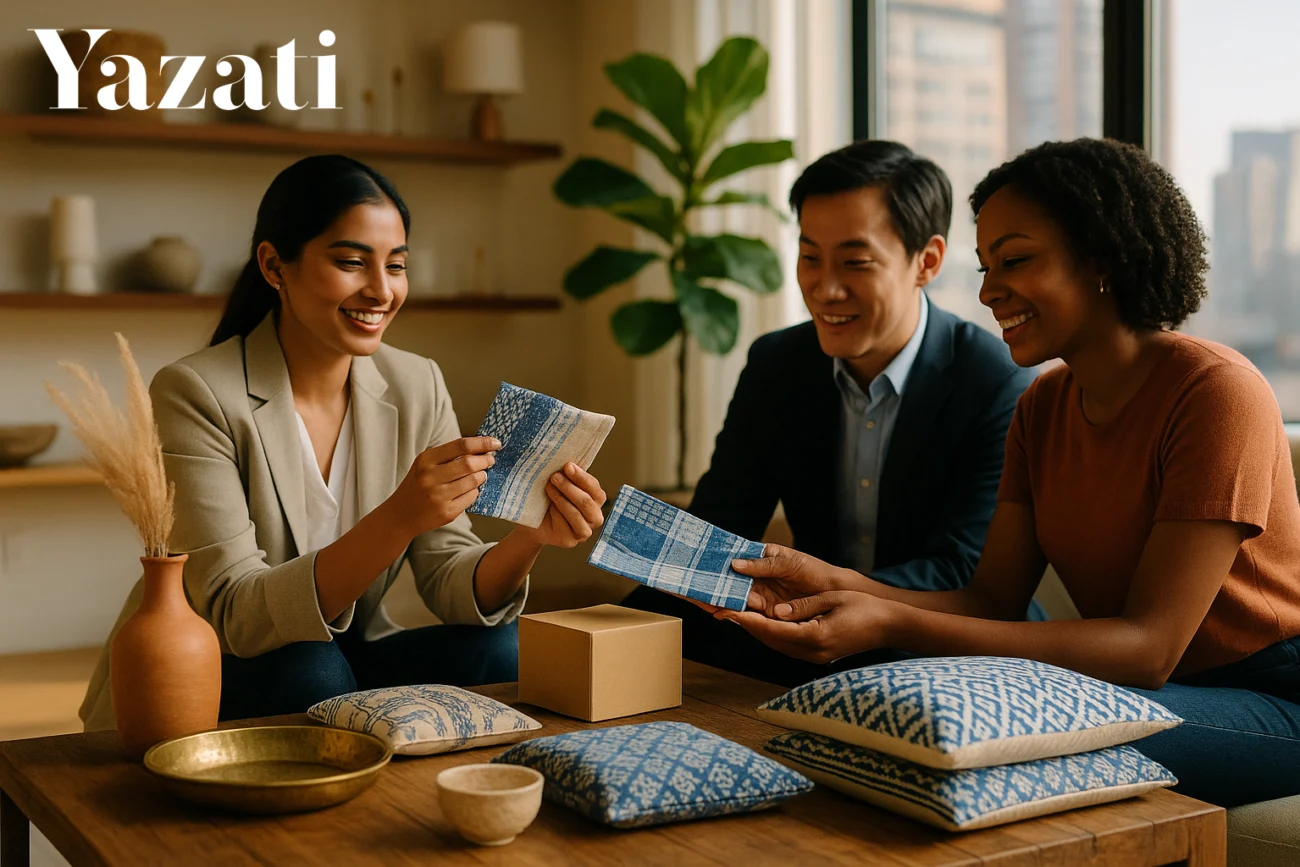
Introduction: India’s Artistic Legacy Meets Global Design Trends
In 2026, the world is witnessing a cultural shift in interior design—one that celebrates authenticity, craftsmanship, and sustainability. At the center of this transformation lies The Global Rise of Indian Home Décor Brands in 2026. From handcrafted pottery and handwoven textiles to eco-conscious furniture, Indian décor brands are captivating audiences around the globe. Their artistry speaks of a timeless heritage fused with modern sensibilities—creating homes that feel soulful, sustainable, and globally relevant.
The demand for Indian design is no accident. It’s rooted in a global longing for authenticity—a desire for stories behind products. And who tells stories better than India’s artisans, whose work embodies centuries of craftsmanship passed down through generations?
The Evolution of Indian Home Décor: From Local Craft to Global Chic
Traditional Roots and Regional Diversity
Indian home décor has always been a celebration of diversity. From the intricate mirror work of Rajasthan to the bamboo artistry of Assam, every region brings something unique. These crafts—Madhubani paintings from Bihar, Dhokra metalwork from Chhattisgarh, or Pattachitra art from Odisha—are more than décor; they are cultural signatures.
In recent years, global buyers have come to appreciate the depth behind these traditional forms. Instead of mass-produced designs, people crave the imperfections and warmth of handmade items. Indian brands have seized this moment—creating global identities while staying rooted in their local heritage.
Modern Interpretations: Blending Tradition with Contemporary Design
Today’s Indian décor brands aren’t just selling artifacts—they’re curating lifestyles. They’ve mastered the art of blending ancient craftsmanship with minimalist aesthetics. Whether it’s earthy-toned vases inspired by tribal motifs or rattan chairs designed with Scandinavian lines, Indian décor in 2026 is sophisticated yet soulful.
Brands like Nicobar and The Wishing Chair showcase how design can be contemporary while retaining its cultural essence. The result? Homes that exude personality and tell a story—one piece at a time.
Top Indian Home Décor Brands Making Global Waves in 2026
Good Earth: The Quintessential Indian Aesthetic
A pioneer in luxury décor, Good Earth continues to redefine opulence through Indian artistry. Its collections inspired by Mughal architecture and Indian mythology resonate with international audiences who crave exotic elegance.
FabIndia: Democratizing Indian Design for the World
Few brands embody the soul of Indian craftsmanship like FabIndia. By collaborating with over 50,000 artisans, it makes handcrafted décor accessible worldwide. In 2026, its sustainable production and online expansion continue to set industry benchmarks.
Nicobar and The Wishing Chair: Millennial-Focused Modern Design
Targeting younger demographics, Nicobar and The Wishing Chair emphasize conscious consumption. Their minimalist aesthetics, natural textures, and playful accents make them favorites among global millennials and Gen Z homeowners.
Nestasia and Vaaree: The E-commerce Powerhouses of 2026
Digital-first brands like Nestasia and Vaaree are leading India’s décor e-commerce revolution. Through global shipping and immersive AR-based shopping experiences, they’re turning handcrafted luxury into an everyday experience.
Global Market Trends Fueling the Demand for Indian Home Décor
The Global Turn Toward Handcrafted and Sustainable Goods
Post-pandemic consumer behavior shifted drastically—mass-produced décor is out, meaningful craftsmanship is in. Consumers now prioritize eco-friendly, ethically made pieces that reflect individuality. Indian décor brands, with their sustainable ethos, naturally fit this global narrative.
The Role of Social Media and Global Influencers
Platforms like Instagram and Pinterest have amplified India’s artistic voice. Influencers showcase vibrant Indian décor as a bridge between bohemian and luxury aesthetics, inspiring millions to adopt “India-inspired living.”
Cross-Cultural Fusion in Interior Design
Global designers are now integrating Indian motifs into Western interiors—think paisley wallpaper in London or jute lampshades in New York. This cultural fusion signals India’s aesthetic dominance in global design.
Export and E-commerce Boom: How Technology Amplifies Reach
The year 2026 marks a milestone in India’s digital transformation—especially in the home décor segment. The rise of e-commerce has allowed Indian brands to reach customers from Paris to Tokyo, all from their studios in Jaipur or Ahmedabad. Digital platforms have become the backbone of this expansion, helping artisans and entrepreneurs alike overcome geographical barriers.
D2C Platforms and Cross-Border Logistics
Direct-to-Consumer (D2C) models have revolutionized how Indian décor brands operate. Rather than relying solely on retail intermediaries, brands are selling directly through global online marketplaces like Etsy, Amazon Global, and their own websites. This not only improves profit margins but also allows them to share the authentic stories behind each product.
Improved logistics, facilitated by India’s expanding export infrastructure, ensures faster and safer global deliveries. In fact, 2026 has seen the introduction of eco-friendly packaging mandates, reinforcing India’s commitment to sustainability across the entire supply chain.
Virtual Showrooms and 3D Visualization in 2026
Technology has elevated décor shopping to a whole new level. Brands like Vaaree and Nestasia are now offering Augmented Reality (AR) and Virtual Reality (VR) experiences. Customers can visualize how a handwoven rug or brass lamp would look in their living room before purchasing. These innovations create immersive, interactive shopping journeys that make online décor buying both reliable and delightful.
Sustainability: The Core of Modern Indian Home Décor
Sustainability is no longer just a marketing buzzword—it’s the soul of modern Indian design. As climate consciousness grows, consumers seek décor that doesn’t just beautify their homes but also aligns with ethical and environmental values.
Use of Natural Materials and Artisanal Production
Indian home décor brands are increasingly embracing eco-friendly materials such as bamboo, cane, terracotta, cotton, linen, and jute. For instance, brands from Kerala and Assam are leading the charge in using locally sourced bamboo for furniture, reducing carbon footprints significantly.
Each handmade piece tells a story of sustainability—from the dyeing process using natural pigments to the handloom production that minimizes energy use. This approach ensures that artisans thrive economically while preserving India’s traditional art forms.
Zero-Waste Manufacturing and Ethical Sourcing
Brands are also adopting zero-waste production methods, repurposing leftover materials into new products like coasters, baskets, or wall art. Ethical sourcing of raw materials—such as sustainably grown cotton and fair-trade metals—builds consumer trust and strengthens India’s image as a leader in responsible luxury.
How Indian Design Philosophy Inspires Global Aesthetics
The success of Indian décor brands isn’t only about materials—it’s about meaning. At the heart of their designs lies a philosophy deeply rooted in harmony, mindfulness, and beauty.
Color Psychology and Cultural Symbolism
India’s use of color in design is unparalleled. Every hue carries emotional and cultural significance—yellow for prosperity, red for vitality, blue for peace. Global designers are increasingly adopting this color psychology, bringing warmth and emotional depth into modern interiors.
Spiritual and Minimalist Fusion Trends
In 2026, the fusion of spirituality and minimalism is dominating décor trends. Concepts inspired by Vastu Shastra—India’s ancient architectural science—are guiding global interior layouts. This marriage of serenity and structure is inspiring a new movement in mindful living spaces worldwide.
Government Initiatives and Global Partnerships Supporting Growth
The Indian government has played a significant role in fueling the global expansion of the décor industry. From policy reforms to trade fairs, 2026 represents a new era of collaboration between artisans, brands, and international markets.
‘Make in India’ and ‘One District One Product’ (ODOP)
Under the ‘Make in India’ initiative, décor brands have received financial incentives to scale production sustainably. Simultaneously, the ‘One District One Product (ODOP)’ program has spotlighted local crafts, ensuring that unique regional décor—from Moradabad’s brasswork to Varanasi’s textiles—reaches a global audience.
Trade Fairs, Collaborations, and Design Weeks in 2026
Indian participation in global exhibitions like Maison & Objet (Paris) and Milan Design Week has skyrocketed. These platforms give Indian brands exposure to global buyers and collaborations with Western designers, further elevating the country’s creative reputation.
Challenges and Opportunities Ahead
While the global rise of Indian home décor brands is impressive, challenges remain that must be addressed for sustained growth.
Competition and Copycat Products
As demand for Indian aesthetics increases, so does imitation. Counterfeit products from mass-market manufacturers often dilute the authenticity of handcrafted Indian goods. Strengthening intellectual property rights and global certifications like Geographical Indications (GI) are key to safeguarding artisans’ livelihoods.
Scaling Artisanal Production without Losing Essence
Balancing large-scale demand with handcrafted authenticity remains a delicate task. Automation may improve efficiency, but preserving the human touch that defines Indian craftsmanship is crucial. Many brands are experimenting with “co-create” models, where artisans and designers collaborate directly to maintain originality at scale.
Future Outlook: What 2026 Holds for Indian Home Décor
The outlook for Indian décor brands in 2026 and beyond is overwhelmingly positive. Analysts predict a 25–30% annual growth in exports, driven by the increasing global appetite for sustainable and story-rich design.
Emerging technologies such as AI-based design recommendations, eco-friendly smart materials, and 3D-printed artisanal pieces will further redefine the décor landscape. Moreover, with millennials and Gen Z driving the “experience economy,” Indian décor’s blend of authenticity and innovation positions it perfectly for long-term dominance.
FAQs About the Global Rise of Indian Home Décor Brands
1. What makes Indian home décor unique on the global stage?
Indian décor blends centuries-old craftsmanship with modern functionality. Each piece reflects cultural symbolism, sustainability, and the personal touch of artisans.
2. Which Indian home décor brands are most popular internationally?
Brands like Good Earth, FabIndia, Nicobar, The Wishing Chair, Nestasia, and Vaaree have achieved remarkable global recognition through both online and retail channels.
3. How is sustainability influencing Indian décor exports?
Sustainability is now central to brand identity. Eco-friendly materials, ethical production, and zero-waste initiatives are key factors driving export demand.
4. Are Indian home décor products affordable for international buyers?
Yes. While luxury brands cater to premium buyers, numerous Indian labels offer affordable handcrafted décor through online marketplaces—making them accessible globally.
5. What role does technology play in promoting Indian home décor?
From AR/VR-based showrooms to AI-driven personalization and global e-commerce logistics, technology has been instrumental in making Indian décor accessible to the world.
6. What trends can we expect in 2026 and beyond?
Expect more eco-conscious luxury, fusion design philosophies, and artisan-designer collaborations that bridge tradition and innovation.
Conclusion: India’s Artistic Renaissance on the Global Stage
The global rise of Indian home décor brands in 2026 is more than a trend—it’s a cultural renaissance. Rooted in heritage yet propelled by innovation, these brands are rewriting the global design narrative. Their commitment to craftsmanship, sustainability, and digital excellence has not only placed India on the world décor map but has also made Indian aesthetics synonymous with soulful living.
As the world continues to seek meaning, mindfulness, and authenticity in its living spaces, India’s home décor industry stands ready—not just to decorate homes but to tell stories that transcend borders and generations.
✨ Discover Global Sourcing Excellence with Netyex ✨
Netyex is your trusted B2B sourcing partner, connecting international buyers with India’s finest manufacturers and curated product lines—from handicrafts and home décor to kitchenware, textiles, hospitality essentials, and more. With verified suppliers and end-to-end support, we make global procurement seamless, reliable, and efficient.
👉 Elevate your sourcing experience—explore Netyex today.
📦 Bulk orders & customisation | 🌍 Worldwide delivery | 🤝 Trusted by global buyers
Visit Netyex to source premium Indian products with confidence.