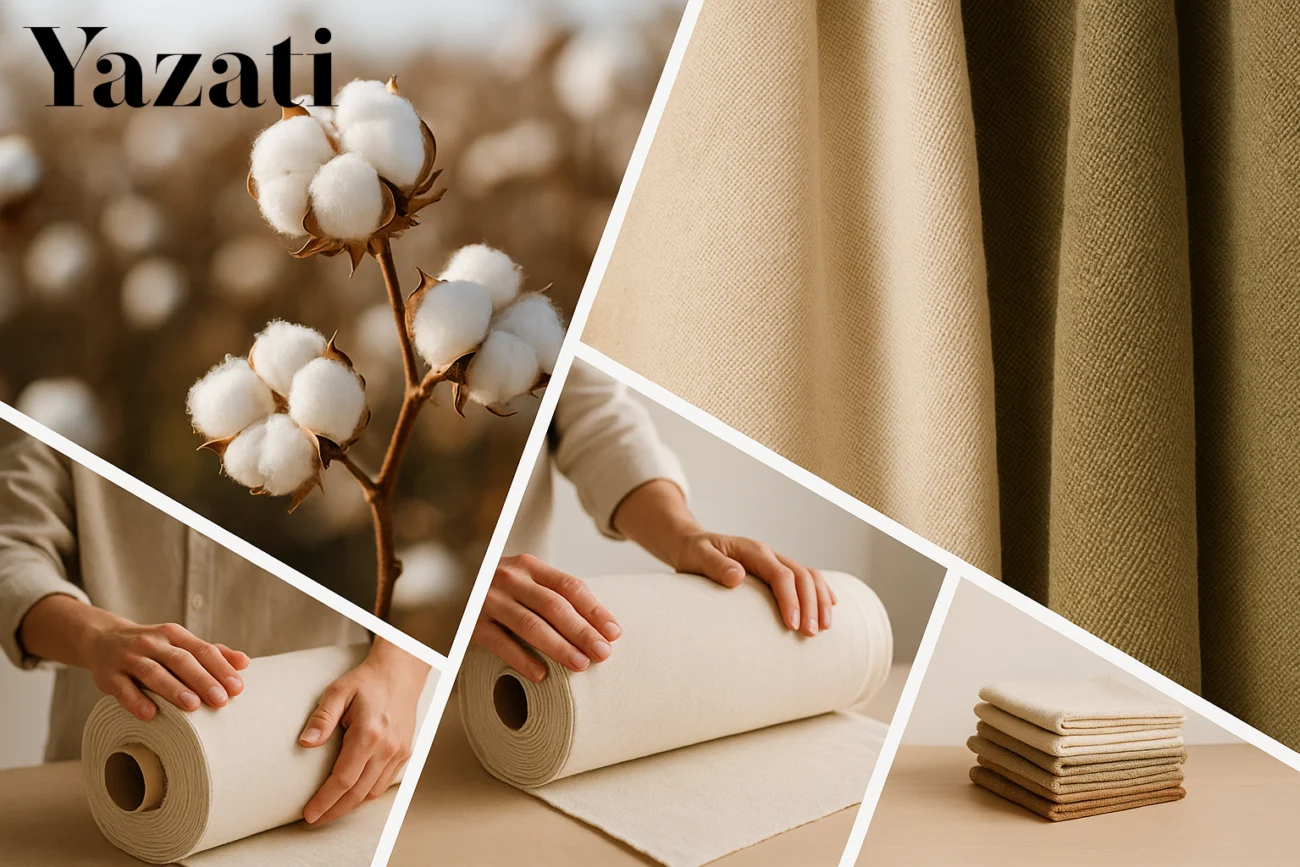
Introduction: The Rise of Eco-Friendly Textiles
Over the past decade, the fashion industry has undergone a remarkable transformation. What was once dominated by mass-produced synthetic materials is now witnessing a global shift toward organic and sustainable fabrics. Consumers, governments, and brands are recognizing the urgent need to minimize environmental damage caused by textile production — a sector responsible for nearly 10% of global carbon emissions.
This paradigm shift isn’t merely a passing trend; it’s a worldwide movement rooted in environmental consciousness, ethical responsibility, and innovation. From organic cotton fields in India to recycled polyester plants in Europe, the fashion world is rethinking every stage of its supply chain.
Let’s explore how this green revolution is reshaping the very fabric of fashion.
Understanding Organic and Sustainable Fabrics
What Are Organic Fabrics?
Organic fabrics are made from materials grown without synthetic pesticides, fertilizers, or genetically modified organisms (GMOs). The most common organic fabrics include organic cotton, linen, hemp, and bamboo. These textiles are cultivated using environmentally friendly farming methods that promote soil health, conserve water, and enhance biodiversity.
What Defines Sustainable Fabrics?
Sustainable fabrics extend beyond organic certification. They encompass all materials produced through processes that reduce environmental impact, improve working conditions, and ensure long-term resource availability. Examples include recycled polyester, Tencel (lyocell), and Econyl — all designed to create a closed-loop production system where waste is minimized and resources are reused.
Key Differences Between Organic and Sustainable Textiles
While both types share eco-conscious principles, the distinction lies in scope. Organic fabrics focus primarily on agriculture and chemical-free production, whereas sustainable fabrics account for the entire lifecycle — from sourcing and dyeing to recycling and disposal.
The Historical Evolution of Sustainable Fashion
Early Textile Production and Its Environmental Impact
For centuries, textile production relied on natural fibers like cotton, silk, and wool. However, the Industrial Revolution introduced chemical dyes, mechanized looms, and mass production — drastically increasing pollution levels and labor exploitation.
The Turning Point: When Sustainability Entered the Fashion Scene
The late 20th century saw environmental movements drawing attention to the dark side of fashion. Reports on toxic dyes, water pollution, and fast fashion waste led to the birth of eco-fashion in the early 2000s. Brands began experimenting with organic fabrics, signaling the start of a greener revolution.
Environmental Impact of Conventional Fabrics
Pollution and Waste from Fast Fashion
Fast fashion thrives on speed and volume, producing billions of garments annually — many worn just a few times before being discarded. Textile dyeing alone accounts for 20% of global water pollution, while polyester, a petroleum-based fabric, emits high levels of greenhouse gases.
Synthetic Fibers and Microplastics: The Hidden Danger
Each wash of a synthetic garment releases microplastics into oceans, harming marine life and entering the food chain. According to a study by the Ellen MacArthur Foundation, nearly 500,000 tons of microfibers are released annually — a crisis sustainable fabrics aim to combat.
The Role of Organic Cotton and Hemp in Sustainable Clothing
Why Organic Cotton Matters
Organic cotton reduces water consumption by up to 91% compared to conventional cotton. It also eliminates toxic pesticides, protecting farmers and ecosystems. Certified by organizations like GOTS (Global Organic Textile Standard), it’s a cornerstone of sustainable fashion.
Hemp: The Eco-Friendly Powerhouse
Hemp is one of the most sustainable crops on Earth — it grows rapidly, enriches soil, and requires minimal water. Known for its durability and natural resistance to pests, hemp fabrics are biodegradable and breathable, making them ideal for eco-conscious apparel.
Innovations Driving the Global Shift Toward Sustainable Fabrics
Technological Advancements in Textile Production
From 3D knitting to waterless dyeing, technology is redefining sustainable manufacturing. Companies are adopting closed-loop systems that recycle waste materials into new fibers, significantly reducing resource consumption.
Bio-Fabrics and Regenerative Materials
Scientists are now creating bio-fabrics derived from algae, pineapple leaves (Piñatex), and even mushrooms (Mylo leather). These regenerative materials not only minimize waste but also open new aesthetic possibilities for designers.
The Rise of Circular Fashion Models
Circular fashion emphasizes reuse, recycling, and regeneration. Leading brands are investing in take-back programs and secondhand platforms, ensuring garments stay in circulation longer.
Consumer Awareness and the Green Fashion Movement
How Conscious Consumers Are Reshaping the Industry
Today’s consumers are more informed than ever. Social media, documentaries, and global campaigns have exposed the environmental cost of fast fashion, leading shoppers to demand ethical, traceable products. This has forced brands to align with sustainable values or risk losing market share.
The Power of Transparency and Ethical Labels
Labels like Fair Trade Certified, OEKO-TEX, and Cradle to Cradle give consumers confidence in their purchases. Transparency reports, showing supply chain data, have become essential in building brand trust.
The Economic Perspective: Costs and Market Trends
The Growing Market for Eco-Friendly Apparel
The sustainable fashion market is projected to surpass $15 billion by 2030, with major brands like H&M, Adidas, and Levi’s launching eco-conscious collections. Governments are also incentivizing sustainable production through carbon credits and waste management laws.
Are Sustainable Fabrics Economically Viable?
While sustainable fabrics often cost more upfront, their durability and quality reduce long-term expenses. Moreover, eco-certification can enhance brand reputation, increasing profitability and consumer loyalty.
Regional Trends: Sustainability Around the World
Europe: Pioneering Eco-Certifications and Green Policies
Europe has long stood at the forefront of the sustainability movement. The European Union’s Green Deal and Textile Strategy 2030 aim to make all clothing sold in Europe durable, repairable, and recyclable. Countries like Sweden, Denmark, and the Netherlands lead by example, promoting textile recycling programs and sustainable brand initiatives.
Brands such as Stella McCartney and People Tree are blazing trails with fully transparent supply chains and zero-waste production models. Additionally, the EU’s Eco-label and REACH regulations ensure that toxic chemicals are phased out from textile manufacturing, creating a cleaner and safer fashion ecosystem.
Asia’s Textile Revolution: From Mass Production to Sustainability
Asia, historically known as the world’s largest textile manufacturing hub, is undergoing a quiet revolution. Nations like India, Bangladesh, and Vietnam are investing heavily in organic cotton cultivation, wastewater recycling, and eco-certification programs.
India’s Textile Exchange initiative promotes organic farming and transparency, while Bangladesh’s Green Garment Factory Movement has made it home to more than 100 LEED-certified sustainable factories — the highest number globally.
Asian innovation doesn’t stop there: Japan’s fabric engineers are creating biodegradable synthetics, and China is piloting closed-loop systems for polyester recycling, showing that sustainability and scale can coexist.
North America’s Shift Toward Ethical Consumption
In the United States and Canada, a surge in consumer awareness has driven demand for ethical and eco-certified apparel. Brands like Patagonia, Eileen Fisher, and Everlane have redefined what transparency and responsibility mean in the modern market.
Patagonia, for instance, famously encourages customers to repair rather than replace garments — a model that challenges the disposable culture of fast fashion. Moreover, new policies such as California’s Garment Worker Protection Act (2021) hold brands accountable for fair labor practices, ensuring social sustainability accompanies environmental progress.
Challenges Facing the Global Adoption of Sustainable Fabrics
Supply Chain Complexity and Cost Barriers
While the movement toward sustainability is inspiring, the transition isn’t without challenges. Sustainable fabrics often require higher production costs, complex certification processes, and supply chain transparency that many brands still lack.
Smaller manufacturers may struggle to access eco-friendly materials or technologies, resulting in limited scalability. Furthermore, fluctuating global cotton prices and transportation emissions can offset some environmental benefits if not managed strategically.
Greenwashing and Consumer Misinformation
Another major challenge is greenwashing — when brands market themselves as “eco-friendly” without genuine sustainability practices. Misleading claims and vague labels erode consumer trust.
Organizations like the Fashion Revolution and watchdogs such as Good On You now evaluate brands for authenticity, pushing the industry toward true accountability and verified sustainability credentials.
The Future of Fashion: Embracing Sustainability
Predicting the Next Decade of Textile Innovation
The next decade will be defined by materials science breakthroughs and data-driven transparency. Expect to see biodegradable synthetics, lab-grown leather, and carbon-negative fibers that not only reduce harm but actively regenerate ecosystems.
Research institutions are experimenting with mycelium-based textiles, seaweed fibers, and biopolymers — innovations that merge style, science, and sustainability in exciting ways. The integration of blockchain tracking systems will further empower consumers to verify the journey of each garment, from farm to hanger.
The Role of AI, Blockchain, and Data in Sustainable Supply Chains
Artificial Intelligence (AI) and blockchain technologies are playing pivotal roles in shaping a more sustainable textile ecosystem. AI-driven analytics can forecast demand more accurately, reducing overproduction and waste. Blockchain, on the other hand, creates immutable digital records that ensure traceability and transparency throughout the supply chain.
For example, companies like TextileGenesis and Provenance use blockchain to map fabric origins, certifying that fibers are truly organic or recycled. This technological synergy builds trust between producers, brands, and eco-conscious consumers.
How Brands Are Leading the Change
Case Study: Patagonia and Sustainable Business Models
Patagonia is the quintessential example of how sustainability and profitability can coexist. Their “Worn Wear” initiative encourages customers to buy used apparel, extending the life of each garment. They’ve also pledged 1% of annual revenue to environmental causes, setting an ethical standard that competitors strive to emulate.
In 2022, Patagonia made headlines when its founder transferred ownership of the company to a trust dedicated to fighting climate change — a move that underscored its unwavering commitment to environmental stewardship.
Luxury Brands Adopting Eco-Friendly Fabrics
Even the luxury sector, once synonymous with exclusivity over ecology, is evolving. Gucci, Burberry, and Prada have introduced eco-conscious collections made with organic cotton, recycled nylon, and plant-based leathers.
Stella McCartney, a pioneer in cruelty-free fashion, has championed materials like Econyl (regenerated nylon) and Mylo (mushroom leather), proving that high-end fashion can thrive without compromising sustainability. This alignment of luxury and ethics is reshaping consumer expectations at every price point.
How Consumers Can Support the Movement
Sustainable Shopping Habits to Adopt Today
Consumers hold immense power in driving the global shift toward organic and sustainable fabrics. Here’s how you can make a difference:
- Choose quality over quantity: Invest in long-lasting pieces made from organic or recycled materials.
- Research before you buy: Check certifications and brand transparency reports.
- Care for your clothes: Washing in cold water, air drying, and repairing damaged garments all extend their lifespan.
- Support local and ethical brands: Smaller sustainable brands often use fair labor and eco-friendly production methods.
Small changes in shopping behavior can collectively drive massive change in industry practices.
Understanding Labels and Certifications
Decoding sustainability certifications can be confusing, but here are key ones to look for:
- GOTS (Global Organic Textile Standard): Ensures organic content and fair labor conditions.
- OEKO-TEX Standard 100: Tests fabrics for harmful substances.
- Fair Trade Certified: Guarantees ethical working conditions and community investment.
- Cradle to Cradle Certified: Measures sustainability across product life cycles.
These certifications act as a guide for conscious consumers seeking to make informed, responsible choices.
Frequently Asked Questions (FAQs)
1. What’s the main difference between organic and sustainable fabrics?
Organic fabrics focus on chemical-free farming, while sustainable fabrics consider the entire lifecycle — from production to disposal — minimizing environmental impact at every stage.
2. Are sustainable fabrics more expensive?
Initially, yes. However, sustainable fabrics tend to last longer and offer better quality, reducing overall cost per wear.
3. How can I tell if a brand is genuinely sustainable?
Look for transparency reports, third-party certifications, and clear supply chain data. Avoid vague terms like “eco-friendly” without proof.
4. What are some innovative sustainable materials to watch for?
Keep an eye on bio-leathers, recycled ocean plastics, Tencel (lyocell), and hemp — all gaining popularity for their low-impact production.
5. Why does fashion contribute so much to pollution?
Fast fashion’s high turnover rates, synthetic fiber use, and water-intensive dyeing processes make it one of the most polluting industries globally.
6. What can governments do to encourage sustainable fabrics?
Governments can promote sustainability through tax incentives, eco-certifications, import regulations, and funding for green textile research.
Conclusion: Toward a More Responsible Fashion Future
The global shift toward organic and sustainable fabrics is not a fleeting fashion statement — it’s a vital transformation redefining how we create, wear, and value clothing. This movement embodies the intersection of innovation, ethics, and environmental consciousness, signaling a hopeful future for fashion.
As technologies evolve, consumer awareness grows, and brands embrace responsibility, we edge closer to a world where fashion contributes not to pollution, but to planetary restoration. Every fabric choice we make tells a story — one of care, respect, and a shared vision for a sustainable tomorrow.
✨ Discover Global Sourcing Excellence with Netyex ✨
Netyex is your trusted B2B sourcing partner, connecting international buyers with India’s finest manufacturers and curated product lines—from handicrafts and home décor to kitchenware, textiles, hospitality essentials, and more. With verified suppliers and end-to-end support, we make global procurement seamless, reliable, and efficient.
👉 Elevate your sourcing experience—explore Netyex today.
📦 Bulk orders & customisation | 🌍 Worldwide delivery | 🤝 Trusted by global buyers
Visit Netyex to source premium Indian products with confidence.