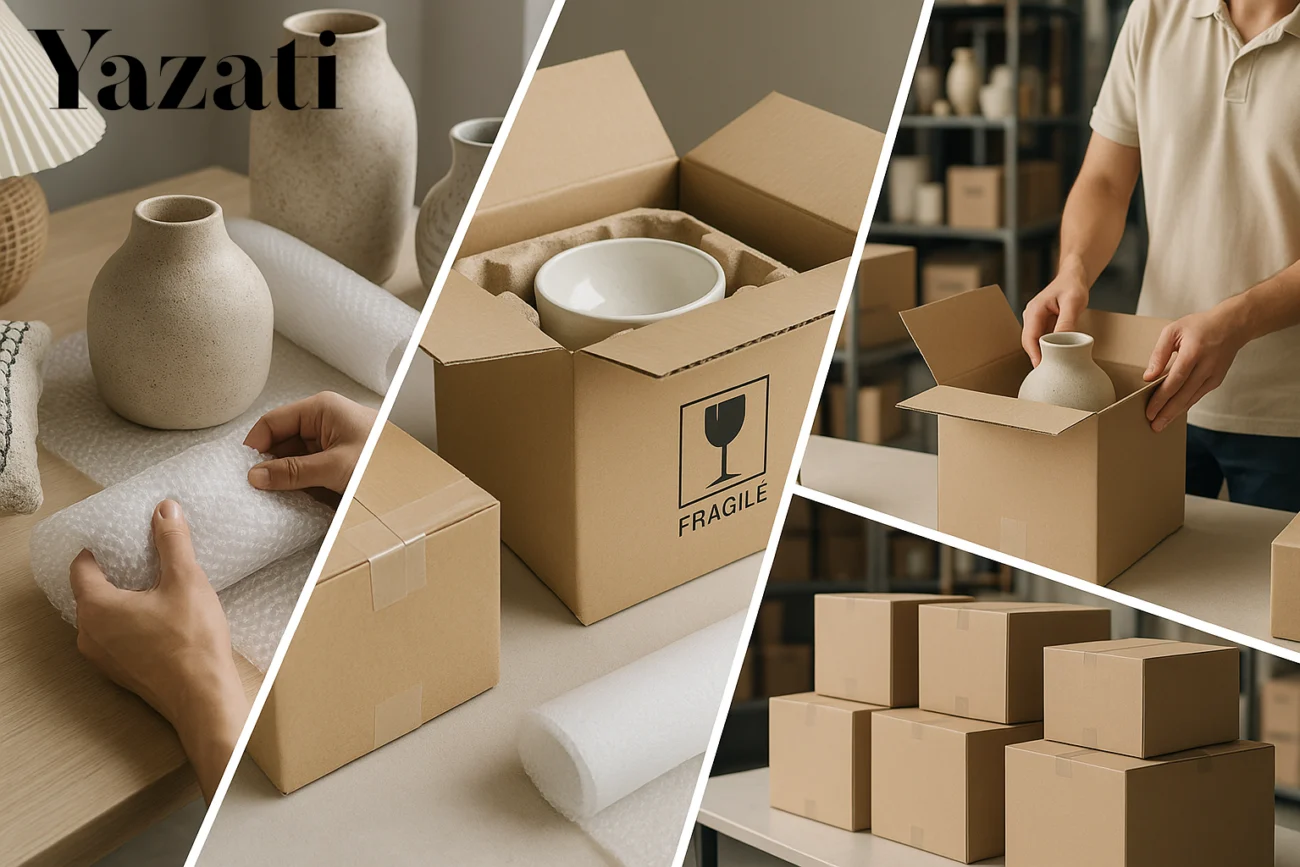
Introduction: Why Packaging Matters in the Home Décor Export Industry
In today’s globalized market, the success of home décor exports depends on far more than just the beauty or craftsmanship of the products themselves. Packaging plays a pivotal role in safeguarding those products during transit, communicating brand value, and shaping customer perceptions. Whether you’re exporting delicate glassware, handwoven textiles, or intricate wooden sculptures, the importance of quality packaging in home décor exports cannot be overstated.
When international buyers receive your products, the first impression they get comes from your packaging—not the item inside. A cracked vase or dented lamp doesn’t just mean product loss; it reflects poorly on your brand and can cost future business. Quality packaging, therefore, is an investment in trust, reputation, and customer loyalty.
Understanding the Role of Packaging in Global Trade
The Evolution of Packaging in Export Markets
Packaging has evolved from a mere protective layer to a multifaceted brand asset. Earlier, exporters focused primarily on durability; now, aesthetic appeal, sustainability, and user experience play equal roles. In the home décor segment—where design and presentation are everything—packaging has become part of the product’s overall value proposition.
Key Challenges in Home Décor Export Packaging
Exporting home décor items poses several challenges:
- Fragility: Items like ceramics, glass, and mirrors require cushioning and impact-resistant materials.
- Varied Sizes & Shapes: Unlike standardized products, décor items come in unpredictable dimensions, making consistent packaging difficult.
- Environmental Exposure: Temperature changes, humidity, and pressure differences during transit can damage delicate finishes.
Quality packaging mitigates these risks while maintaining cost-effectiveness and brand appeal.
The Direct Impact of Quality Packaging on Product Safety
Preventing Damage During Transit
Home décor exports often travel long distances and endure multiple handling stages—factory, freight, customs, and distribution. Using multi-layered protective packaging, such as corrugated boxes, foam inserts, and shock-absorbing fillers, can drastically reduce damage rates.
Climate and Moisture Protection for Delicate Décor Items
Humidity and temperature fluctuations are silent destroyers of décor products. Exporters use laminated coatings, silica gel packets, and vacuum-sealed wraps to maintain product integrity. These packaging strategies not only prevent corrosion or warping but also ensure that products arrive in pristine condition.
Packaging as a Brand Communication Tool
Enhancing Unboxing Experience for International Buyers
In a competitive global market, packaging is your silent salesperson. A thoughtfully designed box with elegant typography, protective wrapping, and a personalized thank-you card creates a memorable unboxing experience—which can translate to repeat orders.
Reflecting Brand Identity Through Design and Materials
The color scheme, logo placement, and texture of your packaging communicate your brand values. For instance, a luxury décor brand might opt for matte black boxes with gold foiling, while an eco-conscious exporter may prefer kraft paper and jute strings.
Building Perceived Value through Premium Packaging
Even before touching the product, customers assess its worth through packaging. Premium-quality packaging materials—like rigid boxes, embossed logos, or custom inserts—enhance perceived value and set your brand apart.
Sustainable Packaging: The New Norm in Home Décor Exports
Eco-Friendly Materials and Consumer Preferences
As global awareness about sustainability grows, buyers increasingly favor brands that use biodegradable, recyclable, or reusable packaging. Using materials like corrugated cardboard, bamboo pulp, or plant-based inks signals environmental responsibility—an essential selling point for modern consumers.
Balancing Sustainability and Cost Efficiency
While eco-packaging may appear costly upfront, it offers long-term benefits by enhancing brand reputation and meeting international compliance standards. Exporters who invest in sustainable packaging often find it easier to enter eco-conscious markets like the EU or Scandinavia.
Compliance and Regulatory Aspects of Export Packaging
International Shipping Standards and Labeling Requirements
Every export shipment must meet the International Safe Transit Association (ISTA) standards, including shock, vibration, and drop tests. Moreover, clear labeling—such as “Fragile,” “Handle with Care,” and country-of-origin tags—ensures safe handling and customs clearance.
Customs, Handling, and Inspection Protocols
Non-compliant packaging can delay customs processing and increase the risk of product rejection. Exporters must ensure their packaging adheres to both exporter and importer country regulations, including labeling language, safety symbols, and environmental compliance marks.
Cost Implications of Poor vs. Quality Packaging
Loss Prevention and Customer Retention
Replacing damaged goods is expensive—not just in monetary terms but also in brand credibility. A single damaged shipment can lose a client forever. High-quality packaging reduces claims, returns, and refunds, directly influencing customer retention rates.
Long-Term ROI of Investing in Premium Packaging
When viewed strategically, quality packaging delivers a strong return on investment (ROI) through improved buyer satisfaction, fewer damages, and repeat orders. It’s not an expense; it’s an asset that drives sustainable export growth.
Smart Packaging Innovations in Home Décor Exports
RFID Tags and QR Codes for Tracking
Modern exporters are integrating RFID chips and QR codes into packaging to provide real-time tracking, authenticity verification, and product information access. This level of transparency builds trust among global clients.
Technology Integration for Packaging Optimization
Artificial intelligence (AI) and IoT tools can analyze shipping data to optimize packaging size, materials, and cushioning efficiency—reducing both waste and cost.
Case Studies: Successful Brands Leveraging Quality Packaging
Example 1: Indian Handicraft Exporters
Indian handicraft exporters like FabIndia and Jaypore have successfully used eco-conscious packaging to protect fragile handmade décor while appealing to sustainability-driven global consumers.
Example 2: European Sustainable Décor Brands
Brands like IKEA and Ferm Living use recycled paper, flat-pack concepts, and modular packaging systems that minimize shipping volume and carbon footprint—proving that sustainability can coexist with luxury.
Best Practices for Export-Ready Home Décor Packaging
Design, Material, and Cushioning Strategies
Use double-corrugated cartons, bubble wraps, and corner protectors for breakables. Include visual indicators like tilt sensors or shock detectors to monitor mishandling during transport.
Testing, Certifications, and Quality Checks
Perform drop tests, vibration simulations, and compression tests before shipping. Obtaining certifications such as ISO 9001 or ISTA ensures credibility in international markets.
Common Packaging Mistakes to Avoid in Home Décor Exports
Overlooking Fragility and Handling Needs
Treating fragile items like standard goods leads to frequent breakages. Always match packaging materials with the fragility level of the item.
Ignoring Aesthetic Consistency Across Product Lines
Disjointed packaging designs weaken brand recognition. Maintain a cohesive design language across all product ranges.
FAQs: Addressing Common Questions About Home Décor Export Packaging
1. Why is packaging so critical for home décor exports?
Because it protects fragile items during shipping, enhances brand image, and ensures customer satisfaction.
2. What materials are best for eco-friendly packaging?
Recycled cardboard, kraft paper, molded pulp, and biodegradable fillers are ideal.
3. How can exporters reduce packaging costs without compromising quality?
By optimizing box dimensions, using recyclable fillers, and investing in automation for consistency.
4. Are there any specific regulations for export packaging?
Yes. Standards like ISTA and labeling rules vary by country; compliance ensures smooth customs clearance.
5. What technologies can improve packaging efficiency?
AI-driven packaging design, RFID tracking, and IoT-based monitoring systems are game-changers.
6. How does packaging influence brand loyalty?
Premium and consistent packaging builds trust, evokes professionalism, and strengthens emotional connection with buyers.
Conclusion: The Future of Quality Packaging in Global Home Décor Trade
The importance of quality packaging in home décor exports extends far beyond protection—it’s a powerful tool for brand storytelling, customer satisfaction, and sustainability. As international competition grows fiercer, exporters who embrace smart, eco-conscious, and aesthetically aligned packaging will stand out.
Quality packaging isn’t just a wrapper—it’s a promise of excellence, ensuring that your craftsmanship reaches global customers in perfect condition while reflecting the soul of your brand.
✨ Discover Global Sourcing Excellence with Netyex ✨
Netyex is your trusted B2B sourcing partner, connecting international buyers with India’s finest manufacturers and curated product lines—from handicrafts and home décor to kitchenware, textiles, hospitality essentials, and more. With verified suppliers and end-to-end support, we make global procurement seamless, reliable, and efficient.
👉 Elevate your sourcing experience—explore Netyex today.
📦 Bulk orders & customisation | 🌍 Worldwide delivery | 🤝 Trusted by global buyers
Visit Netyex to source premium Indian products with confidence.