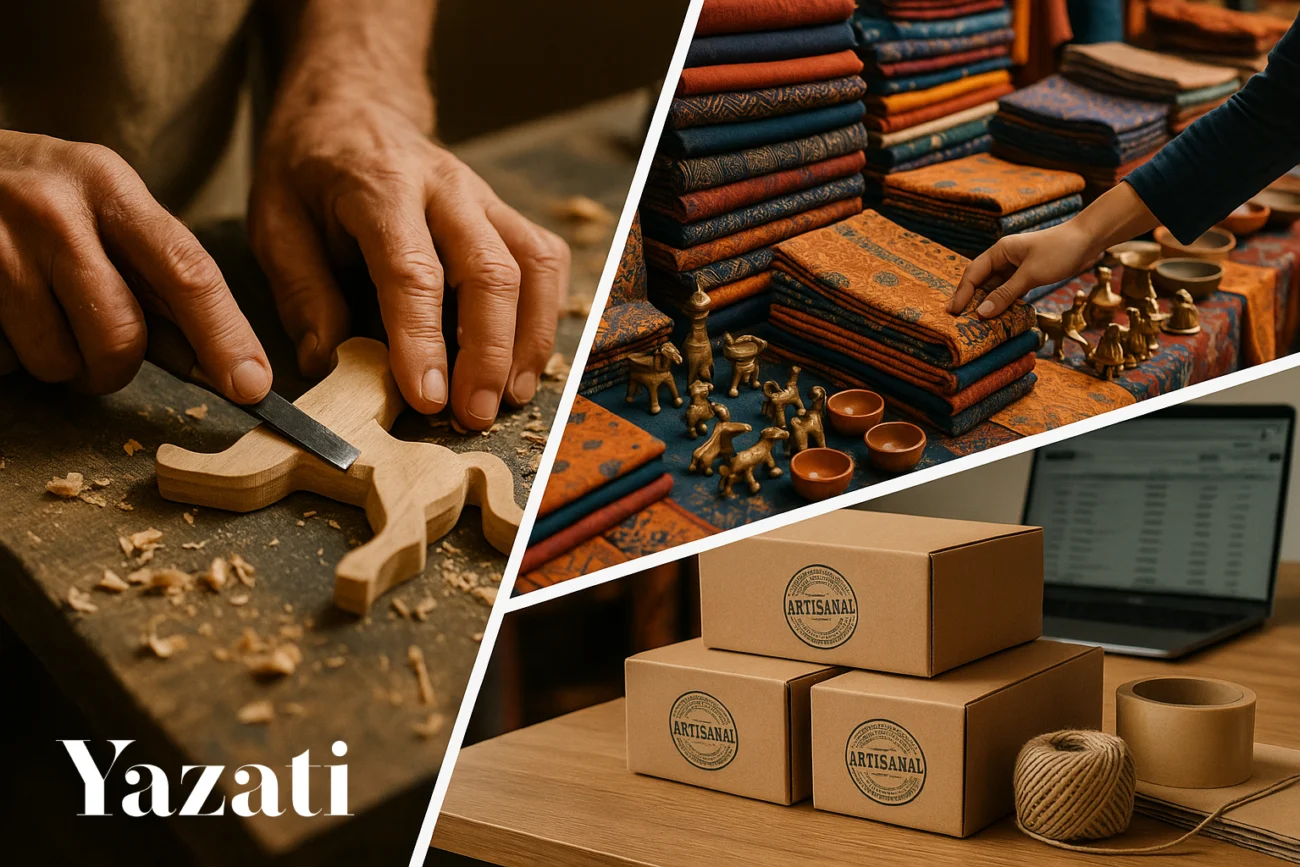
India’s handicrafts are more than just art—they’re stories woven into fabric, painted onto clay, and carved into wood. For global buyers, these handmade wonders represent authenticity, sustainability, and heritage that’s impossible to replicate through machines. From delicate Kashmiri embroidery to vibrant Rajasthani pottery, every piece speaks of centuries-old traditions and unmatched artistry.
Let’s explore why Indian handicrafts have captured the hearts of international buyers and how this timeless craft continues to shape global culture and trade.
Understanding the Legacy of Indian Handicrafts
The Cultural Roots of Craftsmanship
India’s craft heritage dates back thousands of years, reflecting the spirit of its diverse regions and communities. Each craft is rooted in mythology, daily rituals, and ancestral knowledge passed down generations. From Madhubani paintings in Bihar to Kanchipuram silk in Tamil Nadu, these creations embody the essence of India’s soul.
Traditional crafts often carry spiritual symbolism—colors, patterns, and motifs have meanings linked to prosperity, fertility, and protection. What fascinates global buyers is this depth of cultural storytelling, visible in every handwoven rug or intricately carved idol.
Regional Diversity and Specializations
India’s artistic geography is as diverse as its people.
- Rajasthan: Famous for blue pottery, block printing, and miniature paintings.
- Gujarat: Known for mirror work, bandhani textiles, and tribal jewelry.
- Kashmir: Renowned for pashmina shawls and papier-mâché artifacts.
- Tamil Nadu: Celebrated for bronze casting and temple jewelry.
- Northeast India: Praised for bamboo crafts and organic weaving.
This regional richness makes India a global one-stop destination for buyers seeking variety and cultural authenticity.
The Global Appeal of Indian Handicrafts
The Allure of Authenticity and Sustainability
Modern consumers crave products with purpose. Indian handicrafts, made from eco-friendly materials like clay, jute, and natural dyes, align perfectly with today’s sustainable lifestyle. For global buyers, authenticity isn’t just a trend—it’s a statement.
Handcrafted goods not only support sustainable living but also reduce industrial waste, making them attractive for eco-conscious brands worldwide.
The Emotional Value of Handmade Products
Every handmade product carries a story. The imperfections in a hand-painted vase or the asymmetry in a woven basket aren’t flaws—they’re signs of human touch. Buyers often describe these artifacts as emotionally resonant, reminding them of connection, culture, and care.
Indian Handicrafts in the International Market
India exports handicrafts worth billions annually, with major buyers in the U.S., U.K., France, Germany, and the UAE. The demand continues to grow, particularly in the categories of home décor, textiles, and jewelry.
Emerging Market Trends
The rise of e-commerce platforms such as Etsy, Amazon Handmade, and IndiaMART has democratized access to Indian artisans. Ethical consumerism, driven by transparency and fair-trade movements, is redefining global trade relationships.
Challenges Faced by Global Buyers
Quality Assurance and Standardization
One of the major hurdles for international buyers is maintaining consistency. Since each piece is handmade, variations in size, color, or design can occur. While this uniqueness is part of the charm, it can challenge large-scale imports.
Logistics, Shipping, and Customs Issues
Importing from India involves navigating customs duties, documentation, and transit delays. However, improved digital logistics and third-party quality audits have begun simplifying this process for global importers.
Empowering Indian Artisans through Global Trade
Global demand for handicrafts directly transforms artisan communities. Buyers who prioritize fair trade ensure artisans receive fair wages, skill training, and sustainable livelihoods.
Role of Fair Trade and Social Enterprises
Organizations like Dastkar and FabIndia have redefined ethical sourcing. These enterprises connect global buyers with verified artisan groups, ensuring transparency and social impact.
Women Artisans and Rural Empowerment
Nearly 60% of India’s handicraft workforce comprises women. By connecting with global buyers, they gain financial independence, leadership roles, and recognition—reshaping rural economies.
Modern Innovations in Indian Handicrafts
Fusion Craft and Contemporary Adaptations
Indian artisans are now blending tradition with modern aesthetics. Designers collaborate to create fusion crafts—handwoven fabrics styled into modern silhouettes or tribal patterns reimagined in luxury interiors.
Digital Platforms and E-commerce Growth
From social media marketing to AR-based product previews, Indian craftsmen are going digital. This new wave of visibility has led to a surge in cross-border sales, helping artisans reach global buyers directly.
How Global Buyers Can Build Ethical Partnerships
Verifying Authentic Artisans and Cooperatives
Buyers should source directly from verified cooperatives, government bodies like EPCH (Export Promotion Council for Handicrafts), or registered fair-trade organizations. Authentic partnerships ensure fair pricing and genuine craftsmanship.
Building Long-Term Relationships
Trust-based relationships between buyers and artisans encourage quality control, timely delivery, and creative collaboration—creating a win-win for both.
Success Stories of Global Collaboration
Case Study: Indian Handloom in Luxury Fashion
Top global designers like Ritu Kumar and Sabyasachi Mukherjee have brought Indian textiles to Paris and Milan. Handlooms like Banarasi silk now feature in couture collections worldwide.
Export Success of Handcrafted Jewelry and Home Décor
Indian gemstone artisans and home décor creators are making waves globally. Their designs combine heritage with functionality, appealing to modern minimalist tastes.
The Future of Indian Handicrafts in the Global Market
The future shines bright. As consumers demand authenticity, India’s artisan economy is poised for expansion.
Emerging technologies like AI and blockchain are enhancing traceability, ensuring buyers can verify origin, materials, and ethical sourcing instantly.
Frequently Asked Questions (FAQs)
1. Why are Indian handicrafts popular among global buyers?
Because they combine artistry, authenticity, and sustainability—each product tells a story of culture and craftsmanship.
2. What are the top Indian handicraft export categories?
Textiles, jewelry, pottery, leather goods, and home décor items dominate exports.
3. How can international buyers verify artisan authenticity?
Buy from certified fair-trade organizations or platforms like EPCH and Craftmark India.
4. Are Indian handicrafts eco-friendly?
Yes. Most crafts use natural, biodegradable materials, making them sustainable and environmentally safe.
5. Which countries import the most Indian handicrafts?
The U.S., U.K., France, Germany, UAE, and Japan are top importers.
6. How does purchasing Indian handicrafts support local communities?
Every purchase directly uplifts artisans by providing fair income, preserving traditional skills, and promoting cultural continuity.
Conclusion: Celebrating India’s Artistic Soul
Indian handicrafts are not just products—they’re cultural bridges connecting artisans and admirers across continents. Through responsible trade and creative collaboration, global buyers can help preserve this ancient legacy while fueling innovation and empowerment.
The magic of Indian handicrafts lies in their ability to unite tradition with the modern world—one handmade masterpiece at a time.
External Resource: Export Promotion Council for Handicrafts (EPCH India)
✨ Discover Timeless Elegance with Yazati ✨
At Yazati, we bring you a world of handcrafted luxury—from exquisite brass, copper, and wooden decor to artisanal kitchenware, elegant rugs, and premium hospitality essentials. Whether you’re an interior designer, wellness enthusiast, or retail buyer, our curated collections are crafted to inspire and impress.
👉 Elevate your space or gift with grace—explore Yazati today.
📦 Bulk customization available | 🌍 Worldwide shipping | 🛍️ B2B & B2C Friendly