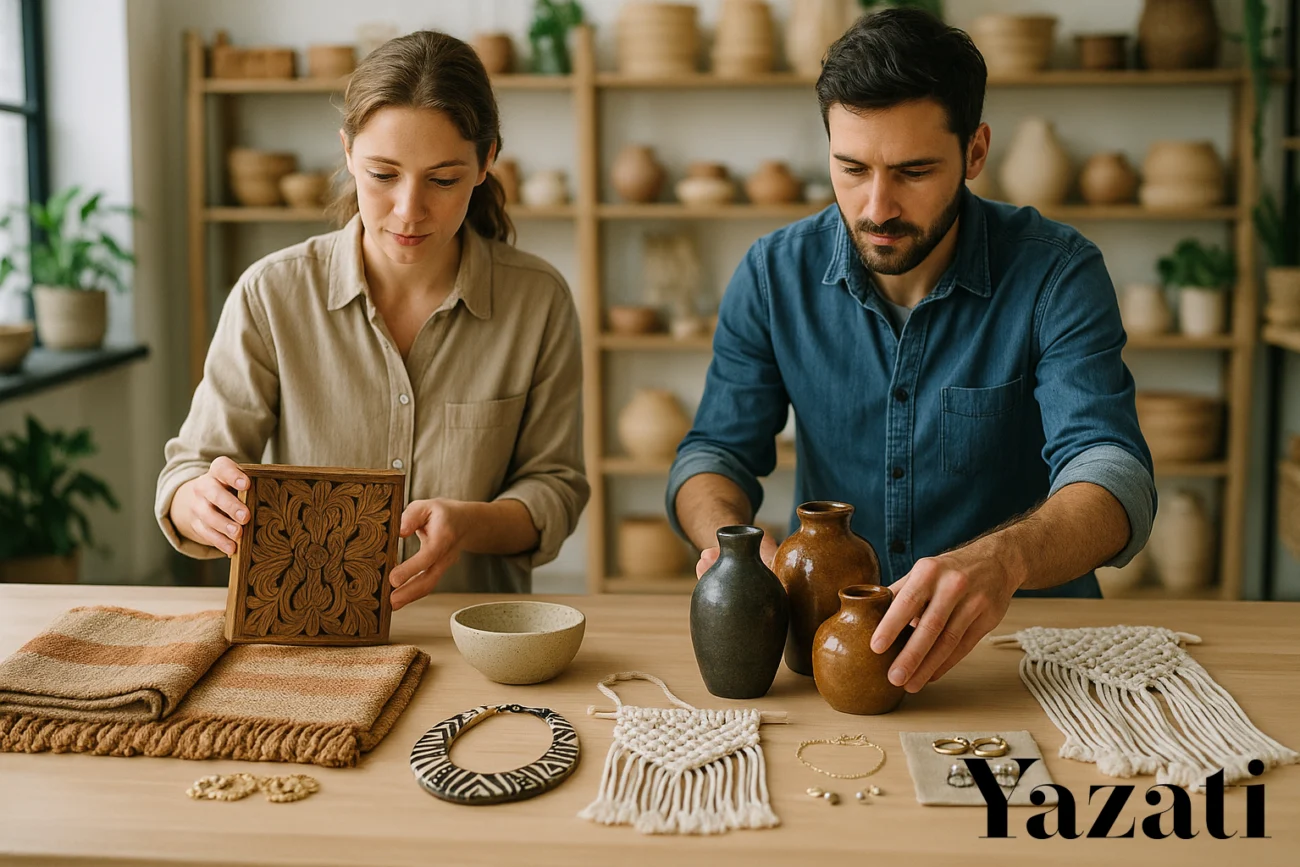
Introduction to Global Handicraft Market
The handicraft industry, often considered the soul of cultural heritage, has evolved into a billion-dollar global business. As sustainability and authenticity gain importance among international buyers, handcrafted products are experiencing unprecedented demand. From handmade jewelry to eco-friendly décor, artisans worldwide are turning creativity into profit.
The global handicraft market is projected to surpass $1.5 trillion by 2030, growing at a steady pace due to rising consumer appreciation for unique, sustainable goods. This article explores The Most Profitable Handicraft Niches for International Buyers, offering practical insights, examples, and market opportunities for exporters and artisans.
The Rise of Handcrafted Goods in the Global Economy
Over the last decade, mass-produced items have lost some of their appeal. Modern consumers—especially in markets like the U.S., Europe, and Japan—are shifting toward artisan-made, ethically sourced goods. This transition has unlocked massive opportunities for micro-entrepreneurs and small-scale producers.
Crafted goods not only preserve traditions but also tell stories. Buyers increasingly pay premium prices for items that blend artistry with sustainability.
Why Handicrafts Are Becoming a Profitable Export Segment
Several factors make handicrafts a profitable export business:
- Low Production Cost: Many artisans use locally sourced materials, keeping manufacturing affordable.
- High Retail Value: International buyers often pay 3–5x the local price.
- Sustainability Appeal: Eco-conscious buyers prefer handmade over industrial products.
- Digital Access: Platforms like Etsy, Amazon Handmade, and Faire allow direct-to-consumer global sales.
This combination of emotional connection and market demand makes the handicraft industry one of the most lucrative export sectors for small businesses.
Understanding the Demand of International Buyers
Key Markets Buying Handmade Products
International markets such as the U.S., U.K., Canada, Germany, Japan, and Australia dominate handicraft imports. Each region has specific preferences — for example:
- Americans love boho-style jewelry and home décor.
- Europeans prefer eco-friendly and minimalistic designs.
- Japanese consumers seek precision-crafted, culturally inspired goods.
What International Buyers Look for in Craftsmanship
Buyers focus on:
- Authenticity: Unique cultural representation.
- Durability: Strong materials and lasting craftsmanship.
- Eco-Value: Ethical sourcing and biodegradable packaging.
- Brand Story: The artisan’s personal journey adds emotional value.
The Most Profitable Handicraft Niches for International Buyers
1. Sustainable & Eco-Friendly Crafts
Eco-conscious living is reshaping global markets. Products like bamboo straws, recycled-paper art, jute bags, and coconut shell décor are trending. These items appeal to environmentally aware consumers willing to pay extra for sustainability.
2. Handmade Jewelry and Accessories
Jewelry consistently ranks among the most profitable handicraft exports. Items made from semi-precious stones, silver, beads, and macramé are highly sought after. Handmade necklaces, anklets, and bracelets with ethnic or boho flair thrive on platforms like Etsy and eBay.
3. Traditional Textile and Embroidery
From Indian block prints to Mexican Otomi embroidery, traditional textiles blend heritage and fashion. Niche markets for custom fabrics and handwoven scarves are booming internationally.
4. Home Décor and Interior Handicrafts
Home décor items like wall hangings, lamps, and ceramic planters command high profits. The interior design market increasingly leans toward handmade décor pieces that add warmth and personality.
5. Ceramics, Pottery & Clay Art
Functional yet artistic, handmade pottery appeals to design-conscious buyers. Japanese-style ceramics and terracotta planters are leading the trend.
6. Wooden Artifacts and Furniture
Wood-based crafts such as carved statues, mini furniture, and cutting boards remain timeless favorites—especially in Europe and the U.S.
7. Handwoven Baskets and Natural Fiber Products
Rattan, cane, and seagrass products are in high demand for eco-luxury interiors. These crafts are lightweight, durable, and sustainable.
8. Leather Handicrafts and Artisan Bags
Hand-stitched wallets, belts, and artisan bags made from ethically sourced leather are premium exports. They blend craftsmanship with functionality.
9. Cultural and Tribal Art Forms
African masks, Aboriginal paintings, and Indian tribal art are prized by collectors and cultural enthusiasts worldwide.
Pricing Strategy and Profit Margins in Handicrafts
To succeed, artisans must set smart pricing. For exports:
- Calculate cost + profit margin + shipping + platform fees.
- Maintain 50–70% gross margin for online retail.
- Offer limited-edition collections for exclusivity.
How to Reach International Buyers Effectively
The success of your handicraft business depends not only on creativity but also on how efficiently you reach your target audience. Global exposure requires a blend of digital marketing, trade networking, and storytelling.
Using Online Marketplaces like Etsy, Amazon Handmade, and Faire
Online marketplaces have revolutionized how artisans sell their products. Platforms like Etsy, Amazon Handmade, Faire, and eBay allow small-scale sellers to access millions of global buyers instantly.
To maximize results:
- Use high-quality product photos and keyword-rich descriptions.
- Offer customization options (buyers love personalized touches).
- Optimize for search terms like “eco-friendly handmade jewelry” or “handwoven home décor.”
- Provide detailed shipping and return policies to build trust.
Participating in Global Trade Fairs and Exhibitions
Trade fairs such as Ambiente (Germany), Maison & Objet (France), and India Handicraft & Gift Fair (IHGF Delhi) bring together thousands of global buyers and wholesalers.
Exhibiting at these events not only helps artisans network but also understand current design trends and buyer preferences.
Leveraging Social Media and Influencer Collaborations
Platforms like Instagram, Pinterest, and TikTok have become visual marketplaces.
- Share behind-the-scenes videos of crafting processes.
- Partner with influencers who promote handmade and sustainable living.
- Use hashtags like #HandmadeWithLove and #SustainableCrafts for visibility.
Social media storytelling builds emotional connection — a key element that drives repeat purchases and brand loyalty.
Quality Assurance and Packaging for Export
When selling internationally, quality and presentation define your reputation. A single subpar shipment can cost you valuable buyers.
Maintaining Consistent Quality Standards
- Create a quality checklist for each product batch.
- Use standardized measurements and durable materials.
- Offer certifications (e.g., Fair Trade or Eco-label) when possible.
High-quality control ensures repeat orders and positive online reviews — the modern word-of-mouth.
Eco-friendly and Attractive Packaging Ideas
Sustainable packaging adds tremendous value in international markets.
Consider:
- Recycled cardboard boxes, biodegradable wraps, or cotton drawstring bags.
- Add thank-you cards or handwritten notes for a personal touch.
- Use branding stickers to enhance unboxing experience.
Eco-packaging not only supports your brand’s sustainability message but also appeals to environmentally conscious buyers.
Building a Global Brand for Your Handicraft Business
Creating a global handicraft brand goes beyond selling — it’s about telling a story that connects emotionally with people around the world.
Storytelling and Authentic Branding
Every artisan has a story — a heritage, a vision, or a cultural tradition. Use it to your advantage:
- Showcase your crafting process and origin story on your website or product tags.
- Align your narrative with values like sustainability, authenticity, or cultural preservation.
Example: A brand that promotes “woven heritage from the Himalayas” instantly conveys authenticity and pride.
How to Build Trust with Global Customers
Building trust takes time and consistency:
- Offer secure payment options (PayPal, Stripe).
- Maintain fast and transparent communication with buyers.
- Gather testimonials and product reviews to increase credibility.
- Offer clear return/refund policies.
When buyers trust your craftsmanship and service, they’ll become long-term ambassadors of your brand.
Challenges in Exporting Handicrafts and How to Overcome Them
While the opportunities are enormous, exporting handicrafts comes with certain challenges.
Shipping, Taxes, and Compliance Issues
- High shipping costs can eat into profits. Use bulk shipping or collaborate with global logistics partners for better rates.
- Understand import-export duties and HS codes for your products.
- Follow international compliance laws — especially those regarding wood, leather, and animal-based materials.
Scaling Handmade Production Without Losing Quality
As demand grows, maintaining product quality can become difficult.
- Train local artisans or apprentices under your guidance.
- Invest in semi-automated processes for non-artistic tasks.
- Use a “made-to-order” model to manage inventory and reduce waste.
The key is balancing growth with authenticity.
Case Studies: Successful Handicraft Brands in the Global Market
Case Study 1: Indian Textile Exports
India’s rich textile traditions, like Kalamkari, Kantha, and Ikat, are now fashion staples in global markets.
Brands like FabIndia and Okhai have successfully combined tradition with modern aesthetics, reaching international buyers through e-commerce and storytelling.
Case Study 2: African Woodcraft Entrepreneurs
In Africa, local artisans have transformed woodcraft into a thriving export business.
Startups in Kenya and Ghana export sustainably sourced wooden bowls, sculptures, and furniture to Europe and the U.S., blending craftsmanship with fair trade values.
These examples show that small-scale artisans can achieve global success with innovation, authenticity, and strategic branding.
Future Trends in Global Handicraft Trade
Rise of Ethical Consumerism
Buyers are increasingly aligning their purchases with their values. The demand for handmade, fair-trade, and zero-waste products continues to soar. This movement benefits artisans who produce responsibly and tell genuine stories.
Integration of Digital Tools and 3D Printing in Crafting
Digital innovation is reshaping traditional craft industries. Some artisans now use 3D printing to create molds, prototypes, and intricate designs, blending technology with tradition. This approach reduces waste while expanding creative possibilities.
Personalized and Limited-Edition Crafts
Buyers love exclusivity. Offering limited-edition pieces or custom designs boosts both appeal and profitability. Artisans who personalize their creations enjoy stronger customer relationships and premium pricing power.
FAQs about The Most Profitable Handicraft Niches for International Buyers
1. Which handicraft niche is the most profitable for export?
Handmade jewelry, eco-friendly home décor, and traditional textiles are among the most profitable niches for international markets.
2. How can artisans find buyers overseas?
Use online platforms like Etsy, Amazon Handmade, and Faire, or attend international trade fairs and craft exhibitions.
3. Do I need a license to export handicrafts?
Yes. Most countries require an export license and product classification codes (HS codes) for customs clearance.
4. How can I set competitive prices for my handmade products?
Include raw material costs, labor, platform fees, shipping, and desired profit margin. Also, analyze competitor pricing in global markets.
5. What are some current trends in handicrafts?
Sustainable materials, cultural authenticity, minimalist designs, and personalized crafts are dominating 2026 trends.
6. Is it possible to scale a handmade business without losing its authenticity?
Yes. Focus on training, maintain quality control, and communicate the story behind each product to preserve the brand’s personal touch.
Conclusion: Turning Creativity into Global Profit
The global handicraft market offers limitless opportunities for artisans and small businesses. By identifying The Most Profitable Handicraft Niches for International Buyers, maintaining high quality, and embracing digital tools, you can transform your local craft into a global brand.
The world is seeking authenticity, creativity, and sustainability — and handicrafts embody all three. Whether you’re crafting jewelry in Jaipur, weaving baskets in Kenya, or creating pottery in Mexico, remember this: every handmade product carries a story that’s waiting to be shared with the world.
Start today — your creativity deserves a global audience. 🌍
✨ Discover Global Sourcing Excellence with Netyex ✨
Netyex is your trusted B2B sourcing partner, connecting international buyers with India’s finest manufacturers and curated product lines—from handicrafts and home décor to kitchenware, textiles, hospitality essentials, and more. With verified suppliers and end-to-end support, we make global procurement seamless, reliable, and efficient.
👉 Elevate your sourcing experience—explore Netyex today.
📦 Bulk orders & customisation | 🌍 Worldwide delivery | 🤝 Trusted by global buyers
Visit Netyex to source premium Indian products with confidence.