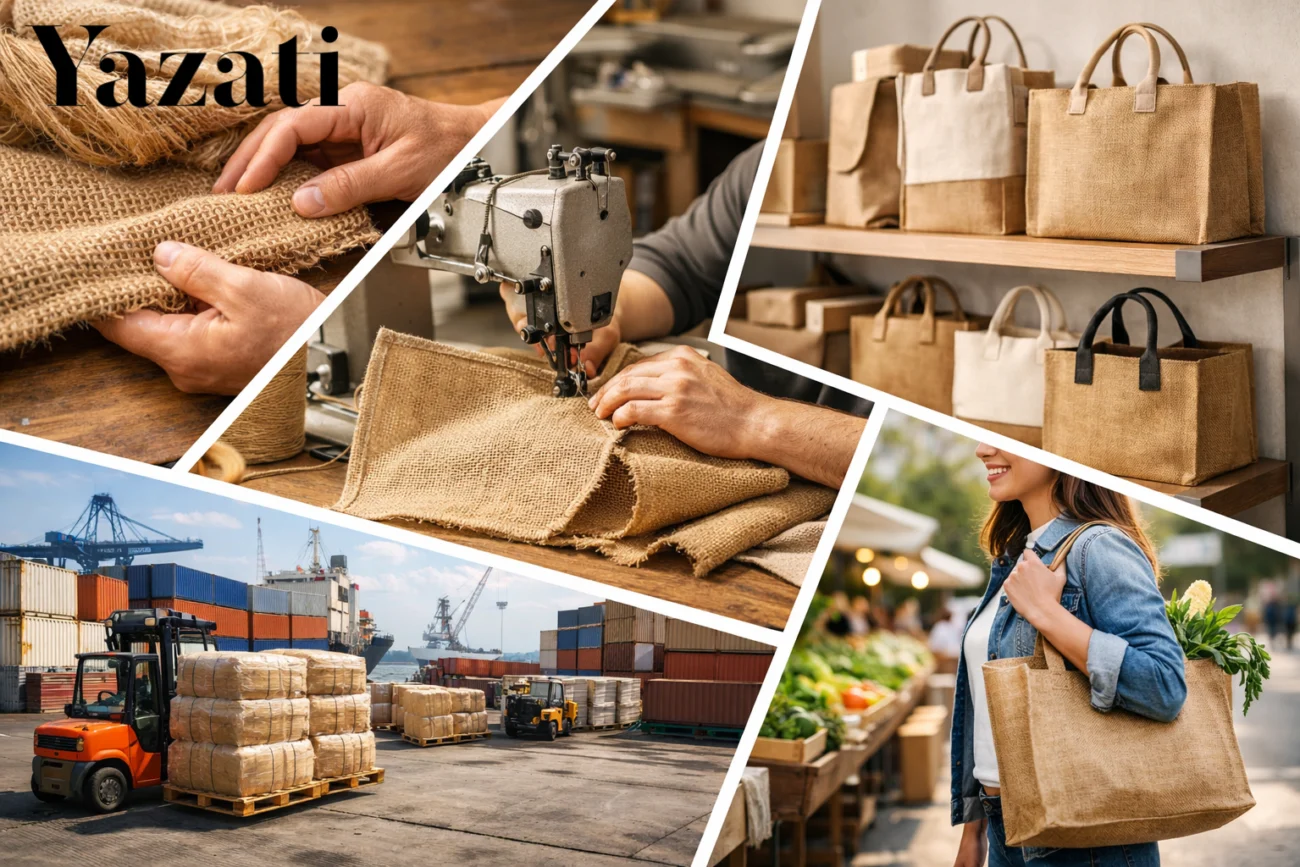
Introduction: Why Sustainable Packaging Is Taking Over
The global packaging industry is undergoing a dramatic transformation. Businesses, governments, and consumers are shifting away from plastic toward eco-friendly alternatives. One product category that has gained massive popularity is eco and jute bags. These bags are biodegradable, durable, reusable, and environmentally responsible.
In recent years, The Rise of Eco & Jute Bags: A Win for Importers has become more than just a trend—it has become a global movement. Countries across Europe, North America, and Asia are implementing strict regulations against single-use plastic bags. Retailers and businesses are now searching for sustainable packaging options that align with both regulations and customer expectations.
For importers, this shift represents a golden opportunity. Jute bags are relatively inexpensive to produce in countries such as India and Bangladesh, yet they sell at premium prices in international markets. With the growing awareness of sustainability and eco-conscious living, the demand for eco bags continues to surge.
Importers who recognize this opportunity early can benefit from expanding global markets, strong profit margins, and long-term partnerships with eco-friendly brands. This article explores the reasons behind the rise of eco and jute bags and why this trend is a significant win for importers worldwide.
Understanding Eco Bags and Jute Bags
Before diving into the market opportunities, it is important to understand what eco bags and jute bags are.
What Are Eco Bags?
Eco bags are reusable bags made from environmentally friendly materials. These materials include:
- Cotton
- Canvas
- Recycled fabrics
- Jute
- Hemp
- Biodegradable polymers
Eco bags are designed to replace single-use plastic bags. They are durable, washable, and reusable for months or even years.
What Makes Jute Bags Special
Jute bags are made from natural jute fiber, which is extracted from the jute plant. This plant grows primarily in South Asia and is one of the most sustainable natural fibers in the world.
Key characteristics of jute bags include:
- 100% biodegradable
- Strong and durable
- Reusable for long periods
- Low carbon footprint
- Affordable production cost
Because of these features, jute bags have become one of the most popular eco-friendly packaging solutions globally.
The Rise of Eco & Jute Bags: A Win for Importers
The growing demand for eco-friendly products has significantly increased the popularity of jute bags. Importers are now benefiting from this global shift toward sustainable packaging.
Increasing Global Demand
Many countries have banned or restricted plastic bags. For example:
- Retailers now require reusable shopping bags.
- Supermarkets offer eco bags instead of plastic.
- Fashion brands use reusable bags for packaging.
This shift creates a massive demand for eco bags.
High Profit Margins
Importers can source jute bags at relatively low manufacturing costs. After shipping and distribution, these bags can be sold at much higher retail prices.
Typical profit drivers include:
- Custom branding
- Bulk orders
- Corporate gifting markets
- Retail packaging
Long-Term Business Opportunity
Unlike temporary trends, sustainability is a long-term global movement. Governments, companies, and consumers are committed to reducing plastic waste.
This means the demand for eco bags will likely continue to grow for decades.
Environmental Benefits of Jute Bags
One of the primary reasons behind the popularity of jute bags is their positive impact on the environment.
Biodegradable Material
Unlike plastic bags that take hundreds of years to decompose, jute bags break down naturally within months.
Reduced Plastic Pollution
Plastic pollution has become a major global environmental problem. Jute bags help reduce plastic waste in oceans, rivers, and landfills.
Low Carbon Footprint
Jute plants absorb carbon dioxide while growing. This makes jute production more environmentally friendly than synthetic materials.
Renewable Resource
Jute plants grow quickly and require minimal fertilizers and pesticides. This makes them a sustainable agricultural product.
Why Consumers Prefer Eco-Friendly Bags
Consumer behavior plays a major role in the rise of eco bags.
Growing Environmental Awareness
People today are more aware of climate change and environmental issues. Many consumers actively seek eco-friendly alternatives.
Reusable Convenience
Eco bags are stronger than plastic bags and can carry heavier items. This makes them more practical for everyday use.
Stylish and Customizable
Jute bags are no longer just basic shopping bags. They now come in stylish designs, colors, and printed logos.
Many brands use custom-designed eco bags as part of their branding strategy.
Global Market Opportunities for Importers
The international market for eco bags is expanding rapidly.
Retail Sector
Supermarkets, clothing stores, and grocery chains increasingly use reusable bags.
Corporate Branding
Businesses use customized eco bags for:
- Promotional campaigns
- Trade shows
- Corporate gifts
Event Merchandise
Eco bags are widely used in:
- Conferences
- Festivals
- Exhibitions
These markets create consistent demand for importers.
Major Exporting Countries for Jute Bags
Several countries dominate the global production of jute bags.
India
India is one of the largest producers of jute products. It has a well-developed manufacturing industry and skilled labor.
Bangladesh
Bangladesh is another major exporter of jute goods. The country produces high-quality jute fiber and finished products.
Vietnam and China
These countries also manufacture eco bags using different materials and export them worldwide.
For importers, sourcing from these regions often results in competitive pricing and reliable supply.
How Importers Can Succeed in the Eco Bag Market
Importers who want to capitalize on this trend should consider several strategies.
Choose Reliable Manufacturers
Working with trusted suppliers ensures consistent quality and timely delivery.
Focus on Customization
Customized eco bags have higher value in the market. Adding company logos, unique prints, or special designs increases product appeal.
Understand Target Markets
Different countries have different consumer preferences. Importers should research their markets carefully.
Build Strong Branding
Importers who build strong brands around sustainability can attract eco-conscious customers.
Challenges Importers Should Be Aware Of
Despite its many opportunities, the eco bag industry also presents some challenges.
Quality Control
Low-quality jute bags can damage brand reputation. Importers must ensure strict quality standards.
Shipping Costs
Since jute bags are bulky, shipping costs can impact profit margins.
Market Competition
As demand grows, more suppliers and importers are entering the market.
Successful businesses differentiate themselves through branding, quality, and customer service.
Future Trends in the Eco Bag Industry
The eco bag industry continues to evolve.
Smart Packaging Innovations
New eco materials and biodegradable fabrics are being developed.
Luxury Eco Bags
Premium brands are introducing luxury eco-friendly bags made from high-quality natural fibers.
Government Support
Many governments now encourage sustainable products through regulations and incentives.
These trends indicate that eco bags will remain a dominant packaging solution.
Frequently Asked Questions (FAQs)
1. Why are jute bags becoming so popular?
Jute bags are popular because they are biodegradable, durable, and environmentally friendly. They help reduce plastic pollution and support sustainable living.
2. Are jute bags profitable for importers?
Yes. Jute bags often have low manufacturing costs but can be sold at higher retail prices, making them profitable for importers.
3. Which countries produce the most jute bags?
India and Bangladesh are the largest producers and exporters of jute bags worldwide.
4. How long do jute bags last?
With proper care, jute bags can last for several years since the fiber is strong and durable.
5. Are eco bags better than plastic bags?
Yes. Eco bags are reusable, biodegradable, and reduce environmental damage caused by plastic waste.
6. Can jute bags be customized for businesses?
Yes. Many companies customize jute bags with logos, designs, and promotional messages.
Conclusion
The shift toward sustainability is reshaping industries across the world. One clear example of this transformation is The Rise of Eco & Jute Bags: A Win for Importers. As governments restrict plastic usage and consumers demand eco-friendly products, reusable bags have become essential in modern retail and packaging.
For importers, this trend offers significant advantages. Jute bags are affordable to produce, widely available, and highly marketable. With the right sourcing strategy, strong branding, and attention to quality, importers can build profitable businesses in this growing market.
Beyond profits, the eco bag industry also contributes to environmental protection. By promoting reusable and biodegradable alternatives, businesses help reduce plastic waste and support a more sustainable future.
As the world continues to prioritize eco-friendly solutions, the demand for jute bags will likely keep rising. Importers who invest in this market today are positioning themselves for long-term success in the global green economy.