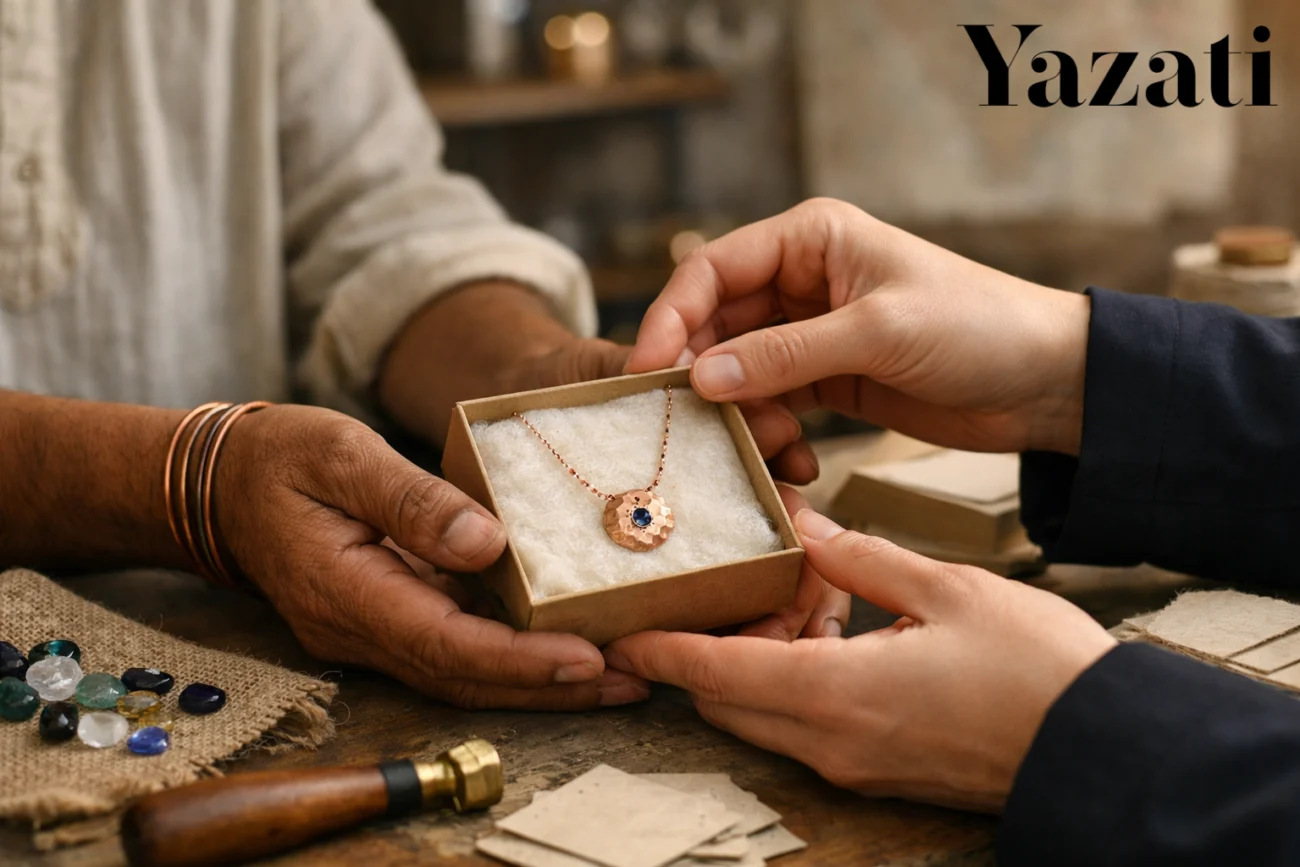
Understanding Ethical Jewelry
Ethical jewelry refers to pieces that are created with responsible sourcing, fair labor practices, and environmentally sustainable production methods. Unlike traditional jewelry manufacturing, ethical jewelry prioritizes transparency and accountability throughout the entire supply chain.
Key Principles of Ethical Jewelry
Ethical jewelry typically follows several important principles:
- Responsible sourcing of gemstones and metals
- Fair wages and safe working conditions for artisans
- Minimal environmental impact
- Transparency in supply chains
- Support for local communities
These values resonate strongly with modern consumers who want their purchases to align with their social and environmental values.
Why Ethical Jewelry Matters Today
Today’s buyers are more informed than ever. With easy access to information, consumers are aware of issues such as:
- Conflict diamonds
- Environmental damage from mining
- Exploitation of workers in supply chains
Because of these concerns, many shoppers actively seek brands that demonstrate ethical responsibility. Ethical jewelry not only addresses these issues but also provides consumers with peace of mind knowing their purchase contributes to positive social impact.
India’s Long Legacy in Jewelry Craftsmanship
India has been a global leader in jewelry making for thousands of years. Ancient Indian civilizations developed advanced techniques in goldsmithing, gemstone cutting, and intricate metalwork.
Traditional Skills Passed Through Generations
Many Indian artisans learn jewelry-making skills from family members. These skills are often passed down through generations, ensuring exceptional craftsmanship and attention to detail.
Common traditional techniques include:
- Kundan jewelry making
- Meenakari enamel work
- Polki diamond setting
- Filigree metalwork
These traditional methods combine artistry with cultural heritage, making Indian jewelry unique in the global marketplace.
Modern Adaptation of Traditional Craft
While preserving traditional craftsmanship, Indian suppliers are also embracing modern production technologies and ethical standards. This blend of tradition and innovation allows them to meet the demands of contemporary ethical jewelry brands.
The Rise of Ethical Jewelry Brands Powered by Indian Suppliers
The phrase The Rise of Ethical Jewelry Brands Powered by Indian Suppliers reflects a growing partnership between international brands and responsible Indian manufacturers.
Why Global Brands Are Turning to Indian Suppliers
There are several reasons why ethical jewelry brands increasingly collaborate with Indian suppliers:
- Skilled artisan workforce
- Competitive production costs
- Access to ethically sourced gemstones
- Strong infrastructure for jewelry manufacturing
- Growing adoption of sustainability practices
India’s ability to combine quality craftsmanship with ethical production makes it an attractive partner for brands that want to maintain high standards while scaling their operations.
Ethical Manufacturing Practices in India
Many Indian jewelry suppliers are implementing responsible manufacturing processes such as:
- Using recycled gold and silver
- Reducing waste during gemstone cutting
- Utilizing eco-friendly polishing methods
- Implementing worker safety programs
- Supporting artisan communities
These practices help ensure jewelry production remains both environmentally and socially responsible.
Sustainable Sourcing of Precious Materials
One of the most important elements of ethical jewelry is the sourcing of raw materials.
Ethically Sourced Gemstones
Indian suppliers are increasingly focusing on traceable gemstone sourcing. This includes working with mining partners who follow:
- Fair labor practices
- Environmentally responsible extraction methods
- Transparent supply chains
Traceability helps brands ensure that gemstones are not linked to conflict or exploitation.
Recycled Metals in Jewelry Production
Recycled metals play a major role in sustainable jewelry manufacturing. By refining and reusing existing gold or silver, suppliers can significantly reduce environmental impact.
Benefits of recycled metals include:
- Reduced mining demand
- Lower environmental damage
- Preservation of natural resources
Many ethical jewelry brands actively promote recycled metal usage as part of their sustainability commitment.
Empowering Artisan Communities
A significant advantage of working with Indian suppliers is the positive impact on local communities.
Fair Wages and Safe Working Conditions
Ethical suppliers prioritize the well-being of their workers. This includes:
- Fair compensation
- Safe work environments
- Health and safety standards
- Training and skill development
These efforts help improve the quality of life for artisans and their families.
Preserving Cultural Heritage
Supporting Indian artisans also helps preserve centuries-old craftsmanship traditions. Ethical jewelry brands recognize the value of these skills and often highlight artisan stories as part of their brand identity.
By collaborating with skilled craftspeople, brands ensure these traditional techniques continue to thrive in modern markets.
Environmental Responsibility in Jewelry Production
Environmental sustainability has become a central focus for ethical jewelry brands.
Reducing Carbon Footprint
Many Indian suppliers are adopting eco-friendly production methods such as:
- Energy-efficient manufacturing equipment
- Solar power usage
- Water recycling systems
- Responsible waste management
These initiatives help reduce the environmental footprint of jewelry manufacturing.
Minimizing Waste in Production
Jewelry production often involves precious materials that cannot be wasted. Ethical manufacturers implement strict processes to recover and reuse:
- Metal dust
- Gemstone fragments
- Polishing residue
By recycling these materials, suppliers reduce waste and maximize resource efficiency.
Transparency and Traceability in the Supply Chain
Modern consumers expect brands to provide detailed information about where and how their jewelry is produced.
Supply Chain Transparency
Ethical jewelry brands work closely with Indian suppliers to ensure full transparency. This includes documenting every step of the production process—from sourcing raw materials to final product assembly.
Certification and Ethical Standards
Many ethical suppliers adhere to international certification standards that promote responsible practices. These certifications help verify that jewelry production meets strict ethical and environmental guidelines.
Transparency builds trust with consumers and strengthens brand credibility.
Consumer Demand Driving Ethical Jewelry Growth
The rapid expansion of ethical jewelry brands is largely driven by changing consumer preferences.
Shift Toward Conscious Consumerism
Today’s consumers want products that align with their values. They consider factors such as:
- Environmental sustainability
- Fair labor practices
- Ethical sourcing
As awareness grows, more buyers are choosing brands that demonstrate social responsibility.
Younger Generations Leading the Change
Millennials and Gen Z shoppers play a significant role in the growth of ethical jewelry. These generations prioritize:
- Sustainable products
- Transparent brands
- Purpose-driven businesses
Their purchasing decisions are encouraging jewelry companies to adopt ethical practices across their supply chains.
Innovation in Ethical Jewelry Design
Ethical jewelry brands are not only focusing on sustainability but also pushing the boundaries of design.
Minimalist and Sustainable Design Trends
Popular design trends in ethical jewelry include:
- Minimalist styles
- Nature-inspired pieces
- Timeless designs meant to last for decades
These styles align with the philosophy of buying fewer but better products.
Customization and Personalization
Many brands now offer personalized jewelry options, allowing customers to create unique pieces while maintaining ethical sourcing standards.
Customization enhances emotional value and encourages long-term use rather than disposable fashion.
Challenges Facing Ethical Jewelry Brands
Despite rapid growth, ethical jewelry brands still face several challenges.
Supply Chain Complexity
Ensuring complete transparency across global supply chains can be difficult. Brands must carefully vet suppliers to maintain ethical standards.
Higher Production Costs
Ethical sourcing and fair labor practices often increase production costs. However, many consumers are willing to pay slightly higher prices for responsibly produced jewelry.
Educating Consumers
Not all customers fully understand the importance of ethical sourcing. Brands must invest in education and storytelling to communicate their values effectively.
Future Outlook for Ethical Jewelry
The future of ethical jewelry looks extremely promising.
Increasing Industry Adoption
More jewelry brands are expected to adopt ethical practices as consumer demand continues to grow.
Technological Advancements
Technology will play a major role in improving transparency and sustainability through innovations such as:
- Blockchain supply chain tracking
- Lab-grown gemstones
- Advanced recycling techniques
Global Recognition of Indian Suppliers
As ethical standards continue to improve, Indian suppliers will likely become even more prominent partners for global jewelry brands.
Frequently Asked Questions (FAQs)
1. What is ethical jewelry?
Ethical jewelry refers to jewelry produced using responsible sourcing, fair labor practices, and environmentally sustainable manufacturing methods.
2. Why are Indian suppliers important in ethical jewelry production?
Indian suppliers offer exceptional craftsmanship, skilled artisans, and increasingly adopt sustainable and ethical manufacturing practices.
3. Are ethical jewelry pieces more expensive?
Ethical jewelry can sometimes cost slightly more due to responsible sourcing and fair wages, but many consumers consider the added value worthwhile.
4. What materials are commonly used in ethical jewelry?
Ethical jewelry often uses recycled metals, responsibly sourced gemstones, and sometimes lab-grown diamonds.
5. How can consumers verify ethical jewelry brands?
Consumers can look for transparency in supply chains, ethical certifications, and brand disclosures about sourcing and production practices.
6. Will ethical jewelry become the industry standard?
Many experts believe ethical practices will eventually become the standard as consumer demand for sustainable products continues to grow.
Conclusion
The global jewelry industry is undergoing a meaningful transformation, and The Rise of Ethical Jewelry Brands Powered by Indian Suppliers is at the heart of this change. With their unmatched craftsmanship, commitment to sustainability, and dedication to fair labor practices, Indian suppliers are helping ethical brands deliver beautiful jewelry that reflects modern values.
As consumer awareness continues to grow, ethical jewelry will likely become more than just a trend—it will become a standard for responsible luxury. By supporting ethical brands and responsible suppliers, consumers play an essential role in shaping a jewelry industry that values both beauty and integrity.
✨ Discover Global Sourcing Excellence with Netyex ✨
Netyex is your trusted B2B sourcing partner, connecting international buyers with India’s finest manufacturers and curated product lines—from handicrafts and home décor to kitchenware, textiles, hospitality essentials, and more. With verified suppliers and end-to-end support, we make global procurement seamless, reliable, and efficient.
👉 Elevate your sourcing experience—explore Netyex today.
📦 Bulk orders & customisation | 🌍 Worldwide delivery | 🤝 Trusted by global buyers
Visit Netyex to source premium Indian products with confidence.