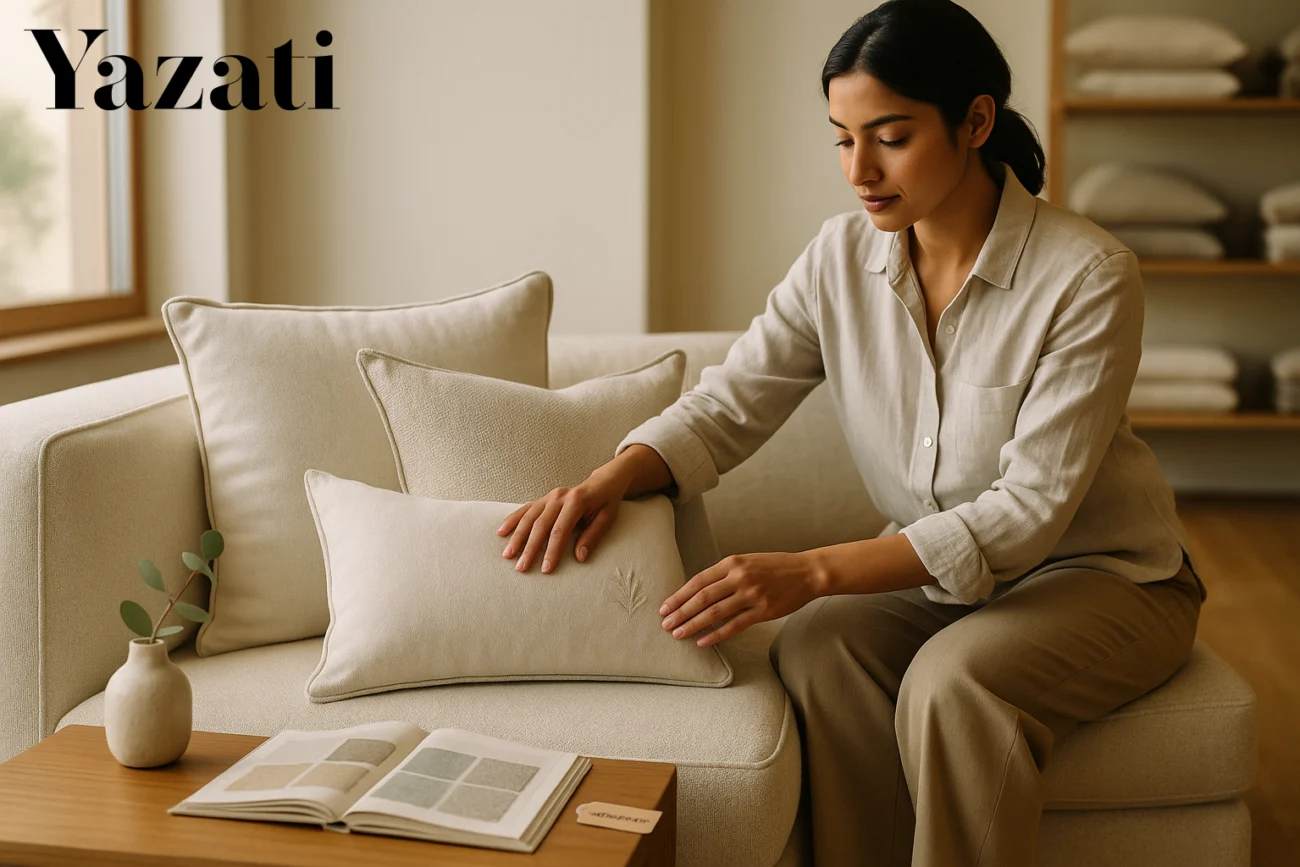
Introduction: A Sustainable Shift in the Luxury Furnishing Industry
The luxury furnishing industry is undergoing a remarkable transformation. No longer is opulence defined solely by extravagance or rarity — today, sustainability and responsibility are the new hallmarks of true luxury. Among the many eco-friendly materials emerging in high-end design, organic cotton has become the centerpiece of this green revolution. From sumptuous bedding to elegant upholstery, organic cotton is redefining what it means to live beautifully and ethically.
As consumers grow increasingly eco-conscious, the demand for organic textiles in home décor has skyrocketed. Luxury brands are responding, not just to trends but to a fundamental shift in values — one that prioritizes environmental stewardship, social responsibility, and long-term wellness.
Understanding Organic Cotton: What Makes It Different?
Definition and Certification Standards for Organic Cotton
Organic cotton is cultivated without the use of harmful pesticides, synthetic fertilizers, or genetically modified seeds. Instead, farmers rely on natural processes — crop rotation, composting, and biological pest control — to maintain soil health and biodiversity.
To be certified organic, cotton must meet international standards like GOTS (Global Organic Textile Standard) or OEKO-TEX, ensuring transparency from the field to the finished product. These certifications verify not only ecological practices but also fair labor conditions, making organic cotton both environmentally and socially responsible.
The Journey from Field to Fabric: Ethical and Eco-friendly Practices
The transformation of organic cotton from seed to sophisticated furnishing fabric involves a series of sustainable steps. Eco-friendly spinning, weaving, and dyeing methods minimize chemical use and water waste. Additionally, many brands now embrace closed-loop production systems, recycling water and repurposing textile waste to achieve near-zero waste manufacturing.
Historical Perspective: Cotton in Luxury Furnishings Through the Ages
From Colonial Trade to Modern-Day Textile Innovation
Cotton’s history in luxury décor dates back centuries. Once a symbol of colonial wealth, it was prized for its softness, breathability, and versatility. Over time, industrialization increased production but also introduced synthetic fertilizers and chemicals that harmed both ecosystems and workers.
The Transition from Conventional to Organic Cotton
The late 20th century saw rising awareness of cotton’s environmental toll. By the 2000s, pioneers in sustainable textiles began advocating for organic alternatives. Today, this once-niche movement has gained mainstream acceptance, especially among premium furnishing brands striving to balance opulence with integrity.
Why Luxury Brands Are Embracing Organic Cotton
Environmental Responsibility and Brand Image
Luxury consumers are no longer impressed solely by lavish designs—they expect accountability. Leading brands recognize that sustainability enhances reputation and aligns with modern ethical values. By incorporating organic cotton, these companies signal their commitment to preserving the planet without compromising beauty or comfort.
Consumer Demand for Sustainable Home Décor
Millennials and Gen Z buyers, who now dominate the luxury market, prioritize sustainable living. They’re willing to invest in eco-conscious furnishings that reflect their personal values. As a result, high-end interior designers are sourcing organic cotton textiles for bedding, curtains, and upholstery to meet this demand.
The Influence of Ethical Consumerism on Design Choices
Ethical consumerism has inspired designers to reimagine luxury as a blend of aesthetic excellence and ecological harmony. Minimalist, nature-inspired designs, organic textures, and natural color palettes now dominate premium collections, symbolizing responsible elegance.
The Production Process of Organic Cotton Fabrics
Sustainable Farming and Water Conservation Practices
Organic cotton farming relies heavily on rainwater and soil moisture retention rather than artificial irrigation. This method reduces water use by up to 90% compared to conventional cotton farming — a major breakthrough in sustainability.
Non-Toxic Dyeing and Finishing Techniques
Traditional dyeing processes often involve harsh chemicals that contaminate waterways. In contrast, organic cotton fabrics use low-impact or plant-based dyes, which are safer for artisans and the environment. Many brands even adopt natural hues, reducing the need for chemical processing altogether.
Reducing Waste in Textile Manufacturing
Luxury furnishing manufacturers are turning to zero-waste production models, ensuring every scrap of fabric is reused or recycled. Some brands incorporate reclaimed organic cotton fibers into new weaves, supporting a circular economy in the design world.
Benefits of Organic Cotton in Luxury Furnishings
Health and Comfort Advantages for Consumers
Organic cotton is naturally hypoallergenic, breathable, and soft to the touch — making it ideal for those with sensitive skin or allergies. When used in bedding or upholstery, it promotes better indoor air quality and overall comfort.
Enhanced Quality, Durability, and Aesthetic Appeal
Contrary to popular belief, organic cotton doesn’t compromise on luxury. Its long-staple fibers produce exceptionally smooth, durable fabrics that rival the finest conventional textiles in quality and luster.
Reduced Environmental Footprint
From seed to showroom, organic cotton generates fewer carbon emissions and conserves water resources. Its biodegradability ensures that even after disposal, it returns harmlessly to the earth — a complete life cycle of sustainability.
Leading Luxury Brands Using Organic Cotton
Case Study: Ralph Lauren Home’s Sustainable Collection
Ralph Lauren Home’s eco-luxury lines incorporate GOTS-certified organic cotton across their bedding and upholstery ranges. Their designs blend timeless elegance with environmental consciousness, proving sustainability can be synonymous with sophistication.
Case Study: Boll & Branch and Ethical Bedding Revolution
Boll & Branch has become synonymous with ethical bedding, using only Fair Trade-certified organic cotton. Their transparency in sourcing and craftsmanship sets a gold standard for the industry.
Boutique Brands and Emerging Eco-Luxury Designers
Smaller luxury labels like Coyuchi and Under the Canopy are also making waves by focusing exclusively on organic textiles and ethical production, reshaping consumer expectations for high-end home décor.
The Role of Certifications in Building Trust
As the demand for sustainable materials grows, certifications play a vital role in ensuring transparency, credibility, and consumer confidence. In the luxury furnishing market, these certifications validate that the organic cotton used is genuinely eco-friendly and ethically produced.
Global Organic Textile Standard (GOTS)
The Global Organic Textile Standard (GOTS) is widely recognized as the gold standard for organic textiles. It certifies that every step of production—from harvesting raw fibers to labeling finished products—meets strict environmental and social criteria. GOTS ensures that no harmful chemicals are used and that workers are treated fairly, making it a critical factor for premium furnishing brands seeking authenticity in sustainability.
OEKO-TEX and Fair Trade Labels
While GOTS focuses on organic integrity, OEKO-TEX Standard 100 ensures that the final product is free from harmful substances. Similarly, Fair Trade certifications emphasize fair wages, safe working conditions, and community development. Together, these labels provide a comprehensive assurance that luxury furnishings made from organic cotton are both safe for consumers and responsible toward the planet.
Challenges Facing the Organic Cotton Market
Higher Production Costs and Limited Supply Chains
Organic cotton farming requires more meticulous care and manual labor, which often translates to higher production costs. Since synthetic pesticides and fertilizers are prohibited, yields tend to be lower than conventional farming. Additionally, global supply chains for certified organic cotton remain limited, creating bottlenecks for large-scale luxury brands attempting to adopt sustainable sourcing.
Balancing Luxury Aesthetics with Sustainability Goals
Luxury consumers expect perfection—flawless textures, rich colors, and intricate designs. Achieving these standards while maintaining sustainable practices can be challenging. Eco-friendly dyes may offer fewer color variations, and natural fibers sometimes behave differently during processing, demanding innovation in weaving and finishing technologies.
Consumer Education and Awareness Barriers
Despite growing environmental awareness, many consumers still lack a clear understanding of what “organic cotton” truly means. Some associate sustainability with rustic aesthetics or higher prices, preventing broader market adoption. Hence, brands must invest in storytelling—educating their clientele on how organic cotton enhances both quality and conscience.
The Future of Organic Cotton in Luxury Furnishings
Technological Advancements in Organic Cotton Farming
Innovation is rapidly transforming organic agriculture. Precision irrigation systems, drone-assisted crop monitoring, and AI-driven soil health analytics are helping farmers optimize yields while maintaining ecological balance. As these technologies scale, the cost and availability of organic cotton will improve, enabling wider adoption in luxury markets.
Circular Economy and Upcycling in Luxury Interiors
The next wave of sustainable design involves circularity—designing products that can be reused, repurposed, or recycled indefinitely. Many luxury brands are experimenting with upcycled organic cotton, combining textile remnants into stunning patchwork upholstery, throws, and cushions that tell a story of mindful artistry.
Predictions for the Next Decade
By 2030, analysts predict that organic cotton will become a mainstream material in the luxury furnishing industry. With stricter environmental regulations and consumer activism on the rise, brands that fail to adopt sustainable materials risk being left behind. The future of luxury lies not in abundance but in purposeful, planet-conscious design.
FAQs About Organic Cotton in Luxury Furnishings
1. What makes organic cotton better for luxury furnishings?
Organic cotton offers superior softness, breathability, and durability while being free of harmful chemicals. It ensures a healthier indoor environment and provides an ethical alternative without sacrificing luxury appeal.
2. Is organic cotton more expensive than regular cotton?
Yes, but the price difference reflects the cost of sustainable farming and fair labor practices. Over time, the investment pays off in quality, longevity, and the satisfaction of supporting responsible production.
3. How can consumers verify if a product uses genuine organic cotton?
Always check for trusted certifications such as GOTS, OEKO-TEX, or Fair Trade labels. Reputable brands clearly display these credentials on their packaging and websites.
4. Are organic cotton furnishings as durable as traditional ones?
Absolutely. Organic cotton’s long fibers create a strong, resilient weave. When properly maintained, it often outlasts conventional cotton, maintaining its softness and shape over time.
5. What are the environmental benefits of using organic cotton?
Organic cotton farming reduces water use, preserves soil fertility, promotes biodiversity, and eliminates toxic chemical runoff—making it far more sustainable than conventional cotton production.
6. Which luxury brands are leading in sustainable furnishing trends?
Top brands like Ralph Lauren Home, Boll & Branch, and Coyuchi have embraced organic cotton in their collections. Their initiatives demonstrate that sustainability and luxury can coexist beautifully.
Conclusion: The Timeless Appeal of Sustainable Luxury
The rise of organic cotton in luxury furnishing markets signifies more than a trend—it represents a profound transformation in how we define elegance and responsibility. Today’s discerning consumers seek not only beauty and comfort but also a sense of purpose in their choices.
By embracing organic cotton, the luxury industry is weaving a future that honors both craftsmanship and conscience. From its roots in sustainable farming to its expression in exquisite home décor, organic cotton embodies the harmony between nature and design. As we move toward a more sustainable future, one truth remains clear: true luxury is ethical, enduring, and kind to the earth.
✨ Discover Global Sourcing Excellence with Netyex ✨
Netyex is your trusted B2B sourcing partner, connecting international buyers with India’s finest manufacturers and curated product lines—from handicrafts and home décor to kitchenware, textiles, hospitality essentials, and more. With verified suppliers and end-to-end support, we make global procurement seamless, reliable, and efficient.
👉 Elevate your sourcing experience—explore Netyex today.
📦 Bulk orders & customisation | 🌍 Worldwide delivery | 🤝 Trusted by global buyers
Visit Netyex to source premium Indian products with confidence.