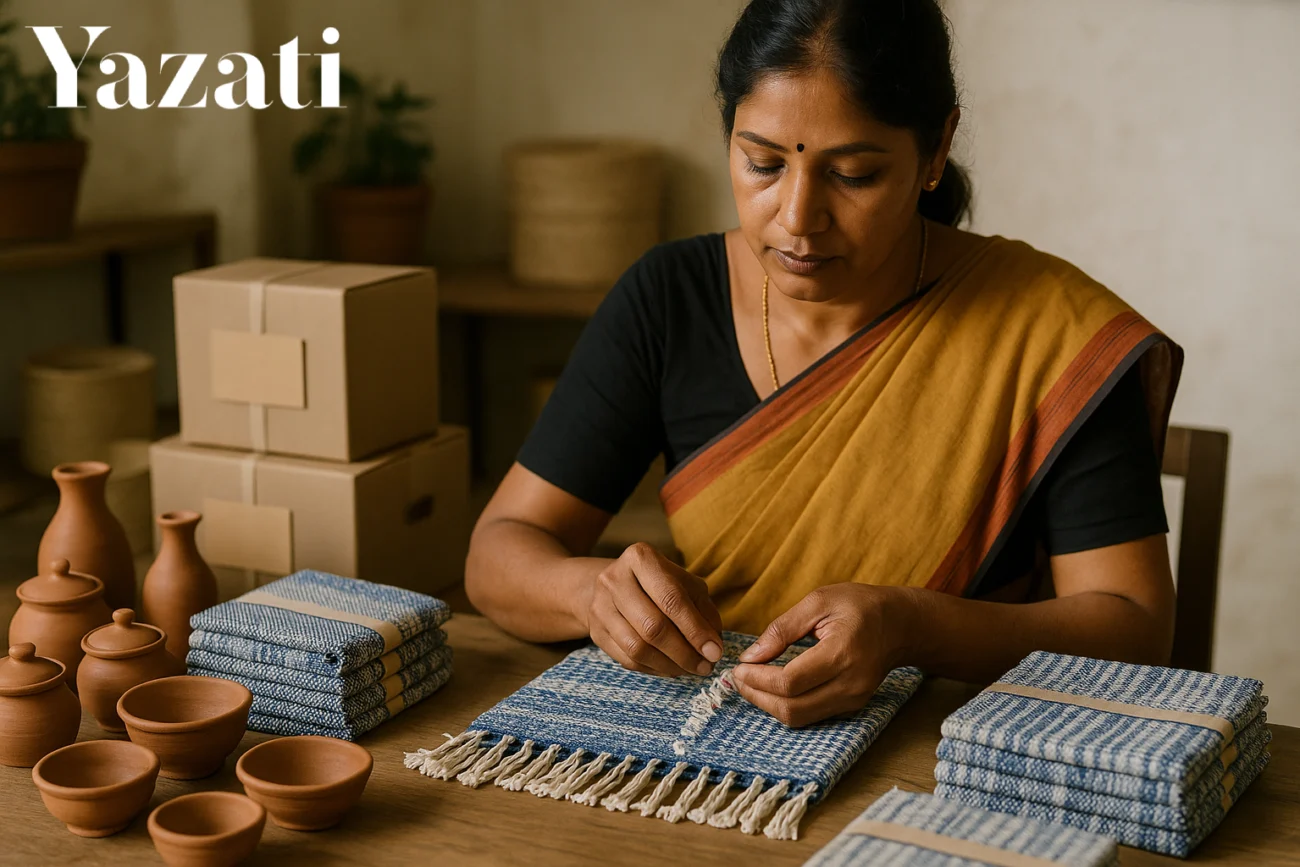
Introduction to Fair Trade and Indian Handicrafts
India’s rich and vibrant handicraft sector has long been a symbol of its cultural heritage, creativity, and craftsmanship. From intricate textiles and pottery to brassware and jewelry, Indian artisans have preserved ancient traditions for centuries. However, despite their artistry, many of these skilled craftspeople struggle with low wages, exploitation, and lack of market access.
This is where Fair Trade plays a transformative role. By ensuring ethical business practices, fair wages, and equal opportunities, fair trade connects artisans to global markets under transparent and sustainable systems. In the context of Indian handicraft exports, it bridges the gap between rural artisans and international consumers seeking ethically produced goods.
Understanding the Concept of Fair Trade
Fair trade is a social movement designed to promote equitable trading relationships between producers in developing countries and consumers worldwide. It ensures that artisans receive a fair price for their work, work under safe conditions, and operate sustainably.
Organizations like Fairtrade International and World Fair Trade Organization (WFTO) have set global standards that include transparency, respect for the environment, and gender equity.
In India, fair trade initiatives gained traction in the late 20th century, especially as global consumers began prioritizing ethics over exploitation. The Indian handicraft sector, with its deep-rooted artisan base, found in fair trade a model that aligned with traditional community-based production systems.
Historical Background of Indian Handicrafts
The legacy of Indian handicrafts dates back thousands of years, with evidence from the Indus Valley Civilization showcasing pottery, weaving, and metalwork. Each region of India contributes unique art forms—from Kashmir’s papier-mâché to Rajasthan’s block printing and Odisha’s silver filigree.
Despite its artistic richness, the sector has faced commercialization and underpayment in recent decades. Export intermediaries often take the largest profits, leaving artisans with minimal returns. Fair trade organizations have been instrumental in restoring dignity and fair compensation to these craftspeople.
The Connection Between Fair Trade and Handicraft Exports
Fair trade offers Indian handicrafts a competitive edge in global markets by highlighting authenticity, sustainability, and social responsibility. Buyers in Europe and North America increasingly seek ethically sourced products.
By obtaining fair trade certification, Indian exporters not only gain buyer trust but also access premium markets that value transparency and cultural integrity.
Importance of Fair Trade in the Global Market
Promoting Ethical Consumerism Through Fair Trade
Today’s consumers are more informed than ever. They demand products that tell a story—one rooted in respect, culture, and sustainability. Fair trade provides this connection by allowing buyers to trace the origins of their purchases and understand the lives of the artisans behind them.
Fair Trade as a Tool for Sustainable Development
Fair trade aligns perfectly with the United Nations Sustainable Development Goals (SDGs)—especially those addressing poverty eradication, gender equality, and responsible consumption. It’s not just about trade; it’s about transformation.
Empowering Rural Artisans and Local Communities
By ensuring equitable profit-sharing, fair trade strengthens entire communities. It helps artisans invest in education, healthcare, and better production tools, fostering both economic independence and cultural preservation.
Current Scenario of Indian Handicraft Exports
India’s handicraft exports are valued at over USD 4 billion annually, with key destinations including the United States, UK, Germany, and France. The sector employs around 7 million artisans, most of whom are from rural and marginalized communities.
Major Categories of Indian Handicrafts in Demand
- Textiles and embroidery (Kutch, Rajasthan)
- Terracotta and pottery (West Bengal, Uttar Pradesh)
- Metal crafts and jewelry (Tamil Nadu, Odisha)
- Handwoven baskets and bamboo work (Northeast India)
Challenges Faced by Exporters
- Lack of standardization and certification
- Price competition from machine-made goods
- Limited awareness of fair trade benefits
- Insufficient digital marketing skills
How Fair Trade Impacts Indian Handicraft Exports
Ensuring Fair Wages and Better Working Conditions
Fair trade ensures artisans are paid adequately for their time and skill. It also promotes safe working conditions, eliminating exploitative labor practices.
Enhancing Product Value Through Certification and Branding
Fair trade labels signal authenticity and ethical standards, allowing exporters to charge premium prices while boosting global visibility.
Strengthening Market Access and Buyer Trust
Certified exporters find easier entry into ethical markets in Europe and North America, where consumer preference for fair trade products continues to rise.
Role of Fair Trade Organizations in India
Notable Organizations Supporting Artisans
- Craft Resource Center (CRC), Kolkata
- Sasha Association for Craft Producers
- Fair Trade Forum India (FTF-I)
- MESH (Maximizing Employment to Serve the Handicapped)
Government and NGO Initiatives
Programs like EPCH (Export Promotion Council for Handicrafts) and collaborations with UNDP have encouraged sustainable and fair trade practices among Indian exporters.
Economic and Social Benefits of Fair Trade Practices
Fair trade not only enhances income but also strengthens social inclusion.
Poverty Alleviation and Financial Inclusion
By guaranteeing minimum prices and pre-financing options, fair trade helps artisans escape poverty traps and build financial resilience.
Gender Equality and Women Empowerment
Many fair trade enterprises are women-led cooperatives, providing opportunities for self-employment and leadership.
Environmental Sustainability
Fair trade emphasizes eco-friendly materials and production processes, ensuring minimal environmental impact.
Case Studies: Success Stories of Fair Trade in Indian Handicrafts
Fair trade initiatives have transformed the lives of thousands of artisans across India. Let’s explore two prominent case studies that highlight the tangible impact of these practices.
Example 1: Craft Resource Center (CRC), Kolkata
Founded in 1990, Craft Resource Center (CRC) is a Fair Trade-certified organization that works with over 5,000 artisans across eastern India. CRC assists small producer groups in product development, quality control, and international marketing.
By integrating fair trade principles, CRC ensures that artisans receive fair wages, training opportunities, and access to global buyers. As a result, CRC exports to countries like the UK, Germany, and the USA have grown significantly, showcasing how ethical business models can be both socially empowering and economically viable.
Example 2: Sasha Association for Craft Producers
Another shining example is Sasha, a Kolkata-based fair trade enterprise established in 1978. Sasha collaborates with over 100 artisan groups, most of which are women-led cooperatives.
By adhering to fair trade principles, Sasha guarantees artisans timely payments, skill development workshops, and healthcare benefits. Moreover, it reinvests profits into community development, literacy programs, and infrastructure improvements.
Sasha’s success underscores how ethical business practices can create long-term social transformation while strengthening India’s export reputation.
Future of Fair Trade in Indian Handicraft Exports
Trends Shaping the Future of Ethical Handicraft Trade
The global handicraft market is witnessing a major shift toward sustainability and traceability. With consumers increasingly valuing purpose-driven brands, fair trade-certified Indian handicrafts are poised for remarkable growth.
Key emerging trends include:
- Digital storytelling to connect artisans directly with global buyers.
- Blockchain integration for transparent supply chains.
- Eco-conscious designs using recycled or organic materials.
- Collaborations with international fair trade networks to expand reach.
Role of Digital Platforms in Expanding Fair Trade Reach
E-commerce and social media have revolutionized how artisans connect with buyers. Platforms such as Etsy, Amazon Handmade, and Okhai allow Indian craft producers to showcase their work to international audiences.
Government-led initiatives like India Handmade Bazaar and GeM (Government e-Marketplace) are also helping fair trade artisans access both domestic and export markets.
As digital literacy spreads among rural producers, the integration of fair trade certification with digital marketing can further strengthen India’s global handicraft brand.
Recommendations for Strengthening Fair Trade Practices
To fully harness the potential of fair trade in the handicraft export sector, India must adopt a holistic approach involving policy, education, and innovation.
Policy Reforms and Government Support Mechanisms
- Introduce tax incentives for fair trade-certified exporters.
- Strengthen collaboration between EPCH, FTF-I, and state handicraft boards.
- Incorporate fair trade training modules in skill development programs.
- Streamline certification processes to make them more accessible for small-scale artisans.
Building Capacity Among Artisans and Exporters
- Provide financial literacy workshops and digital marketing training.
- Encourage participation in international trade fairs to increase exposure.
- Foster partnerships between artisans and design institutions like NIFT (National Institute of Fashion Technology) to modernize traditional crafts.
Creating Global Awareness Through Marketing and Storytelling
Storytelling is a powerful marketing tool. Sharing the real-life stories of artisans—how fair trade changed their lives—builds emotional connections with consumers.
By investing in brand identity, packaging, and cultural narratives, Indian handicrafts can appeal to conscious buyers worldwide.
Frequently Asked Questions (FAQs)
1. What is the concept of fair trade in the context of Indian handicrafts?
Fair trade in Indian handicrafts refers to a system that promotes ethical production and trading practices. It ensures artisans receive fair compensation, safe working conditions, and equal opportunities while preserving traditional craft skills.
2. How does fair trade benefit Indian artisans?
Fair trade empowers artisans through guaranteed fair wages, financial stability, and access to international markets. It also encourages gender equality and helps preserve local craft traditions.
3. What are the main challenges in implementing fair trade practices?
Challenges include high certification costs, limited awareness among artisans, lack of infrastructure, and competition from mass-produced, machine-made goods.
4. Which countries import the most fair trade-certified Indian handicrafts?
Major importers include the United States, Germany, the United Kingdom, France, and the Netherlands, where ethical consumerism is a strong market driver.
5. How do fair trade certifications enhance global competitiveness?
Certifications like Fairtrade International and WFTO validate authenticity, transparency, and ethical production—boosting buyer confidence and allowing exporters to command premium pricing.
6. What steps can India take to strengthen its fair trade network?
India can improve the fair trade ecosystem through better policy integration, government incentives, artisan training programs, and partnerships with international fair trade bodies.
Conclusion: Building a Fair and Sustainable Future for Indian Handicrafts
Fair trade has emerged as a transformative force in the Indian handicraft export industry, blending tradition with ethical innovation. By ensuring artisans are treated fairly and sustainably, India not only strengthens its export base but also preserves its cultural soul.
As global consumers increasingly demand transparency and sustainability, fair trade offers a blueprint for long-term success—one rooted in justice, dignity, and empowerment.
Supporting fair trade means supporting human stories, heritage, and hope. The future of Indian handicrafts lies not just in beautiful creations, but in ethical collaborations that make the world a fairer, more inclusive place.
🌐 External Reference
To learn more about global fair trade standards, visit the World Fair Trade Organization (WFTO).
✅ Final Takeaway:
Fair trade isn’t just a certification—it’s a movement toward sustainable growth, ethical responsibility, and global respect for Indian artisans. The role of fair trade in Indian handicraft exports is therefore not optional, but essential for shaping a prosperous and equitable future.
✨ Discover Global Sourcing Excellence with Netyex ✨
Netyex is your trusted B2B sourcing partner, connecting international buyers with India’s finest manufacturers and curated product lines—from handicrafts and home décor to kitchenware, textiles, hospitality essentials, and more. With verified suppliers and end-to-end support, we make global procurement seamless, reliable, and efficient.
👉 Elevate your sourcing experience—explore Netyex today.
📦 Bulk orders & customisation | 🌍 Worldwide delivery | 🤝 Trusted by global buyers
Visit Netyex to source premium Indian products with confidence.