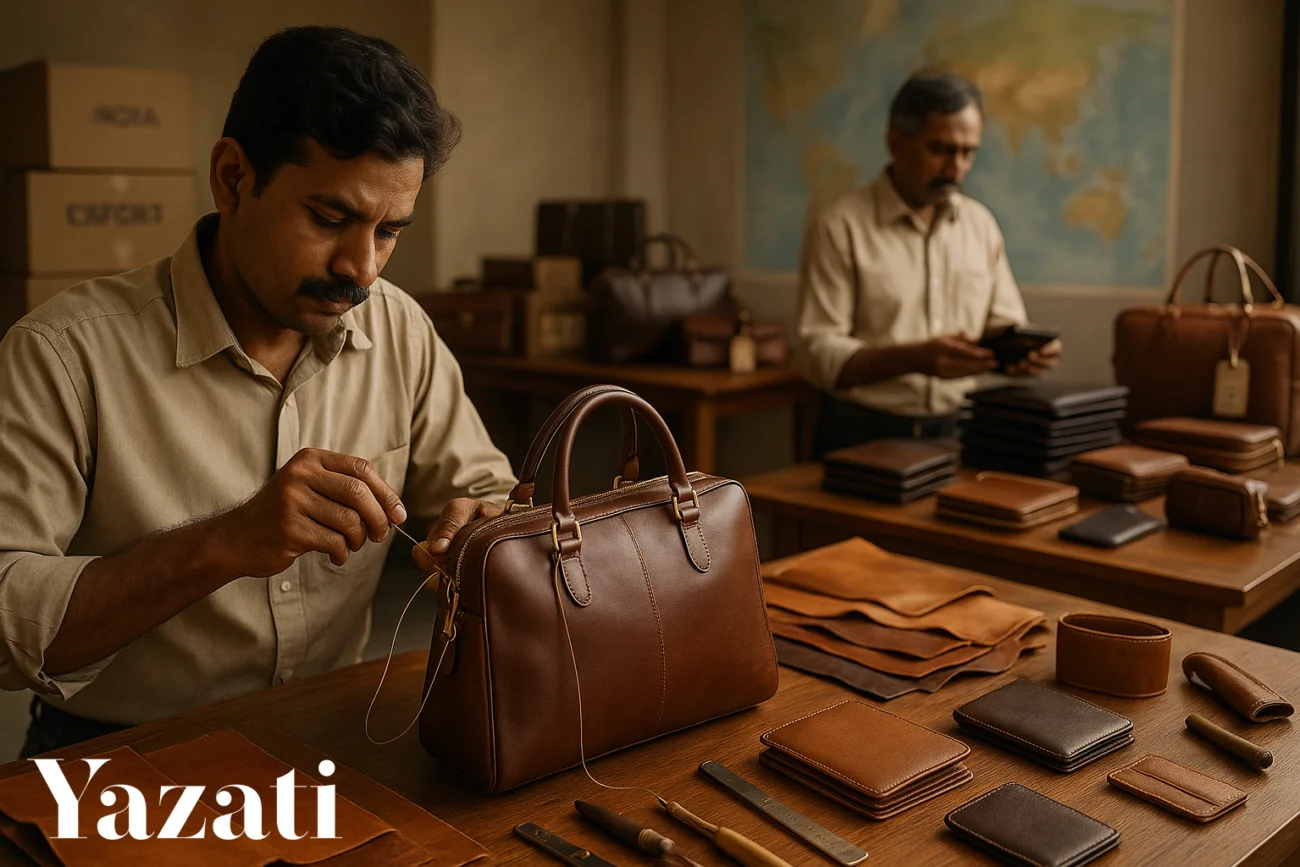
Introduction: India’s Leather Legacy and Global Transformation
India’s journey in the leather market is nothing short of remarkable. Once a land known for handcrafted sandals and traditional tanneries, India has now emerged as one of the world’s top exporters of leather and leather goods. The story behind India’s rise in the global leather market is a compelling mix of history, innovation, and economic evolution.
From centuries-old artisanal skills to cutting-edge production technologies, the Indian leather industry has transformed itself into a global powerhouse. Today, it not only contributes significantly to the nation’s export revenue but also symbolizes craftsmanship and sustainable production.
The Evolution of Leather Craftsmanship in India
A Historical Overview: From Ancient Art to Global Industry
Leatherwork in India dates back to the Indus Valley Civilization, where early artisans used animal hides for clothing, armor, and accessories. Over time, leather crafting became deeply intertwined with cultural traditions and local craftsmanship, particularly in states like Uttar Pradesh, Tamil Nadu, and West Bengal.
The industrial revolution brought mechanization, leading to the rise of organized leather clusters. Post-independence, India began exporting leather goods, marking the beginning of its global journey. What once was a traditional skill evolved into a billion-dollar industry, blending artistry with industrial strength.
Economic Significance of the Leather Industry in India
Contribution to GDP and Employment
The leather industry is one of India’s top ten foreign exchange earners. It contributes approximately USD 13 billion annually and employs nearly 4.5 million people, a majority of whom are from economically weaker sections and women. This makes the industry both economically and socially vital.
Major Leather-Producing States and Their Specializations
India’s leather hubs are spread across the country:
- Tamil Nadu – Known for tanneries and footwear manufacturing.
- Uttar Pradesh – Specializes in leather goods and accessories.
- West Bengal – Focuses on finished leather and small leather products.
- Maharashtra and Punjab – Emerging as key exporters of high-end leather.
Key Drivers Behind India’s Leather Industry Growth
Government Initiatives and Policy Reforms
The Indian Leather Development Programme (ILDP) and Make in India initiative have significantly boosted this sector. The government has also established dedicated Leather Parks and export promotion councils to enhance competitiveness.
Technological Advancements and Skill Development Programs
Automation, design innovation, and sustainable technologies have revolutionized the production process. Institutes like the Footwear Design and Development Institute (FDDI) play a key role in training young designers and artisans.
The Role of MSMEs in Boosting Leather Exports
Small and Medium Enterprises (MSMEs) form the backbone of India’s leather production. Their agility, cost-efficiency, and craftsmanship make them crucial contributors to export growth.
Export Performance and International Presence
Top Export Destinations for Indian Leather Products
India exports to over 200 countries, with key markets including the USA, Germany, Italy, France, and the UK. The country’s reputation for quality and durability has strengthened its global standing.
Comparative Analysis: India vs. Global Competitors
While China dominates in volume, India excels in handcrafted premium goods. Italy focuses on luxury branding, whereas India’s strength lies in affordability, diversity, and quality craftsmanship — giving it a balanced global edge.
Sustainability and Ethical Leather Practices in India
Shift Toward Eco-Friendly Tanning and Production Methods
Indian tanneries are transitioning from traditional chrome-based tanning to vegetable tanning and bio-based alternatives, minimizing pollution and improving sustainability.
Global Certifications and Compliance with Environmental Standards
Indian manufacturers are increasingly adopting certifications like ISO 14001 and LWG (Leather Working Group) standards, ensuring eco-friendly production processes.
The Rise of Indian Leather Fashion and Brands
Leading Indian Leather Brands Making a Global Mark
Brands such as Hidesign, Woodland, and Da Milano have taken Indian leather to the global fashion stage, showcasing luxury, style, and sustainability.
Collaborations with International Designers and Retail Chains
Global collaborations have further boosted India’s presence, with partnerships between Indian artisans and international retailers like Zara, Clarks, and Marks & Spencer.
Challenges Facing the Indian Leather Industry
Labor Issues, Environmental Concerns, and Global Competition
The industry faces challenges such as labor shortages, rising environmental compliance costs, and competition from synthetic alternatives. Balancing growth with sustainability remains crucial.
Overcoming the COVID-19 Impact on Leather Exports
While exports dropped during the pandemic, recovery has been swift, thanks to digital trade fairs, virtual exhibitions, and renewed global demand.
Future Outlook: Opportunities and Strategic Roadmap
Digital Transformation and E-Commerce in Leather Trade
The rise of online marketplaces and B2B platforms has opened new export opportunities for Indian leather manufacturers, connecting them directly to global buyers.
Vision 2030: India’s Plan to Become a Leather Export Superpower
Under Vision 2030, India aims to capture a 10% share of the global leather trade through sustainable innovation, skill development, and technology integration.
FAQs: Insights into India’s Leather Market Evolution
- What makes Indian leather unique?
Indian leather stands out for its craftsmanship, durability, and sustainable tanning processes. - Which are the top leather-producing states in India?
Tamil Nadu, Uttar Pradesh, and West Bengal lead the nation’s leather production. - Is India focusing on sustainable leather production?
Yes, many Indian tanneries are switching to eco-friendly tanning and certified sustainable production. - How has India’s leather export performance changed post-pandemic?
Exports have rebounded strongly, driven by digital marketing and renewed global demand. - Who are India’s biggest competitors in the global leather market?
China, Italy, and Vietnam are major competitors, but India excels in affordable handcrafted goods. - What’s the future of India’s leather industry?
With sustainability, innovation, and policy support, India’s leather industry is set to thrive globally.
Conclusion: A New Era for India’s Leather Industry
The story behind India’s rise in the global leather market is one of perseverance, innovation, and cultural pride. From ancient tanneries to modern leather parks, the country has redefined its identity as a global leather leader — rooted in craftsmanship yet future-ready through sustainability and technology.
✨ Discover Global Sourcing Excellence with Netyex ✨
Netyex is your trusted B2B sourcing partner, connecting international buyers with India’s finest manufacturers and curated product lines—from handicrafts and home décor to kitchenware, textiles, hospitality essentials, and more. With verified suppliers and end-to-end support, we make global procurement seamless, reliable, and efficient.
👉 Elevate your sourcing experience—explore Netyex today.
📦 Bulk orders & customisation | 🌍 Worldwide delivery | 🤝 Trusted by global buyers
Visit Netyex to source premium Indian products with confidence.