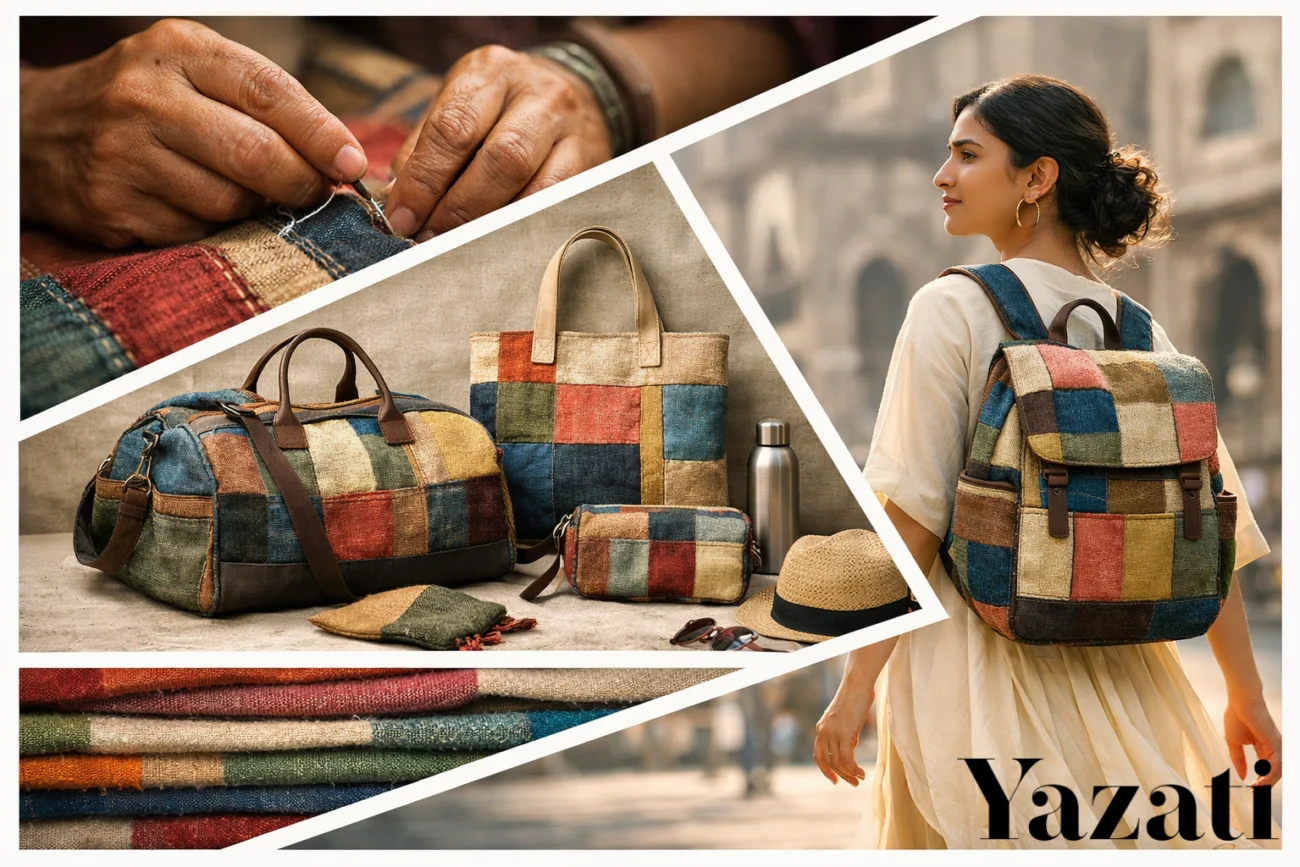
Understanding The Trend of Recycled-Fabric Bags from India
At its core, The Trend of Recycled-Fabric Bags from India revolves around transforming textile waste into functional, fashionable accessories. India, one of the world’s largest textile producers, generates significant fabric scraps during manufacturing. Instead of letting this waste pile up in landfills, designers and artisans are repurposing it into beautiful bags.
This trend aligns perfectly with:
- Sustainable fashion movements
- Zero-waste initiatives
- Ethical consumerism
- Circular economy principles
India’s deep-rooted tradition of textile artistry makes it uniquely positioned to lead this shift. Rather than creating new materials, manufacturers reuse cotton scraps, denim leftovers, silk remnants, and even sari fabrics to craft durable bags.
Why Recycled-Fabric Bags Are Gaining Global Popularity
The global demand for eco-friendly products is soaring. Consumers today care about where products come from and how they are made. Recycled-fabric bags check all the right boxes.
1. Environmental Benefits
- Reduce textile waste
- Lower carbon footprint
- Minimize water consumption
- Prevent synthetic pollution
The textile industry is known for high water usage and chemical discharge. Reusing existing fabric dramatically cuts down on resource consumption.
2. Unique Designs and Cultural Appeal
No two recycled-fabric bags are exactly alike. Because they’re made from fabric remnants, each piece carries a unique blend of colors, patterns, and textures. Many feature traditional Indian embroidery, block printing, or patchwork.
This cultural richness adds storytelling value—buyers aren’t just purchasing a bag; they’re owning a piece of craftsmanship.
3. Affordable Yet Premium
Surprisingly, these bags offer both affordability and quality. By using leftover materials, production costs decrease. However, the handcrafted nature adds premium value.
The Role of Indian Artisans in Driving the Trend
One of the most powerful aspects of The Trend of Recycled-Fabric Bags from India is its impact on local communities.
India has millions of skilled artisans, especially women in rural areas. Recycled-bag initiatives often operate through:
- Self-help groups
- Small-scale cooperatives
- Fair-trade organizations
- Social enterprises
These projects provide stable income, skill development, and economic independence.
Empowering Women Through Sustainable Craft
Many recycled-fabric bag initiatives are women-led. By turning textile scraps into sellable products, women gain:
- Financial security
- Entrepreneurial skills
- Greater social standing
This makes the trend not just eco-friendly, but socially transformative.
How Textile Waste Is Transformed Into Stylish Bags
Let’s break down the process step by step:
Step 1: Fabric Collection
Textile factories and tailoring units collect leftover scraps instead of discarding them.
Step 2: Sorting and Cleaning
Fabrics are sorted by type, color, and durability. They are cleaned and sanitized.
Step 3: Design and Stitching
Designers create patterns that maximize fabric usage. Skilled artisans stitch the materials into:
- Tote bags
- Sling bags
- Backpacks
- Laptop sleeves
- Travel pouches
Step 4: Finishing and Quality Check
Each bag undergoes quality inspection to ensure durability.
This process reduces waste while creating long-lasting products.
Popular Types of Recycled-Fabric Bags from India
Here’s a quick overview of the most in-demand styles:
| Bag Type | Features | Ideal For |
|---|---|---|
| Tote Bags | Spacious, lightweight | Shopping, daily use |
| Patchwork Handbags | Artistic, colorful | Fashion statements |
| Denim Backpacks | Durable, casual | Travel, college |
| Sari Fabric Clutches | Elegant, embroidered | Events, parties |
| Laptop Bags | Padded, eco-friendly | Office use |
Each category reflects the blend of tradition and innovation that defines this trend.
Sustainability and the Circular Economy
The circular economy model promotes reuse and regeneration instead of disposal. The Trend of Recycled-Fabric Bags from India fits perfectly within this framework.
Instead of:
Take → Make → Dispose
It follows:
Reuse → Redesign → Resell
This model reduces landfill burden and encourages responsible consumption.
The Influence of Eco-Conscious Consumers
Modern consumers are more aware than ever. Social media has amplified sustainability conversations. Influencers and eco-bloggers frequently promote recycled products.
Key buying motivations include:
- Reducing plastic usage
- Supporting ethical brands
- Lowering carbon footprint
- Choosing cruelty-free fashion
Recycled-fabric bags align seamlessly with these values.
Government Support and Sustainability Policies
India has implemented policies encouraging sustainable production and waste reduction. Various initiatives promote:
- Handloom and handicraft industries
- MSMEs (Micro, Small & Medium Enterprises)
- Women entrepreneurship
Such support boosts the production and export of recycled goods.
Challenges Facing the Industry
Despite its growth, this trend faces certain challenges:
1. Scaling Production
Handmade production limits mass scalability.
2. Quality Consistency
Using leftover fabric means variation in texture and durability.
3. Market Awareness
Many global consumers still aren’t fully aware of these eco-friendly options.
However, innovation and digital marketing are helping overcome these obstacles.
E-Commerce and Global Expansion
Online marketplaces have opened global doors. Small Indian brands now sell internationally through:
- Direct-to-consumer websites
- Sustainable fashion platforms
- Social media storefronts
This global access accelerates The Trend of Recycled-Fabric Bags from India and strengthens its market position.
Comparing Recycled-Fabric Bags vs Conventional Bags
| Factor | Recycled-Fabric Bags | Conventional Bags |
|---|---|---|
| Environmental Impact | Low | High |
| Material Source | Upcycled fabric | New synthetic material |
| Uniqueness | Highly unique | Mass-produced |
| Social Impact | Supports artisans | Limited impact |
| Waste Reduction | Significant | Minimal |
The difference is clear—recycled options offer more than just functionality.
How to Identify Authentic Recycled-Fabric Bags
To ensure authenticity:
- Look for transparency about material sourcing
- Check if the brand supports artisan communities
- Review product descriptions carefully
- Verify stitching quality
Authentic products usually emphasize sustainability storytelling.
Future Outlook: Is This Trend Here to Stay?
All signs point to yes.
As climate concerns intensify, consumers are expected to shift further toward sustainable alternatives. Textile recycling technology is improving, making production more efficient.
Fashion brands worldwide are incorporating recycled materials into their collections. India’s expertise in textiles places it in a strong leadership position.
The Trend of Recycled-Fabric Bags from India is not just a trend—it’s evolving into a long-term industry transformation.
FAQs About The Trend of Recycled-Fabric Bags from India
1. What makes recycled-fabric bags eco-friendly?
They use leftover textile waste instead of new raw materials, reducing environmental impact.
2. Are recycled-fabric bags durable?
Yes, when crafted properly, they are strong and long-lasting.
3. Are these bags washable?
Most cotton and denim recycled bags are washable, but delicate sari fabrics may require gentle care.
4. Do recycled-fabric bags cost more?
They are often affordable and competitively priced due to material reuse.
5. Who benefits from this trend in India?
Local artisans, especially women in rural communities, benefit economically.
6. Are recycled-fabric bags suitable for professional use?
Yes, many designs include laptop sleeves and formal tote styles.
Conclusion
The Trend of Recycled-Fabric Bags from India represents more than an eco-friendly fashion choice—it symbolizes innovation, empowerment, and environmental responsibility. By transforming textile waste into stylish accessories, India is leading a global movement toward sustainable fashion.
Consumers today want products that reflect their values. Recycled-fabric bags offer exactly that: beauty, purpose, and positive impact. As awareness grows and sustainability becomes a necessity rather than an option, this trend is set to flourish even further.
✨ Discover Global Sourcing Excellence with Netyex ✨
Netyex is your trusted B2B sourcing partner, connecting international buyers with India’s finest manufacturers and curated product lines—from handicrafts and home décor to kitchenware, textiles, hospitality essentials, and more. With verified suppliers and end-to-end support, we make global procurement seamless, reliable, and efficient.
👉 Elevate your sourcing experience—explore Netyex today.
📦 Bulk orders & customisation | 🌍 Worldwide delivery | 🤝 Trusted by global buyers
Visit Netyex to source premium Indian products with confidence.