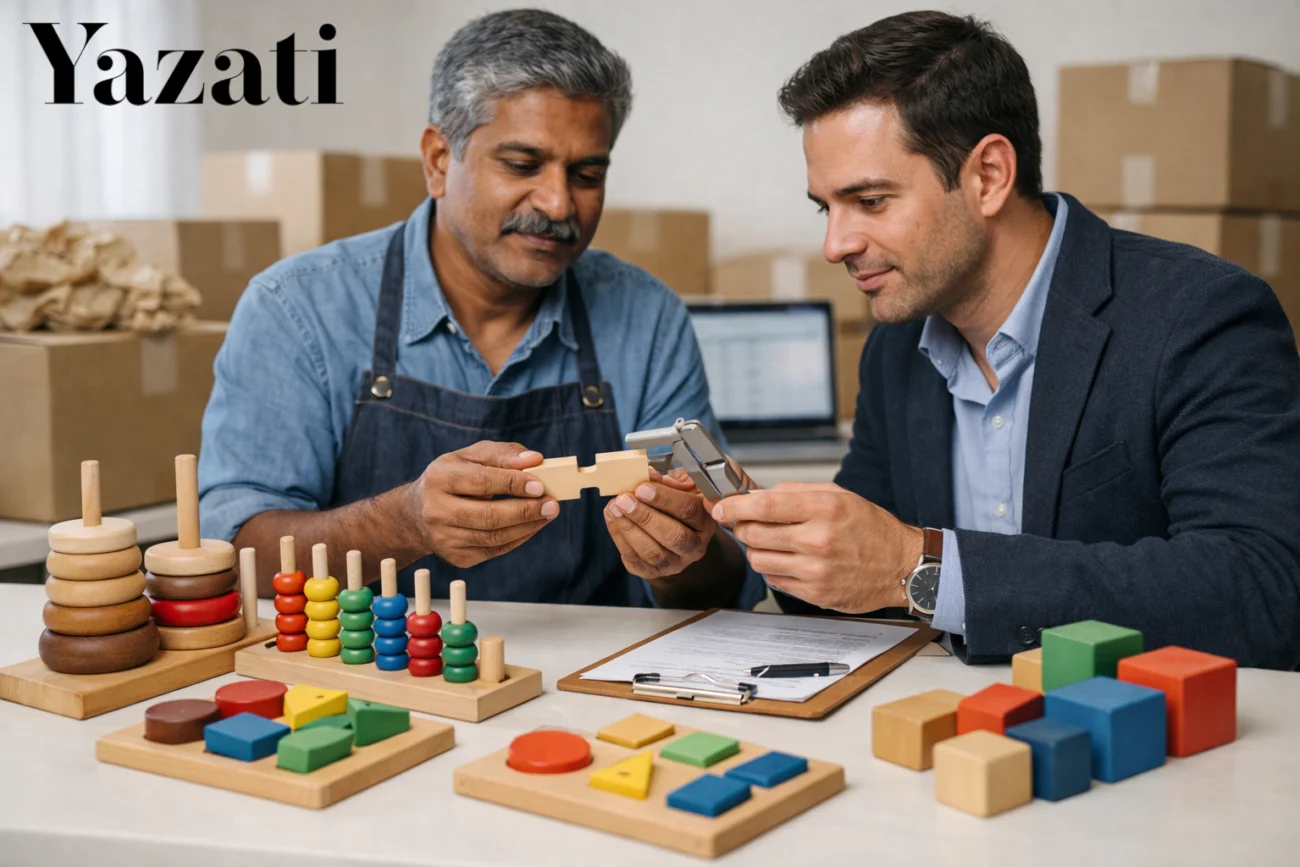
Introduction to the Global Educational Toy Market
The global educational toy market has grown rapidly over the last decade. Parents today don’t just want toys that entertain; they want toys that teach. From STEM kits to Montessori materials, educational toys now shape early childhood development in powerful ways.
This growing demand has opened doors for importers seeking affordable, high-quality products from manufacturing hubs around the world. Among these hubs, India stands out as a leading exporter of educational toys.
In this comprehensive article, we explore The Ultimate Guide for Importing Educational Toys from India, covering everything from sourcing and certification to shipping and marketing.
Why Choose India as a Sourcing Destination
India has become a global player in the toy industry. Here’s why:
Skilled Workforce and Traditional Craftsmanship
India has centuries-old traditions in woodcraft, hand-painted toys, and natural materials. Many regions specialize in wooden puzzles, stacking toys, and brain teasers that support cognitive development.
Cost Efficiency
Labor costs are lower compared to Western markets. This allows importers to enjoy competitive pricing while maintaining healthy profit margins.
Availability of Raw Materials
India has easy access to wood, cotton, bamboo, and natural dyes—making it ideal for eco-friendly educational toys.
Government Support and Export Incentives
The Indian government promotes toy manufacturing through production-linked incentives and the “Make in India” initiative. Exporters also benefit from favorable trade policies aligned with global standards.
India’s Toy Manufacturing Clusters
India’s toy production is concentrated in specific regions:
- Karnataka – Wooden toys
- Tamil Nadu – Educational puzzles
- Maharashtra – Plastic and STEM toys
- Uttar Pradesh – Handcrafted learning tools
Each region has its specialization, allowing importers to choose suppliers based on product focus.
Types of Educational Toys Available
India manufactures a wide range of educational toys:
STEM Toys
Science kits, robotics sets, coding boards, and math learning tools.
Montessori Toys
- Counting beads
- Shape sorters
- Sensory boards
- Wooden alphabets
Wooden Learning Toys
Handcrafted wooden puzzles and building blocks remain a major export category.
Eco-Friendly and Sustainable Options
With growing environmental awareness, buyers are shifting toward sustainable toys. India offers:
- FSC-certified wood
- Organic cotton toys
- Natural dyes
- Recyclable packaging
These features increase product appeal in Europe and North America.
Understanding Import Regulations
Importing toys involves strict compliance.
Customs Documentation
You will typically need:
- Commercial invoice
- Packing list
- Bill of lading
- Certificate of origin
- Import license (if required)
HS codes help determine tariff rates.
Quality and Safety Certifications
Depending on your country, you may need:
- CE certification (Europe)
- ASTM standards (USA)
- EN71 testing
- ISO quality certifications
India also follows BIS safety standards before exporting.
The rules often align with frameworks set by the World Trade Organization.
Finding Reliable Suppliers
Finding trustworthy suppliers is critical.
Trade Fairs
Attending international toy expos in India gives firsthand experience of product quality.
B2B Platforms
Platforms like Alibaba and IndiaMART allow you to compare suppliers.
Supplier Verification Process
Before finalizing:
- Request samples
- Conduct factory audits
- Check export history
- Ask for compliance documents
- Review third-party inspection reports
Never skip due diligence. It protects your investment.
Pricing Structure and Cost Breakdown
Understanding costs ensures profitability.
Manufacturing Cost
Includes raw materials, labor, overhead, and packaging.
Minimum Order Quantity (MOQ)
Indian manufacturers often offer flexible MOQs compared to Chinese suppliers.
Shipping Costs
Sea freight is cheaper for bulk orders, while air freight is faster but more expensive.
Import Duties and Taxes
Duties vary by country and HS classification. Always check your local customs authority website for updated rates.
Negotiation Strategies
Negotiation is part of the business culture.
- Start with a trial order
- Ask for bundled pricing
- Negotiate payment terms (30% advance, 70% before shipment is common)
- Discuss long-term contracts for better rates
Building relationships is key in Indian business culture.
Shipping and Logistics
Sea Freight vs Air Freight
| Mode | Advantages | Disadvantages |
|---|---|---|
| Sea Freight | Cost-effective | Slower delivery |
| Air Freight | Fast | Higher cost |
For large shipments of educational toys, sea freight is usually more economical.
Packaging and Labeling Requirements
Ensure:
- Country of origin labeling
- Safety warnings
- Age recommendations
- Barcode compliance
Custom packaging can enhance brand identity.
Risk Management and Legal Considerations
Protect yourself with:
- Clear contracts
- Incoterms (FOB, CIF, EXW)
- Product liability insurance
- Intellectual property agreements
Dispute resolution clauses should specify jurisdiction.
Marketing Imported Educational Toys
Once products arrive, success depends on marketing.
Brand Positioning
Focus on:
- Learning benefits
- Sustainability
- Safety certifications
- Cultural craftsmanship
Distribution Channels
- E-commerce platforms
- Local retailers
- Educational institutions
- Toy specialty stores
Parents appreciate storytelling. Highlight the craftsmanship and educational value behind each product.
The Ultimate Guide for Importing Educational Toys from India: Strategic Implementation
Executing the steps in The Ultimate Guide for Importing Educational Toys from India requires planning, research, and persistence.
Here’s a simplified roadmap:
- Research market demand
- Identify product category
- Shortlist suppliers
- Verify compliance
- Order samples
- Negotiate pricing
- Arrange shipping
- Market strategically
When done correctly, importing educational toys can be a highly profitable venture.
Frequently Asked Questions
1. Is importing educational toys from India profitable?
Yes, due to competitive pricing and growing demand for educational products worldwide.
2. What certifications are required?
It depends on your country. Common ones include CE, ASTM, and EN71 standards.
3. How long does shipping take?
Sea freight usually takes 20–45 days depending on destination. Air freight may take 5–10 days.
4. What is the typical MOQ?
MOQs vary but can range from 100 to 1,000 units depending on product type.
5. Are Indian educational toys eco-friendly?
Many manufacturers offer sustainable and wooden options made from natural materials.
6. How can I verify supplier reliability?
Request certifications, perform audits, and start with a small trial order.
Conclusion
The global demand for educational toys continues to rise. Parents want meaningful play, and businesses want profitable opportunities. India offers both.
By following The Ultimate Guide for Importing Educational Toys from India, you gain a clear roadmap for sourcing quality products, ensuring compliance, managing logistics, and building a strong brand.
With careful planning and smart negotiation, importing educational toys from India can become a sustainable and rewarding business venture.
✨ Discover Global Sourcing Excellence with Netyex ✨
Netyex is your trusted B2B sourcing partner, connecting international buyers with India’s finest manufacturers and curated product lines—from handicrafts and home décor to kitchenware, textiles, hospitality essentials, and more. With verified suppliers and end-to-end support, we make global procurement seamless, reliable, and efficient.
👉 Elevate your sourcing experience—explore Netyex today.
📦 Bulk orders & customisation | 🌍 Worldwide delivery | 🤝 Trusted by global buyers
Visit Netyex to source premium Indian products with confidence.