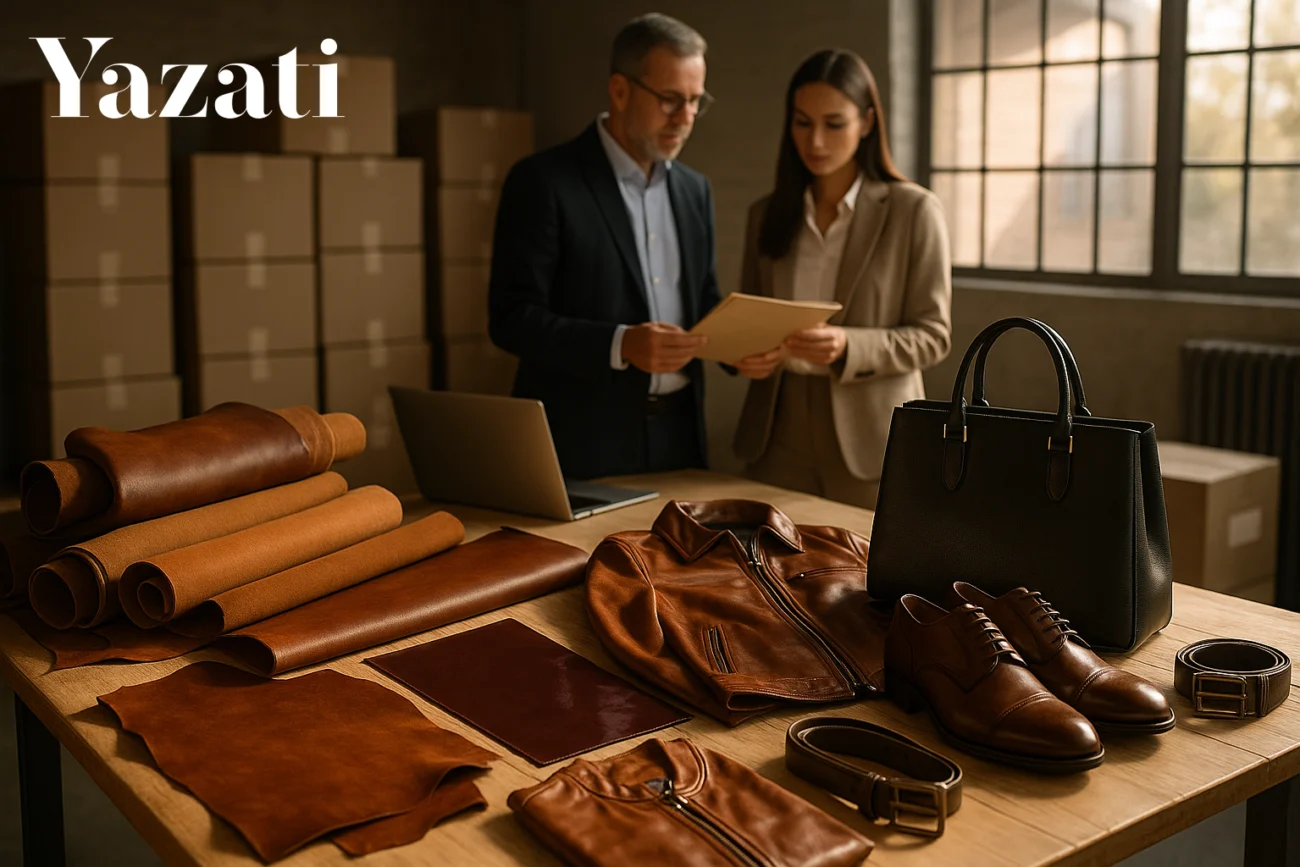
Introduction: The Global Leather Trade Landscape
Leather has been synonymous with craftsmanship, durability, and luxury for centuries. From fashion to automotive upholstery, the global leather trade has evolved into a multi-billion-dollar industry connecting artisans, manufacturers, and consumers across continents. In recent years, the leather export market has diversified and specialized, with five distinct categories emerging as the primary pillars of global trade. These categories not only define international leather commerce but also reflect shifting consumer demands, technological innovations, and sustainability priorities.
A Brief Overview of the Leather Industry
The leather industry traces its roots back thousands of years, evolving from basic animal hide preservation to advanced tanning and finishing processes. Today, it spans a complex supply chain—from rawhide procurement and chemical tanning to the production of high-end leather goods. The global leather market is valued at over USD 400 billion, with exports driven by countries such as Italy, India, China, Brazil, and Vietnam.
How Leather Became a Cornerstone of Global Commerce
Leather’s universal appeal lies in its versatility and prestige. Its application ranges from utilitarian products like footwear and furniture to high-fashion items commanding luxury prices. Over the decades, trade liberalization and technological advancements have enabled emerging economies to become global leather hubs, turning traditional craftsmanship into large-scale export industries.
Understanding Leather Classification and Trade Categories
Primary Types of Leather Used in Export Markets
Leather is broadly classified into raw hides, semi-finished leather (crust and wet-blue), and finished leather. However, in the export landscape, five product-based categories dominate — finished leather, footwear, accessories, upholstery, and garments. Each plays a critical role in shaping global trade dynamics.
The Role of Tanning and Finishing in Determining Export Quality
Tanning and finishing define leather’s quality, durability, and visual appeal. Countries renowned for superior tanning techniques, such as Italy and Spain, often command premium export prices. Advanced finishing technologies, including chrome-free and water-based processes, are also gaining traction to meet environmental regulations and ethical standards.
Category #1: Finished Leather – The Pinnacle of Export Value
What Defines Finished Leather?
Finished leather undergoes extensive processing, including dyeing, polishing, and coating, to achieve its final texture and color. It is the most refined and valuable form of leather exported worldwide, used in the production of shoes, handbags, furniture, and automotive interiors.
Major Exporting Countries for Finished Leather
Italy remains the undisputed leader, contributing over 25% of the world’s finished leather exports. Other key players include India, Brazil, and South Korea, which have invested heavily in eco-friendly tanning technologies.
Key Import Markets and Demand Trends
The European Union, United States, and Japan represent major import destinations, with growing demand for premium and sustainable leather varieties. As luxury and automotive brands prioritize high-grade materials, finished leather exports are projected to grow steadily through 2030.
Category #2: Leather Footwear – The World’s Leading Leather Export
Leather footwear tops global export charts, accounting for nearly 40% of all leather-based trade. Combining craftsmanship with mass-market appeal, footwear production is a vital economic driver for countries like Vietnam, China, and Italy.
Why Leather Footwear Tops Global Exports
Footwear is a daily necessity, and leather shoes offer unmatched comfort, style, and longevity. This universal demand ensures a consistent market base worldwide.
Top Producers and Export Destinations
Vietnam has surged as the largest leather footwear exporter, followed by China, India, and Italy. The U.S., Germany, and France lead in imports, fueling demand for premium and designer labels.
Innovations Shaping the Leather Footwear Sector
The introduction of bio-based tanning, 3D shoe printing, and sustainable leather alternatives are revolutionizing footwear exports. Brands are also emphasizing traceability and ethical sourcing to appeal to eco-conscious consumers.
Category #3: Leather Goods and Accessories
Leather goods and accessories form one of the most dynamic and profitable segments in global leather exports. This category encompasses a wide range of products, including handbags, wallets, belts, gloves, watch straps, and travel luggage. Together, they represent both everyday utility and high fashion appeal.
Popular Leather Goods Driving Export Volumes
Luxury leather goods have become global status symbols. Handbags from brands like Gucci, Louis Vuitton, and Hermès are not just accessories—they’re investments. At the same time, smaller manufacturers from countries like India, Turkey, and Bangladesh contribute significantly to mid-range and affordable segments.
Emerging Markets for Luxury Leather Accessories
The global appetite for leather accessories continues to grow, especially in emerging markets such as China, South Korea, and the UAE, where rising disposable incomes are fueling luxury spending. The e-commerce boom has also allowed small and medium enterprises to penetrate international markets with handmade, sustainable, and custom-designed leather goods.
Sustainability Trends in Leather Goods Production
Sustainability has become a decisive factor in export competitiveness. Brands are now prioritizing eco-certified leather, zero-waste production, and vegetable tanning techniques to reduce environmental impact. Moreover, consumer demand for traceable supply chains and ethical manufacturing practices has encouraged exporters to adopt global sustainability standards like Leather Working Group (LWG) certification.
Category #4: Upholstery Leather – The Automotive and Furniture Powerhouse
Upholstery leather plays a crucial role in the automotive, furniture, and aviation sectors, offering durability, comfort, and luxury. It is one of the most technically demanding categories in the leather trade, requiring precision finishing and compliance with strict safety and quality standards.
How Upholstery Leather Supports Global Industries
In the automotive industry, leather upholstery is synonymous with luxury and performance. Car manufacturers like BMW, Mercedes-Benz, and Tesla use high-grade upholstery leather to enhance aesthetics and durability. Similarly, the furniture industry relies on leather for high-end sofas, office chairs, and interiors.
Key Countries Dominating Upholstery Leather Exports
Italy, Germany, and Argentina are among the top exporters of upholstery leather, with China and Mexico quickly catching up. These countries benefit from advanced tanning technology and established partnerships with global automotive and furniture brands.
Market Forecast and Growth Potential
The upholstery leather market is projected to grow at a CAGR of 5.8% through 2030, driven by increased global vehicle production and rising demand for premium interiors. Eco-friendly innovations, such as chrome-free automotive leather and recycled hide materials, are expected to further strengthen export performance.
Category #5: Leather Garments – A Fusion of Fashion and Function
Leather garments, including jackets, coats, skirts, and pants, blend functionality with timeless style. Although smaller in export volume compared to footwear or upholstery, this segment commands high value due to its craftsmanship and brand-driven appeal.
Leather Garments as a Niche Yet Valuable Export Segment
This category thrives on seasonal fashion cycles and celebrity endorsements. Italy, India, and Pakistan are leading exporters, catering to both luxury fashion houses and mass-market apparel brands. The U.S., UK, and Germany remain top importers, particularly for winter and fashion collections.
Major Export Hubs for Leather Apparel
India’s Kanpur and Chennai, Pakistan’s Sialkot, and Turkey’s Istanbul have emerged as major production hubs. These regions combine skilled artisanship with modern finishing techniques to produce garments that meet stringent global standards.
Market Shifts and Consumer Preferences
Today’s leather apparel market is shifting toward lightweight, eco-friendly, and cruelty-free materials. Innovations such as vegetable-tanned lamb leather and lab-grown leather are helping exporters attract conscious consumers while maintaining luxury appeal.
Key Players and Global Trade Leaders in Leather Exports
The global leather export landscape is dominated by a handful of powerhouses:
| Rank | Country | Primary Export Category | Key Strength |
| 1 | Italy | Finished Leather, Footwear | Luxury craftsmanship & innovation |
| 2 | China | Footwear, Leather Goods | Scale & efficiency |
| 3 | India | Garments, Finished Leather | Skilled labor & sustainability |
| 4 | Brazil | Raw & Finished Leather | Abundant raw material supply |
| 5 | Vietnam | Footwear | Cost-effective mass production |
Role of Trade Agreements and Regulations
Trade agreements such as EU–Vietnam Free Trade Agreement (EVFTA) and India–EU FTA negotiations significantly impact leather export growth. Compliance with REACH regulations (for chemical safety in Europe) and ISO certifications has become essential for maintaining market access and credibility.
Economic Impact of Leather Exports on Developing Nations
Employment and Income Generation
Leather exports are a cornerstone of employment in many developing economies. In countries like India, Pakistan, and Bangladesh, the leather industry provides jobs to over 5 million people, including a large number of women artisans involved in stitching and finishing.
Leather Export Clusters in Asia, Europe, and Africa
Global trade has encouraged the formation of specialized leather clusters:
- Asia: Kanpur (India), Haining (China), Ho Chi Minh City (Vietnam)
- Europe: Tuscany (Italy), Ubrique (Spain)
- Africa: Addis Ababa (Ethiopia), Cairo (Egypt)
These clusters contribute to regional economic growth while ensuring localized expertise in leather processing and product design.
Sustainability and Ethical Practices in Leather Trade
Eco-friendly Tanning and Recycling Initiatives
Traditional chrome tanning, while efficient, poses environmental risks. In response, exporters are shifting to vegetable tanning, enzymatic tanning, and water-based finishing. Companies are also recycling leather scraps to create composite materials for fashion and furniture.
Consumer Demand for Sustainable Leather
Modern consumers prefer transparency. Brands adopting traceable sourcing, ethical labor practices, and green certification are gaining a competitive edge. According to market surveys, over 60% of global consumers now consider sustainability a major factor in purchasing leather goods.
Challenges Facing Global Leather Exporters
Environmental Regulations and Compliance Costs
Stringent environmental standards have increased compliance costs, especially for small and medium exporters. Adopting clean technologies, while essential, requires substantial investment.
Competition from Synthetic Alternatives
Synthetic leather, or “vegan leather,” has emerged as a strong competitor. While it appeals to eco-conscious consumers, it often lacks the natural texture, longevity, and biodegradability of genuine leather.
Volatility in Raw Material Pricing
Fluctuations in livestock supply, chemical costs, and trade tariffs can significantly impact profitability. Exporters are increasingly turning to supply chain digitalization to manage these risks effectively.
Future Outlook: The Next Decade of Leather Exports
Growth Forecast for Each Major Leather Category
- Finished Leather: Expected CAGR of 4.5%, driven by luxury demand.
- Footwear: Steady 5% growth, fueled by urbanization and fashion trends.
- Accessories: Rapid 6.2% rise, led by e-commerce and personalization.
- Upholstery: Growing 5.8% annually with automotive sector expansion.
- Garments: Niche growth at 3.5%, supported by eco-friendly innovations.
The Digital Shift and Smart Supply Chains
Artificial intelligence and blockchain are transforming the leather export value chain. Smart tracking ensures authenticity, transparency, and traceability, building consumer trust and regulatory compliance.
FAQs about Global Leather Exports
1. Which country is the largest exporter of leather products?
Italy leads global leather exports, known for its high-quality finished leather and luxury craftsmanship.
2. What is the most exported leather product worldwide?
Leather footwear dominates, accounting for nearly 40% of total global leather exports.
3. How does sustainability impact leather exports?
Eco-friendly tanning, recycling initiatives, and transparent supply chains are increasingly shaping consumer preferences and trade policies.
4. Which emerging markets show the fastest growth in leather exports?
Vietnam, Bangladesh, and Ethiopia are rapidly expanding due to cost advantages and international partnerships.
5. Are synthetic leathers replacing real leather in exports?
Not entirely. While synthetic alternatives are gaining traction, genuine leather remains irreplaceable for luxury and durability.
6. How can small exporters compete globally?
By focusing on niche craftsmanship, sustainable practices, and digital trade platforms that connect directly with buyers.
Conclusion: The Ever-Evolving World of Leather Trade
The Top 5 Leather Categories That Dominate Global Exports—finished leather, footwear, accessories, upholstery, and garments—reflect not just global demand but also innovation and cultural identity. As sustainability, technology, and luxury converge, the leather industry stands at the crossroads of tradition and transformation. The future belongs to exporters who embrace ethical production, invest in innovation, and align with evolving consumer expectations.
✨ Discover Global Sourcing Excellence with Netyex ✨
Netyex is your trusted B2B sourcing partner, connecting international buyers with India’s finest manufacturers and curated product lines—from handicrafts and home décor to kitchenware, textiles, hospitality essentials, and more. With verified suppliers and end-to-end support, we make global procurement seamless, reliable, and efficient.
👉 Elevate your sourcing experience—explore Netyex today.
📦 Bulk orders & customisation | 🌍 Worldwide delivery | 🤝 Trusted by global buyers
Visit Netyex to source premium Indian products with confidence.