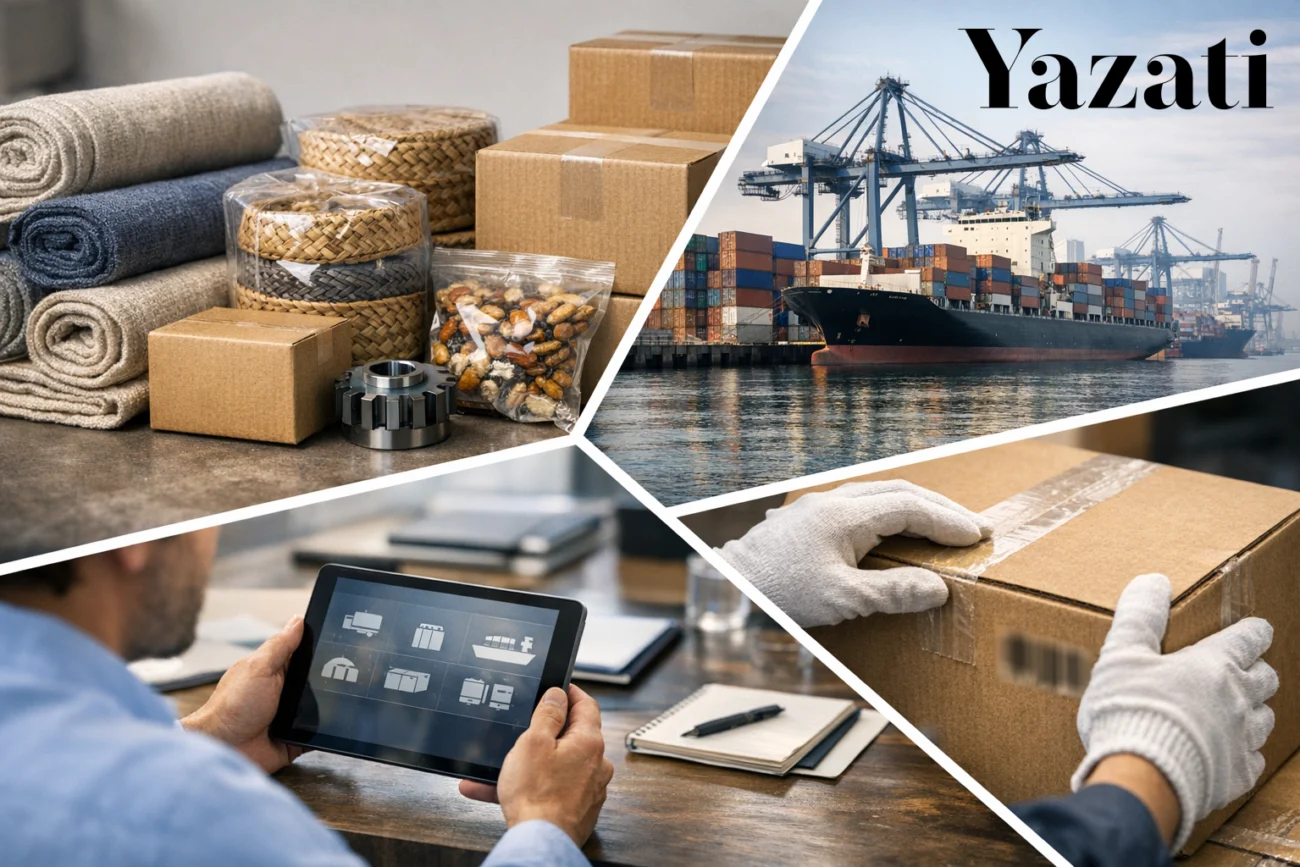
Understanding Multi-Category Shipping for Global Buyers
Global sourcing has evolved. Today’s buyers often purchase a wide range of products from the same country or region—sometimes from the same supplier, sometimes from multiple suppliers. Instead of shipping each product category separately, many buyers choose to consolidate them into a single shipment. This approach is known as multi-category shipping, and understanding it is essential for efficient international trade.
Understanding Multi-Category Shipping for Global Buyers helps explain how mixed-product shipments work, why they are increasingly common, and what buyers must consider to avoid delays, damage, or unexpected costs. While multi-category shipping can offer major advantages, it also introduces complexity that requires careful planning.
Introduction: What Is Multi-Category Shipping
Why Global Buyers Use Multi-Category Shipments
Multi-category shipping refers to transporting different types of products together in one shipment or container. These products may vary in size, weight, fragility, material, and regulatory requirements.
Buyers choose this approach to:
- Reduce freight costs
- Simplify procurement logistics
- Receive goods together instead of in multiple deliveries
- Improve inventory coordination
How It Differs From Single-Product Shipping
Single-product shipping is simpler because all items follow the same handling, packaging, and documentation rules. Multi-category shipping, by contrast, must accommodate the most demanding requirements among all included products.
The Growing Importance of Multi-Category Shipping in Global Trade
Buyer Demand for Consolidated Shipments
Global buyers increasingly prefer fewer, larger shipments rather than many small ones. Consolidation reduces administrative work, lowers per-unit freight costs, and simplifies customs clearance at destination.
Cost and Time Pressures
Rising freight rates and longer transit times have made efficiency a priority. Multi-category shipping helps buyers make better use of container space and reduce overall logistics spend.
Common Product Categories in Multi-Category Shipments
Consumer Goods and Lifestyle Products
These may include home décor, handicrafts, textiles, accessories, and gift items. While diverse, they are often lightweight and suitable for consolidation when packaged correctly.
Industrial, Decorative, and Utility Items
Heavier or more rigid products such as tools, hardware, or utility items may be shipped alongside lighter goods, requiring careful load planning to prevent damage.
Key Challenges in Multi-Category Shipping
Different Packaging and Handling Requirements
Each product category may require different packaging strength, cushioning, or orientation. Combining them without proper planning increases the risk of breakage or deformation.
Mixed Compliance and Documentation Needs
Different products may fall under different regulatory rules, classifications, or inspection requirements. One non-compliant item can delay the entire shipment.
Understanding Compatibility Between Product Categories
Weight, Fragility, and Stacking Constraints
Heavier items should never be stacked on fragile ones. Compatibility analysis ensures that product categories can safely share the same container without compromising quality.
Hazardous vs Non-Hazardous Goods
Some goods cannot be shipped with others due to safety or regulatory restrictions. Buyers must clearly identify any restricted items before planning consolidation.
Packaging Strategies for Multi-Category Shipments
Standardization Without Compromising Protection
Standardized outer packaging helps with stacking and space utilization, but internal protection must still be customized for each product type.
Preventing Cross-Damage
Separators, inner cartons, and zoning inside containers prevent products from rubbing, crushing, or contaminating one another during transit.
Container Planning and Space Optimization
Load Sequencing and Zoning
Products are loaded in a specific sequence, with heavier and more stable items placed first. Zoning helps keep incompatible categories apart while maximizing usable space.
Maximizing Container Utilization
Efficient container planning ensures that space is fully used without overloading or creating pressure points that could damage goods.
Documentation Complexity in Multi-Category Shipping
Harmonized Codes and Product Classification
Each product category must be classified correctly. Errors in classification can result in incorrect duties, inspections, or penalties.
Invoices and Packing Lists for Mixed Goods
Documentation must clearly list each product category, quantity, and value. Vague or combined descriptions often trigger customs queries.
Customs Clearance Considerations for Buyers
Duties, Taxes, and Inspection Risks
Different categories may attract different duty rates. Mixed shipments may also face higher inspection risk, making accuracy and transparency essential.
Country-Specific Import Rules
Some countries impose restrictions or additional requirements on specific product categories. Buyers must ensure all items comply with destination regulations.
Cost Implications of Multi-Category Shipping
When Consolidation Saves Money
Shipping multiple categories together often reduces freight cost per unit, port handling fees, and inland transportation expenses.
Hidden Costs Buyers Should Watch For
Potential hidden costs include:
- Repacking or relabeling
- Delays due to one non-compliant item
- Additional inspections
Transit Time and Delivery Planning
Coordinating Different Production Timelines
Products from different categories may be ready at different times. Buyers must decide whether to wait and consolidate or ship partially.
Managing Partial Delays
One delayed product category can hold up the entire shipment. Clear planning helps buyers balance speed and cost.
Risk Management in Multi-Category Shipments
Damage, Claims, and Insurance Coverage
Insurance policies must cover all product categories adequately. Buyers should ensure coverage reflects the most fragile or valuable items.
Accountability Across Categories
Clear responsibility for packaging, loading, and documentation reduces disputes if issues arise.
Best Practices for Global Buyers
Planning, Communication, and Checklists
Successful multi-category shipping depends on early planning, detailed checklists, and clear communication with suppliers and logistics providers.
Working With Experienced Logistics Partners
Experienced partners understand how to manage mixed loads, documentation complexity, and compliance risks efficiently.
FAQs on Multi-Category Shipping
1. What is multi-category shipping?
It is the shipment of different product categories together in one container or shipment.
2. Why do buyers prefer multi-category shipping?
It reduces costs, simplifies logistics, and improves inventory coordination.
3. Is multi-category shipping riskier?
It can be if not planned properly, but structured packaging and documentation reduce risk.
4. Can all products be shipped together?
No. Some products are incompatible due to safety or regulatory reasons.
5. Does customs clearance take longer for mixed shipments?
It can, especially if documentation is unclear or inconsistent.
6. How can buyers reduce risks in multi-category shipping?
Through early planning, accurate documentation, and experienced logistics support.
Conclusion: Making Multi-Category Shipping Work for Buyers
Understanding Multi-Category Shipping for Global Buyers is about recognizing both opportunity and responsibility. Consolidated shipments offer efficiency, cost savings, and operational simplicity—but only when managed correctly.
By understanding compatibility, packaging needs, documentation requirements, and risks, buyers can confidently use multi-category shipping as a strategic advantage. In today’s global trade environment, informed buyers who plan carefully gain smoother deliveries, lower costs, and stronger supply chain control.
✨ Discover Global Sourcing Excellence with Netyex ✨
Netyex is your trusted B2B sourcing partner, connecting international buyers with India’s finest manufacturers and curated product lines—from handicrafts and home décor to kitchenware, textiles, hospitality essentials, and more. With verified suppliers and end-to-end support, we make global procurement seamless, reliable, and efficient.
👉 Elevate your sourcing experience—explore Netyex today.
📦 Bulk orders & customisation | 🌍 Worldwide delivery | 🤝 Trusted by global buyers
Visit Netyex to source premium Indian products with confidence.