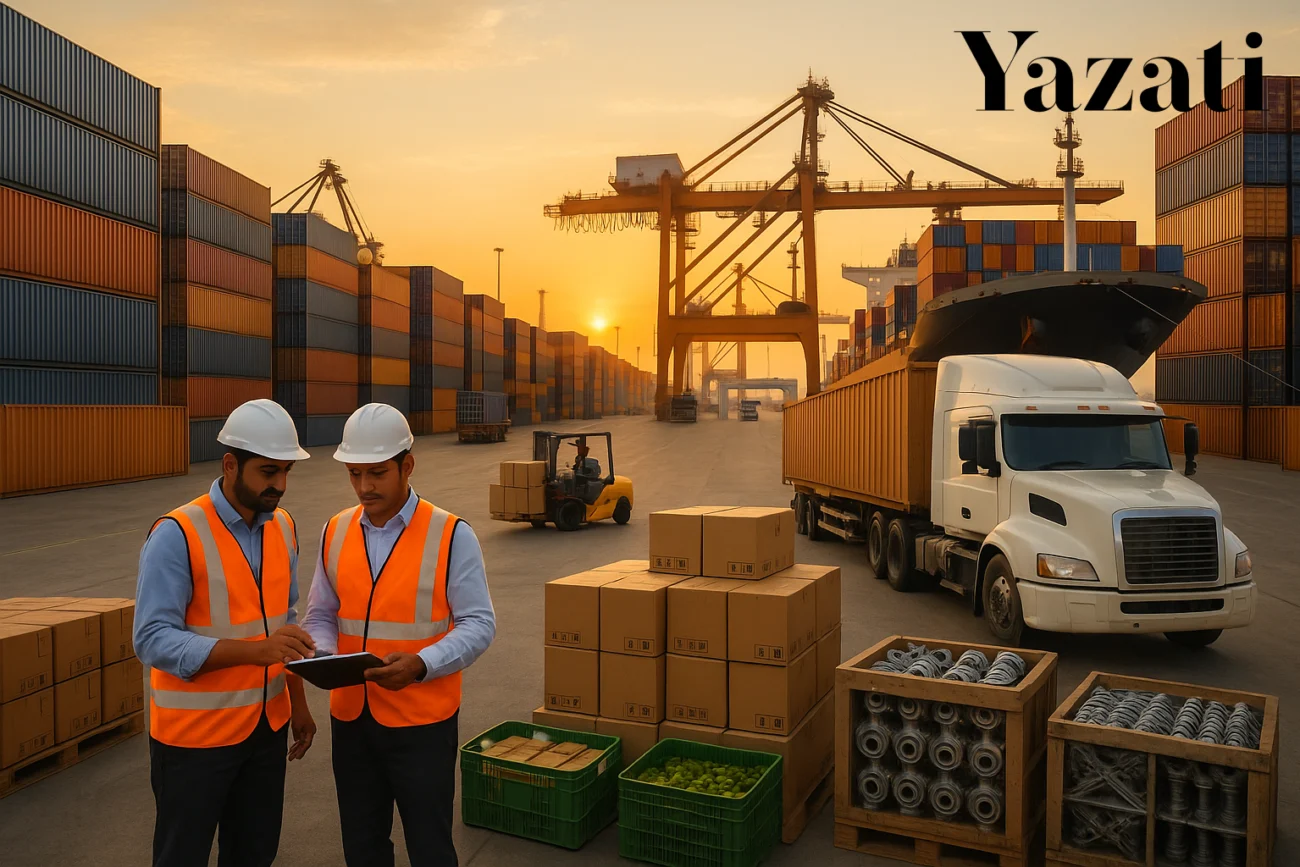
Introduction to the Indian Export Supply Chain
Understanding the End-to-End Export Supply Chain in India is essential for businesses aiming to compete in global markets. India is one of the world’s fastest-growing exporting nations, supplying goods ranging from agricultural products and textiles to pharmaceuticals, engineering goods, and IT services. Behind every exported product lies a complex yet structured supply chain that ensures goods move efficiently from factories to international buyers.
An export supply chain connects manufacturers, logistics providers, customs authorities, financial institutions, and overseas distributors. When managed well, it reduces costs, improves delivery timelines, and strengthens India’s reputation as a reliable trading partner. For new exporters and seasoned businesses alike, understanding each stage helps avoid delays, penalties, and financial risks.
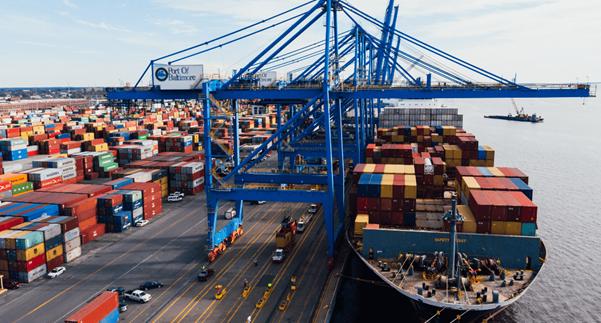
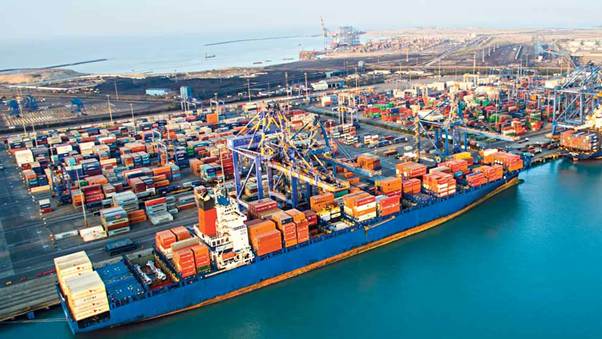
What Is an Export Supply Chain?
An export supply chain refers to the complete network of activities involved in moving goods from a domestic producer to an international customer. It starts with sourcing raw materials and ends with final delivery and payment realization.
Key Objectives of an Export Supply Chain
The main goals of an efficient export supply chain include:
- Ensuring product quality and compliance with international standards
- Minimizing transit time and logistics costs
- Maintaining transparency in documentation and financial flows
- Managing risks related to customs, currency, and transportation
In the context of Understanding the End-to-End Export Supply Chain in India, these objectives are shaped by India’s regulatory environment, infrastructure, and global trade relationships.
Overview of India’s Export Ecosystem
India’s export ecosystem is supported by a mix of government initiatives, private enterprises, and global trade partnerships.
Major Export Sectors in India
India exports a wide variety of products, including:
- Agricultural commodities like rice, spices, and tea
- Textiles and garments
- Pharmaceuticals and medical devices
- Engineering goods and automobiles
- Petroleum products and chemicals
These exports flow through a network of ports, airports, inland container depots, and logistics corridors across the country.
Role of Government and Trade Bodies
Government bodies such as the Directorate General of Foreign Trade (DGFT), customs authorities, and export promotion councils play a vital role. Initiatives like “Make in India” and “Digital India” have further strengthened the export supply chain by improving manufacturing and documentation processes. You can explore official export guidelines through the Ministry of Commerce and Industry website (external reference: https://commerce.gov.in).
Stage 1: Product Sourcing and Manufacturing
The export supply chain begins at the source — raw materials and manufacturing units.
Raw Material Procurement
Manufacturers source raw materials either domestically or through imports. Reliable suppliers, cost efficiency, and consistent quality are critical at this stage. Any disruption here can affect production schedules and export commitments.
Quality Control and Compliance
Export products must meet both Indian regulations and the importing country’s standards. Certifications such as ISO, HACCP, or product-specific approvals are often required. Quality inspections at the factory level reduce the risk of rejection at foreign ports.
Stage 2: Packaging, Labeling, and Warehousing
Once products are ready, they move into packaging and storage.
Export Packaging Standards
Export packaging must protect goods during long-distance transportation. It also needs to comply with international labeling norms, including:
- Country of origin
- Product description
- Handling instructions
- Safety and compliance markings
Poor packaging can lead to damage, losses, and insurance claims.
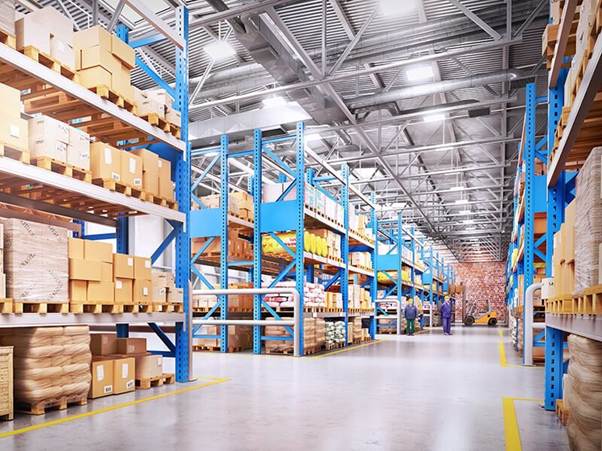
Warehousing and Inventory Management
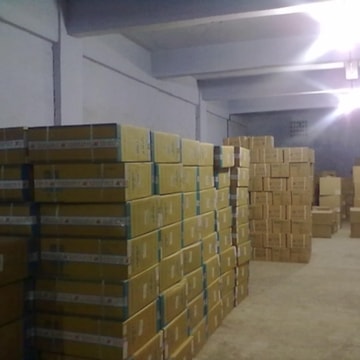
Warehouses act as buffers between production and shipment. In India, exporters use private warehouses, bonded warehouses, or facilities near ports and industrial clusters. Efficient inventory management ensures timely order fulfillment.
Stage 3: Documentation and Regulatory Compliance
Documentation is one of the most critical aspects of Understanding the End-to-End Export Supply Chain in India.
Mandatory Export Documents
Common export documents include:
- Commercial Invoice
- Packing List
- Shipping Bill
- Bill of Lading or Airway Bill
- Certificate of Origin
- Insurance Certificate
Errors or mismatches in documents can cause customs delays and financial losses.
Customs and Regulatory Authorities
Indian customs authorities verify export declarations, product classification, and valuation. Digital platforms like ICEGATE have streamlined the filing and clearance process, reducing paperwork and manual intervention.
Stage 4: Inland Transportation and Logistics
After documentation, goods move from factories or warehouses to ports or airports.
Road, Rail, and Multimodal Transport
India uses a mix of transportation modes:
- Road transport for short and medium distances
- Rail transport for bulk and long-distance cargo
- Multimodal logistics combining road, rail, and sea
The choice depends on cargo type, urgency, and cost considerations.
Role of Freight Forwarders
Freight forwarders coordinate transportation, documentation, and customs clearance. They act as intermediaries between exporters and logistics providers, ensuring smooth cargo movement.
Stage 5: Port Operations and Customs Clearance
Ports are the backbone of India’s export supply chain.
Major Ports and ICDs in India
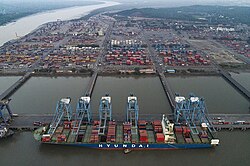
India has several major and minor ports handling exports, supported by Inland Container Depots (ICDs) and Container Freight Stations (CFS). Efficient port operations reduce dwell time and logistics costs.
Export Customs Clearance Process
At the port, customs officers examine cargo, verify documents, and grant clearance. Once cleared, containers are loaded onto vessels or aircraft for international shipment.
Stage 6: International Shipping and Delivery
This stage connects India to global markets.
Modes of International Transport
Exporters choose between:
- Sea freight for bulk and non-urgent cargo
- Air freight for high-value or time-sensitive goods
The choice affects cost, delivery time, and risk exposure.
Last-Mile Delivery Abroad
Once goods reach the destination country, local distributors or logistics partners handle customs clearance and final delivery to buyers. Clear communication with overseas partners ensures smooth completion of the supply chain.
Financial Flow in the Export Supply Chain
The physical movement of goods is supported by financial transactions.
Export Payments and Incoterms
Export contracts specify payment terms and Incoterms such as FOB, CIF, or DDP. These define cost responsibilities, risk transfer, and delivery obligations between buyer and seller.
Role of Banks and Export Credit Agencies
Banks facilitate export payments through letters of credit, advance payments, or open accounts. Export credit agencies provide insurance and financial support to reduce payment risks.
Digitalization in India’s Export Supply Chain
Digital tools have transformed Understanding the End-to-End Export Supply Chain in India. Online documentation, tracking systems, and data analytics improve transparency and efficiency. Government portals integrate customs, shipping, and regulatory processes, making exports faster and more reliable.
Challenges in the Indian Export Supply Chain
Despite improvements, challenges remain:
- Infrastructure gaps in certain regions
- Complex compliance requirements
- Port congestion during peak seasons
- Global disruptions such as geopolitical tensions or pandemics
Addressing these challenges requires coordinated efforts from government and industry stakeholders.
Future of Export Supply Chain in India
India’s export supply chain is evolving rapidly. Investments in logistics parks, port modernization, and digital platforms are expected to reduce costs and improve competitiveness. Sustainability and green logistics are also becoming priorities, aligning Indian exports with global environmental standards.
Frequently Asked Questions (FAQs)
1. What is meant by the end-to-end export supply chain in India?
It refers to the complete process of moving goods from Indian manufacturers to international buyers, including sourcing, production, logistics, documentation, shipping, and payment.
2. Why is documentation so important in Indian exports?
Accurate documentation ensures customs clearance, compliance with regulations, and timely payment realization.
3. Which transport mode is most commonly used for exports from India?
Sea freight is the most common due to its cost efficiency for bulk cargo.
4. How does digitalization help exporters in India?
It reduces paperwork, improves tracking, speeds up customs clearance, and enhances transparency.
5. What role do freight forwarders play?
They coordinate logistics, documentation, and customs processes on behalf of exporters.
6. What are the biggest challenges in India’s export supply chain?
Infrastructure limitations, regulatory complexity, and global market uncertainties are major challenges.
Conclusion
Understanding the End-to-End Export Supply Chain in India empowers businesses to operate efficiently, reduce risks, and compete globally. From sourcing raw materials to delivering goods overseas, each stage plays a critical role in ensuring export success. As India continues to modernize its logistics and trade infrastructure, exporters who understand and optimize their supply chains will be best positioned for long-term growth.
✨ Discover Global Sourcing Excellence with Netyex ✨
Netyex is your trusted B2B sourcing partner, connecting international buyers with India’s finest manufacturers and curated product lines—from handicrafts and home décor to kitchenware, textiles, hospitality essentials, and more. With verified suppliers and end-to-end support, we make global procurement seamless, reliable, and efficient.
👉 Elevate your sourcing experience—explore Netyex today.
📦 Bulk orders & customisation | 🌍 Worldwide delivery | 🤝 Trusted by global buyers
Visit Netyex to source premium Indian products with confidence.