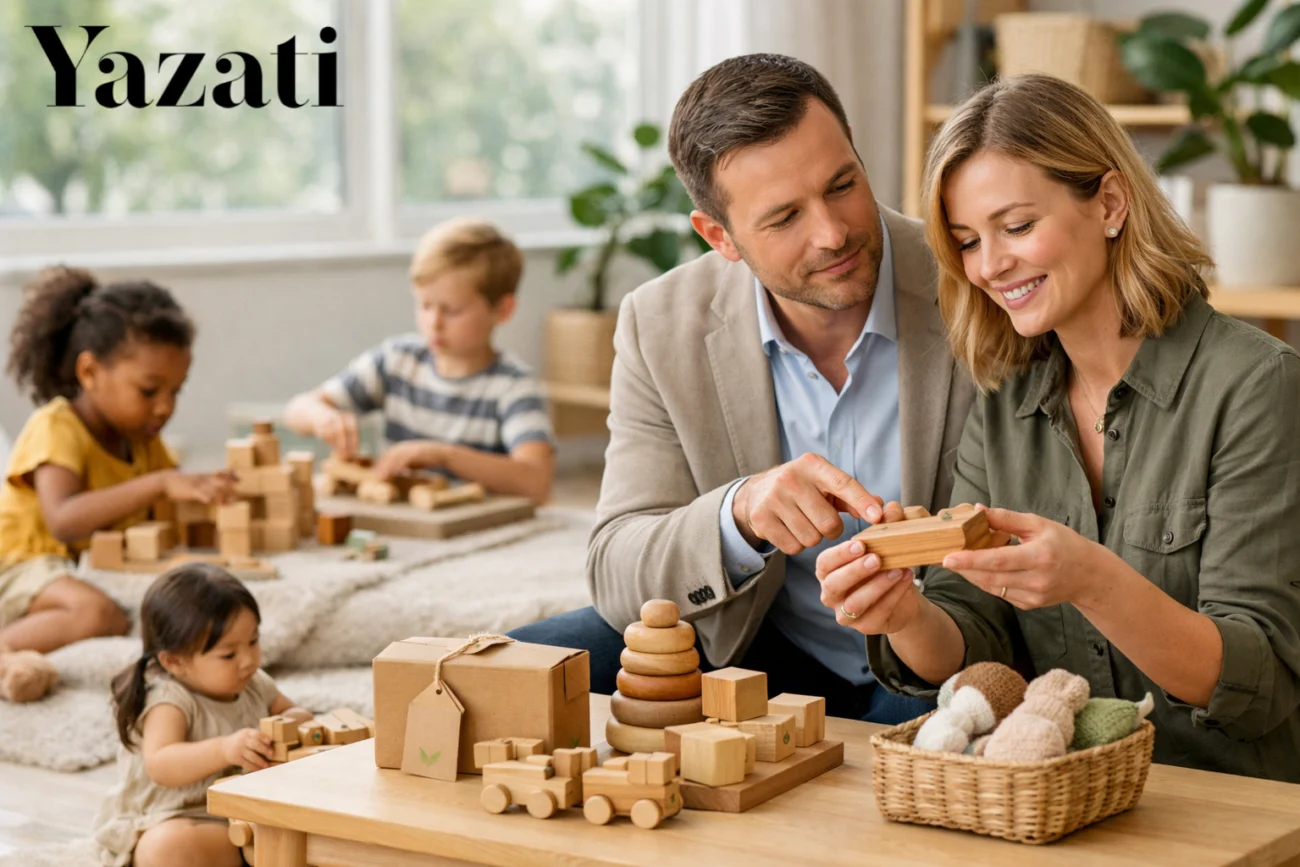
Introduction to Sustainable Play Materials
Sustainable living is no longer just a trend—it’s becoming a necessity. One area where this shift is clearly visible is in children’s toys and play products. Today, more parents and buyers are realizing why buyers should invest in sustainable play materials to create a healthier future for both children and the planet.
Sustainable play materials are designed with environmental responsibility, safety, and longevity in mind. Unlike conventional toys made from cheap plastics and harmful chemicals, these materials offer a smarter, safer alternative.
What Are Sustainable Play Materials?
Sustainable play materials refer to toys and play items made from eco-friendly, renewable, or recycled resources. These products are designed to minimize environmental impact while maximizing usability and safety.
Common materials include:
- FSC-certified wood
- Organic cotton
- Bamboo
- Recycled plastics
- Natural rubber
These materials are biodegradable or recyclable, making them far less harmful to the environment.
Growing Demand for Eco-Friendly Toys
The demand for sustainable toys has surged in recent years. Parents are becoming more conscious of what their children are exposed to, both physically and environmentally.
Key drivers of this trend include:
- Rising environmental awareness
- Health concerns related to toxic chemicals
- Desire for long-lasting products
This shift shows clearly why buyers should invest in sustainable play materials—they align with modern values and responsible consumption.
Environmental Benefits of Sustainable Play Materials
Reducing Plastic Waste
Traditional toys contribute significantly to global plastic waste. Many of these toys end up in landfills, where they take hundreds of years to decompose.
Sustainable play materials help reduce this burden by:
- Using biodegradable components
- Encouraging recycling
- Minimizing single-use plastics
Lower Carbon Footprint
Eco-friendly toys are typically manufactured using energy-efficient processes. This reduces greenhouse gas emissions and conserves natural resources.
Renewable Resource Usage
Materials like wood and bamboo are renewable, meaning they can be replenished naturally. This ensures long-term sustainability without depleting the earth’s resources.
Health and Safety Advantages for Children
Non-Toxic Materials
One of the most important reasons why buyers should invest in sustainable play materials is child safety.
Eco-friendly toys avoid:
- BPA
- Phthalates
- Lead-based paints
This reduces the risk of health issues and ensures safer playtime.
Safer Manufacturing Processes
Sustainable brands often follow strict safety standards during production. This means fewer harmful emissions and cleaner products.
Allergy-Free and Chemical-Free Play
Natural materials are less likely to trigger allergies. Children can play freely without exposure to harsh chemicals.
Long-Term Cost Effectiveness
Durability and Longevity
Sustainable toys are built to last. Unlike cheap plastic toys that break easily, eco-friendly alternatives are sturdy and durable.
Benefits include:
- Longer usage
- Less wear and tear
- Better value over time
Reduced Replacement Costs
Because these toys last longer, buyers don’t need to replace them frequently. This leads to significant savings in the long run.
Supporting Ethical and Responsible Brands
Fair Trade and Ethical Production
Many sustainable toy companies prioritize ethical practices. This includes fair wages, safe working conditions, and environmentally responsible production.
Supporting Local and Small Businesses
Buying sustainable play materials often means supporting small-scale artisans and local businesses. This helps strengthen communities and promotes ethical commerce.
Educational and Developmental Benefits
Encouraging Creativity and Imagination
Sustainable toys are often simpler in design, which encourages children to use their imagination.
Examples include:
- Wooden blocks
- Open-ended play sets
- Handmade dolls
Promoting Mindful Play
Eco-friendly toys promote slower, more thoughtful play. This helps children focus better and develop problem-solving skills.
Less Screen Dependency
These toys reduce reliance on digital devices, encouraging physical and cognitive development.
Types of Sustainable Play Materials Available
Wooden Toys
Wooden toys are classic, durable, and biodegradable. They are often free from harmful chemicals and designed for long-term use.
Organic Fabric Toys
Made from natural fibers like cotton or wool, these toys are soft, safe, and environmentally friendly.
Recycled Plastic Toys
These toys give new life to old materials, reducing waste while maintaining functionality.
How to Identify Sustainable Play Materials
Certifications and Labels
Look for certifications such as:
- FSC (Forest Stewardship Council)
- GOTS (Global Organic Textile Standard)
- Non-toxic safety labels
Material Transparency
Brands that clearly state their materials and sourcing practices are usually more trustworthy.
Packaging Considerations
Sustainable products often use minimal or recyclable packaging, reducing overall waste.
Challenges and Misconceptions
Higher Initial Costs
One common misconception is that sustainable toys are too expensive. While they may cost more upfront, they offer better value over time due to durability.
Limited Availability
Although availability was once limited, sustainable play materials are now widely accessible both online and in stores.
The Future of Sustainable Play
Innovation in Eco-Friendly Materials
New materials like plant-based plastics and biodegradable composites are transforming the toy industry.
Increasing Consumer Awareness
As awareness grows, more buyers are choosing sustainable options. This shift will continue to drive innovation and accessibility.
FAQs About Sustainable Play Materials
1. What makes a toy sustainable?
A sustainable toy is made from eco-friendly, non-toxic, and renewable materials with minimal environmental impact.
2. Are sustainable toys safer for children?
Yes, they are generally free from harmful chemicals, making them safer for kids.
3. Do sustainable toys last longer?
Absolutely. They are designed for durability and long-term use.
4. Are they worth the higher price?
Yes, because they reduce replacement costs and offer better quality.
5. Where can I buy sustainable play materials?
They are available in eco-friendly stores, online marketplaces, and specialty toy shops.
6. Can sustainable toys be recycled?
Many can be recycled or are biodegradable, reducing environmental impact.
Conclusion
Understanding why buyers should invest in sustainable play materials is essential in today’s eco-conscious world. These products offer a perfect balance of safety, durability, and environmental responsibility.
From protecting children’s health to reducing environmental damage, the benefits are clear and compelling. While the initial cost may be higher, the long-term advantages far outweigh the investment.
Choosing sustainable play materials isn’t just a purchase—it’s a commitment to a better future.
✨ Discover Global Sourcing Excellence with Netyex ✨
Netyex is your trusted B2B sourcing partner, connecting international buyers with India’s finest manufacturers and curated product lines—from handicrafts and home décor to kitchenware, textiles, hospitality essentials, and more. With verified suppliers and end-to-end support, we make global procurement seamless, reliable, and efficient.
👉 Elevate your sourcing experience—explore Netyex today.
📦 Bulk orders & customisation | 🌍 Worldwide delivery | 🤝 Trusted by global buyers
Visit Netyex to source premium Indian products with confidence.