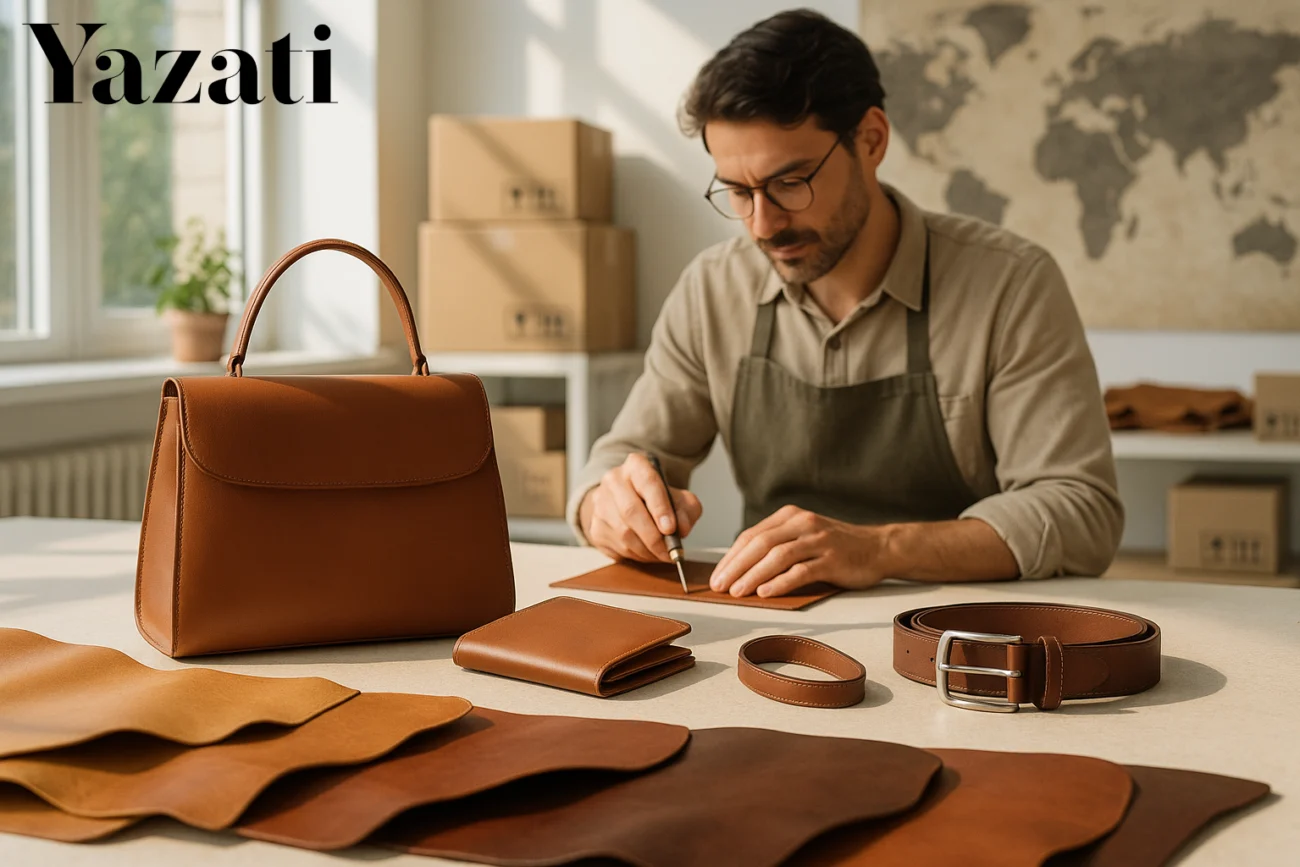
Introduction: The Changing Landscape of Global Fashion
The global fashion industry is experiencing a seismic shift. Once dominated by fast fashion and mass production, it is now being transformed by sustainability, ethics, and transparency. As consumers become more conscious of their choices, the demand for ethical leather has surged — redefining what luxury and responsibility truly mean in fashion exports.
Ethical leather is not merely a passing trend. It represents a powerful evolution — one that aligns profitability with purpose. From environmentally friendly tanning processes to cruelty-free sourcing, ethical leather is paving the way for a cleaner, greener, and more responsible future in fashion.
Understanding Ethical Leather: A Revolution in Material Sourcing
What Makes Leather “Ethical”?
Ethical leather refers to hides and materials sourced and processed using sustainable, cruelty-free, and environmentally conscious methods. Unlike traditional leather, which often relies on harmful chemicals like chromium, ethical leather focuses on natural tanning processes, traceable supply chains, and animal welfare.
It’s not just about the final product — it’s about how the leather is made. Every step, from sourcing to production, reflects a commitment to minimizing harm and maximizing responsibility.
Sustainable vs. Conventional Leather: The Key Differences
| Aspect | Conventional Leather | Ethical Leather |
| Source | Often linked to factory farming | Byproduct of responsible livestock or plant-based alternatives |
| Tanning | Chromium and synthetic dyes | Vegetable tanning and non-toxic dyes |
| Traceability | Limited transparency | Fully traceable supply chains |
| Environmental Impact | High carbon footprint | Significantly reduced emissions |
| Consumer Appeal | Style-driven | Value-driven (style + sustainability) |
The Environmental Impact of Traditional Leather Production
The Carbon Footprint and Chemical Waste Problem
Traditional leather manufacturing is notoriously resource-intensive. It uses vast amounts of water and releases toxic waste into waterways due to chemicals like chromium salts. The global leather tanning industry contributes heavily to CO₂ emissions and often lacks proper waste management infrastructure in developing nations.
Animal Welfare Concerns in the Leather Industry
Ethical concerns go beyond pollution. In conventional systems, animals are often raised under inhumane conditions solely for their hides. The ethical leather movement addresses this by promoting byproduct-based leather, vegan alternatives, and sourcing from farms with humane practices.
Rise of Eco-Friendly Alternatives in the Fashion Supply Chain
Bio-Based and Plant-Based Leather Innovations
Plant-based leathers made from pineapple leaves (Piñatex), mushrooms (Mylo), and apple peels are transforming the fashion landscape. These materials mimic the texture and durability of leather without the environmental toll.
Lab-Grown Leather: A Technological Breakthrough
Lab-grown or “cultured” leather, developed through bioengineering, replicates the collagen structure of natural leather without using animal hides. Brands like Modern Meadow and VitroLabs are at the forefront of this innovation, paving the way for large-scale ethical leather exports.
Global Market Trends Supporting Ethical Leather
Growing Demand Among Conscious Consumers
Today’s consumers, especially Gen Z and Millennials, demand transparency. According to a McKinsey report, over 70% of fashion buyers consider sustainability a key factor in purchasing decisions. Ethical leather is now viewed as a premium product category, driving growth in export markets like Europe, the U.S., and Japan.
International Regulations and Certifications Boosting Ethical Trade
Certifications such as Leather Working Group (LWG), Fair Trade, and Global Organic Textile Standard (GOTS) are standardizing sustainable practices. These international benchmarks ensure global credibility and boost export potential for ethical leather producers.
Why Ethical Leather Is the Future of Global Fashion Exports
Economic Advantages for Exporters and Manufacturers
Exporters adopting ethical leather practices gain access to high-value markets and long-term brand loyalty. With luxury houses like Gucci and Stella McCartney prioritizing sustainability, suppliers aligned with these principles enjoy stronger export margins and reduced market risk.
Brand Reputation and Consumer Trust in Ethical Fashion
Ethical leather enhances brand credibility. Companies known for sustainability attract investors and consumers who align with their values — an invaluable advantage in today’s competitive global fashion market.
Case Studies: Ethical Leather Brands Leading the Change
Brands like VEERAH, Allbirds, and Veja demonstrate that style and sustainability can coexist. Their ethical leather products are proof that eco-consciousness doesn’t compromise design or desirability.
The Role of Technology and Innovation in Ethical Leather Production
AI, Blockchain, and Transparency in Supply Chains
Technology plays a transformative role in ensuring the integrity of ethical leather production. Artificial Intelligence (AI) helps optimize resource use and predict demand, minimizing waste in manufacturing. Meanwhile, blockchain technology offers full transparency by tracking leather from farm to factory to store shelf. This immutable record builds consumer trust and eliminates greenwashing — a critical factor in the sustainability conversation.
For instance, blockchain-based traceability platforms like Provenance and IBM Food Trust have started to extend their systems into fashion supply chains, allowing consumers to scan a QR code and see the exact journey of their ethical leather product.
Waste Minimization and Closed-Loop Systems
Another innovation driving ethical leather production is the adoption of closed-loop manufacturing systems. These systems recycle water, capture chemicals for reuse, and minimize solid waste. By integrating renewable energy and bio-based tanning agents, leather manufacturers are drastically reducing their environmental footprint while maintaining quality and texture standards expected in the luxury market.
Challenges in the Transition to Ethical Leather Production
Cost Barriers and Supply Chain Constraints
Despite its long-term benefits, ethical leather production comes with initial challenges. The cost of implementing eco-friendly technologies, certifications, and traceability systems can be high — especially for small and medium enterprises (SMEs). Additionally, sourcing sustainable raw materials consistently can be a logistical challenge due to limited global suppliers and varying regulatory frameworks.
However, as demand grows and economies of scale take effect, these costs are expected to decrease. Governments and international trade bodies are also offering green finance programs to support ethical fashion exporters, making the transition more accessible.
Educating Consumers and Overcoming Misconceptions
A significant barrier is the consumer perception that ethical leather is less durable or more expensive. Education campaigns and transparent marketing are essential to dispel these myths. When consumers understand the long-term value and ethical benefits, they are more willing to invest in sustainable fashion.
How Developing Countries Can Leverage Ethical Leather for Export Growth
Empowering Local Artisans and Sustainable Communities
Developing nations like India, Bangladesh, Ethiopia, and Vietnam — traditional hubs for leather manufacturing — can benefit immensely from embracing ethical production. By training artisans in sustainable methods, adopting eco-tanning techniques, and ensuring fair labor conditions, these countries can reposition themselves as ethical leather exporters rather than low-cost manufacturers.
This shift not only improves export revenues but also enhances their global reputation, aligning with the United Nations Sustainable Development Goals (SDGs) on responsible consumption and production.
Opportunities in Fair Trade and Global Partnerships
Fair trade practices ensure equitable wages and safe working conditions while maintaining environmental standards. Partnering with international brands seeking transparent supply chains can open new export markets and long-term collaborations. Ethical leather cooperatives, especially those led by women or rural artisans, can gain certification and market directly to premium buyers abroad.
The Future Outlook: What’s Next for Ethical Leather in Fashion Exports
Predictions for 2030 and Beyond
By 2030, analysts predict that ethical and sustainable materials will make up over 60% of global leather exports. The luxury segment, in particular, will prioritize ethical sourcing as part of its brand identity. Consumers are shifting from fast fashion to “slow luxury” — valuing quality, ethics, and longevity over mass production.
How Ethical Leather Will Redefine Luxury Fashion
Luxury is no longer just about exclusivity — it’s about integrity. Ethical leather’s rise represents a redefinition of what it means to be stylish and sophisticated. As major fashion houses integrate sustainability into their DNA, ethical leather becomes the standard, not the exception.
FAQs About Ethical Leather and Global Fashion Exports
1. What exactly is ethical leather?
Ethical leather refers to leather made using environmentally friendly processes, humane animal treatment, and transparent, traceable sourcing. It often includes byproduct-based, plant-based, or lab-grown alternatives.
2. Is ethical leather vegan?
Not always. Some ethical leather is made from animal byproducts, while others are plant-based or synthetic alternatives. The key difference is the ethical production process, not just the material source.
3. Why is ethical leather more expensive?
The cost reflects the sustainable processes involved — cleaner tanning, waste management, and fair labor practices. However, ethical leather products often last longer and have higher resale value.
4. How does ethical leather benefit exporters?
Ethical leather gives exporters access to premium markets, improves brand reputation, and aligns with international trade standards. It also reduces the risk of export bans related to environmental or ethical violations.
5. Are there certifications for ethical leather?
Yes. Reputable certifications include the Leather Working Group (LWG), Global Organic Textile Standard (GOTS), and Fair Trade Certification, which verify compliance with sustainability and ethical guidelines.
6. How can consumers support ethical leather?
Consumers can support the movement by buying from certified brands, verifying traceability through digital tools, and advocating for sustainable fashion practices.
Conclusion: Embracing a Sustainable Future in Fashion
The future of global fashion exports is ethical, transparent, and sustainable. Ethical leather sits at the heart of this transformation — bridging luxury with responsibility. As technology evolves and awareness spreads, this shift will not only redefine the fashion industry but also create a world where style and ethics coexist harmoniously.
Manufacturers, brands, and consumers all play a role in shaping this future. By investing in ethical leather, we’re investing in the planet, in people, and in a more beautiful, conscious world of fashion.
✨ Discover Global Sourcing Excellence with Netyex ✨
Netyex is your trusted B2B sourcing partner, connecting international buyers with India’s finest manufacturers and curated product lines—from handicrafts and home décor to kitchenware, textiles, hospitality essentials, and more. With verified suppliers and end-to-end support, we make global procurement seamless, reliable, and efficient.
👉 Elevate your sourcing experience—explore Netyex today.
📦 Bulk orders & customisation | 🌍 Worldwide delivery | 🤝 Trusted by global buyers
Visit Netyex to source premium Indian products with confidence.