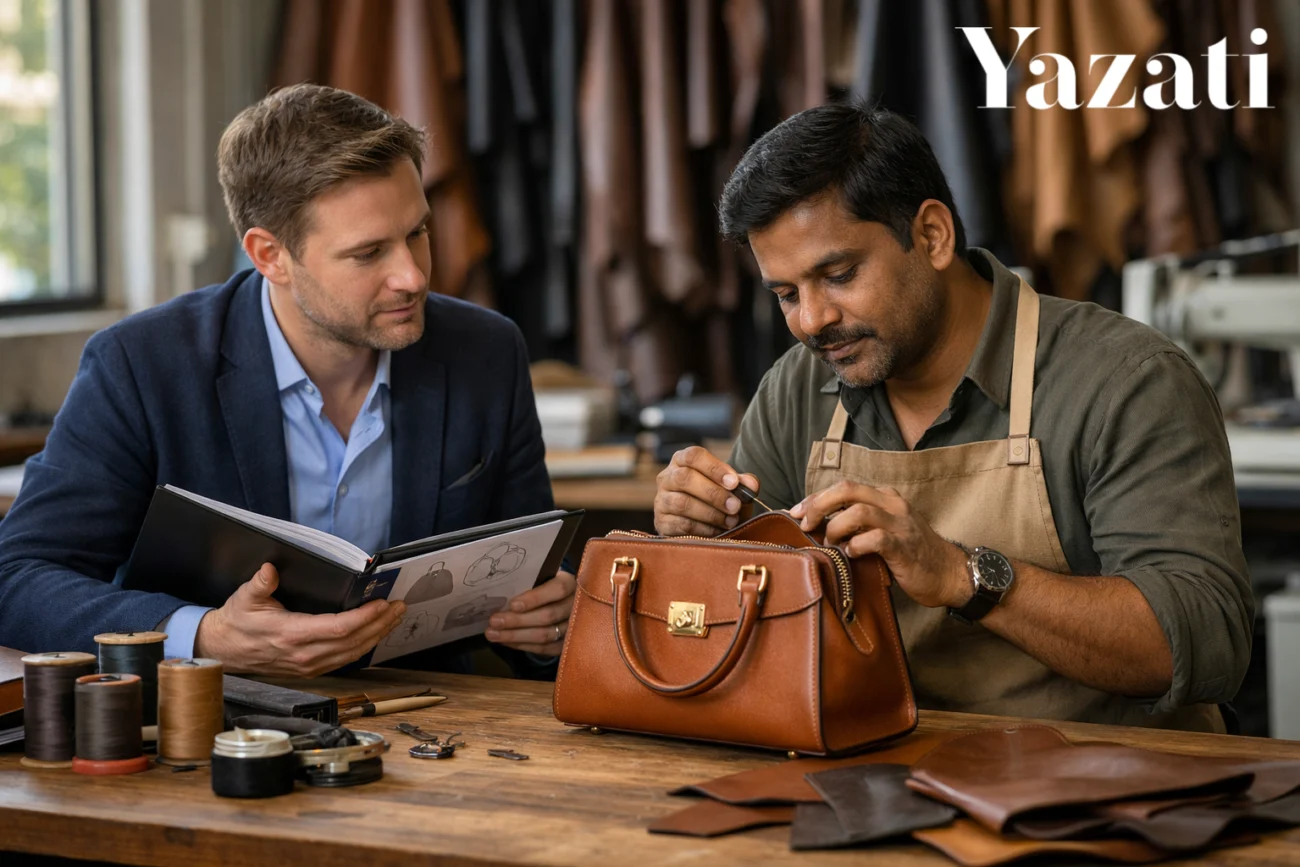
Introduction to the Global Leather Industry
The global leather industry is a dynamic and competitive space where craftsmanship meets innovation. Luxury handbags, premium footwear, stylish jackets, and elegant accessories all rely on skilled manufacturing partners. Over the last two decades, one question has gained increasing attention: Why European Fashion Brands Prefer Indian Leather Workshops.
European fashion houses are known for their high standards. They demand superior quality, ethical sourcing, timely delivery, and competitive pricing. To meet these expectations, many brands have turned to India—a country with centuries of leather craftsmanship and a rapidly modernizing production system.
This collaboration isn’t accidental. It’s the result of careful evaluation, mutual trust, and shared commitment to excellence.
The Rise of India as a Leather Manufacturing Hub
India has steadily positioned itself as one of the world’s leading leather producers. Today, it exports leather goods to more than 50 countries, including major European markets such as Italy, France, Germany, and Spain.
Historical Roots of Leather Craftsmanship in India
India’s leather craftsmanship dates back hundreds of years. Artisans traditionally worked with vegetable tanning methods, hand-stitching, and detailed embossing techniques. These skills were passed down through generations, preserving authenticity and mastery.
Regions like Tamil Nadu, Uttar Pradesh, and West Bengal became known for their leather clusters. Over time, these clusters evolved into organized industrial hubs that blend tradition with technology.
Growth of Export-Oriented Leather Production
In the 1990s, India began expanding its export capabilities. Government policies supported modernization, training programs, and infrastructure development. As a result, Indian workshops transitioned from small family businesses to internationally certified production facilities.
This transformation made India attractive to European brands seeking reliable global partners.
Skilled Artisans and Handcrafted Excellence
European brands value craftsmanship above all else. Indian leather workshops provide precisely that.
Traditional Techniques Passed Through Generations
Artisans in India are trained in:
- Hand cutting and stitching
- Intricate embossing
- Edge painting and finishing
- Precision detailing
These techniques ensure that every product maintains consistency and refinement.
Attention to Detail and Precision Finishing
European fashion labels require flawless finishing. Indian workshops invest significant time in inspection, quality checks, and finishing processes. Each piece undergoes multiple rounds of scrutiny before shipment.
This dedication explains a large part of Why European Fashion Brands Prefer Indian Leather Workshops in today’s competitive market.
Cost Efficiency Without Compromising Quality
Cost is always a factor in global sourcing decisions. However, lower cost must never mean lower quality.
Competitive Labor Costs
India offers skilled labor at competitive wages compared to many European countries. This allows brands to maintain healthy profit margins without sacrificing craftsmanship.
Economies of Scale in Production
India’s large leather clusters allow workshops to:
- Source materials in bulk
- Share infrastructure
- Reduce production downtime
- Optimize resource utilization
These efficiencies make Indian workshops both affordable and dependable.
High-Quality Raw Materials and Sourcing
Quality begins with raw materials. India has strong access to premium hides and skins, supported by one of the world’s largest livestock populations.
Access to Premium Hides
Indian suppliers carefully grade and select hides based on:
- Thickness
- Texture
- Grain quality
- Durability
Only top-tier materials are exported for luxury production.
Advanced Tanning and Processing Techniques
Modern Indian tanneries use advanced machinery and chemical processes that meet international standards. Many facilities are ISO-certified and comply with European chemical safety regulations.
The combination of quality materials and technical precision strengthens trust between European brands and Indian manufacturers.
Sustainability and Ethical Manufacturing Standards
Sustainability is no longer optional in the fashion world. European consumers expect brands to follow ethical practices.
Eco-Friendly Tanning Methods
Many Indian workshops now adopt:
- Vegetable tanning
- Chrome-free tanning
- Water recycling systems
- Waste management protocols
These measures reduce environmental impact while maintaining leather strength and durability.
Compliance with European Regulations
Indian exporters often comply with strict European standards, including chemical safety and labor laws. Certifications and audits are common practice.
This alignment with European regulations makes partnerships smoother and more secure.
Customization and Flexibility in Production
Flexibility is crucial in fashion, where trends shift quickly.
Small Batch Production Capabilities
Unlike mass-production factories, many Indian leather workshops offer:
- Limited edition runs
- Quick design adjustments
- Fast sampling processes
This is ideal for boutique European brands testing new collections.
Private Label and White Label Services
Indian workshops also provide private labeling services. Brands can customize:
- Logos
- Packaging
- Color finishes
- Hardware details
Such flexibility strengthens long-term business relationships.
Strong Export Infrastructure and Logistics
Efficient logistics ensure timely delivery—something European brands cannot compromise on.
Efficient Supply Chain Networks
India has well-connected ports, air cargo facilities, and freight services. Major leather clusters are located near export hubs, reducing transit delays.
Government Support and Trade Policies
The Indian government offers export incentives, trade agreements, and training initiatives that support international trade. These policies make collaboration financially and operationally smoother.
Innovation and Technology Integration
India’s leather sector is no longer purely traditional—it’s increasingly tech-driven.
Modern Machinery and Automation
Advanced cutting machines, computer-aided design systems, and automated stitching equipment enhance production accuracy.
Digital Design and Prototyping
Workshops now use digital sampling tools to create prototypes quickly. This reduces errors and accelerates time-to-market for European collections.
Case Studies of Successful Collaborations
Many mid-sized European brands have built long-term partnerships with Indian leather workshops. These collaborations often last over a decade.
Brands appreciate:
- Transparent communication
- Adaptability
- Continuous improvement
- Shared commitment to sustainability
Such partnerships often evolve into strategic alliances rather than simple supplier agreements.
Challenges and How Indian Workshops Overcome Them
No industry is without challenges. Indian workshops sometimes face:
- Raw material price fluctuations
- Global shipping delays
- Currency exchange volatility
However, they manage these issues through diversification, strong supplier networks, and risk management strategies.
Adaptability remains one of their strongest assets.
FAQs
1. Are Indian leather workshops reliable for luxury brands?
Yes. Many workshops are internationally certified and meet strict European standards for quality and compliance.
2. Is Indian leather considered high quality?
Absolutely. With advanced tanning techniques and careful hide selection, Indian leather competes globally.
3. How do Indian workshops ensure sustainability?
They adopt eco-friendly tanning, waste management systems, and comply with environmental regulations.
4. Do European brands conduct audits in India?
Yes. Regular audits ensure compliance with labor laws, environmental standards, and quality benchmarks.
5. Can Indian workshops handle small production runs?
Yes. Many specialize in flexible batch production, ideal for boutique collections.
6. Why is India cost-effective compared to Europe?
Lower labor costs and large-scale production clusters allow competitive pricing without compromising quality.
Conclusion
The answer to Why European Fashion Brands Prefer Indian Leather Workshops lies in a powerful combination of tradition, innovation, cost efficiency, and sustainability. Indian workshops deliver handcrafted excellence supported by modern technology and global compliance standards.
European brands seek partners they can trust—partners who value craftsmanship as much as they do. India offers that balance between heritage and progress.
As the fashion industry continues to evolve, this partnership is likely to grow stronger. With rising demand for sustainable luxury and ethical sourcing, Indian leather workshops are well-positioned to remain a trusted manufacturing destination for Europe’s leading fashion houses.
✨ Discover Global Sourcing Excellence with Netyex ✨
Netyex is your trusted B2B sourcing partner, connecting international buyers with India’s finest manufacturers and curated product lines—from handicrafts and home décor to kitchenware, textiles, hospitality essentials, and more. With verified suppliers and end-to-end support, we make global procurement seamless, reliable, and efficient.
👉 Elevate your sourcing experience—explore Netyex today.
📦 Bulk orders & customisation | 🌍 Worldwide delivery | 🤝 Trusted by global buyers
Visit Netyex to source premium Indian products with confidence.