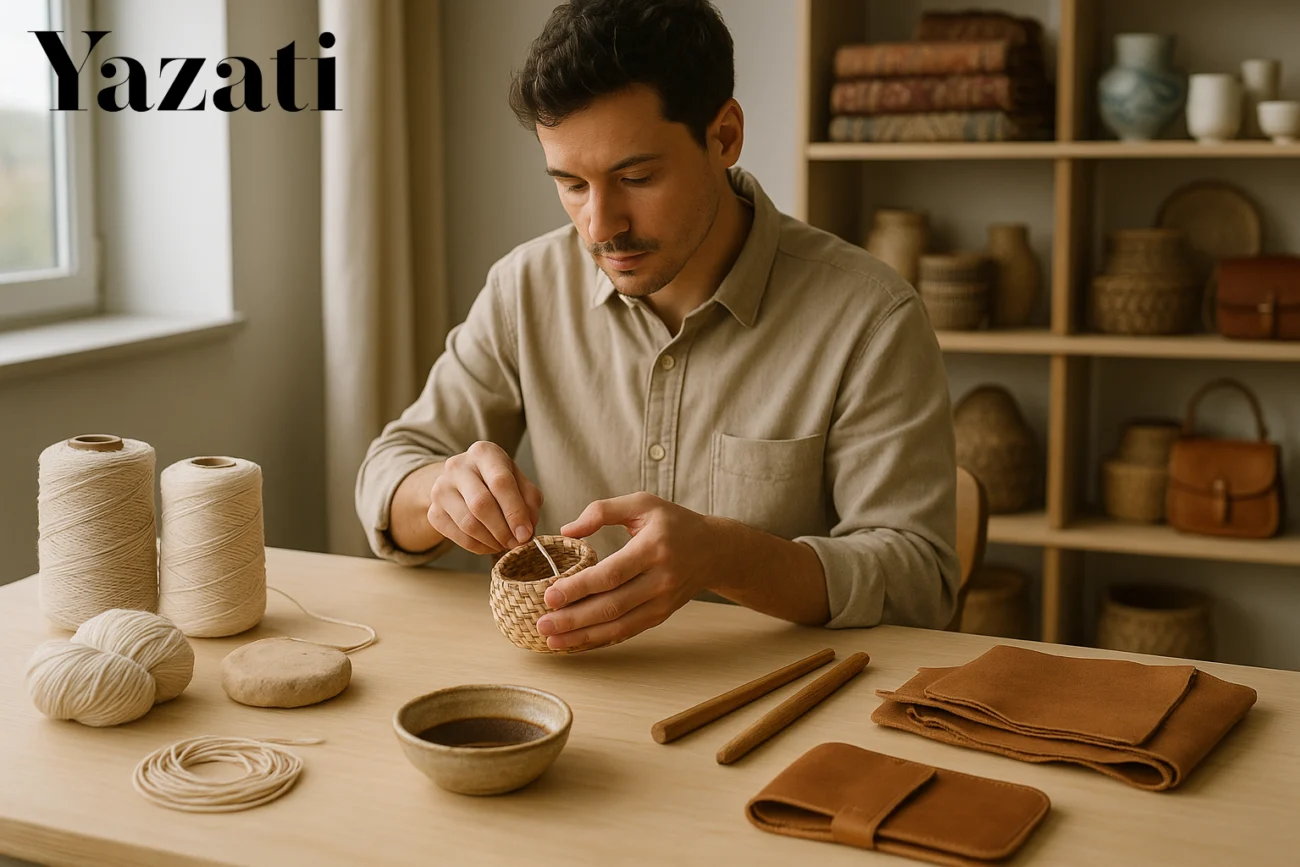
Introduction: The Resurgence of Handmade in a Mass-Produced World
In an age dominated by automation, algorithms, and artificial intelligence, something remarkably human is making a comeback — handmade products. Around the world, from Tokyo to Toronto, consumers are turning away from faceless, mass-produced goods and gravitating toward objects made with care, patience, and purpose.
This revival isn’t just a passing trend; it’s a deep cultural movement that reflects growing disillusionment with consumerism, environmental degradation, and soulless uniformity. Handmade items — whether it’s a ceramic mug, a handwoven rug, or a bespoke leather wallet — carry a story, a soul, and a connection that machines can’t replicate.
Understanding the Shift in Consumer Behavior
From Industrialization to Individualization
For nearly two centuries, industrialization promised convenience and affordability. Yet, over time, the very efficiency that made mass production attractive also stripped products of their individuality. Consumers today, overwhelmed by identical goods, are yearning for items that express personality and meaning.
This shift from industrialization to individualization represents more than a market change — it’s a cultural reawakening. People want to feel connected to what they buy, and handmade goods offer that bridge.
The Psychology Behind the Handmade Appeal
Psychologically, humans are wired to value things that reflect time, skill, and human touch. Studies show that people perceive handcrafted items as more valuable, even if they aren’t objectively “better.” The imperfections, textures, and personal signatures embedded in handmade products signal authenticity — something that mass production can never imitate.
The Cultural and Emotional Value of Handmade Goods
Handmade as a Symbol of Authenticity and Tradition
Every handmade product carries traces of cultural identity. From Japanese pottery techniques like Kintsugi to Mexican Alebrijes, handmade crafts preserve stories and traditions that define generations. In a globalized economy, buying handmade is a way to reconnect with these roots and celebrate cultural diversity.
Storytelling Through Craftsmanship
Handmade goods often come with stories — of artisans, their communities, and their creative journeys. Whether shared through an Etsy shop or a local market stall, these narratives transform ordinary purchases into meaningful exchanges. Consumers today don’t just buy products; they buy stories, emotions, and purpose.
Sustainability and Ethical Consumption
The Eco-Friendly Edge of Handmade Products
Sustainability is at the heart of the handmade movement. Unlike factory-produced goods that often rely on synthetic materials and high-energy machinery, handmade items are typically crafted using natural, locally sourced resources. This not only reduces carbon footprints but also promotes circular economies where waste is minimized.
Supporting Local Artisans and Fair Trade Practices
When consumers choose handmade, they’re not just buying an object — they’re supporting livelihoods. Handmade economies often operate on fair-trade principles, ensuring artisans receive fair wages and safe working conditions. This ethical dimension adds moral value to each purchase, making consumers feel part of a global solution rather than the problem.
Quality and Uniqueness Over Quantity
Why Mass Production Lost Its Charm
The fast fashion and fast consumption eras have led to burnout and dissatisfaction. Consumers are realizing that “cheap” often means “disposable.” In contrast, handmade goods, crafted with care and durability in mind, are built to last — both physically and emotionally.
The “One-of-a-Kind” Advantage of Handcrafted Goods
Each handmade product is inherently unique. No two handwoven baskets or hand-painted scarves are exactly the same. This exclusivity turns ownership into a personal experience, where every imperfection adds character and charm.
The Role of Social Media and Digital Marketplaces
How Platforms Like Etsy and Instagram Fuel Handmade Trends
E-commerce platforms have revolutionized the handmade economy. Sites like Etsy, Not On The High Street, and even Instagram Shops have democratized access, allowing artisans to reach global audiences. Consumers, in turn, can discover rare handmade treasures from distant cultures with a single click.
Influencers and the Rise of “Slow Living” Culture
The rise of the “slow living” movement — which values mindfulness, simplicity, and intentional living — has also accelerated the handmade trend. Influencers now celebrate craftsmanship, sustainability, and authenticity, creating a ripple effect across global consumer behavior.
Handmade in a Post-Pandemic Economy
The COVID-19 Effect: Conscious Buying and Home-Based Businesses
The pandemic forced the world to slow down, rethink priorities, and rediscover creativity. Millions turned to crafting — from knitting to woodworking — both as therapy and income. Consumers, too, became more mindful, preferring meaningful purchases over impulse buys.
Remote Work and the DIY Renaissance
Remote work cultures have reignited interest in self-expression and home-based creativity. From homemade candles to hand-bound journals, the DIY movement has transformed from a hobby into a viable business model for many artisans worldwide.
The Intersection of Technology and Traditional Craft
How Modern Tools Empower Artisans Globally
Technology isn’t the enemy of handmade — it’s an ally. Modern artisans use digital tools to streamline production, connect with customers, and share their craft through videos and tutorials. Platforms like Shopify and Pinterest have become essential in promoting handmade artistry globally.
The Balance Between Digitalization and Human Touch
The challenge lies in maintaining the essence of craftsmanship while embracing modern tools. Successful artisans find harmony between technology and tradition, using innovation to amplify — not replace — human creativity.
Handmade as a Luxury Statement
Redefining Luxury: From Logos to Labor
Luxury is no longer about brand names; it’s about exclusivity, experience, and emotional connection. Consumers are redefining luxury as something authentic and personal. Handmade goods fit perfectly into this new definition — they embody time, skill, and passion.
Handmade in High Fashion and Interior Design
Global fashion houses and interior designers are embracing handcrafted techniques once again — from handwoven fabrics in haute couture to handmade ceramics in luxury décor. The return of craftsmanship to the luxury market signals a shift in what consumers truly value.
Global Movements Supporting Artisans and Crafters
The Role of NGOs and Cultural Preservation Projects
Organizations like UNESCO, World Fair Trade Organization (WFTO), and various NGOs actively promote and protect traditional crafts. These initiatives not only preserve heritage but also empower local communities through training and sustainable business models.
Government Policies Encouraging Local Craft Industries
Several countries — such as India, Morocco, and Peru — have implemented policies to support small-scale artisans. Tax incentives, training centers, and digital marketing programs are helping handmade industries thrive on a global scale.
Case Studies: Success Stories of Handmade Brands Worldwide
India’s Handloom Revival
India’s government-led “Make in India” and “Handloom Mark” programs have revived traditional weaving communities. Artisans now sell directly through digital platforms, bypassing middlemen and earning fair pay.
Scandinavian Minimalist Craftsmanship
In Scandinavia, minimalist handmade design has become synonymous with modern sustainability. Brands like Skagerak and Muuto integrate traditional woodworking with contemporary aesthetics — a perfect example of how handmade can meet modern demand.
The Future of Handmade: A Sustainable Global Economy
Predictions for the Next Decade
Experts predict the handmade industry will grow exponentially as global consumers continue prioritizing sustainability, transparency, and individuality. Handmade is no longer “niche” — it’s the future of conscious capitalism.
How Consumers Can Continue Supporting Handmade Movements
Consumers can make a difference by choosing handmade alternatives, supporting local artisans, buying from ethical platforms, and spreading awareness through social media.
Frequently Asked Questions (FAQs)
1. Why are people preferring handmade products again?
Because they represent authenticity, sustainability, and emotional value — things mass-produced items often lack.
2. Are handmade goods more sustainable than factory-made ones?
Yes. Handmade products typically use eco-friendly materials and generate less waste.
3. Do handmade products last longer?
Generally, yes. They’re crafted with care, precision, and quality materials, ensuring durability.
4. Is buying handmade more expensive?
Not always. While prices can be higher, consumers often see them as investments in quality and ethics.
5. Where can I find authentic handmade products online?
Platforms like Etsy, Made Trade, and Shopify artisan stores are great starting points.
6. How does buying handmade help the global economy?
It supports local businesses, promotes fair trade, and sustains traditional skills that might otherwise disappear.
Conclusion: A Return to Humanity Through Handmade
In a world obsessed with speed and efficiency, handmade products remind us of what truly matters — connection, creativity, and care. The return to handmade is not nostalgia; it’s a conscious evolution toward a more ethical, sustainable, and human-centered economy.
Handmade products are not just things — they’re stories, memories, and a bridge between cultures. By choosing handmade, global consumers are choosing a more meaningful future.
✨ Discover Global Sourcing Excellence with Netyex ✨
Netyex is your trusted B2B sourcing partner, connecting international buyers with India’s finest manufacturers and curated product lines—from handicrafts and home décor to kitchenware, textiles, hospitality essentials, and more. With verified suppliers and end-to-end support, we make global procurement seamless, reliable, and efficient.
👉 Elevate your sourcing experience—explore Netyex today.
📦 Bulk orders & customisation | 🌍 Worldwide delivery | 🤝 Trusted by global buyers
Visit Netyex to source premium Indian products with confidence.