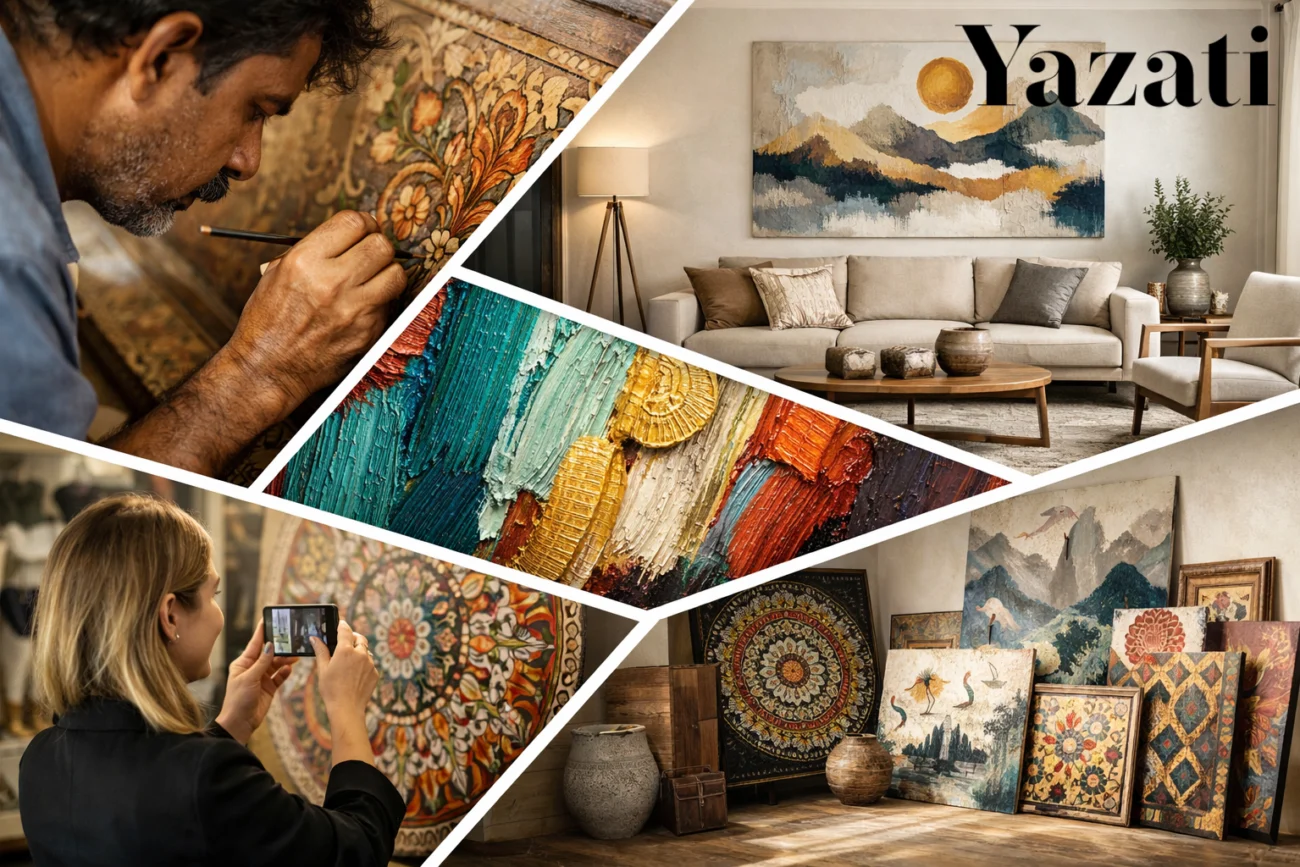
The Rise of Hand-Painted Wall Décor in Modern Interiors
In recent years, hand-painted wall décor is regaining global popularity as homeowners, designers, and businesses look for creative ways to personalize spaces. While printed wallpapers and mass-produced wall art dominated interior design for decades, a growing shift toward authenticity, craftsmanship, and individuality has brought hand-painted murals and decorative artwork back into the spotlight.
Across homes, cafes, offices, and hotels, painted walls are becoming statement pieces that reflect personality and culture. Instead of generic designs, people now want spaces that tell a story. Hand-painted décor provides exactly that—a unique artistic expression that cannot be replicated by machines.
Another major factor contributing to this resurgence is the influence of social media and interior design trends. Platforms like Pinterest and Instagram showcase beautifully painted interiors, inspiring people to experiment with artistic wall designs. From minimal floral patterns to elaborate murals, the possibilities are nearly endless.
Moreover, many homeowners are moving away from overly commercial aesthetics. They prefer organic, handcrafted elements that make spaces feel warm and meaningful. Hand-painted décor offers that personal touch while allowing endless customization.
This revival is not merely a passing trend. Instead, it represents a broader movement toward creative, sustainable, and personalized living environments. As people continue to value artistic craftsmanship, the demand for hand-painted walls continues to grow worldwide.
Historical Roots of Hand-Painted Wall Art
Ancient Civilizations and Murals
Hand-painted wall art is far from new. In fact, it has existed for thousands of years. Ancient civilizations used murals to tell stories, express religious beliefs, and celebrate cultural identity.
Examples include:
- Egyptian temple paintings
- Roman frescoes
- Indian palace murals
- Chinese wall paintings
These artworks served both decorative and historical purposes. They helped preserve traditions and communicate narratives long before written records became widespread.
Cultural Significance Across Regions
Different cultures developed their own styles of wall painting:
| Region | Traditional Style | Key Characteristics |
|---|---|---|
| India | Madhubani & Warli | Folk patterns and storytelling |
| Mexico | Fresco murals | Bold colors and historical themes |
| Europe | Renaissance frescoes | Realistic figures and mythology |
| China | Palace murals | Symbolism and nature motifs |
These traditions continue to influence modern interior décor today.
The Shift Away from Mass-Produced Interior Design
The Problem with Generic Décor
For many years, mass-produced wallpapers and digital prints dominated interior design. While convenient, they often lack originality.
Common drawbacks include:
- Repetitive patterns
- Limited customization
- Short lifespan
- Lack of artistic depth
As consumers become more design-conscious, they are seeking alternatives that feel more authentic.
The Return to Handmade Aesthetics
The rise of handmade products across industries—such as handcrafted furniture, artisanal pottery, and custom artwork—reflects a broader appreciation for craftsmanship.
Hand-painted wall décor fits perfectly into this movement because it offers:
- Originality
- Artistic expression
- Cultural storytelling
- Long-lasting visual impact
This growing desire for authenticity is one of the main reasons hand-painted walls are returning to mainstream popularity.
Personalization: The Biggest Appeal of Hand-Painted Walls
One of the strongest reasons hand-painted wall décor is regaining global popularity is the demand for personalized spaces.
Custom Designs for Unique Homes
Unlike wallpaper or decals, hand-painted art can be completely customized. Homeowners can choose:
- Color palettes
- Themes
- Artistic styles
- Cultural motifs
This allows every wall to become a one-of-a-kind masterpiece.
Expressing Personality Through Art
Interior spaces increasingly reflect personal identity. Hand-painted walls allow individuals to incorporate:
- Nature-inspired designs
- Abstract art
- Cultural symbols
- Inspirational quotes
The result is a living space that feels deeply personal and emotionally meaningful.
Social Media’s Influence on the Trend
Social media platforms have played a huge role in spreading the popularity of artistic interiors.
Visual Platforms Drive Inspiration
Interior design influencers frequently showcase creative wall murals, encouraging people to experiment with painted décor.
Trending styles include:
- Botanical murals
- Minimal line art
- Geometric patterns
- Watercolor-style landscapes
These visuals inspire homeowners to transform plain walls into artistic statements.
DIY Culture and Creativity
The rise of DIY culture has also contributed to the trend. Many people now try simple painted designs themselves, such as:
- Accent wall patterns
- Hand-painted arches
- Decorative borders
While professional artists still create complex murals, DIY painting has made artistic walls more accessible.
Sustainability and Eco-Friendly Design
Environmental awareness is another major reason for the comeback of hand-painted décor.
Reduced Waste Compared to Wallpaper
Wallpaper often requires replacement after several years and generates waste during installation and removal. Hand-painted designs, however, can last much longer and usually require fewer materials.
Benefits include:
- Less material waste
- Minimal packaging
- Longer durability
Use of Natural or Low-VOC Paints
Many artists now use eco-friendly paints with low chemical emissions. These options are better for both indoor air quality and the environment.
As sustainability becomes a priority in design, painted walls are increasingly viewed as a responsible décor choice.
Hand-Painted Murals in Commercial Spaces
Businesses are also embracing painted walls as branding tools.
Cafes, Restaurants, and Hotels
Hand-painted murals add character to hospitality spaces. Customers often photograph these artistic walls, which helps businesses gain visibility on social media.
Common uses include:
- Artistic café backdrops
- Restaurant storytelling murals
- Hotel lobby artwork
Office Environments
Modern offices use painted walls to create inspiring work environments.
Examples include:
- Motivational quotes
- Company culture murals
- Creative brainstorming spaces
These designs improve both aesthetics and employee engagement.
Popular Styles of Hand-Painted Wall Décor Today
Modern painted wall designs vary widely depending on taste and interior style.
Minimalist Line Art
Simple line illustrations create elegant focal points while maintaining a clean aesthetic.
Nature-Inspired Murals
Designs featuring plants, trees, mountains, and animals bring calming natural elements indoors.
Geometric Patterns
Bold geometric shapes add modern sophistication and visual structure to rooms.
Cultural and Folk Art
Traditional patterns from different cultures are increasingly incorporated into contemporary interiors.
How Hand-Painted Walls Transform Interior Spaces
Hand-painted walls do more than decorate—they transform the atmosphere of a room.
Creating Focal Points
A mural can act as the central design element in a room, reducing the need for additional décor.
Enhancing Spatial Perception
Certain painting techniques can make rooms appear:
- Larger
- Brighter
- More dynamic
For example, landscape murals create depth, while vertical patterns make ceilings appear higher.
Emotional Impact
Colors and artistic themes influence mood and well-being. Soft botanical designs can create calm spaces, while bold abstract art adds energy.
Challenges and Considerations
While the benefits are clear, hand-painted wall décor also requires thoughtful planning.
Cost Compared to Wallpaper
Professional murals can be more expensive because they involve skilled labor and artistic expertise.
Time Investment
Complex designs may take several days to complete.
Maintenance
Painted walls should be protected from moisture or heavy wear to preserve their quality.
Despite these challenges, many people consider the artistic value worth the investment.
Tips for Incorporating Hand-Painted Wall Art
If you’re considering painted décor, these tips can help you get started.
Start with an Accent Wall
Choose one wall as a focal point rather than painting the entire room.
Match the Interior Theme
Ensure the artwork complements existing furniture, lighting, and colors.
Work with Skilled Artists
Professional muralists can translate your ideas into polished designs that elevate the entire space.
Consider Lighting
Proper lighting enhances the visibility and impact of painted artwork.
The Future of Hand-Painted Interior Design
Interior design trends suggest that handcrafted art will continue gaining popularity.
Key future trends may include:
- Mixed-media walls combining paint and texture
- Interactive murals in public spaces
- Digital design planning for custom murals
- Greater collaboration between artists and architects
As people increasingly value creativity and individuality, hand-painted décor is likely to remain a defining feature of modern interiors.
Frequently Asked Questions
Why is hand-painted wall décor becoming popular again?
Hand-painted walls are gaining popularity because people want personalized and artistic interiors. They offer uniqueness and authenticity that mass-produced décor cannot provide.
Are hand-painted murals expensive?
The cost varies depending on the size and complexity of the design. Simple patterns may be affordable, while large murals created by professional artists can be more expensive.
How long does hand-painted wall décor last?
With proper care and high-quality paint, hand-painted wall designs can last many years without fading or damage.
Can hand-painted décor work in small rooms?
Yes. In fact, certain mural styles can make small spaces appear larger or more visually interesting.
Is hand-painted wall art suitable for commercial spaces?
Absolutely. Many cafes, offices, and hotels use murals as branding elements and visual attractions.
Can homeowners paint their own wall designs?
Yes. Simple geometric patterns or minimal designs can be created as DIY projects, while complex murals are usually done by professional artists.
Conclusion
The resurgence of hand-painted wall décor reflects a broader cultural shift toward authenticity, creativity, and individuality in interior design. As homeowners and businesses move away from generic mass-produced décor, they are rediscovering the beauty and artistic value of painted walls.
From ancient murals to modern interiors, painted wall art has always been a powerful way to tell stories and transform spaces. Today, it offers something even more valuable: a personalized artistic expression that reflects the identity of the people who live or work within those walls.
With its combination of creativity, sustainability, and emotional impact, it’s no surprise that hand-painted wall décor is regaining global popularity. As design trends continue evolving, this timeless art form will likely remain an important element in the future of interior design.
✨ Discover Global Sourcing Excellence with Netyex ✨
Netyex is your trusted B2B sourcing partner, connecting international buyers with India’s finest manufacturers and curated product lines—from handicrafts and home décor to kitchenware, textiles, hospitality essentials, and more. With verified suppliers and end-to-end support, we make global procurement seamless, reliable, and efficient.
👉 Elevate your sourcing experience—explore Netyex today.
📦 Bulk orders & customisation | 🌍 Worldwide delivery | 🤝 Trusted by global buyers
Visit Netyex to source premium Indian products with confidence.