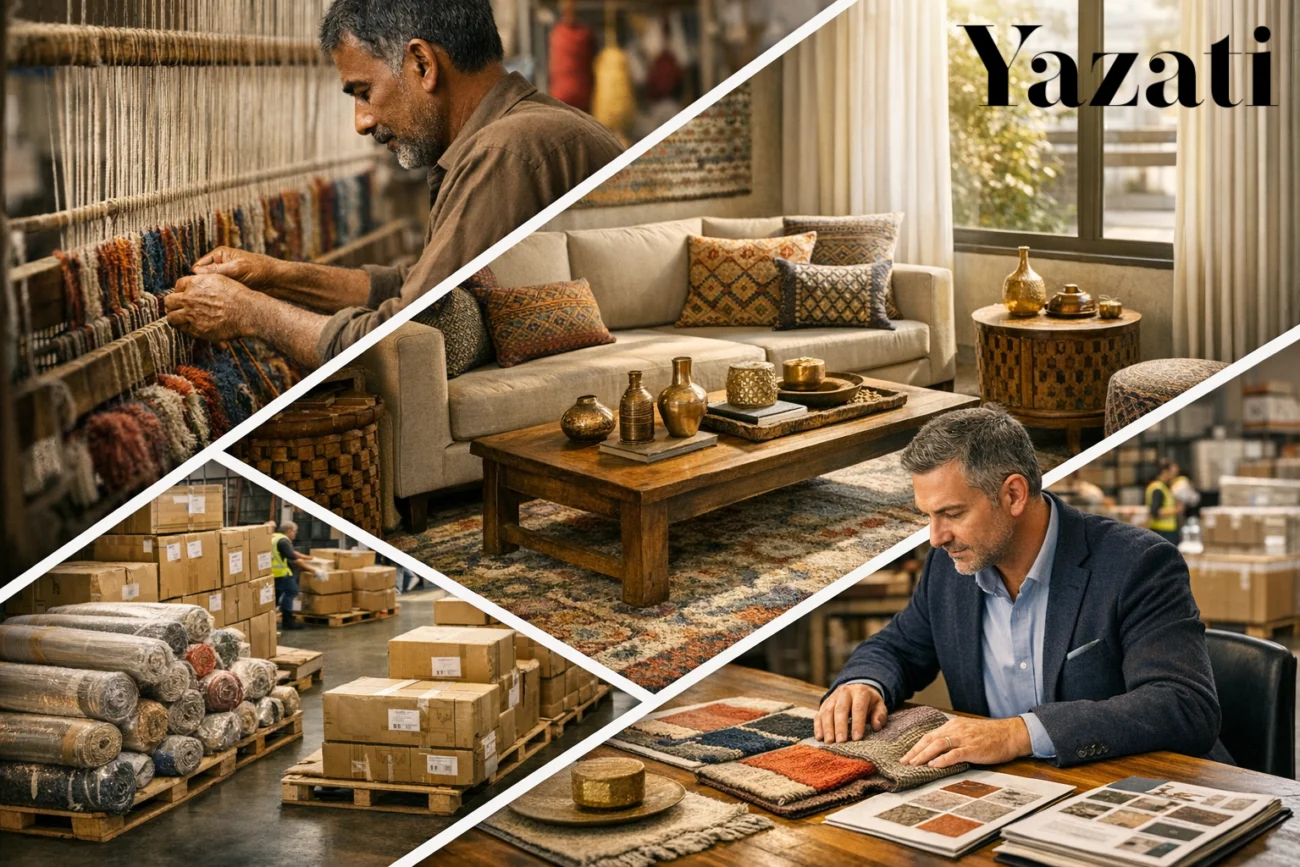
Introduction: The Growing Global Demand for Indian Home Décor Products
The global home décor market is evolving rapidly. Consumers are no longer satisfied with mass-produced, generic items. Instead, they are seeking products that carry authenticity, craftsmanship, and cultural uniqueness. This shift has opened a significant opportunity for importers worldwide.
One emerging strategy gaining attention is Why Home Décor Importers Should Diversify into Indian SKUs. India has become one of the most influential suppliers in the global décor market thanks to its strong artisan heritage, diverse materials, and competitive manufacturing ecosystem.
Indian suppliers offer a wide variety of products including wooden décor, metal handicrafts, marble items, handwoven textiles, ceramics, and eco-friendly décor pieces. These items not only add variety to a retailer’s catalog but also attract customers looking for distinctive and handcrafted products.
For importers, diversifying sourcing regions is not just about expanding product selection. It also improves supply chain resilience, pricing flexibility, and brand differentiation. With India’s rapidly expanding export infrastructure and skilled artisan base, it has become a preferred sourcing destination for home décor retailers and wholesalers across North America, Europe, Australia, and the Middle East.
In this article, we will explore why home décor importers should diversify into Indian SKUs, examine the advantages of sourcing from India, and discuss how this strategy can help businesses stay competitive in an increasingly dynamic global market.
Understanding the Concept of SKU Diversification
SKU diversification refers to expanding the range of stock keeping units (SKUs) within a product category. For home décor importers, this means introducing new styles, materials, and product types into their catalogs.
Instead of relying on a limited number of suppliers or countries, businesses add new product lines sourced from different regions. This strategy offers several advantages:
- Reduces dependency on a single supply chain
- Introduces fresh design aesthetics
- Meets changing consumer preferences
- Improves profit margins through cost-effective sourcing
In the context of global décor sourcing, India offers one of the widest product diversifications available in a single country. From modern minimalist pieces to traditional handcrafted décor, Indian suppliers cater to a wide range of styles.
Why Global Home Décor Trends Favor Indian Products
The global home décor industry is increasingly influenced by trends such as sustainability, handmade craftsmanship, cultural storytelling, and natural materials. Indian décor products align perfectly with these trends.
Authentic Craftsmanship
India has centuries-old craft traditions including:
- Wood carving
- Brass and metal engraving
- Marble inlay work
- Handwoven textiles
- Ceramic pottery
These crafts produce décor items that are unique, detailed, and difficult to replicate through mass production.
Cultural Storytelling
Consumers today want products that tell a story. Indian décor pieces often reflect heritage, regional artistry, and cultural symbolism, making them appealing to buyers looking for meaningful home styling elements.
Eco-Friendly Materials
Many Indian manufacturers use sustainable materials such as:
- Reclaimed wood
- Natural fibers
- Handwoven cotton
- Terracotta
- Jute and bamboo
These materials support the growing demand for environmentally conscious home décor products.
The Competitive Cost Advantage of Indian Manufacturing
One of the most compelling reasons why home décor importers should diversify into Indian SKUs is the cost efficiency of production.
India offers competitive pricing due to several factors:
Affordable Skilled Labor
India has a large workforce of highly skilled artisans who specialize in traditional craftsmanship. Despite their expertise, labor costs remain lower than in many other manufacturing hubs.
Local Material Availability
Many décor materials are sourced locally, including:
- Mango wood
- Acacia wood
- Marble
- Brass
- Cotton
This reduces production costs and improves supply efficiency.
Economies of Scale
India is one of the world’s largest exporters of handicrafts and home décor products. Large production volumes allow manufacturers to maintain competitive pricing while maintaining quality standards.
For importers, this translates into better margins and pricing flexibility in competitive retail markets.
Unique Product Categories Available from India
Another major advantage is the extensive variety of décor categories available from Indian manufacturers.
Some popular product segments include:
Wooden Home Décor
- Wall panels
- Decorative trays
- Candle holders
- Sculptures
- Wooden bowls
Mango wood and acacia wood are particularly popular due to their durability and natural textures.
Metal Décor
India is known for its metal craftsmanship, including:
- Brass figurines
- Iron wall décor
- Decorative lanterns
- Vintage-style mirrors
- Table centerpieces
These pieces often combine traditional designs with modern finishes.
Textile Décor
Textile products from India include:
- Cushion covers
- Throws
- Table runners
- Wall hangings
- Handwoven rugs
These items add warmth and texture to interior spaces.
Marble and Stone Décor
India is one of the largest producers of marble and natural stone. Popular products include:
- Decorative trays
- Coasters
- Sculptures
- Inlay tables
These items offer a luxurious look while remaining competitively priced.
Expanding Market Opportunities for Importers
Importers who diversify into Indian SKUs gain access to rapidly growing market segments.
Boho and Ethnic Interior Trends
Bohemian and ethnic interior design styles are extremely popular worldwide. Indian décor naturally fits these styles with its:
- Handcrafted patterns
- Natural materials
- Rich textures
Boutique Retail Demand
Small boutique retailers are constantly searching for unique and limited-edition products that differentiate them from large chain stores. Indian handmade décor fits perfectly into this niche.
E-Commerce Growth
Online marketplaces have expanded global access to décor products. Unique Indian items often perform well online because they stand out visually and offer storytelling appeal.
Strengthening Supply Chain Resilience
Supply chain disruptions in recent years have highlighted the risks of relying on a single sourcing country.
Diversifying sourcing to include India provides several advantages:
Multiple Production Regions
India has numerous manufacturing clusters such as:
- Moradabad (metal handicrafts)
- Jaipur (marble and textiles)
- Jodhpur (wood furniture and décor)
- Saharanpur (wood carving)
This geographical diversity reduces supply risks.
Export-Friendly Infrastructure
India has invested heavily in export facilities, including:
- Modern ports
- Freight logistics networks
- Export promotion councils
These developments help importers maintain stable supply chains.
High Customization Capabilities
Customization is becoming increasingly important for retailers who want to develop exclusive product collections.
Indian manufacturers are highly flexible in terms of:
- Custom finishes
- Private labeling
- Design modifications
- Small batch production
This allows importers to create private-label décor collections tailored to their brand identity.
Government Support for Export Growth
The Indian government actively promotes the handicrafts and home décor export sector.
Support initiatives include:
- Export incentives
- Craft cluster development
- Artisan training programs
- Quality certification systems
These initiatives strengthen the reliability and competitiveness of Indian exporters.
Sustainability and Ethical Production
Modern consumers care about ethical sourcing and sustainable production. India’s décor industry increasingly focuses on these principles.
Key sustainability practices include:
- Recycled materials
- Handcrafted production methods
- Fair artisan wages
- Low-energy manufacturing processes
Importers who source from responsible suppliers can promote ethical sourcing stories in their marketing campaigns.
How Importers Can Successfully Source Indian SKUs
To benefit from Indian sourcing opportunities, importers should follow several best practices.
Work with Verified Exporters
Reliable exporters maintain quality standards, documentation, and compliance with international shipping regulations.
Request Product Samples
Before placing large orders, importers should evaluate product quality, finishing, and packaging.
Understand Minimum Order Quantities
Some manufacturers require minimum order quantities, though many offer flexible options for smaller importers.
Develop Long-Term Supplier Relationships
Building strong partnerships with suppliers often results in better pricing, priority production, and consistent quality.
Challenges Importers Should Be Aware Of
While the advantages are significant, importers should also consider potential challenges.
Quality Variation
Because many products are handcrafted, slight variations may occur. Importers should establish clear quality guidelines.
Shipping Timeframes
Shipping from India may require longer transit times compared to regional suppliers.
Communication and Coordination
Working across time zones requires effective communication and planning.
These challenges can be managed with proper supplier vetting and clear business processes.
Future Outlook for Indian Home Décor Exports
The future looks promising for India’s home décor export industry.
Industry experts predict continued growth due to:
- Rising global demand for handmade products
- Expanding artisan communities
- Improved export infrastructure
- Growing international trade partnerships
For importers, this means long-term sourcing opportunities and expanding product innovation.
Frequently Asked Questions (FAQs)
1. Why should home décor importers diversify their product sourcing?
Diversifying sourcing reduces supply chain risks, introduces new product styles, and allows retailers to offer unique items that differentiate them from competitors.
2. What makes Indian home décor products unique?
Indian décor products are known for their handcrafted artistry, traditional techniques, and use of natural materials such as wood, metal, marble, and textiles.
3. Are Indian home décor products affordable for importers?
Yes. India offers competitive manufacturing costs due to skilled labor availability and local sourcing of raw materials, allowing importers to maintain healthy profit margins.
4. Which Indian cities are known for home décor exports?
Major décor manufacturing hubs include Moradabad, Jaipur, Jodhpur, and Saharanpur.
5. Can importers request customized décor products from Indian manufacturers?
Many Indian suppliers offer customization services including private labeling, design adjustments, and custom finishes.
6. Are Indian décor products sustainable?
Many manufacturers use eco-friendly materials and handcrafted production methods that support sustainable and ethical manufacturing practices.
Conclusion
The global home décor market is becoming increasingly competitive and design-driven. Importers must continuously innovate their product offerings to remain relevant and appealing to modern consumers.
Understanding why home décor importers should diversify into Indian SKUs reveals a powerful opportunity. India offers a rare combination of artisanal craftsmanship, competitive pricing, product diversity, and strong export capabilities.
By incorporating Indian décor products into their catalogs, importers can introduce unique styles, strengthen supply chain resilience, and tap into the growing demand for handcrafted and culturally rich home décor.
In a marketplace where originality and authenticity matter more than ever, diversifying into Indian SKUs can become a strategic advantage that drives long-term business growth.
✨ Discover Global Sourcing Excellence with Netyex ✨
Netyex is your trusted B2B sourcing partner, connecting international buyers with India’s finest manufacturers and curated product lines—from handicrafts and home décor to kitchenware, textiles, hospitality essentials, and more. With verified suppliers and end-to-end support, we make global procurement seamless, reliable, and efficient.
👉 Elevate your sourcing experience—explore Netyex today.
📦 Bulk orders & customisation | 🌍 Worldwide delivery | 🤝 Trusted by global buyers
Visit Netyex to source premium Indian products with confidence.