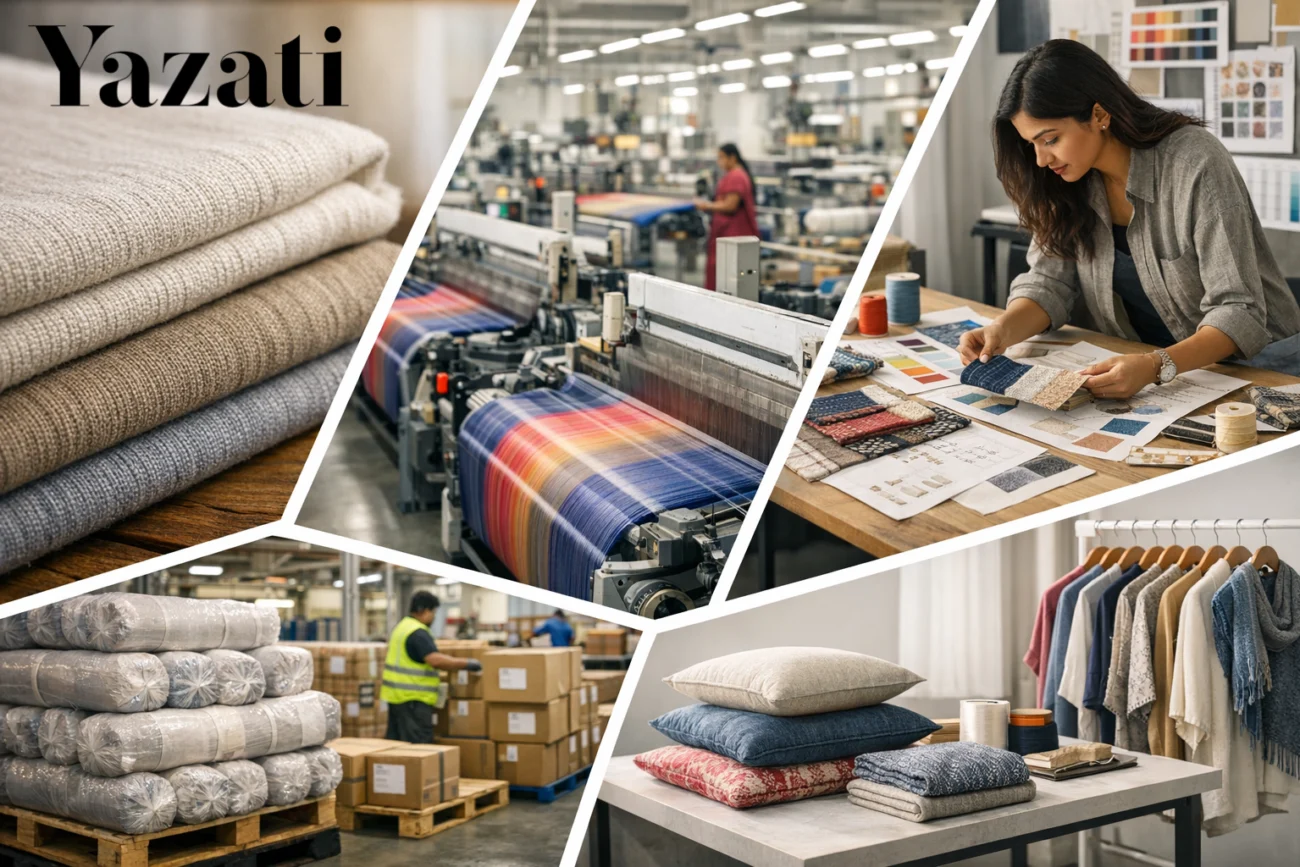
Introduction to India’s Global Textile Strength
The global textile industry is highly competitive, with countries around the world striving to supply high-quality fabrics and garments to international markets. Among these major players, India has established itself as one of the most trusted textile exporters. Businesses across Europe, the United States, the Middle East, and Asia frequently choose Indian suppliers because they combine traditional craftsmanship with modern manufacturing technology.
One of the most notable strengths of the Indian textile sector is that Indian Textile Exports Offer Excellent Quality & Flexibility. This unique combination allows manufacturers to produce large quantities of garments while also handling customized, small-batch, and specialized orders. As a result, India serves both large fashion brands and emerging clothing labels.
The country’s textile industry benefits from several key advantages. These include a strong raw material base, skilled artisans, modern production facilities, competitive pricing, and diverse product offerings. India is also one of the few countries capable of producing the entire textile value chain—from fiber production to finished garments.
Additionally, India’s deep cultural history in weaving, dyeing, embroidery, and fabric production plays a major role in maintaining exceptional quality standards. Techniques that have been passed down through generations are now combined with advanced machinery, digital design systems, and international quality control processes.
Another important factor is flexibility. Global fashion trends change rapidly, and brands often require suppliers who can quickly adjust production volumes, materials, and designs. Indian manufacturers are known for their ability to adapt quickly to buyer requirements, making them reliable partners in international trade.
This article explores why Indian Textile Exports Offer Excellent Quality & Flexibility, examining the industry’s strengths, production capabilities, and global reputation. Whether you are a fashion brand, retailer, or entrepreneur, understanding the advantages of Indian textile exports can help you make better sourcing decisions.
India’s Rich Heritage in Textile Craftsmanship
India has a textile tradition that dates back thousands of years. Historical records show that Indian cotton and silk fabrics were traded globally even in ancient times. Regions across the country developed their own weaving styles, dyeing techniques, and embroidery patterns.
This deep heritage still influences modern textile production today. Many Indian manufacturers integrate traditional craftsmanship with modern manufacturing, ensuring both authenticity and quality.
Examples of traditional textile expertise include:
- Handloom weaving techniques
- Natural dyeing methods
- Intricate embroidery styles
- Block printing traditions
- Regional fabric specialties
These traditional skills allow Indian exporters to produce unique and premium textile products that stand out in global markets.
Even in large factories, many processes benefit from the experience and knowledge of skilled artisans. This combination of heritage and innovation is one reason why Indian Textile Exports Offer Excellent Quality & Flexibility.
Strong Availability of Raw Materials
One major advantage of India’s textile sector is its abundant raw material supply. The country is one of the world’s largest producers of natural fibers, which helps maintain quality and reduces dependency on imports.
Cotton Production
India is among the largest cotton producers globally. This ensures that textile manufacturers have easy access to high-quality cotton fibers used in garments, home textiles, and industrial fabrics.
Benefits include:
- Consistent fiber supply
- Lower raw material costs
- Better quality control
Silk, Wool, and Other Fibers
Apart from cotton, India also produces a wide variety of fibers such as:
- Silk
- Wool
- Jute
- Linen
- Synthetic fibers
The availability of multiple fibers allows manufacturers to create diverse textile products suited for different markets.
Advanced Manufacturing Infrastructure
India’s textile industry has undergone major modernization over the past few decades. Today, many factories operate with advanced machinery and automated production systems.
Modern textile manufacturing facilities often include:
- Automated weaving machines
- Digital fabric printing systems
- Computerized embroidery machines
- Quality inspection technologies
- Advanced dyeing and finishing units
These technologies help ensure consistent product quality, faster production times, and better efficiency.
Furthermore, many manufacturers follow international manufacturing standards, ensuring that exported textiles meet global requirements.
Highly Skilled Workforce
Another key reason why Indian Textile Exports Offer Excellent Quality & Flexibility is the availability of a large and skilled workforce.
India’s textile sector employs millions of workers across different stages of production, including:
- Fiber processing
- Spinning
- Weaving
- Dyeing
- Printing
- Garment manufacturing
Many workers develop specialized expertise over years of experience, allowing them to maintain high levels of craftsmanship and precision.
Additionally, textile institutes and training centers across India help workers learn modern production techniques and quality standards.
Wide Variety of Textile Products
India exports a vast range of textile products, making it one of the most versatile suppliers in the global market.
Major export categories include:
1. Apparel and Garments
India produces garments for many global brands, including:
- Casual wear
- Formal wear
- Sportswear
- Children’s clothing
2. Home Textiles
India is a major exporter of home textile products such as:
- Bed sheets
- Towels
- Curtains
- Cushion covers
3. Industrial Textiles
Technical textiles are also a growing sector, including:
- Medical fabrics
- Automotive textiles
- Protective clothing
This diversity allows buyers to source multiple product categories from a single country, simplifying supply chains.
Flexible Production Capabilities
Flexibility is one of the most valuable advantages of the Indian textile sector. Manufacturers can adapt production processes to meet a wide range of buyer requirements.
Examples of flexibility include:
- Small and large order quantities
- Custom fabric development
- Multiple fabric blends
- Special dyeing or finishing techniques
- Quick design modifications
Fashion brands often need suppliers who can handle both large-scale manufacturing and specialized orders. Indian textile exporters are well known for accommodating such requests.
Because of this adaptability, Indian Textile Exports Offer Excellent Quality & Flexibility for businesses of all sizes.
Competitive Pricing Without Compromising Quality
Cost efficiency is another major factor that attracts global buyers to Indian textile exporters.
India offers competitive pricing due to several factors:
- Local raw material availability
- Efficient production systems
- Skilled labor at competitive wages
- Large-scale manufacturing capacity
Despite offering competitive prices, manufacturers still maintain strong quality standards, making Indian textiles a good balance between cost and quality.
Strong Quality Control Standards
Quality assurance is a critical part of textile exports. Indian manufacturers follow strict inspection processes to ensure products meet international requirements.
Quality control measures typically include:
- Fabric strength testing
- Colorfastness testing
- Shrinkage testing
- Stitch quality inspection
- Final product checks before shipment
Many factories also follow global quality certifications, ensuring that buyers receive consistent and reliable products.
These quality systems reinforce why Indian Textile Exports Offer Excellent Quality & Flexibility.
Supportive Government Policies
The Indian government actively supports the textile industry through various initiatives aimed at increasing exports and improving manufacturing capabilities.
Some support measures include:
- Export promotion programs
- Textile infrastructure development
- Skill development initiatives
- Financial incentives for exporters
These programs help strengthen the industry and encourage innovation, ensuring Indian textile exporters remain competitive in global markets.
Growing Focus on Sustainable Textiles
Sustainability has become an important factor in the global textile industry. Many Indian manufacturers are now adopting eco-friendly production practices.
Examples include:
- Organic cotton farming
- Water-saving dyeing technologies
- Recycling textile waste
- Reduced chemical usage
These practices help Indian exporters meet the sustainability requirements of international buyers.
Efficient Supply Chain and Logistics
India has developed strong logistics networks that support textile exports. Major textile hubs are connected to ports, enabling efficient global shipments.
Key textile hubs include:
- Tiruppur
- Surat
- Ludhiana
- Ahmedabad
- Panipat
These hubs specialize in different types of textile production and contribute significantly to export volumes.
Efficient logistics ensure that buyers receive their orders on time and in good condition.
Global Reputation and Long-Term Buyer Relationships
Indian textile exporters have built long-term relationships with international buyers through reliable delivery, quality assurance, and flexible production.
Many global brands have been sourcing from India for decades. These partnerships are built on:
- Trust
- Consistency
- Transparency
- Strong communication
Because of this reputation, India continues to attract new buyers from around the world.
FAQs About Indian Textile Exports
1. Why are Indian textiles popular worldwide?
Indian textiles are popular due to their high quality, diverse fabrics, skilled craftsmanship, and competitive pricing.
2. What products are commonly exported from India’s textile industry?
Major exports include garments, cotton fabrics, silk textiles, home textiles, and technical fabrics.
3. Are Indian textile manufacturers able to handle custom orders?
Yes. Many Indian manufacturers specialize in customized designs, fabric blends, and flexible order quantities.
4. Is the Indian textile industry sustainable?
Many manufacturers are adopting eco-friendly practices such as organic cotton production and water-efficient dyeing technologies.
5. Which countries import the most textiles from India?
Major importers include the United States, the United Kingdom, Germany, France, and the United Arab Emirates.
6. How does India maintain textile quality standards?
Manufacturers follow strict quality control procedures and often comply with international certifications.
Conclusion
The global textile market demands suppliers who can provide both high-quality products and flexible production capabilities. India has successfully positioned itself as one of the most reliable textile sourcing destinations in the world.
From its deep heritage of craftsmanship to its modern manufacturing infrastructure, the country offers unique advantages that few competitors can match. The availability of raw materials, skilled labor, diverse textile products, and competitive pricing all contribute to its strong export performance.
Most importantly, Indian Textile Exports Offer Excellent Quality & Flexibility, making them suitable for businesses ranging from large fashion brands to emerging clothing labels.
As the industry continues to invest in innovation, sustainability, and global partnerships, India is expected to remain a key leader in the international textile trade for many years to come.
✨ Discover Global Sourcing Excellence with Netyex ✨
Netyex is your trusted B2B sourcing partner, connecting international buyers with India’s finest manufacturers and curated product lines—from handicrafts and home décor to kitchenware, textiles, hospitality essentials, and more. With verified suppliers and end-to-end support, we make global procurement seamless, reliable, and efficient.
👉 Elevate your sourcing experience—explore Netyex today.
📦 Bulk orders & customisation | 🌍 Worldwide delivery | 🤝 Trusted by global buyers
Visit Netyex to source premium Indian products with confidence.