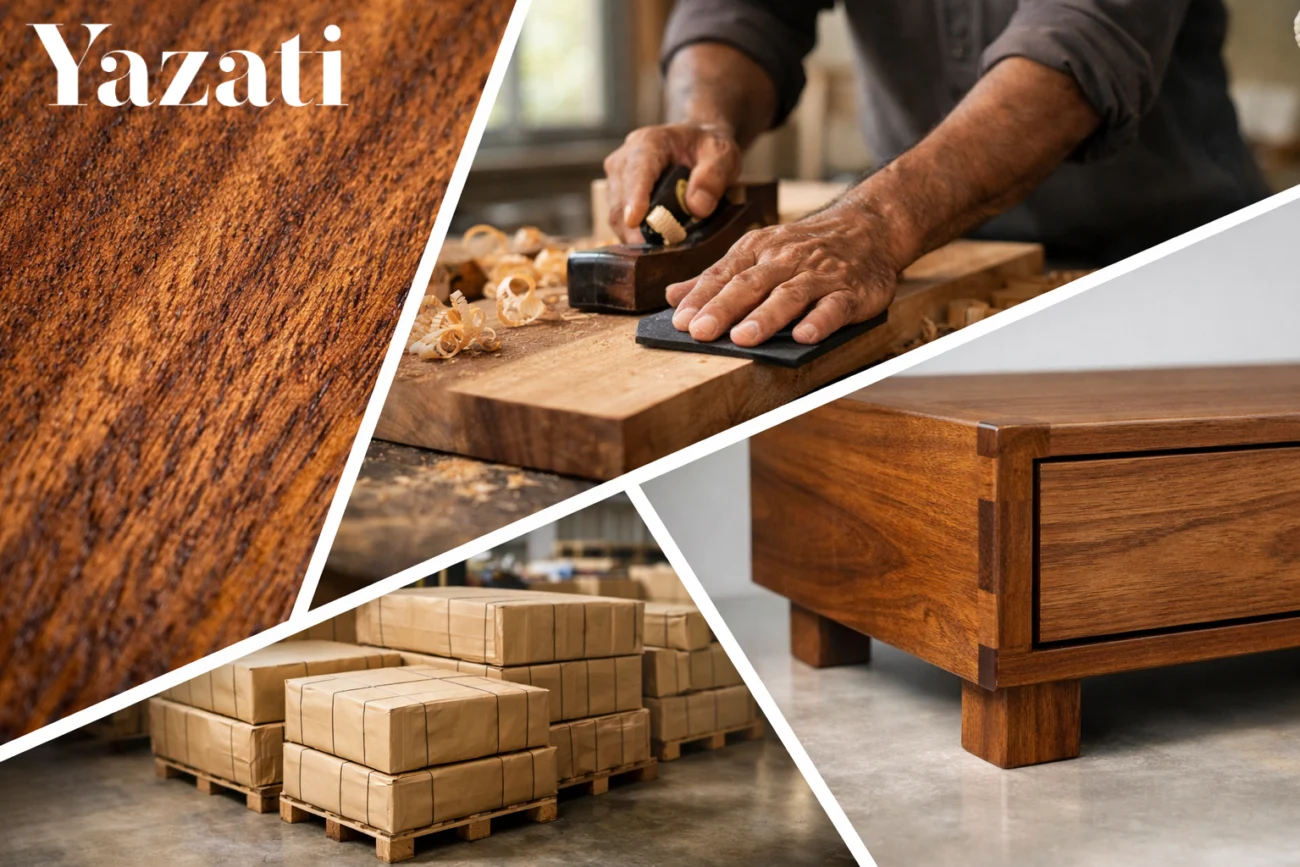
Introduction to Why Indian Wood Types Are Ideal for Global Furniture Production
Why Indian Wood Types Are Ideal for Global Furniture Production is a topic gaining significant attention among manufacturers, importers, and global retailers. As the international furniture market grows, buyers are searching for materials that combine durability, beauty, sustainability, and cost-effectiveness.
India, with its diverse climate and rich forestry resources, produces a wide variety of hardwoods suitable for furniture production. Indian wood types are known for their strength, natural resistance, and attractive grain patterns. These characteristics make them highly suitable for both domestic and international markets.
From traditional handcrafted furniture to modern modular designs, Indian wood plays a critical role in global supply chains. In this comprehensive guide, we will explore the key reasons Indian wood types are ideal for global furniture production and why they continue to gain international recognition.
Overview of Indian Wood Varieties Used in Furniture
Teak Wood
Teak is one of the most sought-after hardwoods globally. Known for its:
- High durability
- Natural oil content
- Resistance to termites
- Weather resistance
Teak furniture performs exceptionally well in both indoor and outdoor settings.
Sheesham (Indian Rosewood)
Sheesham is prized for:
- Rich grain patterns
- Strong structure
- Resistance to decay
It is commonly used in premium solid wood furniture.
Mango Wood
Mango wood is:
- Sustainable
- Affordable
- Easy to shape
- Attractive in texture
It is widely used in modern and rustic furniture collections.
Acacia Wood
Acacia is valued for:
- Hardness
- Moisture resistance
- Long lifespan
It is popular in both indoor and outdoor furniture.
Why Indian Wood Types Are Ideal for Global Furniture Production
Exceptional Durability
Indian hardwoods are naturally dense and strong. This ensures:
- Long-lasting furniture
- High resistance to wear and tear
- Reduced maintenance requirements
Durability increases global buyer confidence.
Natural Pest and Termite Resistance
Many Indian wood types contain natural oils and compounds that deter pests, reducing the need for chemical treatments.
Adaptability to Various Climates
Indian woods perform well in:
- Humid environments
- Dry climates
- Coastal regions
This makes them suitable for international markets.
Aesthetic Appeal and Design Versatility
Unique Grain Patterns
Indian wood varieties feature:
- Rich textures
- Deep natural tones
- Distinctive patterns
These features enhance visual appeal.
Compatibility with Multiple Design Styles
Indian wood adapts well to:
- Traditional furniture
- Contemporary minimalist designs
- Rustic collections
- Industrial-style interiors
Design flexibility broadens global demand.
Cost-Effectiveness for Global Buyers
Competitive Pricing
Compared to many Western hardwoods, Indian wood offers high quality at competitive prices.
Efficient Manufacturing Ecosystem
India’s established furniture industry ensures:
- Streamlined production
- Skilled craftsmanship
- Bulk production capabilities
Lower production costs benefit international importers.
Sustainability and Responsible Sourcing
Renewable Resources
Certain Indian wood types, such as mango wood, are harvested sustainably after fruit-bearing cycles.
Eco-Friendly Manufacturing Practices
Many manufacturers adopt:
- Waste reduction techniques
- Recycled wood usage
- Sustainable finishing processes
Environmental responsibility enhances global appeal.
Strong Craftsmanship Tradition
Skilled Artisans
India has a long-standing woodworking tradition, ensuring:
- Detailed carving
- Precision finishing
- High-quality joinery
Craftsmanship adds value beyond raw material quality.
Fusion of Handcraft and Modern Machinery
Manufacturers combine traditional skills with advanced machinery for consistency and scalability.
Global Export Infrastructure
Well-Established Export Channels
India exports furniture worldwide, supported by:
- Major seaports
- Logistics networks
- Trade agreements
Compliance with International Standards
Manufacturers adhere to:
- Safety regulations
- Environmental certifications
- Structural testing standards
Compliance simplifies international trade.
Workability and Manufacturing Flexibility
Ease of Cutting and Shaping
Indian hardwoods allow:
- Smooth carving
- Detailed designs
- Customization flexibility
Compatibility with Finishing Techniques
Indian wood works well with:
- Stains
- Lacquers
- Natural oils
- Matte and glossy finishes
Versatility supports diverse market needs.
Resistance to Environmental Stress
Moisture Resistance
Many Indian woods are naturally resistant to humidity, reducing warping and cracking.
Strength Under Weight
Hardwood density ensures structural integrity in heavy furniture items such as beds and dining tables.
Growing Demand in International Markets
Residential Furniture
Global homeowners prefer solid wood furniture for durability and elegance.
Commercial Spaces
Hotels, restaurants, and offices demand long-lasting and visually appealing furniture.
Outdoor Applications
Teak and acacia are ideal for garden and patio furniture due to weather resistance.
Challenges and How They Are Addressed
Sustainable Forest Management
Responsible forestry practices ensure long-term availability.
Quality Consistency
Manufacturers implement strict quality control systems.
Global Competition
Indian exporters remain competitive through innovation and pricing strategies.
Future Potential of Indian Wood in Global Furniture Production
Rising Preference for Natural Materials
Consumers are shifting away from synthetic materials toward natural wood.
Customization Trends
Demand for personalized furniture supports the use of versatile wood types.
Growth of Online Furniture Retail
Digital platforms expand the global reach of Indian wood furniture.
Common Misconceptions About Indian Wood
- It lacks durability – In reality, many Indian hardwoods are highly durable.
- It is expensive – Competitive pricing makes it cost-effective.
- It requires heavy maintenance – Proper finishing reduces upkeep needs.
Understanding these facts builds confidence.
FAQs About Why Indian Wood Types Are Ideal for Global Furniture Production
1. Which Indian wood is most popular globally?
Teak and Sheesham are among the most widely exported hardwoods.
2. Is Indian wood environmentally sustainable?
Many varieties, especially mango wood, are harvested sustainably.
3. Are Indian wood furniture pieces durable?
Yes, Indian hardwoods are known for strength and longevity.
4. Can Indian wood adapt to modern designs?
Absolutely. It complements both traditional and contemporary styles.
5. Is Indian wood suitable for outdoor furniture?
Teak and acacia perform exceptionally well outdoors.
6. Why is Indian wood competitive internationally?
Due to quality craftsmanship, affordability, and export infrastructure.
Conclusion: A Strong Foundation for Global Furniture Production
Why Indian Wood Types Are Ideal for Global Furniture Production becomes clear when examining durability, design versatility, sustainability, and cost efficiency. Indian hardwoods combine natural strength with aesthetic richness, making them highly attractive to international buyers.
Supported by skilled craftsmanship, growing sustainability practices, and robust export infrastructure, Indian wood continues to strengthen its position in global furniture markets.
As consumers worldwide prioritize quality and authenticity, Indian wood remains a reliable and valuable material for long-term furniture production success.
✨ Discover Global Sourcing Excellence with Netyex ✨
Netyex is your trusted B2B sourcing partner, connecting international buyers with India’s finest manufacturers and curated product lines—from handicrafts and home décor to kitchenware, textiles, hospitality essentials, and more. With verified suppliers and end-to-end support, we make global procurement seamless, reliable, and efficient.
👉 Elevate your sourcing experience—explore Netyex today.
📦 Bulk orders & customisation | 🌍 Worldwide delivery | 🤝 Trusted by global buyers
Visit Netyex to source premium Indian products with confidence.