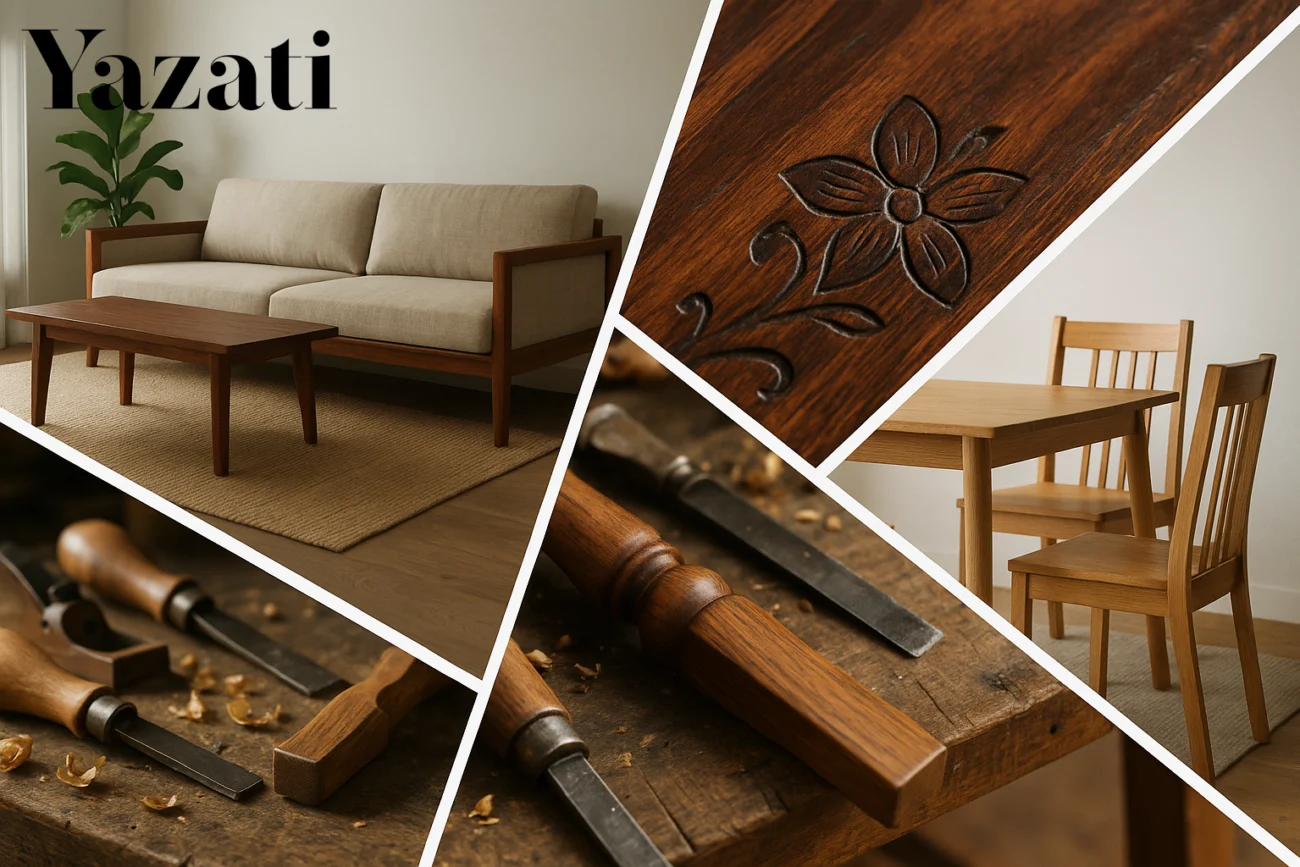
Introduction: The Global Rise of Indian Wooden Furniture
In the last decade, the world has witnessed a remarkable rise in the demand for wooden furniture from India. From elegant handcrafted chairs and intricately carved cabinets to sustainable wooden dining sets, Indian furniture has found its way into homes, hotels, and offices across continents. This surge isn’t accidental—it’s the result of India’s centuries-old craftsmanship, high-quality hardwoods, and a perfect blend of tradition and modern design.
A Blend of Craftsmanship, Culture, and Quality
India’s furniture-making tradition is not just an industry—it’s an art form. Each piece of furniture reflects the soul of Indian culture, telling stories through carvings, motifs, and textures. When global buyers invest in Indian wooden furniture, they’re not just purchasing a table or a bed—they’re owning a piece of living heritage.
Historical Legacy of Indian Wooden Furniture
Ancient Roots: From Royal Palaces to Everyday Homes
The legacy of wooden craftsmanship in India traces back thousands of years. Ancient temples, forts, and royal residences still exhibit wooden carvings that have withstood centuries. In regions like Rajasthan and Gujarat, royal craftsmen specialized in ornate furniture for palaces—every piece showcasing intricate detailing and cultural symbolism.
Evolution Through Eras: Colonial Influence and Modern Adaptations
During the British colonial period, Indian artisans began merging traditional designs with European influences—creating hybrid furniture styles that blended functionality with artistic flair. Today, these influences persist, offering global consumers a unique mix of classic and contemporary designs.
Unique Woods that Define Indian Furniture
India’s rich biodiversity gives its artisans access to a variety of high-quality hardwoods.
Teakwood: The Timeless Choice
Teakwood, native to southern India, is prized for its strength, rich color, and resistance to decay. Its natural oils make it ideal for both indoor and outdoor furniture, ensuring long life and minimal maintenance.
Sheesham (Indian Rosewood): The Heart of Indian Artistry
Known for its beautiful grain patterns and hardness, Sheesham wood is the backbone of many Indian furniture masterpieces. It’s particularly valued in export markets for its durability and smooth finish.
Mango Wood and Acacia: Sustainable and Stylish Alternatives
As sustainability becomes a priority worldwide, mango wood and acacia have gained traction. These fast-growing woods are eco-friendly, affordable, and add a rustic charm to interiors.
Handcrafted Excellence: The Soul of Indian Furniture
The Role of Indian Artisans in Global Design Trends
Indian artisans are masters of handcrafting techniques passed down through generations. Their meticulous attention to detail ensures that no two pieces are identical—each one a symbol of uniqueness.
Traditional Techniques Meeting Modern Aesthetics
While traditional joinery and carving techniques remain, artisans now incorporate minimalist and modern styles, appealing to global sensibilities without losing their cultural essence.
Sustainability: A Key Driver of Global Demand
Eco-Friendly Materials and Responsible Sourcing
Consumers today seek ethical alternatives, and Indian manufacturers have responded. Many furniture makers use reclaimed wood, recycled materials, and low-VOC finishes to minimize environmental impact.
Ethical Manufacturing and Fair Trade Practices
Fair wages, ethical sourcing, and environmentally responsible production processes have positioned Indian furniture brands as global leaders in sustainable home décor.
Cultural Heritage and Artistic Detailing
The Magic of Carvings, Inlays, and Motifs
From Mughal floral patterns to tribal geometries, Indian furniture showcases intricate artistry. The detailing transforms simple wood into timeless statement pieces.
Regional Styles: Rajasthan, Kerala, Gujarat & Beyond
Each region brings its own flair—Rajasthan is famous for hand-carved teak furniture, Kerala for rosewood craftsmanship, and Gujarat for mother-of-pearl inlays.
Export Growth and Global Market Trends
How India Became a Leading Exporter of Wooden Furniture
India’s wooden furniture exports have surged due to government initiatives, improved logistics, and global recognition of Indian craftsmanship. The U.S., U.K., and Germany are among the top importers.
Key Destinations: USA, Europe, and Middle East Markets
Indian furniture fits well with modern interiors in Western countries, blending exotic appeal with practical functionality. The Middle East market, in particular, values its ornate designs and durability.
Why Global Consumers Love Indian Furniture
Durability, Aesthetics, and Affordability
Indian furniture offers long-lasting quality at competitive prices, a combination that attracts both homeowners and commercial buyers.
Fusion of Tradition with Contemporary Design
Today’s Indian furniture merges tradition with modern aesthetics—think minimalist wooden dining sets with traditional carvings or rustic cabinets with metallic accents.
Impact of E-Commerce on the Indian Furniture Industry
Digital Transformation and International Reach
E-commerce platforms like Pepperfry and WoodenStreet have revolutionized how Indian furniture reaches global markets, making it easier for international customers to buy directly from artisans.
The Role of Global Marketplaces like Amazon and Etsy
Artisans now sell globally through platforms like Etsy, where handcrafted Indian furniture has become a symbol of authenticity and sustainability.
Challenges and Opportunities Ahead
Balancing Mass Production with Handmade Authenticity
One of the biggest challenges Indian furniture makers face today is maintaining the authenticity of handcrafted work while meeting the increasing global demand. The charm of Indian wooden furniture lies in its handmade character—each imperfection adds beauty. However, as international orders rise, manufacturers are forced to scale up production.
To address this, several Indian brands are adopting a hybrid production model, combining machine precision for structure with artisan craftsmanship for finishing. This approach ensures that quality remains high while meeting bulk orders.
Strengthening Global Branding and Quality Standards
Despite growing exports, many small-scale furniture producers in India still struggle with international branding and quality certifications. Adopting global standards like FSC (Forest Stewardship Council) certification and ISO compliance is helping Indian manufacturers earn the trust of environmentally conscious buyers worldwide.
The opportunity lies in building strong brand identities—showcasing stories of craftsmanship, sustainability, and heritage. When buyers know the story behind their furniture, emotional value increases, leading to brand loyalty.
Expert Insights: Interior Designers on Indian Wooden Furniture
How Indian Styles Are Influencing Modern Interiors
Top interior designers around the world increasingly incorporate Indian wooden furniture in their projects. Why? Because it brings warmth, soul, and texture to modern interiors. A minimalist Scandinavian living room with a hand-carved Indian coffee table instantly feels more alive and personalized.
Designers appreciate how Indian furniture merges well with global aesthetics. For example:
- Rustic interiors gain character from raw Sheesham or mango wood.
- Luxury spaces use hand-polished teak and intricate inlays.
- Bohemian and eclectic homes thrive on colorful, hand-painted Rajasthani chests.
As designer Meera Singh explains,
“Indian wooden furniture isn’t just décor; it’s a dialogue between the past and present—a story carved in wood.”
Tips for Buying Authentic Indian Wooden Furniture
How to Identify Genuine Handcrafted Pieces
With so many replicas in the market, it’s important to know how to identify authentic Indian wooden furniture:
- Check the wood type – Real Sheesham, teak, or mango wood should feel dense and heavy.
- Look at the carving details – Hand-carved designs will have subtle irregularities; machine-carved ones look too uniform.
- Smell the wood – Natural hardwoods have a distinct, earthy aroma.
- Ask about certification – Genuine exporters often provide proof of sustainable sourcing (FSC or Vriksh certification).
Buying from reputed Indian brands or verified online marketplaces ensures authenticity and quality.
Maintenance and Longevity Tips
Proper care enhances the life and beauty of your furniture:
- Polish annually with natural wood polish.
- Avoid direct sunlight to prevent fading.
- Use coasters and mats to avoid stains or rings.
- Dust regularly using a soft cloth to maintain sheen.
With care, Indian wooden furniture can last for generations — a true investment in timeless craftsmanship.
Frequently Asked Questions (FAQs)
1. What makes Indian wooden furniture unique?
Indian wooden furniture stands out due to its intricate hand-carving, durable hardwoods like teak and Sheesham, and the fusion of traditional and modern design aesthetics. Each piece reflects a deep cultural heritage.
2. Which wood is most commonly used in Indian furniture?
Sheesham wood (Indian Rosewood) is the most popular due to its strength, grain pattern, and resistance to termites. Teak, mango wood, and acacia are also widely used.
3. Is Indian furniture eco-friendly?
Yes. Many manufacturers now follow eco-conscious practices by using reclaimed wood, sustainably harvested timber, and low-VOC finishes that are safe for the environment and your home.
4. How long does Indian wooden furniture last?
When properly maintained, Indian wooden furniture can last for 50 years or more. High-quality hardwoods, coupled with traditional joinery techniques, make these pieces extremely durable.
5. Can Indian furniture suit modern home interiors?
Absolutely. Modern designers often combine Indian wooden furniture with contemporary elements. A carved wooden headboard or rustic dining table can perfectly complement minimalist or industrial-style interiors.
6. Where can I buy authentic Indian wooden furniture online?
You can find authentic pieces on trusted platforms like Yazati, WoodenStreet, Pepperfry, Indigo Interiors, and global marketplaces such as Etsy and Amazon Handmade.
Conclusion: The Timeless Appeal of Indian Wooden Furniture
In an era dominated by mass-produced, synthetic furnishings, the world is turning back to authenticity—and wooden furniture from India embodies just that. It’s a perfect fusion of heritage, sustainability, and modern appeal. Every piece narrates a story—of artisans who have spent lifetimes perfecting their craft, of responsibly sourced wood, and of a country that continues to inspire global design trends.
From handcrafted Sheesham cabinets to minimalist teak dining sets, Indian furniture offers something far deeper than style—it offers soul. And that’s exactly why its popularity across the globe isn’t just a trend—it’s a timeless movement.
🌍 Final Thoughts
Indian wooden furniture’s growing global popularity stems from its authenticity, artistic heritage, and adaptability to modern lifestyles. It represents the perfect balance of sustainability and beauty—an evergreen reminder that true craftsmanship never goes out of style.
✨ Discover Global Sourcing Excellence with Netyex ✨
Netyex is your trusted B2B sourcing partner, connecting international buyers with India’s finest manufacturers and curated product lines—from handicrafts and home décor to kitchenware, textiles, hospitality essentials, and more. With verified suppliers and end-to-end support, we make global procurement seamless, reliable, and efficient.
👉 Elevate your sourcing experience—explore Netyex today.
📦 Bulk orders & customisation | 🌍 Worldwide delivery | 🤝 Trusted by global buyers
Visit Netyex to source premium Indian products with confidence.