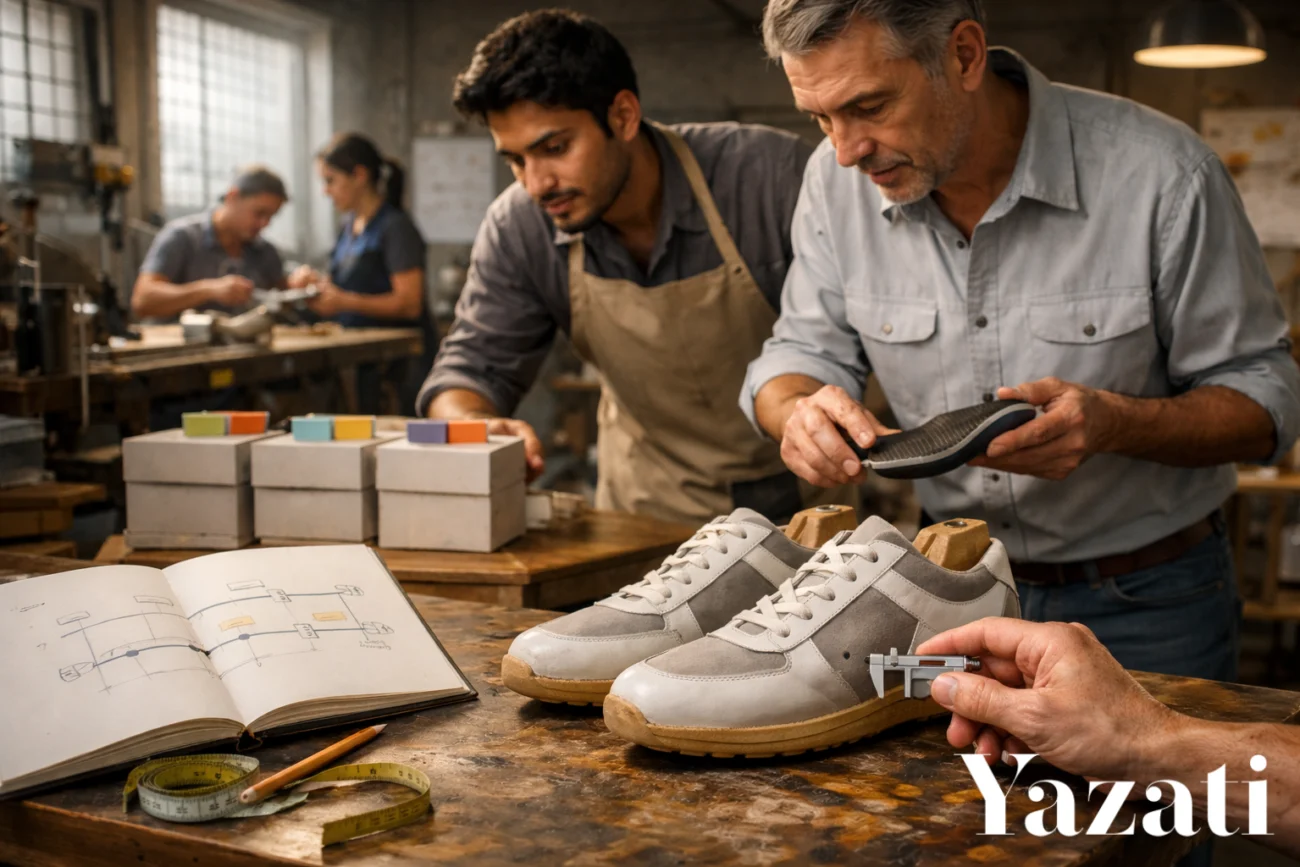
Introduction
The Timeline for Sampling and Mass Production of Shoes is a structured process that footwear manufacturers follow to transform a concept into finished products ready for retail. From the first design sketch to large-scale factory production, each stage ensures quality, durability, and market readiness.
Footwear brands cannot jump directly into production. Instead, they go through multiple development phases such as prototyping, testing, sample approval, and pre-production preparation. These steps help avoid costly errors and ensure the shoes meet design expectations and customer standards.
Understanding the Timeline for Sampling and Mass Production of Shoes is essential for designers, brand owners, sourcing managers, and factory teams. A clear timeline helps coordinate materials, labor, machinery, and logistics while maintaining strict quality control.
This article explains every stage of the shoe development and production process, how long each phase usually takes, and why each step is important for successful footwear manufacturing.
Understanding the Footwear Development Cycle
The footwear development cycle refers to the structured workflow used to create, test, and manufacture shoes. It begins with design planning and ends with mass production and shipment.
Typically, the complete process takes 3 to 6 months, depending on factors such as design complexity, materials, factory capacity, and the number of samples required.
The cycle generally includes:
- Concept and design development
- Prototype creation
- Multiple sample stages
- Material sourcing
- Wear testing and evaluation
- Pre-production preparation
- Mass manufacturing
Each stage builds upon the previous one to ensure the final product meets the brand’s expectations.
Overview of the Shoe Sampling and Production Timeline
Below is a simplified timeline used by many footwear manufacturers.
| Stage | Process | Estimated Time |
|---|---|---|
| Concept Design | Idea generation and sketches | 3–7 days |
| Technical Design | Creation of tech pack and specifications | 5–10 days |
| Material Sourcing | Selection of fabrics, leather, and components | 7–14 days |
| First Prototype | Initial sample development | 10–14 days |
| Sample Revision | Adjustments based on feedback | 7–10 days |
| Wear Testing | Performance testing | 10–20 days |
| Confirmation Sample | Final approved sample | 7–10 days |
| Pre-Production Sample | Factory verification sample | 7–10 days |
| Mass Production | Large scale manufacturing | 30–45 days |
This timeline may vary depending on factory capability and order volume.
Stage 1: Concept Development and Design Planning
The first stage of the Timeline for Sampling and Mass Production of Shoes begins with concept creation. Designers develop ideas based on fashion trends, performance needs, or market demand.
Design planning typically includes:
- Sketching shoe concepts
- Selecting target customers
- Determining shoe category (sports, casual, formal, etc.)
- Identifying functional requirements
Designers also determine the shoe’s structure, including:
- Upper design
- Sole type
- Closure system
- Color combinations
This stage sets the foundation for the entire manufacturing process.
Stage 2: Technical Specification and Tech Pack Creation
Once the concept is approved, the next step is creating a technical package (tech pack).
A tech pack contains detailed instructions for the factory. It includes:
- Material specifications
- Color codes
- Measurements
- Construction details
- Stitching requirements
- Logo placement
The tech pack ensures manufacturers produce samples accurately according to the designer’s vision.
Without a clear tech pack, factories may misunderstand the design, causing delays and extra sampling rounds.
Stage 3: Material Sourcing and Component Selection
Material sourcing is one of the most critical stages in footwear production.
Factories select and test materials such as:
- Leather or synthetic uppers
- Mesh fabrics
- Rubber or EVA soles
- Foam padding
- Laces and eyelets
Material suppliers must meet quality standards, durability requirements, and cost targets.
During this stage, manufacturers also check:
- Color consistency
- Flexibility
- Strength
- Environmental compliance
Good material selection ensures the shoes will perform well during wear and maintain their appearance.
Stage 4: Last Development and Pattern Making
A shoe last is the mold that defines the shape and fit of a shoe.
Pattern makers use the last to develop templates for each part of the shoe upper.
The process includes:
- Designing upper panels
- Creating cutting patterns
- Determining stitching lines
- Planning structural reinforcements
Accurate pattern making ensures that all components fit together perfectly during assembly.
Stage 5: First Prototype Sample (Initial Sample)
The first prototype sample is the initial physical version of the shoe.
Factories build this sample using the tech pack and chosen materials. However, it may not include final materials yet.
The purpose of this sample is to evaluate:
- Overall design appearance
- Structural construction
- Fit and comfort
- Basic functionality
Designers review the prototype and provide feedback for improvements.
Stage 6: Sample Review and Design Adjustments
After receiving the prototype, designers and product developers analyze the sample carefully.
They may request changes such as:
- Adjusting the toe shape
- Improving cushioning
- Modifying stitching details
- Changing materials or colors
These revisions help refine the shoe before moving to further sample stages.
Multiple sampling rounds are common in footwear development.
Stage 7: Second Sample or Development Sample
The second sample incorporates the corrections requested during the review stage.
At this point, the shoe begins to resemble the final product more closely.
Factories improve:
- Construction quality
- Material accuracy
- Fit adjustments
The development sample is used to confirm that design changes were implemented correctly.
Stage 8: Wear Testing and Performance Evaluation
Wear testing is essential, especially for athletic or performance shoes.
Testers wear the shoes under real conditions to evaluate:
- Comfort
- Durability
- Flexibility
- Traction
- Breathability
Wear testing may take 2–3 weeks depending on testing requirements.
If issues are found, the design may go through additional revisions.
Stage 9: Confirmation Sample
The confirmation sample represents the final approved design.
At this stage:
- All materials are finalized
- Construction details are confirmed
- Colors match the approved standards
Once the confirmation sample is approved, the project moves toward production preparation.
Stage 10: Pre-Production Sample (PPS)
The Pre-Production Sample (PPS) is made using the exact materials, machinery, and production techniques that will be used in mass manufacturing.
This step verifies:
- Factory readiness
- Production accuracy
- Quality standards
Brands carefully inspect the PPS before approving mass production.
Stage 11: Production Planning and Material Ordering
Before mass production begins, factories must prepare materials and schedules.
Production planning includes:
- Ordering bulk materials
- Allocating factory workers
- Scheduling assembly lines
- Preparing machinery and molds
Proper planning prevents delays and ensures smooth manufacturing operations.
Stage 12: Mass Production of Shoes
Mass production is the stage where thousands of pairs of shoes are manufactured.
The process includes several assembly steps:
- Cutting materials
- Stitching uppers
- Lasting (shaping the shoe)
- Attaching soles
- Finishing and trimming
- Cleaning and polishing
Depending on order size, this stage typically takes 30 to 45 days.
Stage 13: Quality Control and Inspection
Quality control teams inspect shoes during and after production.
They check for:
- Material defects
- Stitching quality
- Size accuracy
- Sole bonding strength
- Color consistency
Random sampling inspections help maintain consistent product quality.
Stage 14: Packaging and Labeling
Once production is complete, shoes move to the packaging stage.
Packaging usually includes:
- Shoe boxes
- Tissue wrapping
- Size labels
- Product tags
- Barcodes
Proper packaging protects the shoes during transportation and enhances brand presentation.
Stage 15: Shipment and Distribution
The final stage in the Timeline for Sampling and Mass Production of Shoes is shipment.
Manufacturers arrange logistics such as:
- Container loading
- Export documentation
- Shipping schedules
- Delivery to warehouses or retailers
Depending on the destination, shipping may take 2–5 weeks.
FAQs
How long does the entire shoe sampling process take?
The sampling process usually takes 4 to 8 weeks, depending on the number of revisions and material availability.
How many samples are typically made before production?
Most footwear projects require 3 to 5 sample rounds, including prototype, development sample, confirmation sample, and pre-production sample.
What is a tech pack in shoe manufacturing?
A tech pack is a detailed document that contains all specifications required to manufacture a shoe, including measurements, materials, construction details, and design instructions.
Why is the pre-production sample important?
The pre-production sample ensures the factory can produce the shoe exactly as approved before starting large-scale manufacturing.
What factors affect the timeline for shoe production?
Key factors include:
- Design complexity
- Material sourcing
- Factory workload
- Order quantity
- Quality testing requirements
Can shoe production be completed faster?
Yes. If materials are available and fewer sample revisions are needed, the process can sometimes be reduced to 8–10 weeks.
Conclusion
The Timeline for Sampling and Mass Production of Shoes involves many carefully planned stages that transform a design concept into a finished product ready for the market.
From concept design and prototype sampling to quality inspection and shipping, each phase plays an important role in ensuring the shoes meet both design expectations and manufacturing standards.
Brands that follow a well-structured development timeline can reduce costly mistakes, improve product quality, and deliver footwear to the market more efficiently. Understanding this timeline helps designers, factories, and sourcing teams work together smoothly and produce high-quality footwear at scale.
✨ Discover Global Sourcing Excellence with Netyex ✨
Netyex is your trusted B2B sourcing partner, connecting international buyers with India’s finest manufacturers and curated product lines—from handicrafts and home décor to kitchenware, textiles, hospitality essentials, and more. With verified suppliers and end-to-end support, we make global procurement seamless, reliable, and efficient.
👉 Elevate your sourcing experience—explore Netyex today.
📦 Bulk orders & customisation | 🌍 Worldwide delivery | 🤝 Trusted by global buyers
Visit Netyex to source premium Indian products with confidence.