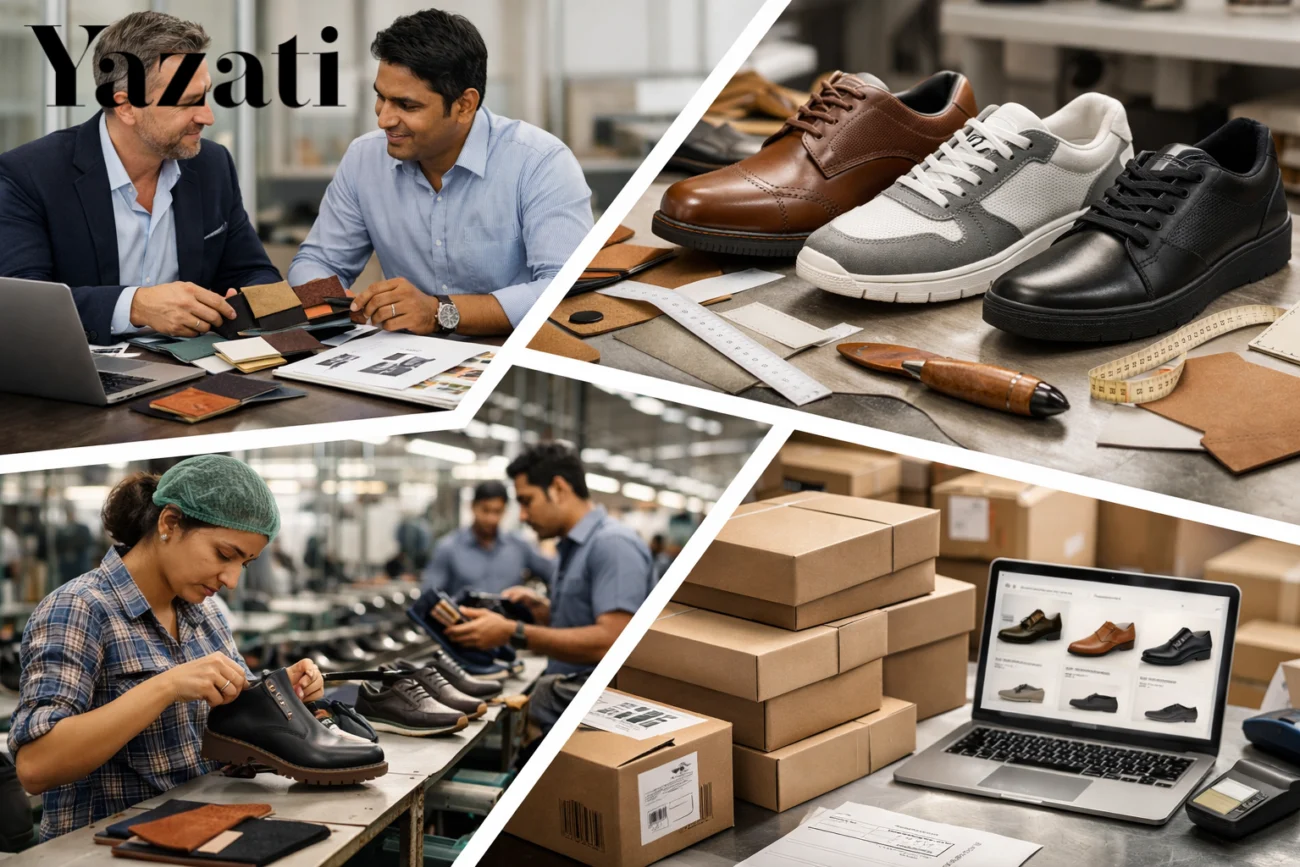
Introduction to Shoe Line Launching for Importers
Launching a footwear brand has never been more accessible. Thanks to modern manufacturing models like OEM (Original Equipment Manufacturer), importers can now build high-quality shoe lines without owning factories. One of the most effective pathways today is understanding how importers can launch shoe lines via Yazati’s OEM services, which simplifies the entire journey from idea to finished product.
The global footwear market is growing rapidly, driven by fashion trends, e-commerce, and rising consumer demand. Importers who once focused only on trading can now step into branding and product ownership. This shift opens doors to higher profit margins and long-term business growth.
Why Private Label Footwear Is Booming
Private label footwear allows businesses to sell products under their own brand name. Instead of competing solely on price, importers can build identity, loyalty, and recognition.
Key reasons for the boom:
- Increased demand for unique designs
- Growth of online marketplaces
- Lower entry barriers through OEM partnerships
- Higher profit margins compared to reselling
Understanding OEM in the Footwear Industry
OEM manufacturing means a company produces goods based on your specifications, branding, and requirements. In this case, Yazati handles production while you control branding and marketing.
Benefits include:
- No need for factory investment
- Access to expert craftsmanship
- Faster production timelines
- Scalability
What Makes Yazati’s OEM Services Stand Out
When exploring how importers can launch shoe lines via Yazati’s OEM services, it’s essential to understand what sets them apart.
Key Features of Yazati’s Manufacturing Model
Yazati offers a streamlined approach:
- End-to-end manufacturing support
- Custom design capabilities
- Quality assurance systems
- Flexible order quantities
Their expertise reduces the complexity that new importers often face.
Benefits for New and Experienced Importers
Whether you’re just starting or scaling:
- Beginners get guidance through each step
- Experienced importers gain efficiency and cost control
- Faster time-to-market
- Consistent product quality
Step-by-Step Guide to Launching a Shoe Line
Step 1: Market Research and Trend Analysis
Before creating a product, understanding the market is crucial.
Identifying Target Audience
Ask:
- Who will wear your shoes?
- What is their budget?
- What style do they prefer?
Studying Competitors
Analyze:
- Pricing strategies
- Design trends
- Customer reviews
This helps you find gaps and opportunities.
Step 2: Choosing the Right Shoe Category
Casual, Sports, Formal, or Niche
Your category defines your brand direction:
- Casual shoes: High demand, everyday wear
- Sports shoes: Performance-focused
- Formal shoes: Premium market
- Niche: Eco-friendly, orthopedic, luxury
Choose based on your target audience and budget.
Step 3: Designing Your Footwear Collection
Custom Designs vs Template Designs
- Custom designs: Unique, higher cost, stronger branding
- Template designs: Faster, cost-effective, easier launch
Yazati often provides base templates that can be customized.
Step 4: Branding and Private Label Development
Logo, Packaging, and Brand Identity
Your brand is more than a logo. It includes:
- Brand name and story
- Packaging design
- Color schemes
- Taglines
Strong branding creates trust and recognition.
Step 5: Working with Yazati for Prototyping
Sample Development Process
Before bulk production:
- Create prototypes
- Test comfort and durability
- Adjust design if needed
Sampling ensures your product meets expectations.
Step 6: Material Selection and Quality Control
Choosing Durable and Cost-Effective Materials
Material choices impact:
- Comfort
- Longevity
- Pricing
Common materials:
- Leather
- Synthetic fabrics
- Rubber soles
Yazati typically provides guidance to balance cost and quality.
Step 7: Production and Bulk Manufacturing
Minimum Order Quantities (MOQ)
MOQ is the minimum number of units required per order.
Tips:
- Start with smaller batches
- Test market demand
- Scale gradually
Step 8: Logistics, Shipping, and Importing
Managing Costs and Delivery Timelines
Key considerations:
- Shipping methods (air vs sea)
- Customs duties
- Delivery timelines
Efficient logistics ensure smooth business operations.
Cost Breakdown of Launching a Shoe Line
Understanding costs helps avoid surprises.
Manufacturing Costs
Includes:
- Materials
- Labor
- Prototyping
Branding and Marketing Expenses
- Logo design
- Website creation
- Advertising
Shipping and Import Duties
- Freight charges
- Taxes and duties
- Warehousing
Marketing Your Shoe Brand Successfully
Online vs Offline Sales Channels
- Online: E-commerce websites, marketplaces
- Offline: Retail stores, pop-ups
A hybrid approach often works best.
Social Media and Influencer Marketing
Platforms like Instagram and TikTok can drive massive traffic.
Strategies:
- Collaborate with influencers
- Run targeted ads
- Share engaging content
Common Challenges and How to Overcome Them
Quality Issues
Solution:
- Always test samples
- Work with trusted OEM partners
Delays in Production
Solution:
- Plan ahead
- Maintain communication with manufacturers
Branding Mistakes
Solution:
- Keep branding consistent
- Focus on customer experience
Scaling Your Shoe Business
Expanding Product Lines
Add:
- New styles
- Seasonal collections
- Accessories
Entering Global Markets
- Use international marketplaces
- Adapt to regional preferences
Future Trends in OEM Footwear Manufacturing
Sustainable Footwear
Eco-friendly materials are gaining popularity.
Smart and Tech-Integrated Shoes
Technology is entering footwear, including fitness tracking features.
FAQs
1. What is OEM in footwear manufacturing?
OEM refers to manufacturers producing shoes based on your brand and design specifications.
2. How much investment is needed to start a shoe line?
It varies but typically includes costs for design, sampling, production, and marketing.
3. Can beginners use Yazati’s OEM services?
Yes, beginners can benefit from their guided process and support.
4. How long does it take to launch a shoe line?
Usually between 2–6 months depending on design and production complexity.
5. What is MOQ in shoe manufacturing?
MOQ stands for Minimum Order Quantity, the smallest number of units you can order.
6. Is private labeling profitable in footwear?
Yes, it offers higher margins compared to reselling products.
Conclusion
Understanding how importers can launch shoe lines via Yazati’s OEM services opens the door to a powerful business opportunity. With the right strategy, strong branding, and reliable manufacturing support, importers can transition from simple trading to building profitable, recognizable footwear brands.
By following a structured approach—researching the market, designing thoughtfully, ensuring quality, and marketing effectively—you can create a shoe line that stands out in a competitive market. The journey requires planning and patience, but the rewards can be substantial.
✨ Discover Global Sourcing Excellence with Netyex ✨
Netyex is your trusted B2B sourcing partner, connecting international buyers with India’s finest manufacturers and curated product lines—from handicrafts and home décor to kitchenware, textiles, hospitality essentials, and more. With verified suppliers and end-to-end support, we make global procurement seamless, reliable, and efficient.
👉 Elevate your sourcing experience—explore Netyex today.
📦 Bulk orders & customisation | 🌍 Worldwide delivery | 🤝 Trusted by global buyers
Visit Netyex to source premium Indian products with confidence.