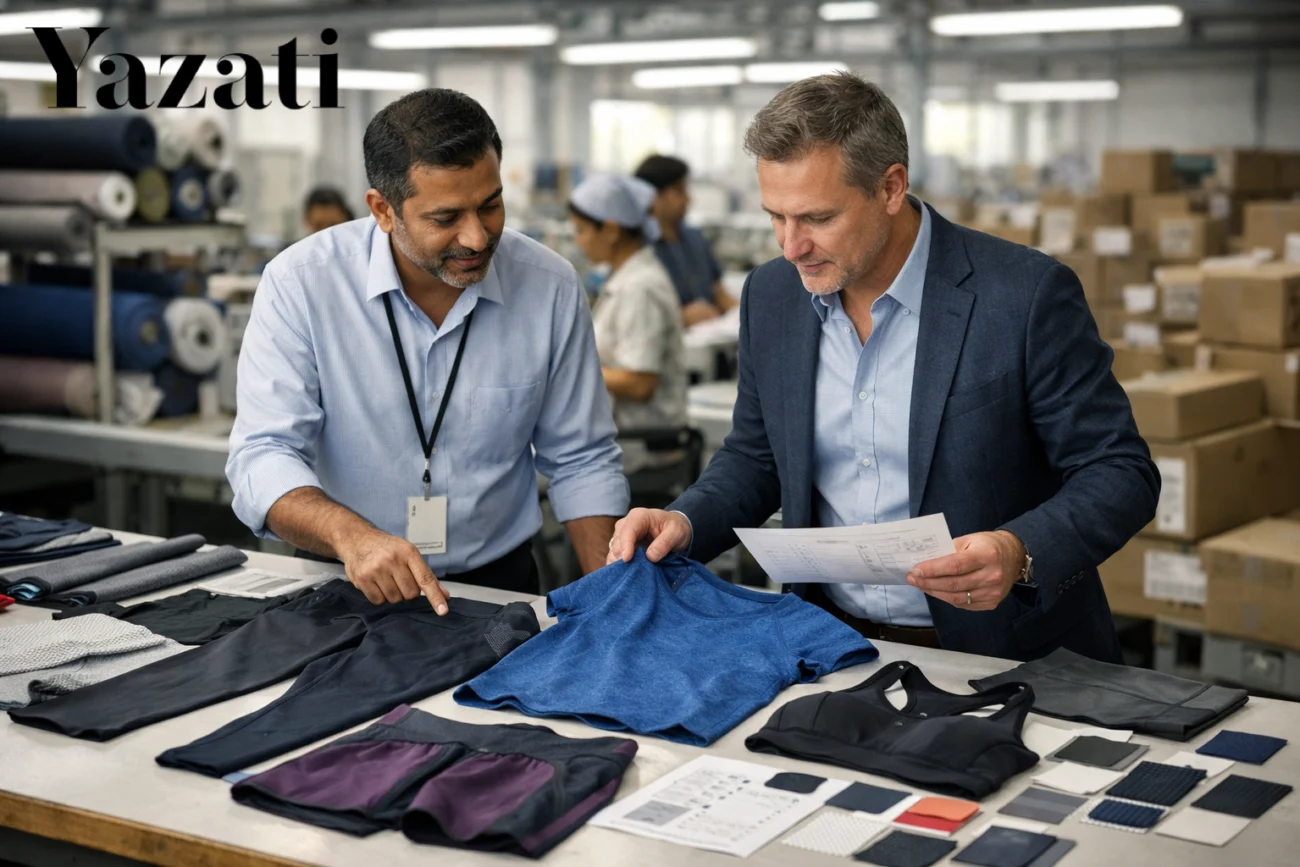
Introduction to India’s Rise in Sportswear Manufacturing
India is rapidly emerging as a global manufacturing powerhouse, especially in the sportswear segment. Over the past decade, the country has transformed from a traditional textile producer into a modern, technology-driven OEM hub. This shift is not accidental—it is fueled by a mix of economic, technological, and policy-driven factors.
The global sportswear market is expanding quickly due to rising fitness awareness, athleisure trends, and increased participation in sports. As brands look for reliable manufacturing partners, India is stepping up as a preferred destination. The phrase How India Is Becoming a Top OEM Base for Sportswear Brands perfectly captures this transformation.
India’s strength lies in its ability to combine affordability with quality. Unlike many competing nations, it offers a complete value chain—from raw materials to finished products—under one roof. This integrated ecosystem allows faster production cycles and better quality control.
Moreover, international brands are increasingly diversifying their supply chains. Heavy dependence on a single country has proven risky in recent years. India provides a stable and scalable alternative, making it highly attractive for OEM partnerships.
Understanding OEM in the Sportswear Industry
What OEM Means in Sportswear
OEM, or Original Equipment Manufacturer, refers to companies that produce goods that are later branded and sold by another company. In sportswear, this means Indian manufacturers create apparel, footwear, and accessories for global brands.
These manufacturers follow strict design, quality, and compliance guidelines provided by the brand. The final product carries the brand’s identity, even though it is produced elsewhere.
Why OEM Matters for Global Brands
OEM partnerships allow brands to focus on marketing, innovation, and customer engagement while outsourcing production. This model reduces operational costs and increases efficiency.
India’s growing expertise in OEM manufacturing makes it an ideal partner. The country offers flexibility in production volumes, customization, and adherence to global standards.
Evolution of India’s Textile and Apparel Industry
Historical Background
India has a rich history in textiles dating back thousands of years. From handwoven fabrics to large-scale mills, the industry has always been a backbone of the economy.
Over time, modernization and globalization have reshaped the sector. Investments in machinery, training, and infrastructure have significantly improved productivity.
Shift Toward Performance and Sportswear
Traditionally focused on cotton and casual wear, India has now moved into performance fabrics and sportswear. Manufacturers are producing moisture-wicking fabrics, compression wear, and technical apparel.
This shift aligns with global demand and positions India as a serious contender in the sportswear OEM market.
Key Factors Driving India’s OEM Growth
Cost Competitiveness
One of India’s biggest advantages is cost efficiency. Labor costs are lower compared to many developed countries and even some Asian competitors.
However, low cost does not mean low quality. Indian manufacturers maintain competitive pricing while meeting international standards.
Skilled Workforce Availability
India has a vast pool of skilled workers trained in textile production, garment construction, and quality control. This workforce is adaptable and capable of handling complex manufacturing processes.
Government Policies and Incentives
The government plays a crucial role in boosting manufacturing. Policies are designed to attract foreign investment and support domestic industries.
Production Linked Incentive (PLI) Scheme
The PLI scheme encourages large-scale manufacturing by offering financial incentives. It has attracted significant investments in the textile and apparel sector, including sportswear.
Infrastructure and Supply Chain Advancements
Integrated Textile Parks
India is developing mega textile parks that integrate spinning, weaving, dyeing, and garmenting. These parks reduce logistics costs and improve efficiency.
Logistics and Export Capabilities
Improved ports, highways, and digital systems have enhanced India’s export capabilities. Faster shipping times and better tracking systems make it easier for global brands to rely on Indian manufacturers.
Technological Advancements in Indian Manufacturing
Adoption of Automation and AI
Modern factories in India are adopting automation, robotics, and AI-driven quality checks. These technologies increase precision and reduce errors.
Sustainable Manufacturing Practices
Sustainability is becoming a key focus. Manufacturers are using eco-friendly dyes, recycled materials, and energy-efficient processes.
India vs Other OEM Hubs (China, Vietnam, Bangladesh)
Comparative Cost Analysis
India offers competitive pricing, often lower than China and comparable to Bangladesh and Vietnam. However, it stands out due to its integrated supply chain.
Quality and Compliance Standards
Indian manufacturers are increasingly compliant with global standards, including ethical labor practices and environmental regulations.
Growing Demand for Sportswear Globally
Athleisure Trends
Athleisure has blurred the line between casual wear and sportswear. Consumers now prefer comfortable, stylish clothing suitable for both workouts and daily life.
Rise of Fitness Culture
Global awareness of health and fitness is driving demand for sportswear. This trend is expected to grow, further boosting India’s OEM potential.
Role of Indian Startups and MSMEs
Innovation in Sportswear Design
Startups and small businesses are bringing fresh ideas to the market. They focus on niche segments like sustainable sportswear and customized designs.
Export-Oriented Growth
Many MSMEs are export-focused, supplying to international brands and expanding India’s presence in global markets.
Sustainability and Ethical Manufacturing
Eco-Friendly Materials
India is increasingly using organic cotton, recycled polyester, and biodegradable materials. These efforts align with global sustainability goals.
Labor Compliance and Certifications
Factories are adopting fair labor practices and obtaining certifications. This builds trust with international brands.
Challenges Facing India’s OEM Sector
Infrastructure Gaps
Despite progress, some regions still face infrastructure challenges. Addressing these gaps is essential for sustained growth.
Competition from Established Markets
Countries like China and Vietnam have well-established supply chains. India must continue improving to stay competitive.
Opportunities for Global Sportswear Brands
Diversification of Supply Chains
Brands are looking to reduce dependence on a single country. India offers a reliable alternative.
Strategic Partnerships
Collaborating with Indian manufacturers can lead to innovation, cost savings, and faster market entry.
Future Outlook of India as an OEM Hub
Market Projections
The future looks promising. With increasing investments and policy support, India’s share in the global sportswear market is expected to grow significantly.
Emerging Trends
Key trends include digital manufacturing, sustainable production, and smart textiles. These innovations will further strengthen India’s position.
FAQs About India as a Sportswear OEM Base
1. Why is India becoming popular for sportswear manufacturing?
India offers cost efficiency, skilled labor, and a complete supply chain, making it attractive for global brands.
2. What does OEM mean in sportswear?
OEM refers to manufacturers producing goods that are branded and sold by another company.
3. How does India compare to China in OEM manufacturing?
India is more cost-effective and offers diversification benefits, though China still leads in scale.
4. Is Indian sportswear manufacturing sustainable?
Yes, many manufacturers are adopting eco-friendly materials and processes.
5. What challenges does India face in becoming a top OEM hub?
Infrastructure gaps and competition from established markets are key challenges.
6. What is the future of sportswear manufacturing in India?
The future is strong, with growth driven by technology, sustainability, and global demand.
Conclusion
The journey of How India Is Becoming a Top OEM Base for Sportswear Brands reflects a broader transformation in the country’s manufacturing landscape. With strong government support, technological advancements, and a skilled workforce, India is well-positioned to become a global leader in sportswear production.
While challenges remain, the opportunities far outweigh them. As global brands continue to diversify their supply chains, India stands out as a reliable, efficient, and forward-thinking partner.
The coming years will likely see India not just participating in the global sportswear market but leading it.
✨ Discover Global Sourcing Excellence with Netyex ✨
Netyex is your trusted B2B sourcing partner, connecting international buyers with India’s finest manufacturers and curated product lines—from handicrafts and home décor to kitchenware, textiles, hospitality essentials, and more. With verified suppliers and end-to-end support, we make global procurement seamless, reliable, and efficient.
👉 Elevate your sourcing experience—explore Netyex today.
📦 Bulk orders & customisation | 🌍 Worldwide delivery | 🤝 Trusted by global buyers
Visit Netyex to source premium Indian products with confidence.