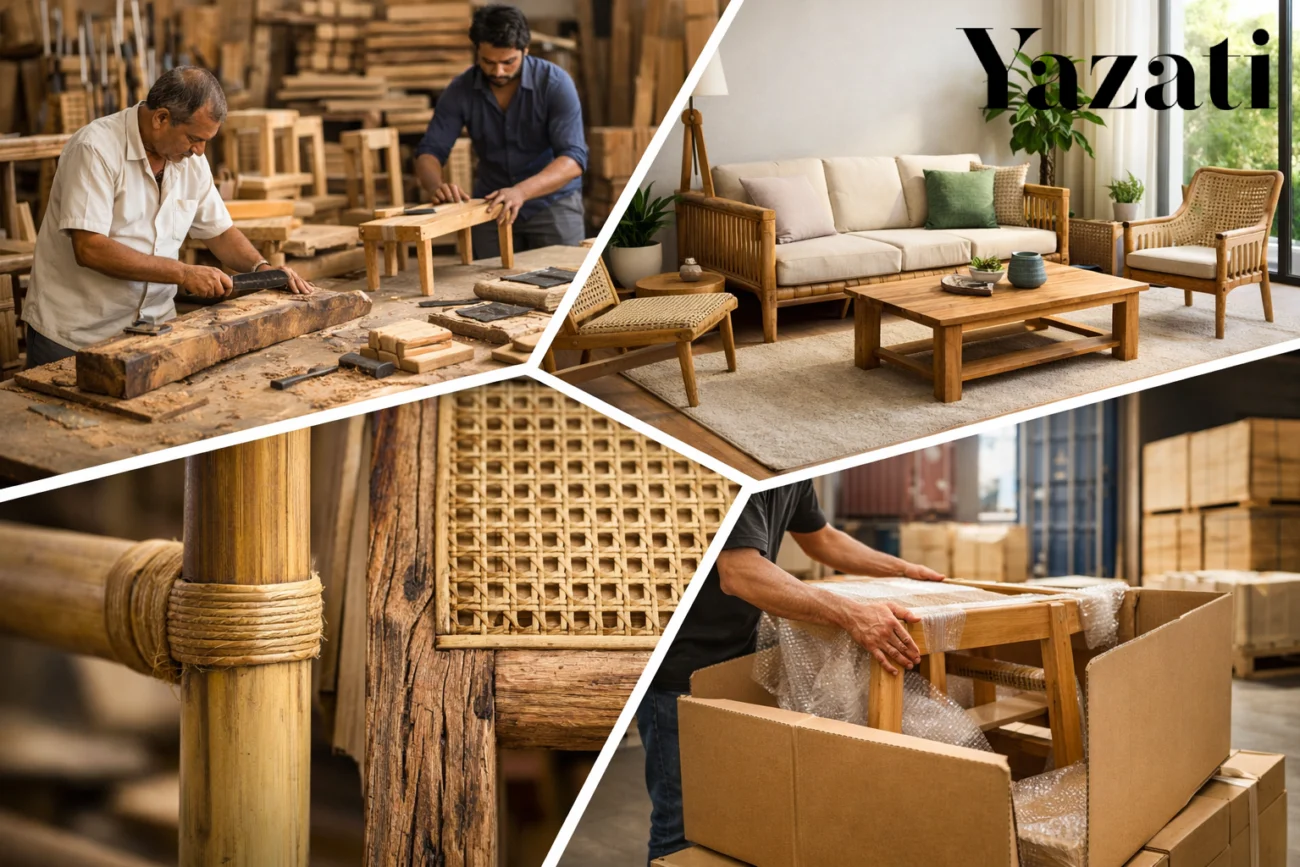
Introduction to Eco-Furniture in India
India has emerged as a global leader in sustainability, and one sector where this leadership shines brightly is eco-furniture. When we talk about How India Leads the Eco-Furniture Movement, we’re looking at a powerful blend of tradition, innovation, and environmental responsibility.
Eco-furniture refers to furniture made from sustainable, recycled, or renewable materials with minimal environmental impact. In India, this concept is not entirely new—it is deeply rooted in centuries-old craftsmanship. However, what’s fascinating is how the country is now combining ancient wisdom with modern design to meet global demand.
Today, consumers are becoming more aware of environmental issues like deforestation and climate change. As a result, they are shifting toward eco-friendly products, including furniture. India has stepped up to this demand by offering solutions that are not only sustainable but also aesthetically appealing and affordable.
Historical Roots of Sustainable Craftsmanship
India’s leadership in eco-furniture is not accidental. It stems from a rich heritage of sustainable living and craftsmanship that dates back thousands of years.
Indigenous Materials and Techniques
Traditionally, Indian artisans have relied on locally available, renewable materials. Bamboo, cane, and reclaimed wood have long been used to create durable and beautiful furniture. These materials are not only eco-friendly but also highly versatile.
For instance, bamboo grows quickly and requires minimal resources, making it an ideal sustainable material. Similarly, reclaimed wood helps reduce waste while preserving natural resources.
Role of Rural Artisans
Rural artisans play a crucial role in sustaining this eco-friendly tradition. Their handcrafted techniques ensure minimal energy consumption and zero industrial waste. These artisans often use manual tools and natural finishes, avoiding harmful chemicals.
This approach not only protects the environment but also supports livelihoods, making eco-furniture a socially responsible choice.
Growing Demand for Eco-Friendly Furniture
The rise in demand for sustainable furniture is one of the key reasons How India Leads the Eco-Furniture Movement is becoming a global talking point.
Urban Sustainability Awareness
Urban consumers, especially millennials, are increasingly prioritizing sustainability. They prefer furniture that aligns with their values—products that are ethically sourced and environmentally friendly.
This shift in mindset has significantly boosted the eco-furniture market in India. People are no longer just buying furniture; they are investing in a lifestyle.
Influence of Green Living Trends
Trends like minimalism, eco-homes, and zero-waste living have further fueled this demand. Consumers are now looking for furniture that complements a sustainable lifestyle—simple, functional, and environmentally responsible.
Sustainable Materials Used in India
One of the strongest pillars of India’s eco-furniture movement is its diverse range of sustainable materials.
Bamboo and Cane Revolution
Bamboo and cane are leading the charge in eco-friendly furniture production. Bamboo, in particular, is a game-changer due to its rapid growth and durability. It can be harvested without harming the environment, making it a renewable resource.
Cane, on the other hand, is lightweight and flexible, ideal for creating stylish and comfortable furniture.
Reclaimed and Recycled Wood
Reclaimed wood is another popular material in India’s eco-furniture industry. By repurposing old wood from buildings or discarded furniture, manufacturers reduce waste and conserve forests.
This approach also adds a unique character to each piece, making it one-of-a-kind.
Natural Fibers and Textiles
Materials like jute, coir, and organic cotton are widely used in eco-furniture. These natural fibers are biodegradable and require less energy to produce.
They are often used for upholstery, adding both comfort and sustainability to furniture designs.
Government Policies Supporting Eco-Furniture
Government support has played a significant role in promoting sustainable practices in the furniture industry.
Environmental Policies
India has implemented several policies aimed at conserving forests and promoting sustainable resource use. Regulations encourage the use of certified wood and restrict illegal logging.
These measures ensure that the eco-furniture industry operates responsibly.
Startup and MSME Support
The government also provides support to startups and small businesses through funding schemes and incentives. This has led to a surge in eco-friendly furniture brands across the country.
Such initiatives not only boost innovation but also create employment opportunities.
Innovation and Technology in Eco-Furniture
While tradition forms the foundation, innovation is driving the future of eco-furniture in India.
Sustainable Manufacturing Techniques
Modern manufacturers are adopting low-energy production methods to reduce their carbon footprint. Techniques like modular design and flat-pack furniture minimize material usage and transportation costs.
Digital Platforms and E-commerce
E-commerce platforms have made eco-furniture more accessible than ever. Consumers can now explore a wide range of sustainable products from the comfort of their homes.
This digital shift has significantly expanded the reach of Indian eco-furniture brands.
Role of Indian Startups and Brands
Startups are playing a crucial role in redefining the eco-furniture landscape in India.
Ethical Production Models
Many brands are adopting ethical production practices, ensuring fair wages and safe working conditions for artisans. Transparency in sourcing and manufacturing is becoming a standard.
Circular Economy Practices
The concept of a circular economy—where products are reused, repaired, and recycled—is gaining traction. Companies are designing furniture that can be easily disassembled and repurposed.
Export Potential of Indian Eco-Furniture
India’s eco-furniture industry is not just thriving domestically—it is also making waves globally.
International Market Trends
Global consumers are increasingly seeking sustainable products. Countries in Europe and North America are importing eco-friendly furniture at a growing rate.
India’s Competitive Advantage
India’s combination of skilled craftsmanship, affordable pricing, and sustainable materials gives it a strong competitive edge in the international market.
Challenges in the Eco-Furniture Industry
Despite its growth, the eco-furniture sector faces several challenges.
Cost and Accessibility Issues
Eco-friendly furniture can sometimes be more expensive due to the cost of sustainable materials and ethical production practices. This can limit its accessibility to a wider audience.
Awareness Gaps
While awareness is growing, many consumers still lack knowledge about the benefits of eco-furniture. Education and marketing are essential to bridge this gap.
Future of Eco-Furniture in India
The future looks bright for eco-furniture in India, with continuous advancements and increasing awareness.
Smart and Sustainable Designs
Designers are focusing on creating furniture that is both smart and sustainable. Multifunctional pieces and space-saving designs are becoming popular.
Green Certifications and Standards
Certifications are helping consumers identify genuinely sustainable products. These standards ensure quality and build trust in the market.
FAQs About Eco-Furniture in India
1. What is eco-furniture?
Eco-furniture is made from sustainable, recycled, or renewable materials with minimal environmental impact.
2. Why is India leading the eco-furniture movement?
India combines traditional craftsmanship with modern innovation, using sustainable materials and ethical practices.
3. What materials are commonly used in eco-furniture?
Bamboo, reclaimed wood, cane, jute, and organic cotton are widely used.
4. Is eco-furniture more expensive?
It can be slightly more expensive, but it offers long-term value and environmental benefits.
5. How does eco-furniture help the environment?
It reduces deforestation, minimizes waste, and lowers carbon emissions.
6. Can eco-furniture be stylish?
Absolutely! Eco-furniture blends sustainability with modern design, offering stylish and functional options.
Conclusion
Understanding How India Leads the Eco-Furniture Movement reveals a powerful story of tradition, innovation, and responsibility. From rural artisans to modern startups, every part of the ecosystem contributes to a greener future.
India’s ability to merge age-old techniques with cutting-edge technology sets it apart as a global leader in sustainable furniture. While challenges remain, the growing awareness and demand for eco-friendly products promise a bright future.
As more consumers embrace sustainability, India’s eco-furniture movement will continue to thrive, shaping a world where style and sustainability go hand in hand.
✨ Discover Global Sourcing Excellence with Netyex ✨
Netyex is your trusted B2B sourcing partner, connecting international buyers with India’s finest manufacturers and curated product lines—from handicrafts and home décor to kitchenware, textiles, hospitality essentials, and more. With verified suppliers and end-to-end support, we make global procurement seamless, reliable, and efficient.
👉 Elevate your sourcing experience—explore Netyex today.
📦 Bulk orders & customisation | 🌍 Worldwide delivery | 🤝 Trusted by global buyers
Visit Netyex to source premium Indian products with confidence.