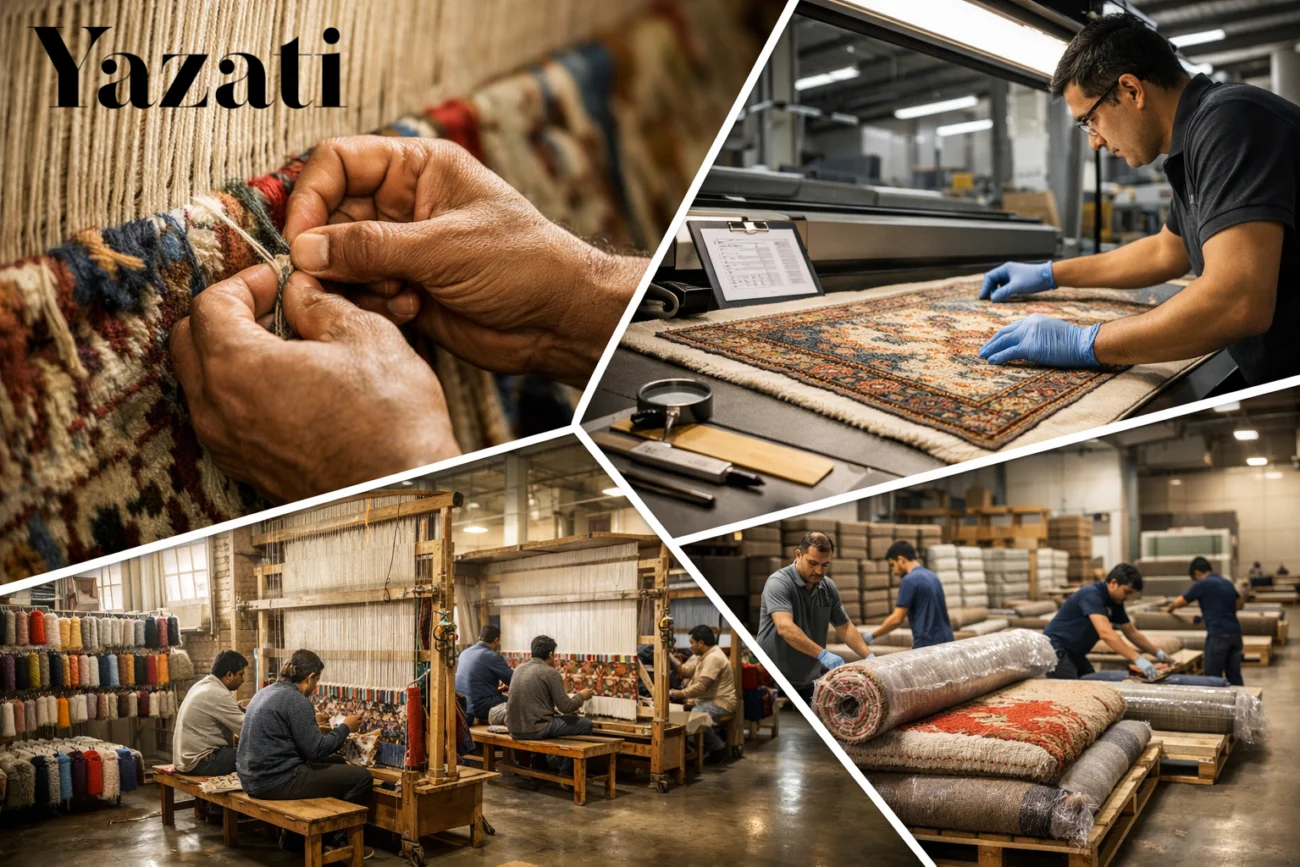
Introduction: The Balance Between Craftsmanship and Modern Manufacturing
In today’s fast-paced manufacturing world, companies often face a difficult choice. They must decide whether to rely on traditional craftsmanship or adopt industrial-scale production methods. However, the most successful brands are those that merge the best of both worlds. This is exactly where How Yazati Combines Artisan Skill with Industrial-Grade Quality becomes an inspiring example of innovation and precision.
Yazati has built its reputation by blending the timeless techniques of skilled artisans with modern industrial processes. This approach ensures that every product reflects human expertise while maintaining consistent quality, durability, and efficiency. Instead of choosing between tradition and technology, Yazati integrates them.
The result is a manufacturing philosophy that values detail, reliability, and excellence. Skilled craftspeople contribute their experience and attention to detail, while industrial systems guarantee scalability and precision. Together, they create products that are both aesthetically refined and structurally dependable.
This article explores the key principles behind How Yazati Combines Artisan Skill with Industrial-Grade Quality, revealing the strategies, processes, and values that drive this unique approach to production.
Understanding the Philosophy Behind Yazati’s Production Model
The foundation of Yazati’s success lies in its philosophy. The company believes that craftsmanship and technology should not compete with each other. Instead, they should work together.
Traditional artisans bring creativity, intuition, and experience that machines cannot replicate. At the same time, industrial systems bring efficiency, consistency, and scalability.
By combining these strengths, Yazati ensures that each product benefits from both human skill and technological precision.
Respect for Traditional Craftsmanship
Craftsmanship is deeply rooted in human history. Skilled artisans develop techniques through years of practice, allowing them to notice details that automated systems might overlook.
Yazati respects these traditions and incorporates them into its workflow. Artisans play a key role in shaping product design, refining details, and ensuring that each piece meets high aesthetic standards.
Their experience allows them to:
- Identify subtle imperfections
- Adjust designs for functionality and beauty
- Maintain the authenticity of handcrafted elements
This dedication keeps the spirit of craftsmanship alive within a modern manufacturing environment.
Commitment to Modern Precision Engineering
While artisan skill brings creativity and detail, modern engineering ensures reliability. Industrial-grade manufacturing involves strict quality control, standardized processes, and precise machinery.
Yazati uses advanced equipment and structured production methods to maintain consistent quality across large batches.
Industrial systems allow the company to:
- Maintain exact measurements
- Improve production efficiency
- Ensure uniform performance across products
- Meet global quality standards
By combining these systems with artisan expertise, Yazati achieves an ideal balance between creativity and precision.
How Yazati Combines Artisan Skill with Industrial-Grade Quality in Practice
The integration of craftsmanship and technology does not happen by accident. It requires careful planning, skilled teams, and a clear production strategy.
Collaborative Design Process
Product development at Yazati begins with collaboration between designers, engineers, and artisans.
Designers create the initial concept, engineers refine the structural and functional aspects, and artisans evaluate the design from a craftsmanship perspective.
This teamwork ensures that each product is:
- Visually appealing
- Technically sound
- Practical to manufacture
- Durable and reliable
The collaborative process reduces design flaws and improves the final outcome.
Precision Manufacturing Systems
After design approval, production moves to industrial manufacturing systems. These systems include advanced tools, automated machinery, and precise measurement equipment.
Machines perform tasks that require exact accuracy, such as cutting, shaping, or assembling components.
Industrial precision ensures:
- Consistent dimensions
- Reduced material waste
- Faster production times
- High repeatability
However, machines alone cannot guarantee perfection.
Artisan Finishing Techniques
Once the industrial process is complete, artisans step in for finishing work.
This stage involves careful inspection, manual adjustments, and aesthetic refinement. Skilled craftspeople ensure that every detail meets Yazati’s quality standards.
Artisan finishing often includes:
- Surface refinement
- Quality inspection
- Detail enhancement
- Final assembly adjustments
These human touches transform technically precise products into refined, high-quality creations.
Quality Control: The Core of Industrial-Grade Reliability
Maintaining high standards requires strict quality control procedures. Yazati applies a layered inspection system that combines machine-based testing with manual evaluation.
Industrial testing ensures that products meet structural and performance requirements. Meanwhile, artisans evaluate visual quality and craftsmanship.
Multi-Stage Inspection Process
Yazati uses several inspection stages during production.
- Material inspection – ensuring raw materials meet specifications
- Mid-production checks – verifying manufacturing accuracy
- Post-production testing – confirming structural reliability
- Final artisan inspection – evaluating aesthetic quality
This approach minimizes defects and ensures that every product meets both technical and artistic standards.
Consistency Across Large Production Volumes
One of the biggest challenges in manufacturing is maintaining consistency during large-scale production.
Industrial systems solve this problem by standardizing processes and controlling variables such as temperature, pressure, and measurements.
At the same time, artisans ensure that consistency does not sacrifice individuality or detail.
Training and Skill Development at Yazati
Combining artisan skill with industrial manufacturing requires specialized training.
Yazati invests heavily in developing both technical and creative skills among its workforce.
Apprenticeship Programs
Young workers learn traditional craftsmanship techniques through structured apprenticeship programs.
Experienced artisans mentor new team members, passing down knowledge and practical skills.
This system helps preserve valuable craft traditions while adapting them to modern production environments.
Technical Training for Modern Manufacturing
Employees also receive training in industrial tools, digital design systems, and manufacturing technology.
Workers learn how to operate machinery, analyze production data, and maintain quality standards.
By training both artisans and technicians, Yazati creates a workforce capable of working across multiple disciplines.
Innovation Through the Integration of Craft and Technology
Innovation often happens when different ideas come together. By combining craftsmanship with modern technology, Yazati encourages creative problem-solving.
Artisans provide practical insights based on hands-on experience, while engineers introduce new tools and materials.
This collaboration leads to:
- Improved product designs
- More efficient manufacturing methods
- Enhanced durability and performance
- Unique aesthetic qualities
Instead of replacing artisans with machines, Yazati empowers them with better tools.
Sustainability and Responsible Production
Another advantage of combining artisan skill with industrial processes is sustainability.
Traditional craftsmanship tends to value material efficiency and durability. Industrial systems help optimize resources and reduce waste.
Together, these methods support responsible manufacturing.
Efficient Material Usage
Industrial machinery cuts materials with extreme precision, reducing waste during production.
Meanwhile, artisans carefully evaluate each piece to ensure that materials are used effectively.
Long-Lasting Products
Craftsmanship focuses on durability and quality. When products are built to last, fewer replacements are needed.
This reduces environmental impact and supports sustainable consumption.
Benefits of Yazati’s Hybrid Manufacturing Model
The combination of artisan skill and industrial precision provides several advantages.
Superior Product Quality
The involvement of both machines and artisans ensures that products are both technically precise and visually refined.
Reliable Performance
Industrial engineering guarantees durability, strength, and consistent performance.
Unique Aesthetic Appeal
Artisan craftsmanship adds character and individuality that mass production alone cannot achieve.
Scalable Production
Industrial systems allow Yazati to produce large quantities while maintaining quality.
Challenges in Blending Craftsmanship and Industry
Although the combination is powerful, it also presents challenges.
Balancing Speed and Detail
Industrial manufacturing prioritizes efficiency, while artisans prioritize perfection. Finding the right balance requires careful coordination.
Training Skilled Workers
Craftsmanship takes years to master. Maintaining a skilled workforce requires continuous training and mentorship.
Maintaining Consistency
Even with artisan involvement, products must remain consistent across batches. This requires strict standards and monitoring.
Despite these challenges, Yazati’s integrated model continues to deliver excellent results.
The Future of Craft-Driven Manufacturing
The manufacturing industry is evolving rapidly with new technologies such as automation, robotics, and digital design.
However, the value of human craftsmanship remains strong.
Companies like Yazati demonstrate that the future does not belong solely to machines. Instead, the most successful manufacturers will combine human creativity with technological precision.
This hybrid approach ensures that products are efficient, reliable, and beautifully crafted.
Frequently Asked Questions
1. What does artisan skill mean in manufacturing?
Artisan skill refers to the expertise and craftsmanship developed through years of practice. Skilled artisans use hands-on techniques to refine details and ensure high-quality results.
2. What is industrial-grade quality?
Industrial-grade quality means products are manufactured using advanced machinery, standardized processes, and strict quality control to ensure durability and consistency.
3. Why combine craftsmanship with industrial manufacturing?
Combining both approaches allows companies to achieve precision, efficiency, and aesthetic quality at the same time.
4. How does Yazati maintain product consistency?
Yazati uses automated manufacturing systems along with multi-stage quality inspections and artisan finishing to maintain consistency.
5. Do artisans still play an important role in modern manufacturing?
Yes. Artisans provide creativity, problem-solving skills, and attention to detail that machines cannot fully replicate.
6. Is combining craftsmanship and industry sustainable?
Yes. The hybrid approach promotes efficient material use, durable products, and responsible manufacturing practices.
Conclusion
The story of How Yazati Combines Artisan Skill with Industrial-Grade Quality shows that manufacturing does not have to choose between tradition and technology. Instead, the most effective approach is to integrate both.
By blending the precision of industrial systems with the creativity of skilled artisans, Yazati delivers products that are reliable, refined, and durable. The company’s commitment to craftsmanship, engineering excellence, and quality control ensures that every product meets high standards.
As manufacturing continues to evolve, this balanced approach will likely become more important. Businesses that embrace both human expertise and modern technology will be better equipped to create products that stand the test of time.
✨ Discover Global Sourcing Excellence with Netyex ✨
Netyex is your trusted B2B sourcing partner, connecting international buyers with India’s finest manufacturers and curated product lines—from handicrafts and home décor to kitchenware, textiles, hospitality essentials, and more. With verified suppliers and end-to-end support, we make global procurement seamless, reliable, and efficient.
👉 Elevate your sourcing experience—explore Netyex today.
📦 Bulk orders & customisation | 🌍 Worldwide delivery | 🤝 Trusted by global buyers
Visit Netyex to source premium Indian products with confidence.