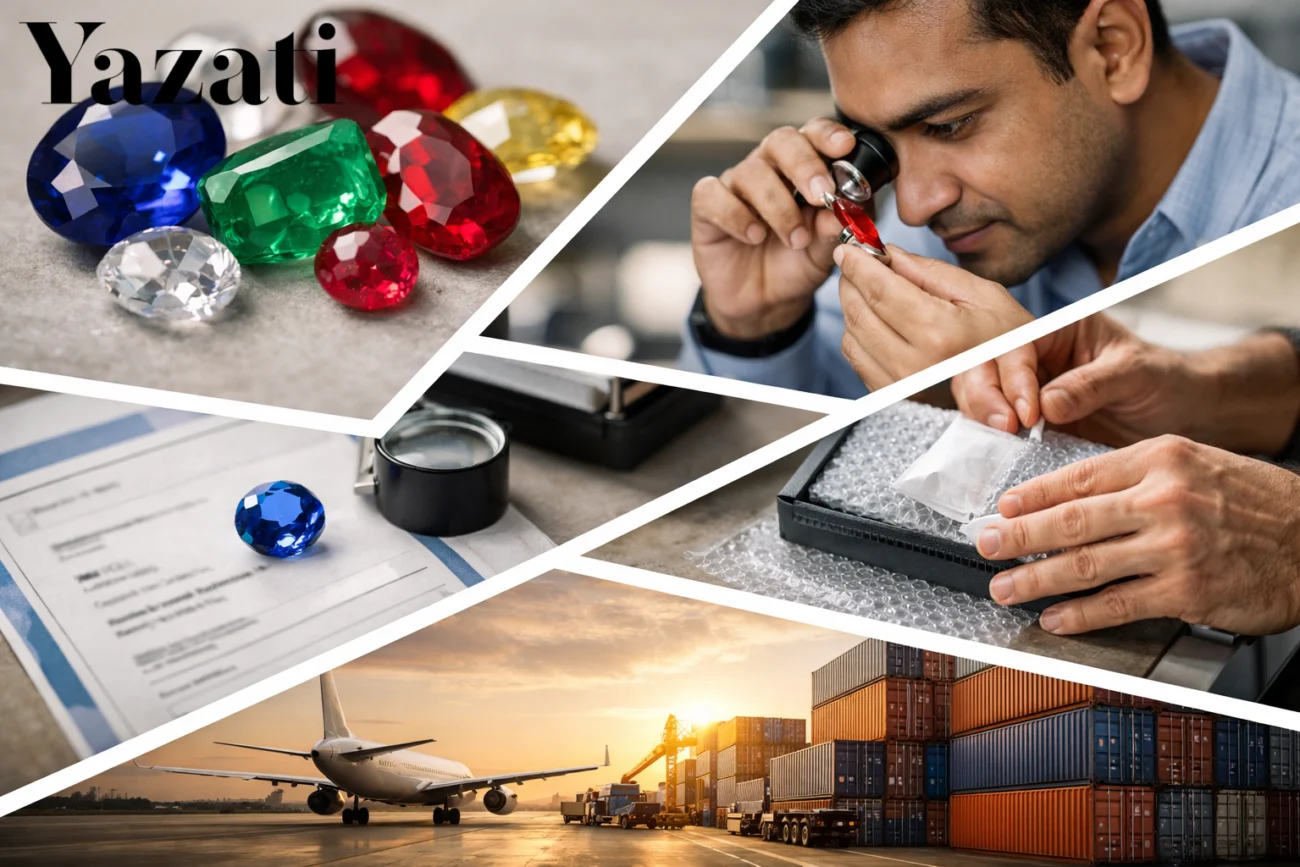
Introduction to the Global Precious Stone Trade
Precious stones have fascinated buyers for centuries. Their beauty, rarity, and investment potential make them valuable commodities worldwide. Today, international retailers, jewelry brands, and independent traders actively source gemstones from global markets.
Among these markets, India stands out as a dominant player in gemstone cutting, polishing, and exporting. However, while opportunities are strong, risks also exist. That’s why Importing Precious Stones from India: A Buyer’s Safety Guide is essential for anyone entering this trade.
A careful, informed approach protects both your capital and reputation.
Why India Is a Leading Hub for Precious Stones
India is globally recognized for gemstone processing and craftsmanship. The country has built a strong reputation for high-quality cutting and polishing techniques.
Major Gemstone Centers in India
Key cities known for gemstone trade include:
- Jaipur – Colored gemstone hub
- Surat – Diamond cutting and polishing center
- Mumbai – Major export gateway
These cities combine traditional expertise with modern export infrastructure, making India a reliable sourcing destination.
Understanding Different Types of Precious Stones
Before importing, buyers must clearly understand what they are purchasing.
Common precious stones include:
- Ruby
- Sapphire
- Emerald
- Diamond
Each stone has different grading systems, clarity standards, and pricing factors.
Natural vs Treated vs Synthetic Stones
One of the biggest risks in gemstone trade is confusion between stone types.
- Natural stones are mined and minimally treated.
- Treated stones have undergone enhancement processes like heating or filling.
- Synthetic stones are lab-created and may look identical to natural gems.
Buyers must always confirm stone origin and treatment disclosure before purchase.
Legal Requirements for Importing Precious Stones
Every country has import regulations governing precious materials.
Customs Documentation
Typical documentation includes:
- Commercial invoice
- Packing list
- Certificate of origin
- Bill of lading or airway bill
- Import permits (if required)
HS codes must correctly classify the gemstone type to avoid customs penalties.
Duties, Taxes, and Regulatory Compliance
Import duties vary depending on:
- Stone type
- Declared value
- Trade agreements
- VAT or GST policies
Understanding your country’s regulations prevents delays and unexpected costs.
Certification and Authentication Essentials
Certification is the foundation of safe gemstone importing.
When sourcing precious stones, request:
- Gemological laboratory reports
- Grading certificates
- Disclosure of treatments
- Metal purity certificates (if mounted in jewelry)
Importance of Independent Gem Testing
Relying solely on supplier-provided documents is risky. Independent third-party testing ensures:
- Stone authenticity
- Accurate grading
- Confirmation of natural vs synthetic status
- Market value accuracy
Independent certification protects buyers from fraud and misrepresentation.
Evaluating Supplier Credibility
Choosing the right supplier is critical.
Before finalizing a deal:
- Verify export licenses
- Check business registration documents
- Review years of operation
- Ask for references
- Order sample stones
- Conduct third-party inspection
Building a long-term relationship with a verified exporter reduces risk significantly.
Pricing Structure and Market Valuation
Gemstone pricing depends on multiple factors:
- Color intensity
- Clarity level
- Cut precision
- Carat weight
- Origin reputation
- Market demand
Be cautious of prices that seem unusually low. In gemstone trade, extremely low prices often signal hidden treatments or synthetic substitutes.
Understanding global price benchmarks helps buyers avoid overpaying.
Secure Shipping and Insurance Practices
Precious stones are high-value and compact, making them vulnerable during transit.
Best Shipping Practices
- Use insured air freight for high-value shipments
- Request tamper-evident packaging
- Ensure sealed documentation
- Choose reputable courier services
Insurance coverage should match the full declared value of the shipment.
Payment Security and Fraud Prevention
Secure payment methods are vital.
Recommended practices include:
- Using Letters of Credit for large orders
- Structured payment schedules
- Escrow services when applicable
- Clear contractual agreements
Avoid full upfront payments to new suppliers. Gradual payment terms reduce financial exposure.
Risk Management Strategies for Buyers
A proactive approach minimizes potential losses.
Key strategies include:
- Always request independent certification
- Maintain written contracts
- Clarify return policies
- Define dispute resolution mechanisms
- Keep digital records of transactions
- Conduct periodic supplier audits
Careful planning ensures safe and sustainable business growth.
Common Red Flags in Precious Stone Imports
Watch out for:
- Refusal to provide lab reports
- Pressure for quick payment
- Inconsistent documentation
- Unusually low prices
- Lack of physical business address
Identifying these warning signs early prevents costly mistakes.
Long-Term Benefits of Safe Importing
When executed correctly, gemstone importing offers:
- Strong profit margins
- Inventory diversification
- High resale value
- Brand reputation enhancement
Following the structured approach outlined in Importing Precious Stones from India: A Buyer’s Safety Guide ensures that risks are controlled and opportunities are maximized.
Frequently Asked Questions
1. Is it safe to import precious stones from India?
Yes, provided buyers conduct due diligence, verify certifications, and use secure payment and shipping methods.
2. How can I confirm if a gemstone is natural?
Request a reputable gemological laboratory report confirming natural origin and treatment disclosure.
3. What is the safest shipping method?
Insured air freight with tamper-proof packaging is typically safest for high-value gemstones.
4. Are treated stones less valuable?
Treated stones may have lower market value compared to untreated natural stones, depending on treatment type.
5. How do I avoid counterfeit gemstones?
Use independent lab verification and avoid suppliers unwilling to provide certification.
6. What documents are required for import?
Commercial invoice, certificate of origin, packing list, and appropriate customs declarations are commonly required.
Conclusion
The global gemstone trade offers exciting opportunities—but only when approached with caution and knowledge.
India’s strong gemstone processing industry makes it an attractive sourcing destination. However, buyers must prioritize certification, supplier verification, secure payment methods, and proper insurance.
By following the guidelines outlined in Importing Precious Stones from India: A Buyer’s Safety Guide, importers can protect their investment, maintain credibility, and build profitable long-term partnerships.
In gemstone trading, knowledge isn’t just power—it’s protection.
✨ Discover Global Sourcing Excellence with Netyex ✨
Netyex is your trusted B2B sourcing partner, connecting international buyers with India’s finest manufacturers and curated product lines—from handicrafts and home décor to kitchenware, textiles, hospitality essentials, and more. With verified suppliers and end-to-end support, we make global procurement seamless, reliable, and efficient.
👉 Elevate your sourcing experience—explore Netyex today.
📦 Bulk orders & customisation | 🌍 Worldwide delivery | 🤝 Trusted by global buyers
Visit Netyex to source premium Indian products with confidence.