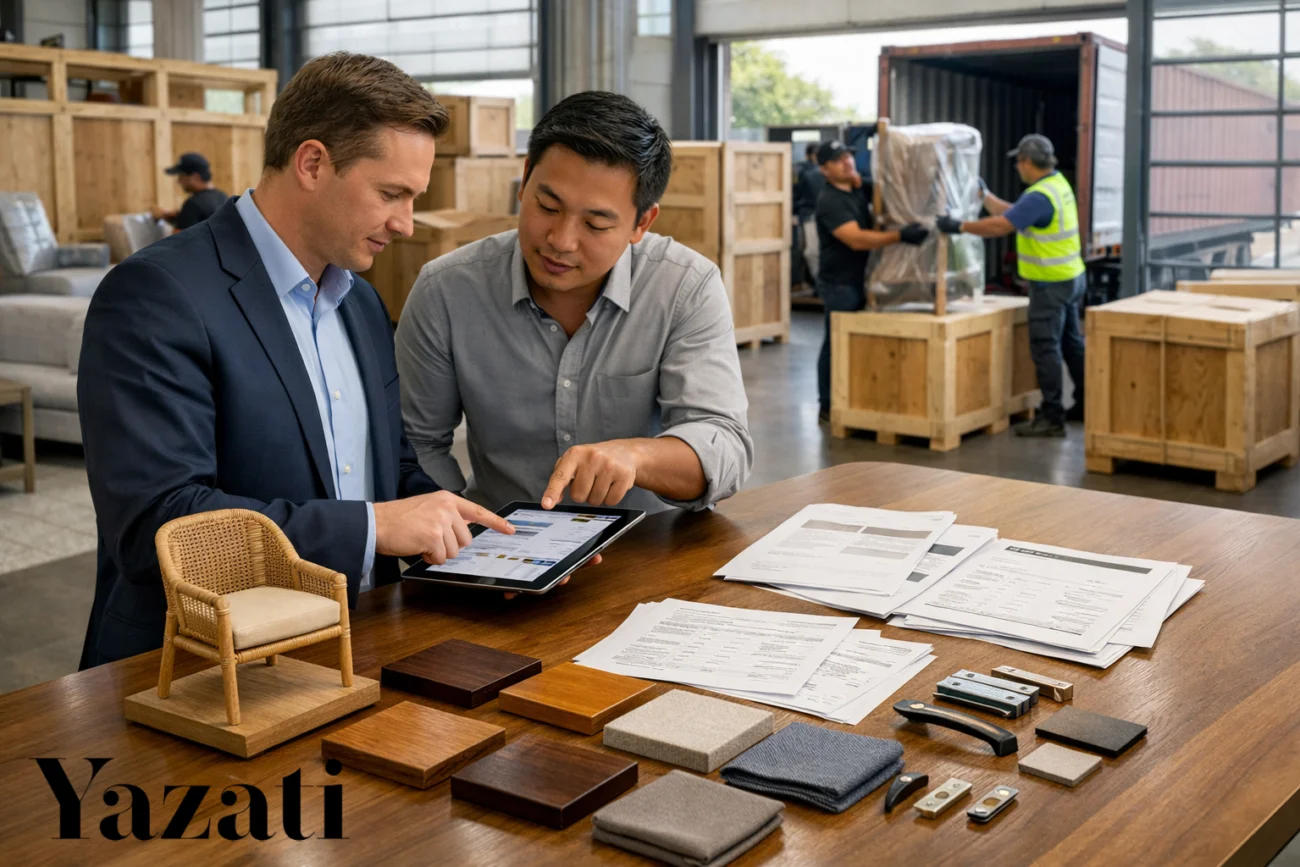
Understanding the Global Furniture Import Industry
The global furniture market has expanded rapidly due to increased international trade and improved logistics networks. Businesses often import furniture to reduce manufacturing costs, access unique designs, or expand product offerings.
Popular exporting countries include manufacturing hubs known for large-scale furniture production. Importers benefit from competitive pricing, large product catalogs, and customizable manufacturing options.
However, furniture imports require attention to factors such as:
- Material regulations
- Product safety standards
- Packaging requirements
- Shipping costs
- Customs documentation
Understanding these aspects early helps prevent problems during the import process.
Why Businesses Choose to Import Furniture
Many companies prefer importing furniture rather than manufacturing locally. The reasons often include cost advantages and product diversity.
Cost Efficiency
Manufacturing costs in some countries are significantly lower due to reduced labor costs, raw material availability, and specialized production facilities. Importing furniture can therefore increase profit margins.
Access to Unique Designs
International manufacturers often produce designs that may not be available locally. Importers gain access to diverse styles, materials, and craftsmanship.
Large-Scale Production Capacity
Furniture manufacturers abroad often operate large factories capable of handling bulk orders, ensuring consistent supply for wholesalers and retailers.
Customization Opportunities
Many manufacturers allow private labeling or custom design production. This enables businesses to create exclusive product lines.
Market Research Before Importing Furniture
Before beginning the import journey, thorough market research is essential. Understanding your target audience and product demand helps ensure the business remains profitable.
Key research areas include:
- Popular furniture styles
- Material preferences
- Price sensitivity
- Competitor analysis
- Shipping cost impact
Market research also helps determine whether you should focus on:
- Office furniture
- Home furniture
- Outdoor furniture
- Luxury furniture
- Budget furniture
Proper planning reduces the risk of importing products that fail to sell.
Identifying Reliable Furniture Suppliers
One of the most critical steps in The End-to-End Furniture Import Process Simplified is finding reliable suppliers. Supplier reliability affects product quality, delivery timelines, and overall business reputation.
Supplier Verification
Importers should verify manufacturers before placing orders. This includes reviewing:
- Company registration documents
- Factory certifications
- Production capabilities
- Client reviews
- Export experience
Sample Orders
Before placing bulk orders, request product samples. This allows you to evaluate craftsmanship, materials, finishing, and packaging quality.
Factory Audits
Some importers conduct factory audits to confirm manufacturing conditions and production capacity.
A reliable supplier ensures smoother logistics and fewer production issues.
Negotiating Pricing and Payment Terms
Price negotiation plays a vital role in maintaining profitability. Furniture import pricing usually includes multiple cost components.
Common pricing considerations include:
- Unit manufacturing cost
- Packaging cost
- Export handling fees
- Freight charges
- Import duties
Payment Methods
Import transactions commonly use:
- Bank wire transfer
- Letter of credit
- Escrow payment services
- Partial advance payments
A common structure is 30% advance and 70% before shipment. Negotiating favorable payment terms helps protect the importer from financial risk.
Product Specifications and Quality Standards
Furniture products must meet specific standards depending on the importing country. These standards ensure product safety and quality compliance.
Important considerations include:
- Wood treatment requirements
- Fire safety standards
- Chemical restrictions
- Structural durability
Detailed product specifications should cover:
- Dimensions
- Materials used
- Weight capacity
- Finish type
- Assembly requirements
Clear documentation prevents misunderstandings between buyer and manufacturer.
Preparing the Furniture Order for Production
Once supplier agreements are finalized, the production process begins. Importers should maintain close communication with manufacturers during production.
Production monitoring helps ensure:
- Correct materials are used
- Design specifications are followed
- Quality standards are maintained
- Delivery deadlines are met
Some businesses hire third-party inspectors to monitor production progress and conduct mid-production inspections.
Quality Inspection Before Shipment
Quality control is essential in international furniture trade. Furniture items can be bulky and expensive to return if defects appear after shipment.
Pre-shipment inspections usually check:
- Structural stability
- Surface finishing
- Packaging quality
- Labeling accuracy
- Product dimensions
Inspection reports provide documentation confirming that the products meet agreed specifications.
Skipping this step increases the risk of receiving defective inventory.
Furniture Packaging and Container Loading
Furniture packaging must protect products during long-distance transportation. Poor packaging can result in damage during shipping.
Common packaging materials include:
- Foam protection
- Bubble wrap
- Corrugated boxes
- Wooden crates
- Corner protectors
Container loading must also be carefully managed to maximize space and prevent shifting during transit.
Efficient loading helps reduce shipping costs by maximizing container utilization.
Choosing the Right Shipping Method
Furniture imports typically rely on sea freight due to the large size and weight of products.
Full Container Load (FCL)
FCL is ideal for large orders where the importer fills an entire shipping container. This method offers better protection and faster shipping.
Less than Container Load (LCL)
LCL is suitable for smaller shipments. Multiple shipments from different importers share a single container.
Although LCL is flexible, it can increase handling risks and transit times.
Shipping method selection depends on order size, budget, and delivery timelines.
Understanding Import Documentation
Accurate documentation is critical for smooth customs clearance. Missing or incorrect paperwork can delay shipments and increase costs.
Common documents required for furniture imports include:
- Commercial invoice
- Packing list
- Bill of lading
- Certificate of origin
- Import licenses
- Insurance certificate
Each document provides specific information about the shipment’s value, origin, and contents.
Proper documentation ensures regulatory compliance.
Customs Clearance Process Explained
When furniture shipments arrive at the destination port, customs authorities review the shipment.
The clearance process usually includes:
- Document verification
- Import duty calculation
- Possible physical inspection
- Tax payment
- Cargo release authorization
Importers or customs brokers typically manage this process.
Using experienced customs agents helps reduce delays and compliance risks.
Warehousing and Final Delivery
After customs clearance, furniture shipments are transported to warehouses or distribution centers.
Warehousing solutions may include:
- Storage facilities
- Inventory management
- Order fulfillment
- Packaging and distribution
Efficient logistics ensure furniture reaches retailers or customers quickly and safely.
For businesses operating online stores, warehouse fulfillment plays an essential role in maintaining customer satisfaction.
Managing Risks in Furniture Importing
International trade always involves certain risks. However, proper planning significantly reduces these challenges.
Common risks include:
- Shipping delays
- Product damage
- Quality inconsistencies
- Currency fluctuations
- Regulatory changes
Risk mitigation strategies include:
- Using reliable freight forwarders
- Purchasing cargo insurance
- Conducting quality inspections
- Maintaining clear supplier agreements
Strong logistics management protects business operations.
Technology and Automation in Furniture Imports
Modern supply chains increasingly use digital technology to improve efficiency.
Importers now rely on tools such as:
- Shipment tracking systems
- Inventory management software
- Digital documentation platforms
- Supply chain analytics
These technologies improve transparency and help businesses monitor every stage of the import process.
Digital transformation continues to simplify global furniture trade.
Cost Breakdown of Furniture Importing
Understanding total import costs is critical for maintaining profitability.
Typical cost components include:
| Cost Category | Description |
|---|---|
| Product Cost | Manufacturing price per unit |
| Packaging Cost | Materials used for shipment protection |
| Freight Cost | Sea or air transportation charges |
| Customs Duties | Government import taxes |
| Handling Fees | Port and logistics service charges |
| Warehousing | Storage and distribution costs |
Calculating these costs before placing orders helps businesses determine retail pricing strategies.
Future Trends in the Furniture Import Industry
The furniture import industry continues evolving with global economic changes.
Emerging trends include:
- Sustainable furniture manufacturing
- Eco-friendly materials
- Smart furniture technology
- Modular furniture designs
- Digital supply chain management
Importers who adapt to these trends can remain competitive in global markets.
Understanding consumer demand and regulatory requirements will remain essential.
Frequently Asked Questions
What is the first step in importing furniture?
The first step is conducting market research to identify demand, pricing strategies, and suitable furniture products for import.
How long does the furniture import process take?
The process typically takes 30 to 60 days, depending on production time, shipping distance, and customs clearance procedures.
Do I need a license to import furniture?
Import requirements vary by country. Some countries require import licenses or compliance certifications for wooden furniture products.
What is the safest shipping method for furniture?
Sea freight using Full Container Load (FCL) is generally considered the safest option for large furniture shipments.
How can I avoid receiving low-quality furniture?
Request samples, verify suppliers, and conduct pre-shipment inspections to ensure products meet quality standards.
Is importing furniture profitable?
Yes, importing furniture can be highly profitable when businesses carefully manage sourcing, shipping costs, and market demand.
Conclusion
Understanding The End-to-End Furniture Import Process Simplified allows businesses to approach international trade with confidence. While the process involves multiple steps—from supplier selection and production to shipping and customs clearance—each stage becomes manageable with proper planning.
Successful furniture importers focus on supplier reliability, product quality, accurate documentation, and efficient logistics management. By following the steps outlined in this guide, businesses can minimize risks and maximize profitability in the global furniture trade.
As global commerce continues expanding, furniture importing will remain a valuable opportunity for companies seeking growth and product diversification.
✨ Discover Global Sourcing Excellence with Netyex ✨
Netyex is your trusted B2B sourcing partner, connecting international buyers with India’s finest manufacturers and curated product lines—from handicrafts and home décor to kitchenware, textiles, hospitality essentials, and more. With verified suppliers and end-to-end support, we make global procurement seamless, reliable, and efficient.
👉 Elevate your sourcing experience—explore Netyex today.
📦 Bulk orders & customisation | 🌍 Worldwide delivery | 🤝 Trusted by global buyers
Visit Netyex to source premium Indian products with confidence.