Introduction: India’s Rise in Sustainable Paper & Print Manufacturing
In recent years, the global manufacturing industry has faced increasing pressure to adopt environmentally responsible practices. Among many sectors undergoing transformation, the paper and printing industry stands out as one that must balance production needs with environmental protection. Interestingly, India has emerged as a global leader in this transformation. The topic Why India Is Leading in Sustainable Paper & Print Manufacturing is gaining attention worldwide as the country adopts innovative green practices, invests in renewable resources, and encourages circular economy models.
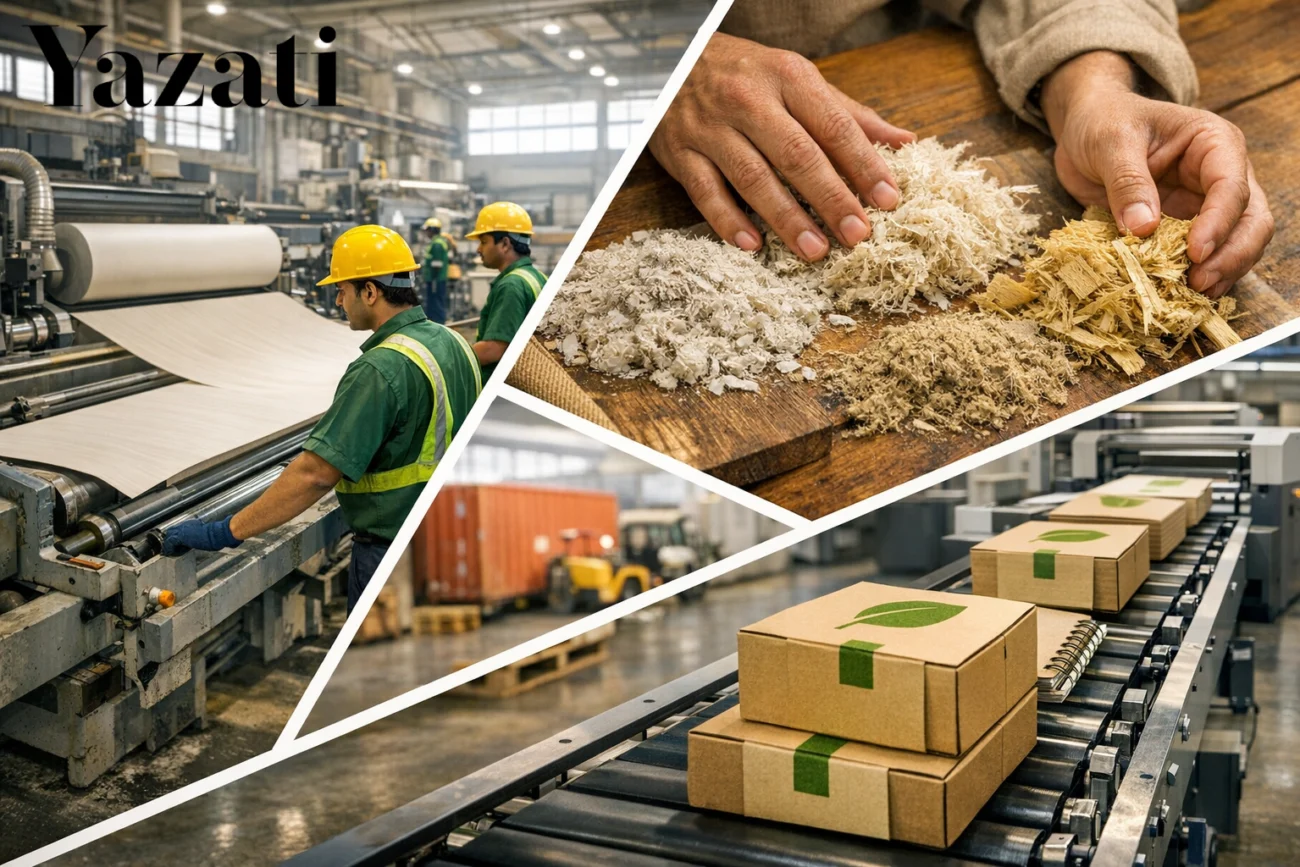
India’s paper industry is one of the fastest-growing in the world, yet it has taken major steps toward sustainability. From using agricultural residues instead of cutting trees to implementing energy-efficient printing technologies, Indian manufacturers are actively reducing their environmental impact. These initiatives not only support ecological conservation but also make India a competitive global hub for eco-friendly paper production.
Moreover, government policies, technological advancements, and rising consumer demand for sustainable products have accelerated this shift. Businesses across India are increasingly adopting recycled materials, water conservation systems, and renewable energy solutions. These efforts collectively demonstrate why India is rapidly becoming a pioneer in sustainable paper and print manufacturing.
In this article, we will explore the key factors that explain Why India Is Leading in Sustainable Paper & Print Manufacturing, including innovative raw materials, eco-friendly printing techniques, supportive policies, and industry-wide sustainability commitments.
Understanding Sustainable Paper & Print Manufacturing
Sustainable paper and print manufacturing refers to production methods that minimize environmental harm while maximizing resource efficiency. It focuses on responsible sourcing of raw materials, reduced energy consumption, water conservation, and recycling processes.
Traditionally, paper production has been criticized for deforestation and pollution. However, modern sustainable practices are changing this perception. Companies now focus on renewable materials, cleaner production technologies, and waste reduction.
In India, sustainable manufacturing includes:
- Using agricultural waste such as bagasse, wheat straw, and rice straw
- Recycling used paper into new paper products
- Reducing water usage through advanced treatment systems
- Adopting energy-efficient printing equipment
- Implementing eco-friendly inks and chemicals
These methods ensure that production meets global environmental standards while maintaining economic growth.
Sustainability in printing also involves reducing harmful emissions and using biodegradable materials. Many Indian printing companies now use vegetable-based inks and digital printing technologies that significantly reduce waste.
As a result, the industry is evolving into a responsible sector that contributes to environmental protection while meeting growing demand for packaging, publishing, and commercial printing.
Abundant Agricultural Residues as Alternative Raw Materials
One of the biggest reasons behind India’s leadership in sustainable paper production is its use of agricultural residues. Instead of relying solely on wood pulp, Indian manufacturers often utilize materials that would otherwise go to waste.
Common agricultural residues used include:
- Sugarcane bagasse
- Wheat straw
- Rice straw
- Bamboo
- Other crop residues
These materials are renewable and readily available due to India’s large agricultural sector. By converting agricultural waste into pulp, paper manufacturers reduce the need for deforestation while providing farmers with additional income sources.
This approach also helps reduce the burning of crop residues, which is a major environmental issue in several regions of India. By turning agricultural waste into valuable raw materials, the paper industry contributes to cleaner air and sustainable resource management.
The use of alternative fibers is one of the strongest factors explaining Why India Is Leading in Sustainable Paper & Print Manufacturing.
Advanced Recycling Infrastructure
Recycling plays a vital role in sustainable paper production, and India has made significant progress in this area. The country recycles a large portion of its paper waste, transforming used paper into new products such as packaging materials, notebooks, and newspapers.
Modern recycling facilities use advanced technologies to remove ink, chemicals, and contaminants from waste paper. This process ensures high-quality recycled paper while reducing the need for virgin pulp.
Benefits of paper recycling include:
- Reduced landfill waste
- Lower energy consumption
- Decreased water usage
- Reduced greenhouse gas emissions
In India, the recycling ecosystem involves collectors, small businesses, and large recycling plants working together. This circular system keeps paper in use for longer periods and minimizes environmental impact.
Government Policies Supporting Green Manufacturing
Government initiatives have played a crucial role in promoting sustainable paper manufacturing in India. Various policies encourage industries to adopt eco-friendly practices and invest in clean technologies.
Some important initiatives include:
- Environmental regulations controlling pollution
- Incentives for renewable energy adoption
- Policies promoting waste recycling
- Sustainable forestry programs
These measures ensure that paper manufacturers follow strict environmental standards. Companies are required to treat wastewater, control emissions, and responsibly manage resources.
The government also promotes plantation forestry, encouraging industries to grow trees specifically for paper production. This approach prevents deforestation of natural forests while ensuring a steady supply of raw materials.
Growth of Renewable Energy in Paper Mills
Energy consumption is a major concern in paper manufacturing. However, Indian paper mills are increasingly turning to renewable energy sources to reduce their carbon footprint.
Many mills now generate energy using:
- Biomass fuel from agricultural residues
- Solar power installations
- Cogeneration systems
- Waste heat recovery technologies
Biomass energy is particularly important because it allows mills to use production waste as fuel. This reduces dependence on fossil fuels and lowers greenhouse gas emissions.
By adopting renewable energy solutions, Indian manufacturers are demonstrating how traditional industries can transition toward sustainable operations.
Eco-Friendly Printing Technologies
Sustainable printing technologies are another key factor behind India’s leadership in green manufacturing. Printing companies are adopting environmentally friendly techniques that reduce chemical usage and waste generation.
Examples include:
- Digital printing with minimal waste
- Water-based inks
- Vegetable-based inks
- Chemical-free plate processing
Digital printing, in particular, allows companies to print only the required quantity, reducing excess inventory and paper waste.
Vegetable-based inks are derived from renewable sources and produce fewer harmful emissions compared to petroleum-based inks.
These innovations make printing processes safer for both workers and the environment.
Rising Demand for Sustainable Packaging
The growth of e-commerce and environmentally conscious consumers has increased demand for sustainable packaging materials. Paper-based packaging is widely seen as a greener alternative to plastic.
Indian paper manufacturers are responding by producing:
- Recyclable corrugated boxes
- Biodegradable paper packaging
- Paper bags replacing plastic bags
- Sustainable food packaging materials
This demand has accelerated investments in eco-friendly production technologies.
Companies around the world now source sustainable packaging materials from India, further strengthening the country’s leadership in the sector.
Technological Innovation and Modernization
Technology is playing a major role in transforming India’s paper and print industry. Modern machines and automation systems help improve efficiency while reducing environmental impact.
Key technological advancements include:
- Water recycling systems
- Energy-efficient pulping processes
- Automated quality control
- Smart waste management systems
These technologies allow manufacturers to produce high-quality paper while conserving resources.
Research and development initiatives are also helping create stronger, lighter, and more sustainable paper products.
Strong Industry Commitment to Sustainability
Beyond government policies and technological advancements, the Indian paper industry itself is strongly committed to sustainability. Many companies have voluntarily adopted international environmental standards and certifications.
Industry associations promote best practices such as:
- Responsible forestry management
- Reduced water consumption
- Carbon footprint reduction
- Waste minimization
These initiatives ensure that sustainability remains a long-term priority rather than a temporary trend.
FAQs About Why India Is Leading in Sustainable Paper & Print Manufacturing
1. Why is India considered a leader in sustainable paper manufacturing?
India uses agricultural residues, advanced recycling systems, and renewable energy solutions, making its paper production more environmentally friendly.
2. What raw materials are commonly used in sustainable paper production in India?
Manufacturers often use bagasse, wheat straw, rice straw, bamboo, and recycled paper.
3. How does recycling support sustainable paper production?
Recycling reduces the need for virgin pulp, saves energy and water, and prevents waste from ending up in landfills.
4. What role does technology play in sustainable printing?
Modern printing technologies reduce chemical usage, minimize waste, and improve efficiency.
5. Is paper packaging more sustainable than plastic packaging?
Yes, paper packaging is recyclable, biodegradable, and made from renewable resources.
6. How do government policies support sustainable manufacturing?
Policies promote recycling, renewable energy use, pollution control, and sustainable forestry practices.
Conclusion
The growing focus on environmental responsibility has transformed the global paper and printing industry. India has successfully positioned itself at the forefront of this transformation through innovative raw materials, strong recycling systems, renewable energy adoption, and eco-friendly printing technologies.
The topic Why India Is Leading in Sustainable Paper & Print Manufacturing highlights how a rapidly developing economy can balance industrial growth with environmental sustainability. By utilizing agricultural residues, investing in modern technology, and supporting green policies, India has created a model for sustainable manufacturing.
As global demand for eco-friendly products continues to rise, India’s sustainable paper and print industry is likely to expand even further. Its commitment to responsible production not only benefits the environment but also strengthens the country’s position in the global manufacturing landscape.
The future of paper and printing is undeniably green, and India is proving that sustainability and growth can go hand in hand.
✨ Discover Global Sourcing Excellence with Netyex ✨
Netyex is your trusted B2B sourcing partner, connecting international buyers with India’s finest manufacturers and curated product lines—from handicrafts and home décor to kitchenware, textiles, hospitality essentials, and more. With verified suppliers and end-to-end support, we make global procurement seamless, reliable, and efficient.
👉 Elevate your sourcing experience—explore Netyex today.
📦 Bulk orders & customisation | 🌍 Worldwide delivery | 🤝 Trusted by global buyers
Visit Netyex to source premium Indian products with confidence.