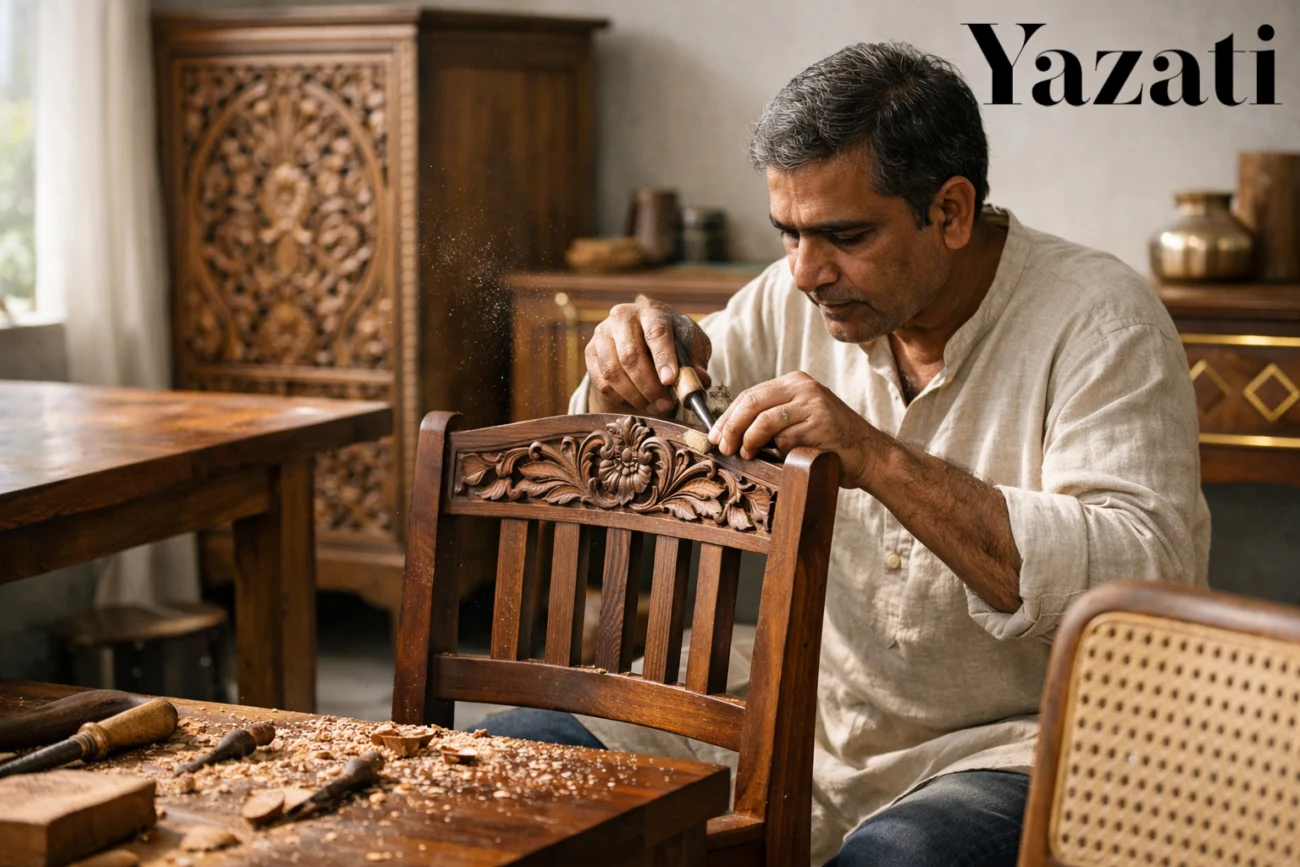
Introduction to Indian Furniture Craftsmanship
Indian furniture has become a staple in global home décor markets. From rustic farmhouse tables to minimalist wooden cabinets, Indian-made furniture continues to dominate retail spaces worldwide.
But what truly sets it apart?
The answer lies in the materials. The foundation of any furniture piece is its raw material. In India, carefully selected hardwoods and reclaimed resources form the backbone of artisan craftsmanship.
In this article, we explore 5 Materials That Define Indian Furniture Craftsmanship and explain why these materials contribute to durability, sustainability, and global popularity.
Why Material Choice Matters in Furniture Quality
Material selection affects:
- Structural strength
- Longevity
- Aesthetic appeal
- Resistance to wear
- Sustainability impact
- Retail pricing
Indian manufacturers carefully choose materials that combine beauty with durability. This balance is a major reason why Indian furniture maintains strong demand across Europe, North America, and Australia.
1. Sheesham Wood (Indian Rosewood)
Sheesham, also known as Indian Rosewood, is one of the most popular hardwoods used in Indian furniture manufacturing.
Key Characteristics of Sheesham
- Dense and strong structure
- Rich, dark grain patterns
- Natural resistance to decay
- Excellent load-bearing capacity
Sheesham is widely used for dining tables, beds, cabinets, and bookshelves.
Benefits of Sheesham in Global Markets
Retailers value sheesham because it:
- Offers premium appearance
- Provides long-lasting durability
- Maintains structural stability
- Supports intricate carving
Its natural grain adds visual depth, making each piece unique. This uniqueness enhances product value in international markets.
2. Mango Wood
Mango wood has become increasingly popular due to its sustainability and versatility.
Key Characteristics of Mango Wood
- Medium density
- Light to medium brown color
- Smooth finish
- Sustainable sourcing
Mango wood is harvested from mango trees that no longer bear fruit, making it an environmentally responsible option.
Eco-Friendly Appeal of Mango Wood
Global consumers increasingly prefer sustainable furniture. Mango wood offers:
- Renewable sourcing
- Reduced environmental impact
- Lower production waste
Its affordability combined with sustainability makes it attractive for mid-range furniture collections.
3. Teak Wood
Teak is considered a premium hardwood worldwide. Known for its exceptional durability, teak furniture often lasts decades.
Key Characteristics of Teak
- High natural oil content
- Strong moisture resistance
- Termite resistance
- Rich golden-brown tone
Teak is commonly used for both indoor and outdoor furniture.
Teak in Luxury Furniture Collections
Luxury retailers favor teak because:
- It withstands humidity
- It ages beautifully
- It requires minimal maintenance
- It offers superior durability
High-end collections often highlight teak as a premium feature.
4. Acacia Wood
Acacia wood is another strong hardwood used widely in Indian furniture production.
Key Characteristics of Acacia
- Durable and sturdy
- Distinctive grain patterns
- Affordable compared to teak
- Good moisture resistance
Acacia provides a rustic charm that appeals to modern global design trends.
Acacia in Modern Global Designs
Popular styles using acacia include:
- Farmhouse dining tables
- Industrial wood-metal furniture
- Rustic cabinets
- Minimalist shelving units
Its affordability allows retailers to maintain competitive pricing without sacrificing strength.
5. Reclaimed Wood
Reclaimed wood has become a defining feature of sustainable furniture collections.
Key Characteristics of Reclaimed Wood
- Weathered textures
- Unique color variations
- Strong vintage character
- Eco-conscious sourcing
Reclaimed wood often comes from old buildings, boats, or unused timber structures.
Environmental Benefits of Reclaimed Materials
Using reclaimed wood:
- Reduces deforestation
- Promotes recycling
- Minimizes waste
- Supports circular economy practices
Consumers appreciate furniture that combines sustainability with aesthetic authenticity.
How These Materials Influence Global Furniture Trends
The success of 5 Materials That Define Indian Furniture Craftsmanship directly impacts international design trends.
Rustic and Farmhouse Styles
Reclaimed wood and acacia dominate rustic aesthetics.
Minimalist Interiors
Mango wood and sheesham provide clean lines with natural warmth.
Luxury Collections
Teak and high-grade sheesham elevate premium furniture lines.
Material diversity allows Indian manufacturers to adapt to shifting global trends quickly.
Quality Control and Treatment Standards
Proper wood treatment ensures export readiness.
Indian manufacturers typically implement:
- Kiln drying to control moisture
- Chemical treatment for pest resistance
- Surface sealing and finishing
- Structural reinforcement
Moisture control is particularly important for international shipping, as climate changes can affect wood expansion and contraction.
Why Material Transparency Builds Buyer Trust
Retailers and consumers increasingly demand transparency regarding sourcing and material quality.
Providing details about:
- Wood origin
- Sustainability practices
- Treatment methods
- Durability features
helps build trust and brand credibility.
Material transparency supports stronger marketing narratives and reduces post-sale issues.
Profitability and Retail Advantage
These materials contribute to profitability by:
- Reducing product returns
- Enhancing perceived value
- Supporting premium pricing
- Increasing product lifespan
Solid wood furniture often commands higher margins compared to composite materials.
Frequently Asked Questions
1. Which wood is most durable in Indian furniture?
Teak and sheesham are among the most durable hardwoods used in Indian furniture.
2. Is mango wood sustainable?
Yes. Mango wood is harvested from trees that have completed their fruit-bearing cycle, making it an eco-friendly choice.
3. What makes reclaimed wood popular?
Its sustainability, unique textures, and vintage character attract environmentally conscious buyers.
4. Is acacia wood strong enough for heavy furniture?
Yes. Acacia is durable and suitable for dining tables, cabinets, and shelving.
5. Why does material choice affect pricing?
Premium woods like teak cost more due to durability and resistance properties, influencing final retail pricing.
6. Does Indian furniture use treated wood for exports?
Yes. Wood is typically kiln-dried and treated to meet international export standards.
Conclusion
The foundation of exceptional furniture lies in the quality of its materials. Indian manufacturers have mastered the art of combining durability, sustainability, and aesthetic beauty through strategic material selection.
Understanding 5 Materials That Define Indian Furniture Craftsmanship reveals why Indian furniture consistently ranks among global bestsellers.
From premium teak to eco-friendly mango wood and reclaimed timber, these materials shape the strength, style, and success of Indian furniture in international markets.
For retailers and buyers alike, it’s clear—the material matters. And India chooses wisely.
✨ Discover Global Sourcing Excellence with Netyex ✨
Netyex is your trusted B2B sourcing partner, connecting international buyers with India’s finest manufacturers and curated product lines—from handicrafts and home décor to kitchenware, textiles, hospitality essentials, and more. With verified suppliers and end-to-end support, we make global procurement seamless, reliable, and efficient.
👉 Elevate your sourcing experience—explore Netyex today.
📦 Bulk orders & customisation | 🌍 Worldwide delivery | 🤝 Trusted by global buyers
Visit Netyex to source premium Indian products with confidence.