Introduction
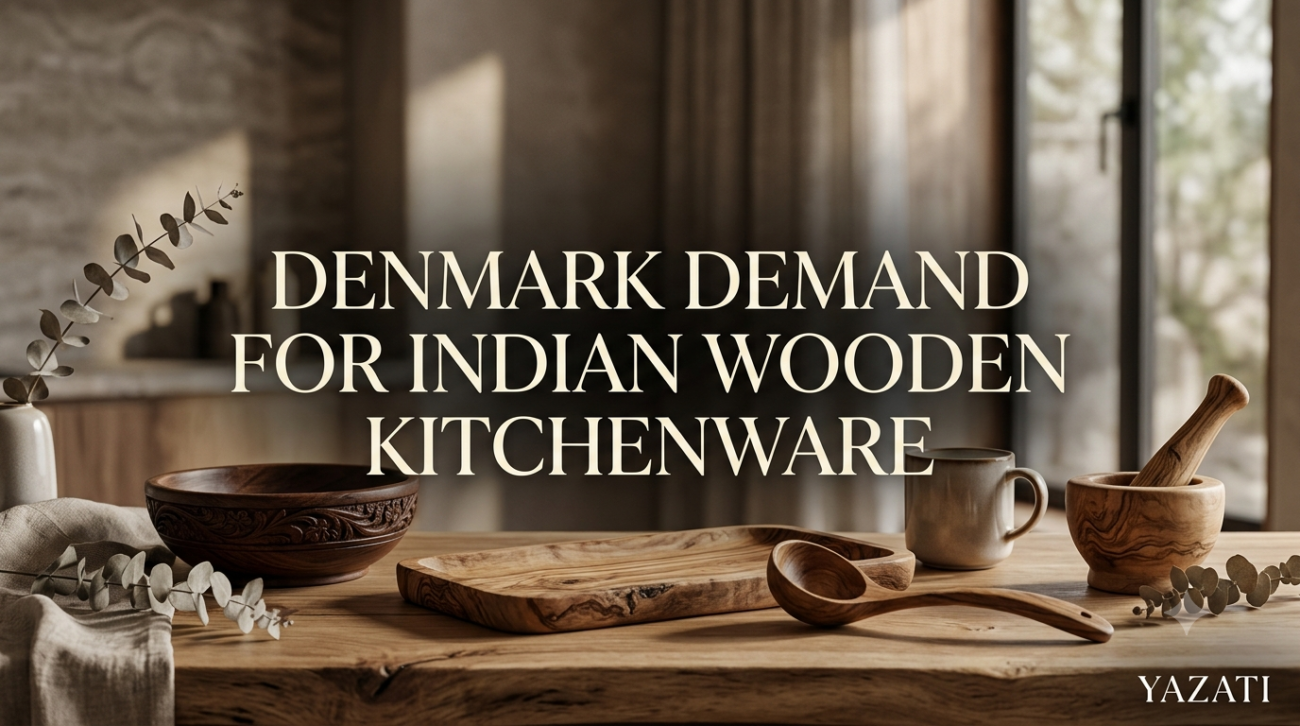
Denmark Demand for Indian Wooden Kitchenware has witnessed remarkable growth over the past decade. Danish consumers increasingly prefer eco-friendly, handcrafted, and sustainable household products that align with their environmentally conscious lifestyles. This shift has created significant opportunities for Indian manufacturers and exporters specializing in wooden kitchenware.
India has long been recognized for its skilled artisans, abundant hardwood resources, and traditional woodworking expertise. Products such as wooden spoons, chopping boards, salad bowls, rolling pins, serving trays, spatulas, and kitchen organizers have become popular in European markets, particularly Denmark.
As sustainability continues to influence purchasing decisions, Indian exporters have an excellent opportunity to strengthen their presence in Denmark by offering high-quality products that meet European standards. This article explores market trends, consumer preferences, export regulations, challenges, and strategies for success.
Understanding the Danish Kitchenware Market
Denmark is known for its minimalist lifestyle and appreciation of functional, aesthetically pleasing home products. Danish consumers invest in premium kitchen accessories that combine beauty, durability, and sustainability.
Several factors drive this market:
- High environmental awareness
- Preference for natural materials
- Strong purchasing power
- Interest in handmade craftsmanship
- Growing popularity of sustainable home décor
These characteristics make Denmark an attractive destination for Indian wooden kitchenware exports.
Why Indian Wooden Kitchenware Is Gaining Popularity
Indian wooden kitchenware offers several competitive advantages.
Superior Craftsmanship
Indian artisans possess generations of woodworking expertise. Their handcrafted techniques create products with unique textures and finishes that appeal to Danish buyers.
Sustainable Materials
Many Indian manufacturers use responsibly sourced woods such as:
- Acacia
- Mango wood
- Neem
- Sheesham
- Rubberwood
These woods are durable, attractive, and environmentally friendly.
Competitive Pricing
Compared to many European manufacturers, Indian exporters can provide premium-quality products at competitive prices while maintaining excellent craftsmanship.
Market Trends Driving Denmark Demand for Indian Wooden Kitchenware
Several evolving trends are fueling demand.
Eco-Friendly Living
Consumers increasingly replace plastic utensils with biodegradable alternatives.
Sustainable Home Décor
Kitchenware now serves both functional and decorative purposes.
Handmade Products
Mass-produced goods are losing popularity as consumers seek unique handcrafted items.
Organic Cooking
Natural materials complement organic food preparation and healthy lifestyles.
Scandinavian Interior Design
Minimalist wooden products blend perfectly with Scandinavian home aesthetics.
Most Popular Wooden Kitchenware Products
Indian exporters can target several high-demand categories.
Cooking Utensils
- Wooden spoons
- Ladles
- Spatulas
- Tongs
Food Preparation
- Chopping boards
- Rolling pins
- Mortar and pestles
- Mixing bowls
Serving Products
- Salad bowls
- Cheese boards
- Serving trays
- Snack platters
Storage Solutions
- Spice racks
- Cutlery holders
- Kitchen organizers
- Bread boxes
Consumer Preferences in Denmark
Understanding customer expectations is essential.
Consumers typically value:
- Sustainable sourcing
- Elegant design
- Food-safe finishes
- Easy maintenance
- Long product lifespan
- Modern minimalist appearance
- Premium quality
Packaging also influences purchasing decisions. Eco-friendly and recyclable packaging enhances brand appeal.
Sustainability Matters More Than Ever
Environmental responsibility strongly influences purchasing decisions.
Indian exporters should focus on:
- FSC-certified wood where applicable
- Responsible sourcing
- Low-carbon production practices
- Plastic-free packaging
- Natural oils instead of harmful coatings
Companies that clearly communicate sustainability often enjoy stronger customer loyalty.
Quality Standards and Regulations
Exporters targeting Denmark must comply with European regulations.
Important considerations include:
- Food-contact safety
- Chemical compliance
- Proper labeling
- Moisture control
- Product durability
- Packaging requirements
Working with accredited testing laboratories helps ensure products meet buyer expectations.
Export Opportunities for Indian Manufacturers
Several market segments offer strong potential.
Retail Chains
Large retailers seek consistent suppliers capable of meeting volume requirements.
Boutique Stores
Independent kitchenware shops often prefer handcrafted collections.
Online Marketplaces
E-commerce continues to expand rapidly, allowing Indian brands to reach Danish consumers directly.
Hospitality Industry
Hotels, restaurants, cafés, and catering companies increasingly purchase sustainable serving products.
Competitive Advantages of Indian Exporters
India enjoys several strengths.
| Advantage | Benefit |
|---|---|
| Skilled artisans | Unique craftsmanship |
| Diverse wood varieties | Broad product range |
| Competitive costs | Better pricing |
| Large manufacturing base | Scalability |
| Export experience | Reliable supply chains |
These advantages position Indian suppliers well in the Danish market.
Challenges Exporters Should Prepare For
Despite strong opportunities, exporters may face several challenges.
Strict Quality Expectations
European buyers demand consistent quality.
Shipping Costs
Freight rates can affect pricing competitiveness.
Documentation
Accurate export paperwork is essential.
Product Certification
Some buyers require additional certifications beyond mandatory regulations.
Competition
Suppliers from Vietnam, Indonesia, and Eastern Europe also compete in this market.
Strategies for Success
Indian manufacturers can improve market penetration through several approaches.
Focus on Premium Quality
Quality should never be compromised.
Develop Scandinavian Designs
Simple, elegant products appeal strongly to Danish consumers.
Build Long-Term Relationships
Reliable communication and timely deliveries strengthen buyer confidence.
Offer Customization
Private labeling and customized collections increase business opportunities.
Invest in Branding
Professional branding helps differentiate products in competitive markets.
Digital Marketing for Exporters
An effective online presence supports international growth.
Recommended strategies include:
- Professional website
- High-quality product photography
- Search engine optimization
- LinkedIn networking
- Business-to-business marketplaces
- Email marketing
- Trade fair participation
Strong digital visibility helps attract importers and distributors.
Pricing Considerations
Pricing should balance profitability with competitiveness.
Costs include:
- Raw materials
- Labor
- Finishing
- Packaging
- Freight
- Insurance
- Import duties
- Marketing expenses
Transparent pricing builds trust with international buyers.
Future Outlook
The future appears promising for Denmark Demand for Indian Wooden Kitchenware.
Several factors support continued growth:
- Rising sustainability awareness
- Expanding eco-friendly product categories
- Growth in premium home décor
- Increased online retail
- Greater consumer appreciation for handcrafted goods
Indian exporters who prioritize quality, sustainability, innovation, and compliance are likely to benefit from these long-term trends.
Frequently Asked Questions
1. Why is Denmark importing more Indian wooden kitchenware?
Demand is increasing because Danish consumers value sustainable, handcrafted, and eco-friendly kitchen products that align with Scandinavian design preferences.
2. Which wooden products sell best in Denmark?
Popular products include chopping boards, serving trays, salad bowls, wooden spoons, spatulas, rolling pins, and cheese boards.
3. What wood species are commonly used?
Acacia, mango wood, neem, sheesham, and rubberwood are widely used due to their durability and attractive appearance.
4. Do Indian exporters need certifications?
Many buyers expect compliance with European food-contact and product safety requirements, along with documentation demonstrating responsible sourcing and quality control.
5. How can exporters find buyers in Denmark?
Businesses can connect with buyers through trade fairs, B2B marketplaces, importers, distributors, professional networking platforms, and direct outreach supported by a strong online presence.
6. What is the biggest opportunity for Indian manufacturers?
The strongest opportunity lies in supplying premium, sustainable, handcrafted kitchenware that meets Scandinavian design preferences while maintaining consistent quality and reliable delivery.
Conclusion
The Denmark Demand for Indian Wooden Kitchenware represents an exciting opportunity for Indian manufacturers seeking to expand their international footprint. Denmark’s commitment to sustainability, appreciation for minimalist design, and willingness to invest in high-quality household products create favorable conditions for exporters.
Success, however, requires more than attractive products. Companies must maintain rigorous quality standards, comply with European regulations, invest in sustainable sourcing, and understand evolving consumer preferences. Building trusted relationships with importers, embracing digital marketing, and offering distinctive Scandinavian-inspired designs can further strengthen competitiveness.
As global demand for environmentally responsible products continues to grow, Indian wooden kitchenware is well positioned to meet Danish consumers’ expectations. Exporters that combine traditional craftsmanship with modern quality systems, thoughtful branding, and responsive customer service are likely to achieve sustained growth in this promising market.
For additional guidance on exporting to European markets, consult resources from the European Commission and export promotion organizations that provide updated information on market access, sustainability requirements, and trade regulations.
✨ Discover Global Sourcing Excellence with Netyex ✨
Netyex is your trusted B2B sourcing partner, connecting international buyers with India’s finest manufacturers and curated product lines—from handicrafts and home décor to kitchenware, textiles, hospitality essentials, and more. With verified suppliers and end-to-end support, we make global procurement seamless, reliable, and efficient.
👉 Elevate your sourcing experience—explore Netyex today.
📦 Bulk orders & customisation | 🌍 Worldwide delivery | 🤝 Trusted by global buyers
Visit Netyex to source premium Indian products with confidence.