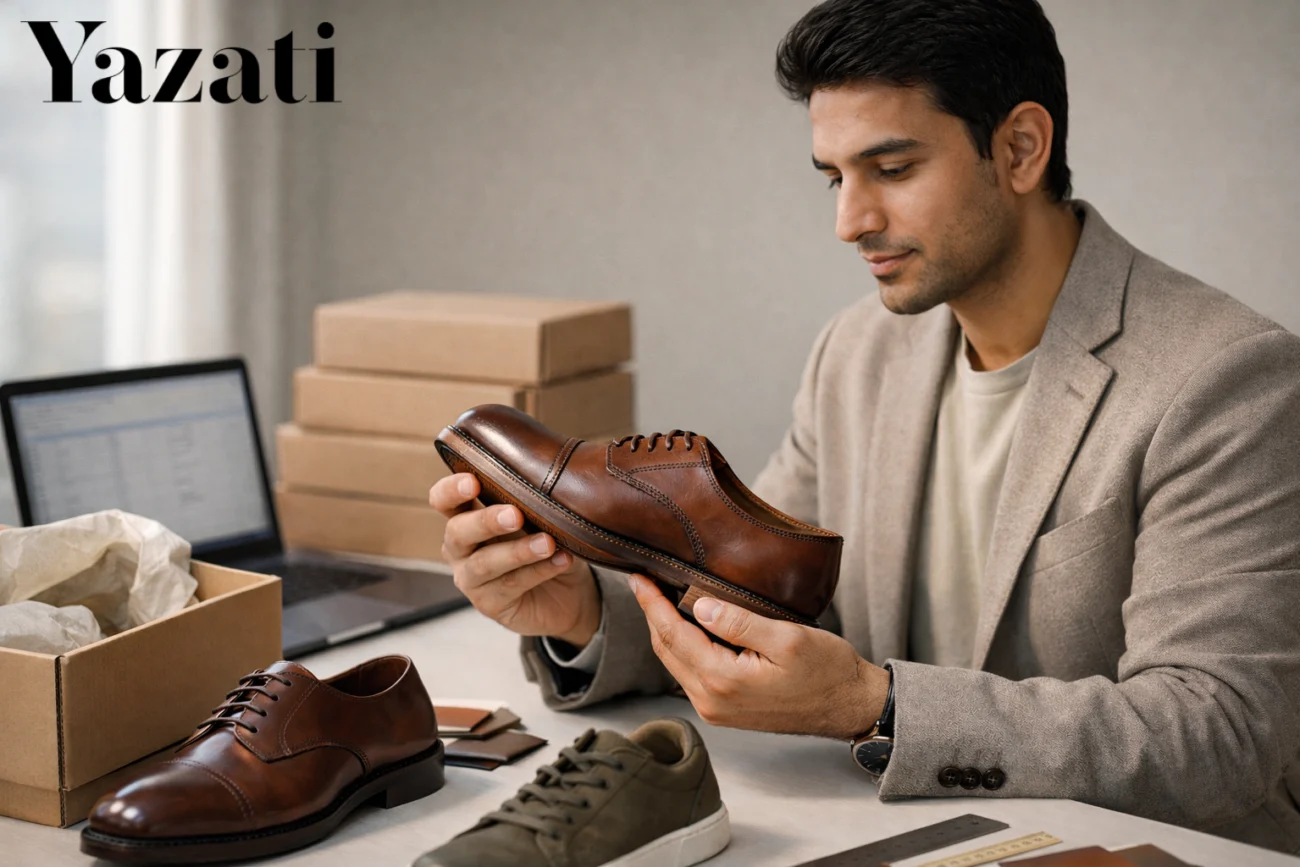
Introduction to India’s Footwear Export Industry
India is one of the world’s largest footwear producers and exporters. Known for its skilled craftsmanship, competitive pricing, and diverse manufacturing capabilities, India supplies footwear to major markets including Europe, North America, the Middle East, and Asia.
From premium leather shoes to sports footwear, sandals, and fashion boots, Indian manufacturers cater to both large retail chains and niche boutique brands. Understanding How to Import Shoes & Footwear from India Without Hassle can help importers tap into this vast market while minimizing risks and delays.
With proper planning and supplier selection, importing footwear from India can be both profitable and efficient.
Why How to Import Shoes & Footwear from India Without Hassle Matters
Importing footwear involves multiple steps—supplier selection, quality checks, documentation, payment arrangements, and shipping coordination. A small oversight can result in delays, financial loss, or compliance issues.
A structured approach helps:
- Reduce sourcing risks
- Ensure consistent product quality
- Avoid customs complications
- Protect financial investments
- Build long-term supplier partnerships
Preparation is key to smooth international trade.
Understanding the Indian Footwear Market
India’s footwear industry is diverse and well-developed.
Major categories include:
- Leather formal shoes
- Casual footwear
- Sports shoes
- Sandals and slippers
- Safety and industrial footwear
- Fashion boots
Leather vs Non-Leather Footwear
India is particularly strong in leather footwear manufacturing due to abundant raw materials and skilled artisans.
However, non-leather footwear such as synthetic, rubber, and EVA-based products are also widely produced.
Importers should choose materials based on:
- Target market demand
- Climate suitability
- Regulatory requirements
- Price positioning
Selecting the right product category ensures market competitiveness.
Identifying Reliable Footwear Manufacturers in India
Finding the right supplier is critical.
Search for manufacturers through:
- Industry directories
- Trade exhibitions
- Export promotion councils
- Online B2B platforms
- Business referrals
Shortlist suppliers based on:
- Export experience
- Production capacity
- Product specialization
- Client portfolio
Communication responsiveness is also an important indicator of professionalism.
Verifying Supplier Credentials and Certifications
Before placing orders, verify supplier legitimacy.
Important checks include:
- Business registration documents
- Export licenses
- Tax identification numbers
- Factory certifications
- Compliance with international standards
Depending on your market, you may require certifications related to:
- Quality management
- Environmental standards
- Social compliance
Verification protects you from fraud and quality issues.
Requesting Samples and Evaluating Product Quality
Never place bulk orders without inspecting samples.
Evaluate:
- Material quality
- Stitching consistency
- Sole durability
- Finishing details
- Packaging quality
If possible, conduct wear tests to assess comfort and durability.
Sample approval ensures alignment before mass production.
Negotiating Pricing and Minimum Order Quantities
Footwear pricing depends on:
- Material type
- Design complexity
- Order quantity
- Customization requirements
- Packaging specifications
Discuss minimum order quantities (MOQs) clearly. Smaller MOQs may increase per-unit cost.
Transparent negotiation builds mutual trust.
Understanding Indian Export Documentation
Proper documentation is essential for smooth customs clearance.
Common export documents include:
- Commercial invoice
- Packing list
- Bill of lading or airway bill
- Certificate of origin
- Inspection certificate
- Insurance documents
Ensure documentation matches shipment details precisely to avoid customs delays.
Payment Terms and Risk Management
Secure payment methods reduce financial risk.
Common payment options include:
- Letter of credit (LC)
- Telegraphic transfer (TT)
- Advance payment
- Documentary collection
For first-time transactions, consider using safer payment structures or partial payments.
Clear agreements minimize misunderstandings.
Shipping and Logistics Planning
Footwear shipments are typically transported via:
- Sea freight for bulk orders
- Air freight for urgent shipments
Choose freight based on:
- Order volume
- Budget
- Delivery timeline
Work with experienced freight forwarders familiar with footwear exports.
Efficient logistics planning prevents costly delays.
Import Duties and Customs Clearance
Each importing country has specific duties and regulations.
Research:
- Import tariffs
- Product labeling requirements
- Safety standards
- Packaging regulations
Incorrect declarations may result in fines or shipment seizures.
Consult customs brokers for compliance guidance.
Quality Inspection Before Shipment
Pre-shipment inspections ensure product consistency.
Consider hiring third-party inspection agencies to verify:
- Quantity
- Packaging
- Product quality
- Label accuracy
Inspections reduce the risk of receiving defective goods.
Building Long-Term Supplier Relationships
Long-term partnerships offer benefits such as:
- Better pricing
- Priority production scheduling
- Flexible payment terms
- Improved communication
Maintain regular communication and provide constructive feedback.
Strong relationships create sustainable supply chains.
Common Mistakes When Importing Footwear
Avoid these common errors:
- Skipping supplier verification
- Ignoring quality inspections
- Underestimating shipping timelines
- Failing to understand import duties
- Overlooking compliance requirements
- Rushing negotiations
Careful planning prevents unnecessary complications.
Frequently Asked Questions (FAQs)
1. Is India a reliable source for footwear imports?
Yes. India has a strong reputation for quality leather and diverse footwear manufacturing.
2. What is the typical MOQ for footwear imports?
MOQs vary by manufacturer but usually range from several hundred to a few thousand pairs.
3. How long does production typically take?
Production timelines often range from 30 to 60 days depending on order size.
4. Are Indian footwear manufacturers open to private labeling?
Yes. Many manufacturers offer OEM and private-label services.
5. Is third-party inspection necessary?
It is highly recommended for first-time or large-volume orders.
6. What shipping method is most cost-effective?
Sea freight is usually more economical for bulk shipments.
Conclusion
Importing footwear from India offers excellent opportunities for global retailers and distributors. With competitive pricing, skilled craftsmanship, and diverse product options, India remains a strong sourcing destination.
Understanding How to Import Shoes & Footwear from India Without Hassle ensures smooth transactions, reliable quality, and efficient logistics. By selecting reputable suppliers, verifying credentials, conducting inspections, and managing documentation carefully, importers can minimize risks and maximize profitability.
A structured, informed approach transforms footwear importing into a streamlined and rewarding business process.
✨ Discover Global Sourcing Excellence with Netyex ✨
Netyex is your trusted B2B sourcing partner, connecting international buyers with India’s finest manufacturers and curated product lines—from handicrafts and home décor to kitchenware, textiles, hospitality essentials, and more. With verified suppliers and end-to-end support, we make global procurement seamless, reliable, and efficient.
👉 Elevate your sourcing experience—explore Netyex today.
📦 Bulk orders & customisation | 🌍 Worldwide delivery | 🤝 Trusted by global buyers
Visit Netyex to source premium Indian products with confidence.