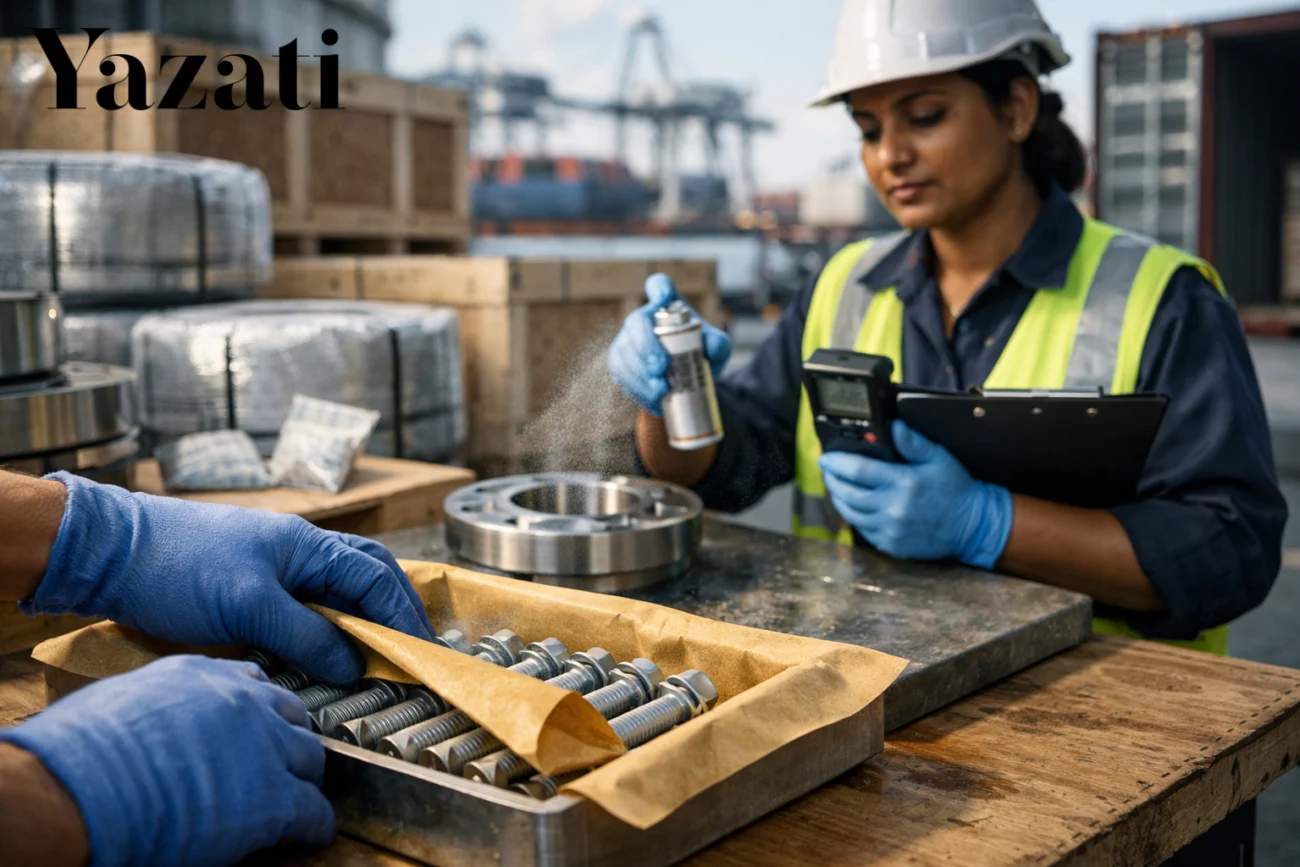
Introduction to Packaging and Rust-Proofing Standards in Indian Metal Exports
India is one of the world’s leading exporters of metal products, including steel, iron, aluminum, copper, and engineered metal components. These products are shipped to various international markets where quality expectations and compliance requirements are extremely strict. One of the most important aspects of successful metal exporting is following proper packaging and rust-proofing standards.
Metal products are particularly vulnerable to corrosion, physical damage, and contamination during transportation. Export shipments often travel long distances via sea freight, air cargo, and road transportation. These journeys can expose metals to humidity, saltwater environments, temperature fluctuations, and mechanical stress.
To prevent damage and maintain product quality, exporters must implement reliable packaging systems and effective rust-proofing methods. Proper packaging protects the physical integrity of metal goods, while rust-proofing prevents corrosion caused by moisture and environmental exposure.
Adhering to Packaging and Rust-Proofing Standards in Indian Metal Exports is also essential for maintaining international trade credibility. Buyers expect products to arrive in perfect condition, and failure to meet packaging standards can lead to rejected shipments, financial losses, and reputational damage.
This article provides a comprehensive guide to packaging requirements, corrosion protection techniques, export compliance standards, and best practices used by Indian metal exporters.
Importance of Proper Packaging in Metal Exports
Packaging plays a vital role in ensuring that metal products reach their destination safely and without damage. Since metals are often heavy and sensitive to environmental conditions, their packaging must be designed to withstand harsh transport environments.
Export packaging must perform several functions simultaneously. It must protect products from physical impact, prevent corrosion, facilitate handling during loading and unloading, and comply with international shipping standards.
Without proper packaging, metal products may suffer dents, scratches, bending, or structural deformation. Even minor damage can make a product unusable for industrial or construction purposes. In addition, corrosion caused by moisture exposure can compromise metal quality and reduce its lifespan.
For this reason, exporters invest heavily in robust packaging solutions such as wooden crates, steel pallets, moisture barriers, and corrosion inhibitors. These solutions help create a protective environment that shields metal products from harmful conditions during transportation.
Another key factor is logistics efficiency. Well-designed packaging makes it easier to stack, store, and transport goods, reducing handling risks and shipping costs.
Ultimately, effective packaging ensures product safety, maintains brand reputation, and helps exporters meet international buyer expectations.
Common Challenges Faced During International Metal Shipping
Shipping metal products across international borders presents several logistical and environmental challenges. Understanding these challenges is essential for designing effective packaging and rust-proofing strategies.
Exposure to Moisture and Humidity
One of the biggest threats to metal products during shipping is moisture. Cargo transported by sea is particularly exposed to high humidity levels and condensation inside containers. This moisture can cause oxidation and rust formation.
Condensation occurs when temperature differences between the inside and outside of shipping containers create water droplets on surfaces. These droplets can accumulate and come into direct contact with metal products.
Saltwater Corrosion
Marine transportation exposes cargo to salt-laden air. Salt accelerates corrosion and can damage even high-grade metals if protective measures are not applied.
Mechanical Damage
Metal goods are heavy and often stacked during transportation. Improper packaging can lead to shifting cargo, resulting in dents, scratches, or deformation.
Temperature Fluctuations
During long shipping journeys, cargo may pass through multiple climate zones. Temperature changes can lead to expansion and contraction of materials, potentially damaging packaging and exposing metal surfaces.
Handling and Loading Risks
Cargo is handled multiple times during export processes, including loading, unloading, customs inspection, and storage. Poor packaging increases the risk of handling damage.
Understanding these risks helps exporters implement stronger packaging and rust prevention systems.
Materials Used in Export Packaging for Metal Products
Selecting the right packaging materials is essential for protecting metal goods during international shipment. Exporters typically use a combination of materials to ensure maximum protection.
Wooden Crates and Pallets
Wooden crates are one of the most commonly used packaging solutions for metal exports. They provide strong structural support and protect products from impact.
Export-grade wooden packaging is usually treated to prevent pest infestation and comply with international phytosanitary regulations.
Steel Strapping
Steel or high-tensile plastic straps are used to secure metal products tightly within packaging units. Strapping prevents movement during transportation and keeps cargo stable.
Corrugated Packaging
For smaller metal parts, heavy-duty corrugated boxes are often used. These boxes may include additional reinforcement layers to increase durability.
Plastic Wrapping and Shrink Films
Plastic wrapping provides a protective barrier against dust and minor moisture exposure. Shrink films tightly seal products and improve package stability.
Foam and Cushioning Materials
Foam inserts and cushioning materials are used to protect delicate metal components from vibration and impact during shipping.
Combining these materials ensures that packaging systems provide both structural strength and environmental protection.
Understanding Rust and Corrosion in Metal Products
Rust is a natural chemical reaction that occurs when iron or iron-based alloys react with oxygen and moisture. This process forms iron oxide, commonly known as rust.
Corrosion not only damages the appearance of metal but also weakens its structural integrity. Over time, corrosion can lead to product failure, making it unsuitable for industrial use.
Several environmental factors accelerate corrosion, including:
- High humidity levels
- Salt exposure
- Temperature changes
- Chemical contaminants
In export shipments, these conditions are common, especially during sea transport. Therefore, effective rust-proofing measures are critical for maintaining product quality.
Exporters must ensure that metal surfaces remain isolated from moisture and oxygen during transit. This is achieved through protective coatings, packaging barriers, and corrosion inhibitors.
Common Rust-Proofing Techniques Used by Indian Exporters
Indian metal exporters use various rust-prevention techniques to protect products during international shipping. These techniques are often combined to provide multiple layers of protection.
Oil and Grease Coating
Applying oil or grease on metal surfaces creates a protective film that prevents moisture from reaching the metal. This method is widely used for machinery parts, tools, and steel components.
Protective Paints and Coatings
Industrial paints and anti-corrosion coatings are applied to metal surfaces to create a barrier against environmental exposure.
These coatings may include epoxy, zinc-rich coatings, or powder coatings that provide long-term corrosion protection.
Vapor Corrosion Inhibitors (VCI)
VCI technology is widely used in export packaging. VCI materials release corrosion-inhibiting molecules into the packaging environment. These molecules form a protective layer on metal surfaces and prevent rust formation.
VCI is commonly used in the form of:
- VCI papers
- VCI films
- VCI emitters
- VCI foam inserts
Desiccants
Desiccants are moisture-absorbing materials placed inside packaging to control humidity levels. Common desiccants include silica gel and clay packets.
By reducing moisture inside packaging, desiccants help prevent condensation and rust formation.
Vacuum Packaging
Vacuum sealing removes air and moisture from packaging environments. This technique significantly reduces oxidation and corrosion risks.
Export Compliance and Packaging Regulations
Metal exporters must comply with various national and international packaging regulations to ensure smooth shipment processes.
ISPM 15 Compliance
Wooden packaging materials used in international trade must follow ISPM 15 standards. This regulation requires wood packaging to be heat-treated or fumigated to eliminate pests.
Export Inspection Standards
Certain metal products require inspection before export to ensure they meet quality and packaging standards.
Labeling Requirements
Export packaging must include clear labeling that provides essential shipment information. Typical labels include:
- Product description
- Weight and dimensions
- Handling instructions
- Country of origin
- Exporter details
Proper labeling ensures smooth customs clearance and reduces shipment delays.
Best Practices for Export Packaging of Metal Products
Following industry best practices helps exporters ensure product safety and compliance with global standards.
Conduct Pre-Shipment Surface Treatment
Metal products should be cleaned and treated before packaging to remove contaminants that could accelerate corrosion.
Use Multi-Layer Protection
Combining rust inhibitors, moisture barriers, and structural packaging creates a comprehensive protection system.
Monitor Container Conditions
Using container liners and moisture absorbers helps maintain a stable internal environment during sea transport.
Secure Cargo Properly
Products must be tightly secured within packaging units to prevent shifting during transit.
Perform Quality Inspections
Regular packaging inspections ensure that all protective measures are properly applied before shipment.
Role of Quality Control in Export Packaging
Quality control is a critical component of the export process. Even small packaging defects can lead to serious damage during international transport.
Exporters typically implement several quality assurance measures, including:
- Packaging material inspection
- Corrosion protection verification
- Load stability testing
- Shipment documentation checks
These procedures help maintain high export standards and reduce the risk of rejected shipments.
Environmental Considerations in Metal Export Packaging
Sustainability is becoming increasingly important in international trade. Exporters are now focusing on eco-friendly packaging materials and waste reduction.
Some sustainable practices include:
- Using recyclable packaging materials
- Reducing plastic usage
- Implementing reusable pallet systems
- Adopting biodegradable corrosion inhibitors
These practices help exporters meet environmental regulations and appeal to environmentally conscious buyers.
Future Trends in Metal Export Packaging
The packaging industry continues to evolve with new technologies and materials designed to improve product protection.
Emerging trends include:
- Smart packaging sensors that monitor humidity and temperature
- Advanced anti-corrosion coatings
- Reusable industrial packaging systems
- Improved container moisture control technologies
These innovations will further enhance the reliability and safety of metal export shipments.
Frequently Asked Questions (FAQs)
1. Why is rust-proofing important in metal exports?
Rust-proofing protects metal products from corrosion during transportation, ensuring they arrive at their destination in usable condition.
2. What is the most common packaging used for metal exports?
Wooden crates, pallets, steel strapping, and protective plastic wrapping are commonly used for exporting metal products.
3. How do desiccants prevent rust formation?
Desiccants absorb moisture from the surrounding air, reducing humidity levels inside packaging and preventing condensation.
4. What are Vapor Corrosion Inhibitors (VCI)?
VCI materials release protective molecules that form a corrosion-resistant layer on metal surfaces.
5. What regulations apply to wooden export packaging?
International shipments must follow ISPM 15 regulations, which require wood packaging to be treated to eliminate pests.
6. How can exporters reduce corrosion risks during sea transport?
Exporters can use moisture barriers, corrosion inhibitors, desiccants, and sealed packaging systems to protect metal products.
Conclusion
Packaging and rust prevention play a crucial role in maintaining the quality and reliability of metal exports. Given the long distances and challenging environmental conditions involved in international shipping, exporters must adopt strong protective measures to safeguard their products.
Following proper Packaging and Rust-Proofing Standards in Indian Metal Exports ensures that metal goods remain free from corrosion, physical damage, and contamination throughout the transportation process.
By using durable packaging materials, implementing advanced corrosion protection methods, and complying with international regulations, Indian exporters can maintain global competitiveness and deliver high-quality products to international buyers.
As global trade continues to grow, investing in modern packaging technologies and sustainable practices will become even more important for the future success of the metal export industry.
✨ Discover Global Sourcing Excellence with Netyex ✨
Netyex is your trusted B2B sourcing partner, connecting international buyers with India’s finest manufacturers and curated product lines—from handicrafts and home décor to kitchenware, textiles, hospitality essentials, and more. With verified suppliers and end-to-end support, we make global procurement seamless, reliable, and efficient.
👉 Elevate your sourcing experience—explore Netyex today.
📦 Bulk orders & customisation | 🌍 Worldwide delivery | 🤝 Trusted by global buyers
Visit Netyex to source premium Indian products with confidence.