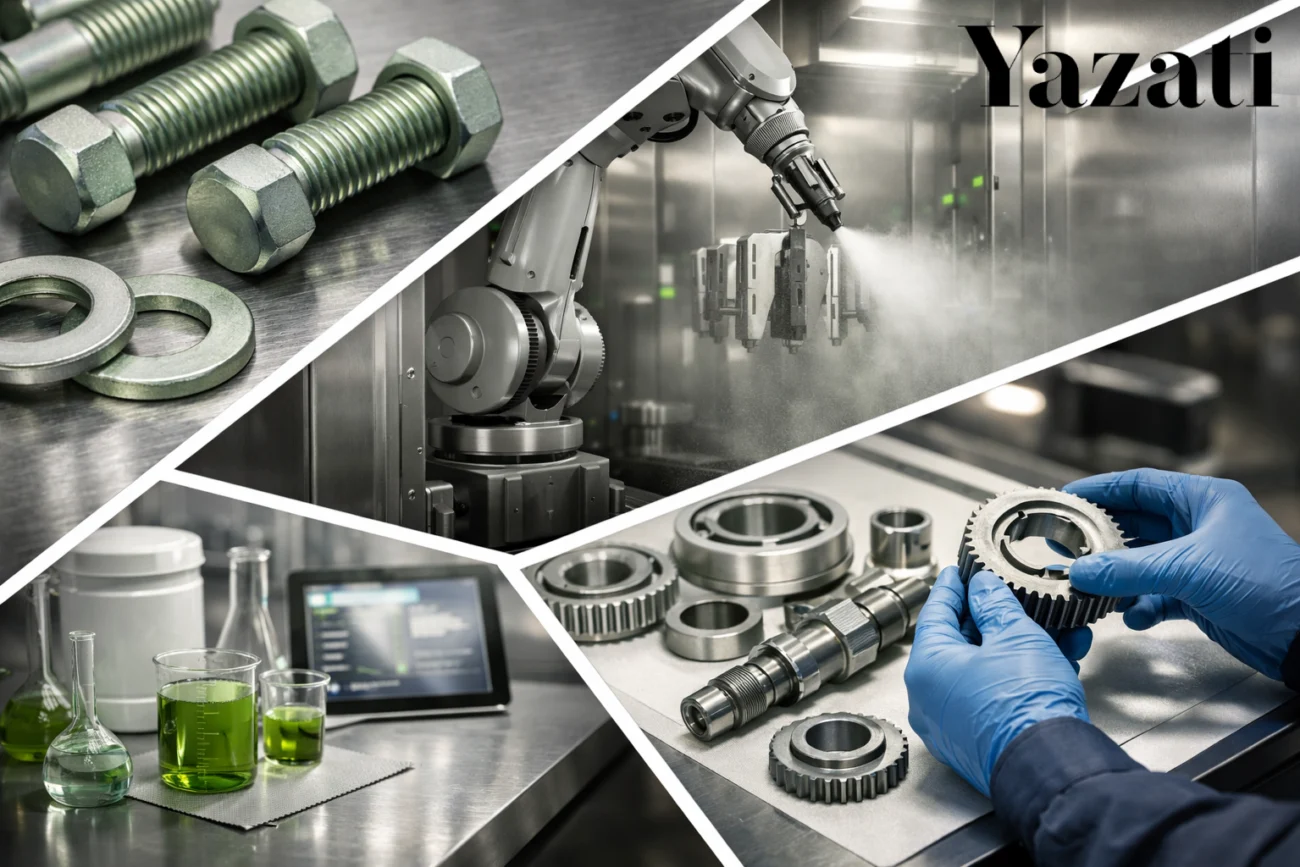
Introduction to Eco-Coated Hardware and Machinery Parts
Eco-coated hardware and machinery parts are becoming essential in modern manufacturing as industries move toward environmentally friendly solutions. Traditional coatings often contain harmful chemicals that release toxins during production and disposal. As environmental regulations tighten and businesses prioritize sustainability, eco-friendly coatings are emerging as a practical and responsible alternative.
Eco-coating refers to the use of environmentally safe materials and processes that minimize environmental impact while still providing durability, corrosion resistance, and protection. These coatings are designed to reduce harmful emissions, limit chemical waste, and improve overall product lifespan.
The demand for eco-coated hardware and machinery parts has increased significantly across industries such as automotive, aerospace, construction, and heavy machinery. Manufacturers are adopting advanced coating technologies that balance environmental responsibility with high-performance requirements.
Several factors are driving this shift. Government regulations now encourage low-VOC and non-toxic coatings. Consumers and businesses prefer sustainable products, and companies are actively working to reduce their carbon footprint.
Looking ahead, technological innovation will continue to shape the development of eco-coated components. From smart coatings to nanotechnology-based solutions, the future promises stronger, safer, and more efficient protective coatings.
In this article, we will explore the future trends in eco-coated hardware and machinery parts, including emerging technologies, sustainability strategies, and innovations that will define the next era of industrial manufacturing.
Understanding Eco-Coatings in Industrial Hardware
Eco-coatings are specialized protective layers applied to metal or industrial components using environmentally responsible materials and processes. Unlike traditional coatings, these solutions avoid harmful chemicals such as heavy metals, toxic solvents, and volatile organic compounds (VOCs).
The primary purpose of eco-coatings is to protect hardware and machinery parts from corrosion, wear, and environmental damage while maintaining environmental safety.
Key Characteristics of Eco-Coatings
Eco-friendly coatings typically include several distinctive characteristics:
- Low or zero VOC emissions
- Non-toxic chemical compositions
- Energy-efficient application methods
- Improved durability and lifespan
- Reduced waste during production
These coatings often use water-based systems, powder coatings, or bio-based materials to replace solvent-heavy alternatives.
Common Types of Eco-Coatings
Several eco-coating technologies are already widely used in industrial manufacturing:
| Coating Type | Description | Environmental Benefit |
|---|---|---|
| Powder Coating | Dry powder applied electrostatically and cured with heat | No solvents or VOCs |
| Water-Based Coatings | Coatings that use water instead of solvents | Lower chemical emissions |
| Ceramic Coatings | Advanced coatings with high heat resistance | Longer lifespan |
| Bio-Based Coatings | Made from renewable natural resources | Reduced environmental impact |
These solutions help manufacturers meet strict environmental regulations while maintaining product quality and performance.
Why Eco-Coated Hardware Is Becoming Essential
Industries around the world are rapidly transitioning to eco-coated hardware and machinery parts due to growing environmental concerns and stricter regulatory standards.
Environmental Regulations
Many governments now enforce strict environmental policies regarding manufacturing emissions. Regulations targeting hazardous substances have forced companies to seek safer alternatives.
Eco-coatings help manufacturers comply with these regulations while maintaining operational efficiency.
Corporate Sustainability Goals
Companies increasingly aim to achieve sustainability targets. Using eco-coated components helps reduce carbon emissions and environmental waste, which supports corporate environmental responsibility programs.
Improved Product Durability
Eco-coatings are often engineered to last longer than traditional coatings. Improved corrosion resistance and wear protection extend the lifespan of machinery parts, reducing replacement frequency.
Cost Efficiency Over Time
Although eco-coating technologies may require higher initial investment, they often lower long-term costs by reducing maintenance, improving durability, and minimizing environmental compliance expenses.
These benefits explain why eco-coated hardware and machinery parts are becoming a central component of modern industrial strategies.
Future Trends in Eco-Coated Hardware and Machinery Parts
The industrial sector is experiencing rapid innovation in eco-friendly coating technologies. These advancements will shape how hardware and machinery parts are designed and manufactured in the coming decades.
1. Nanotechnology-Based Eco-Coatings
Nanotechnology is transforming protective coatings by introducing microscopic particles that enhance performance.
Nano-coatings can significantly improve:
- Corrosion resistance
- Surface hardness
- Thermal protection
- Chemical resistance
Because these coatings are extremely thin yet highly effective, they reduce material consumption and environmental waste.
2. Smart Self-Healing Coatings
One of the most exciting developments is self-healing coatings. These coatings automatically repair small scratches or cracks using embedded microcapsules that release healing agents when damage occurs.
Benefits include:
- Extended machinery lifespan
- Reduced maintenance costs
- Improved protection against corrosion
Self-healing technology is expected to play a major role in future eco-coated hardware and machinery parts.
3. Bio-Based and Plant-Derived Coatings
Researchers are exploring coatings made from renewable plant materials such as soy, corn, and vegetable oils.
Bio-based coatings provide:
- Reduced dependence on petroleum chemicals
- Lower environmental impact
- Improved biodegradability
As sustainability becomes a top priority, these coatings will likely gain widespread adoption.
4. Waterborne High-Performance Coatings
Waterborne coatings are rapidly replacing solvent-based systems in many industries. These coatings use water as the primary solvent, significantly reducing toxic emissions.
Modern waterborne coatings now offer performance comparable to traditional coatings, making them suitable for heavy industrial applications.
Integration of Green Manufacturing Technologies
The future of eco-coated hardware and machinery parts also depends on improvements in manufacturing processes.
Energy-Efficient Coating Processes
Manufacturers are adopting energy-efficient curing technologies such as:
- UV curing systems
- Low-temperature curing processes
- Induction heating technologies
These systems reduce energy consumption and lower manufacturing emissions.
Closed-Loop Coating Systems
Closed-loop systems recycle unused coating materials and minimize waste. This approach helps manufacturers maintain environmentally friendly operations while reducing production costs.
Automation and Precision Coating
Advanced robotics and automated coating systems ensure precise application of eco-coatings. This reduces material waste and improves coating uniformity.
Role of Nanotechnology in Sustainable Coatings
Nanotechnology continues to revolutionize eco-coating performance.
Ultra-Thin Protective Layers
Nano-coatings form extremely thin layers that still provide exceptional protection. This reduces raw material usage and lowers environmental impact.
Improved Corrosion Resistance
Nanoparticles create dense protective barriers that prevent moisture and oxygen from reaching metal surfaces, significantly reducing corrosion.
Heat and Chemical Resistance
Nanotechnology also improves resistance to extreme temperatures and chemical exposure, making eco-coated hardware more durable in harsh industrial environments.
Advancements in Powder Coating Technology
Powder coatings are already one of the most environmentally friendly coating solutions, but future innovations are making them even more efficient.
Low-Temperature Powder Coatings
New powder coating formulas cure at lower temperatures, reducing energy consumption during manufacturing.
Recyclable Powder Materials
Unused powder can often be collected and reused, reducing waste and improving cost efficiency.
Enhanced Surface Protection
Advanced powder coatings now offer superior protection against abrasion, corrosion, and UV damage.
These innovations make powder coatings a key element in the future of eco-coated hardware and machinery parts.
Sustainable Materials for Machinery Components
Eco-coating technologies are only one part of the sustainability equation. The materials used in hardware and machinery parts also play a crucial role.
Recycled Metals
Using recycled metals significantly reduces energy consumption and environmental impact compared to producing new metals.
Lightweight Alloys
Advanced lightweight alloys reduce machinery weight, improving energy efficiency in industrial equipment.
Hybrid Material Systems
Combining multiple materials with eco-coatings can enhance durability and sustainability.
Digital Technologies Transforming Eco-Coating
Digital technologies such as artificial intelligence and data analytics are revolutionizing coating processes.
AI-Powered Quality Control
Artificial intelligence can detect coating defects and optimize application parameters, ensuring consistent coating quality.
Predictive Maintenance
Data-driven monitoring systems can predict when coatings will degrade, allowing timely maintenance before damage occurs.
Simulation Tools
Advanced simulation software allows engineers to test coating performance under different environmental conditions before production.
Challenges Facing Eco-Coated Hardware Adoption
Despite rapid progress, some challenges remain.
High Initial Investment
Advanced eco-coating technologies often require significant upfront investment in new equipment and training.
Performance Expectations
Some industries still question whether eco-coatings can match the durability of traditional coatings.
Supply Chain Limitations
Bio-based and sustainable materials may have limited availability in certain regions.
However, continuous research and development are gradually addressing these challenges.
Industry Applications of Eco-Coated Machinery Parts
Eco-coated hardware and machinery parts are widely used across various industries.
Automotive Industry
Eco-coatings protect vehicle components from corrosion while reducing environmental impact during manufacturing.
Aerospace Industry
High-performance eco-coatings improve aircraft durability while meeting strict environmental standards.
Construction Equipment
Heavy machinery requires coatings that can withstand extreme weather conditions and heavy use.
Manufacturing Equipment
Industrial machines benefit from eco-coatings that reduce wear and extend operational life.
Benefits of Adopting Eco-Coated Hardware
Adopting eco-coated hardware and machinery parts provides several long-term advantages.
Environmental Benefits
- Reduced toxic emissions
- Lower carbon footprint
- Minimal hazardous waste
Operational Benefits
- Longer component lifespan
- Reduced maintenance costs
- Improved equipment efficiency
Business Benefits
- Stronger brand reputation
- Compliance with environmental regulations
- Competitive advantage in sustainable markets
How Companies Can Prepare for Future Eco-Coating Trends
Manufacturers can prepare for future innovations by focusing on sustainability strategies.
Investing in Research and Development
Companies should explore advanced eco-coating technologies to remain competitive.
Collaborating with Material Scientists
Partnerships with research institutions can accelerate the development of sustainable coating solutions.
Upgrading Manufacturing Infrastructure
Adopting modern coating equipment ensures compatibility with next-generation eco-coatings.
Frequently Asked Questions
1. What are eco-coated hardware and machinery parts?
Eco-coated hardware and machinery parts are industrial components coated with environmentally friendly protective layers that reduce harmful emissions and environmental impact.
2. Why are eco-coatings important in manufacturing?
Eco-coatings help reduce pollution, comply with environmental regulations, and improve the durability of machinery parts.
3. Are eco-coatings as durable as traditional coatings?
Yes. Many modern eco-coatings offer equal or even better durability compared to traditional coatings.
4. What industries use eco-coated machinery parts?
Industries such as automotive, aerospace, construction, and heavy manufacturing widely use eco-coated components.
5. What technologies are shaping the future of eco-coatings?
Nanotechnology, smart coatings, bio-based materials, and advanced powder coating systems are driving innovation.
6. Are eco-coatings cost-effective for manufacturers?
Although initial costs may be higher, eco-coatings often reduce maintenance, extend product lifespan, and lower environmental compliance costs.
Conclusion
The future of eco-coated hardware and machinery parts looks extremely promising. As industries focus on sustainability, innovation in eco-friendly coating technologies will continue to accelerate.
Advancements such as nanotechnology, self-healing coatings, bio-based materials, and energy-efficient manufacturing processes are redefining how protective coatings are developed and applied.
Companies that adopt these innovations early will gain significant advantages, including improved product durability, reduced environmental impact, and stronger market competitiveness.
Ultimately, eco-coated hardware and machinery parts represent more than just a technological advancement. They symbolize a shift toward responsible manufacturing practices that protect both industrial infrastructure and the environment for future generations.
✨ Discover Global Sourcing Excellence with Netyex ✨
Netyex is your trusted B2B sourcing partner, connecting international buyers with India’s finest manufacturers and curated product lines—from handicrafts and home décor to kitchenware, textiles, hospitality essentials, and more. With verified suppliers and end-to-end support, we make global procurement seamless, reliable, and efficient.
👉 Elevate your sourcing experience—explore Netyex today.
📦 Bulk orders & customisation | 🌍 Worldwide delivery | 🤝 Trusted by global buyers
Visit Netyex to source premium Indian products with confidence.