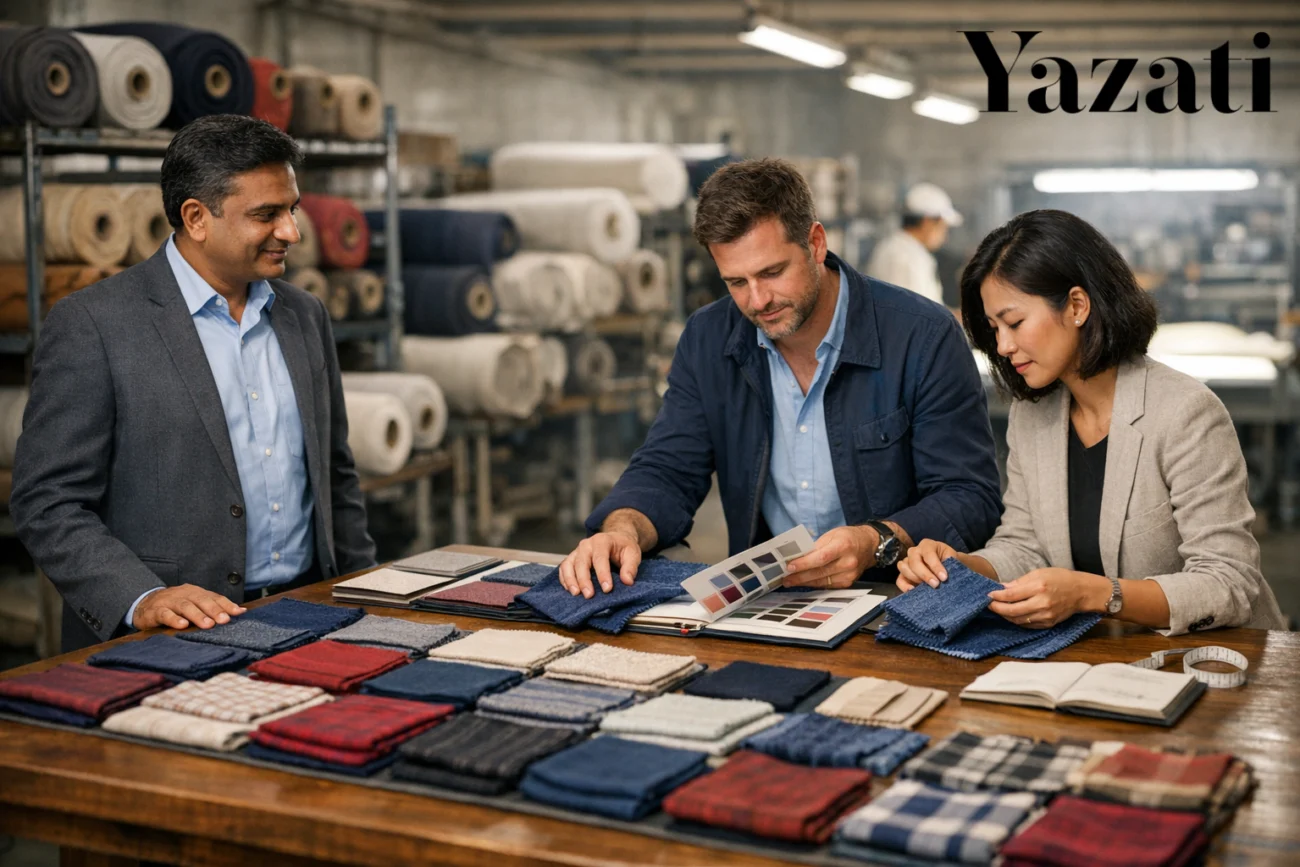
Introduction to Importing Fabrics from Indian Mills
India is one of the world’s largest textile producers and exporters. For decades, global apparel brands, fashion startups, wholesalers, and fabric traders have relied on Indian mills for high-quality fabrics at competitive prices. The country produces a wide range of textiles, including cotton, silk, polyester blends, viscose, linen, and technical fabrics.
Importing fabrics from Indian mills can be a profitable business opportunity, but success requires understanding the sourcing process, supplier verification, pricing structures, logistics, and quality control methods.
India’s textile ecosystem includes spinning mills, weaving units, dyeing houses, printing facilities, and garment manufacturers. This integrated structure makes India an ideal sourcing destination for fabric buyers around the world.
Buyers benefit from:
- Competitive production costs
- Skilled textile craftsmanship
- Large variety of fabrics
- Customization options
- Strong export infrastructure
However, importing fabrics also involves challenges such as communication gaps, minimum order quantities, shipping logistics, and quality assurance.
This guide explains everything you need to know about importing fabrics from Indian mills, from finding reliable suppliers to managing international shipments.
Overview of the Indian Textile Industry
India has one of the oldest textile traditions in the world. The modern textile industry combines traditional craftsmanship with advanced manufacturing technology.
Major textile production regions include:
- Gujarat – Cotton and denim manufacturing
- Tamil Nadu – Knit fabrics and spinning mills
- Maharashtra – Textile processing and weaving
- Punjab – Wool and blended fabrics
- Rajasthan – Printed and traditional fabrics
India produces several types of fabrics including:
| Fabric Type | Common Uses |
|---|---|
| Cotton | Shirts, dresses, home textiles |
| Linen | Premium apparel |
| Silk | Luxury garments |
| Polyester | Sportswear and uniforms |
| Viscose/Rayon | Fashion garments |
| Denim | Jeans and jackets |
| Blended fabrics | Performance clothing |
Indian mills serve both domestic brands and international buyers from the United States, Europe, Africa, and Asia.
Benefits of Importing Fabrics from India
Cost Advantages
Production costs in India are generally lower than in many Western countries. Lower labor costs combined with efficient production allow buyers to purchase fabrics at competitive rates.
Wide Range of Materials
Indian mills offer an enormous variety of fabrics, including:
- Organic cotton
- Sustainable textiles
- Handloom fabrics
- Technical textiles
- Fashion fabrics
Customization Capabilities
Many mills allow buyers to customize:
- Fabric composition
- GSM (grams per square meter)
- Color
- Prints
- Finishing treatments
Large Production Capacity
India has thousands of textile mills capable of fulfilling both small and large orders.
Types of Fabrics Available from Indian Mills
Cotton Fabrics
India is one of the largest cotton producers globally. Cotton fabrics include:
- Poplin
- Twill
- Cambric
- Voile
- Satin
Cotton is widely used for apparel and home textiles.
Silk Fabrics
Indian silk fabrics are popular for premium fashion markets.
Common varieties include:
- Mulberry silk
- Tussar silk
- Eri silk
- Muga silk
Synthetic Fabrics
Synthetic fabrics such as polyester and nylon are widely produced for sportswear, uniforms, and industrial uses.
Blended Fabrics
Blends such as cotton-polyester or viscose blends combine durability with comfort.
Understanding Fabric Specifications
Before placing an order, buyers must understand key fabric specifications.
Fabric Composition
This refers to the fiber content of the fabric, such as:
- 100% cotton
- 60% cotton / 40% polyester
- 100% viscose
GSM (Grams per Square Meter)
GSM measures the fabric’s weight.
Examples:
| GSM | Fabric Weight |
|---|---|
| 80–120 | Lightweight |
| 120–180 | Medium |
| 180–250 | Heavy |
Weave Types
Common weave structures include:
- Plain weave
- Twill weave
- Satin weave
Fabric Width
Standard fabric widths usually range from 44 inches to 72 inches.
How to Find Reliable Indian Fabric Mills
Finding trustworthy suppliers is one of the most critical steps when importing fabrics.
Textile Trade Fairs
International trade fairs often showcase Indian mills.
These events allow buyers to:
- Meet suppliers directly
- Inspect fabric samples
- Negotiate pricing
B2B Marketplaces
Several platforms list Indian textile suppliers.
Buyers can review:
- Supplier profiles
- Certifications
- Production capabilities
Industry Referrals
Recommendations from other buyers or industry contacts can help identify reliable mills.
Direct Factory Visits
Visiting mills in person helps verify:
- Production capacity
- Quality standards
- Working conditions
Minimum Order Quantities (MOQ)
Most Indian mills require minimum order quantities.
Typical MOQs include:
- 500 – 1000 meters per color
- 2000 – 5000 meters for custom fabrics
MOQs depend on factors such as:
- Fabric type
- Dyeing process
- Printing method
Smaller buyers may negotiate lower MOQs with trading companies or smaller mills.
Sampling Process
Sampling helps buyers evaluate fabric quality before placing bulk orders.
The sampling process usually includes:
- Sample request
- Lab dip approval (for colors)
- Prototype sample
- Bulk production approval
Samples allow buyers to check:
- Fabric feel
- Color accuracy
- Shrinkage
- Durability
Pricing Structure for Fabric Imports
Fabric pricing depends on multiple factors.
Material Cost
Raw fiber costs affect fabric pricing.
For example:
- Cotton prices fluctuate based on harvest conditions.
- Synthetic fibers depend on petroleum prices.
Processing Costs
Fabric processing includes:
- Dyeing
- Printing
- Finishing
These processes add to production costs.
Order Quantity
Larger orders typically receive lower per-meter prices.
Currency Exchange Rates
International buyers must consider currency fluctuations when calculating costs.
Quality Control Procedures
Quality control is essential when importing fabrics from Indian mills.
Pre-Production Inspection
Before production begins, buyers confirm:
- Fabric specifications
- Color standards
- Finishing requirements
During Production Inspection
Inspections during production ensure that manufacturing follows agreed specifications.
Final Quality Inspection
Before shipment, inspectors check:
- Fabric defects
- Color consistency
- Measurement accuracy
Third-party inspection companies can help verify product quality.
Common Fabric Defects to Watch For
Buyers should inspect fabrics for potential defects such as:
- Uneven dyeing
- Broken yarns
- Oil stains
- Holes
- Color variation
Most mills follow standard inspection systems to detect defects before shipping.
Packaging and Shipping Methods
Proper packaging protects fabrics during international transport.
Roll Packaging
Fabrics are typically packed in rolls wrapped with plastic and protective material.
Bale Packaging
Some bulk fabrics are compressed into bales to reduce shipping volume.
Container Shipping
Large orders are usually transported via:
- Full Container Load (FCL)
- Less than Container Load (LCL)
Shipping time varies depending on the destination country.
Import Documentation Requirements
International fabric shipments require specific documents.
Common documents include:
- Commercial invoice
- Packing list
- Bill of lading
- Certificate of origin
- Inspection certificates
Buyers should verify documentation requirements based on their country’s import regulations.
Customs Duties and Taxes
Import duties vary depending on the destination country.
Factors affecting duties include:
- Fabric type
- Country of origin
- Trade agreements
Buyers should check local customs regulations before importing fabrics.
Payment Methods for International Fabric Orders
Several payment options are used in textile trade.
Bank Transfer (T/T)
This is the most common method.
Typical payment terms:
- 30% advance
- 70% before shipment
Letter of Credit (LC)
Letters of credit provide secure payment protection for both buyers and sellers.
Escrow Services
Some buyers prefer escrow services to reduce payment risks.
Sustainable and Ethical Textile Production
Sustainability is becoming increasingly important in global textile sourcing.
Many Indian mills now offer:
- Organic cotton fabrics
- Recycled fibers
- Eco-friendly dyeing processes
Certifications such as organic textile standards help buyers verify sustainable production practices.
Ethical sourcing also involves ensuring fair labor practices and safe working environments.
Common Challenges When Importing Fabrics
Despite many advantages, importing fabrics can involve challenges.
Communication Barriers
Language differences may lead to misunderstandings in specifications.
Clear documentation helps reduce communication issues.
Production Delays
Factors such as raw material shortages or machinery breakdowns can delay production.
Quality Variations
Fabric batches may vary slightly in color or texture.
Consistent quality control procedures help minimize these issues.
Tips for Successful Fabric Importing
To ensure successful sourcing, buyers should follow best practices.
Key tips include:
- Always request fabric samples before ordering
- Work with verified mills
- Clearly define fabric specifications
- Conduct third-party inspections
- Plan shipping timelines carefully
Building long-term relationships with trusted suppliers can also improve pricing and reliability.
Frequently Asked Questions
Is India a good place to source fabrics?
Yes. India is one of the largest textile producers in the world, offering a wide variety of fabrics at competitive prices.
What is the minimum order quantity for Indian fabric mills?
Most mills require orders between 500 and 5000 meters, depending on the fabric type.
How long does it take to import fabrics from India?
Production usually takes 3–6 weeks, and shipping time varies based on the destination.
Can small businesses import fabrics from Indian mills?
Yes. Smaller buyers can work with trading companies or smaller mills that offer lower minimum order quantities.
How can I verify an Indian textile supplier?
Supplier verification can be done through factory visits, references, third-party inspections, and documentation review.
What payment methods are used when importing fabrics?
Common methods include bank transfer, letters of credit, and escrow services.
Conclusion
Importing fabrics from Indian mills offers excellent opportunities for fashion brands, garment manufacturers, and textile traders worldwide. India’s strong textile infrastructure, skilled workforce, and wide range of fabrics make it one of the most attractive sourcing destinations.
However, successful fabric importing requires careful planning, supplier verification, quality control, and efficient logistics management. Buyers who invest time in building strong relationships with reliable mills can benefit from competitive pricing, consistent quality, and long-term supply partnerships.
By understanding fabric specifications, managing shipping processes, and maintaining strict quality standards, businesses can successfully import fabrics from Indian mills and strengthen their position in the global textile market.
✨ Discover Global Sourcing Excellence with Netyex ✨
Netyex is your trusted B2B sourcing partner, connecting international buyers with India’s finest manufacturers and curated product lines—from handicrafts and home décor to kitchenware, textiles, hospitality essentials, and more. With verified suppliers and end-to-end support, we make global procurement seamless, reliable, and efficient.
👉 Elevate your sourcing experience—explore Netyex today.
📦 Bulk orders & customisation | 🌍 Worldwide delivery | 🤝 Trusted by global buyers
Visit Netyex to source premium Indian products with confidence.