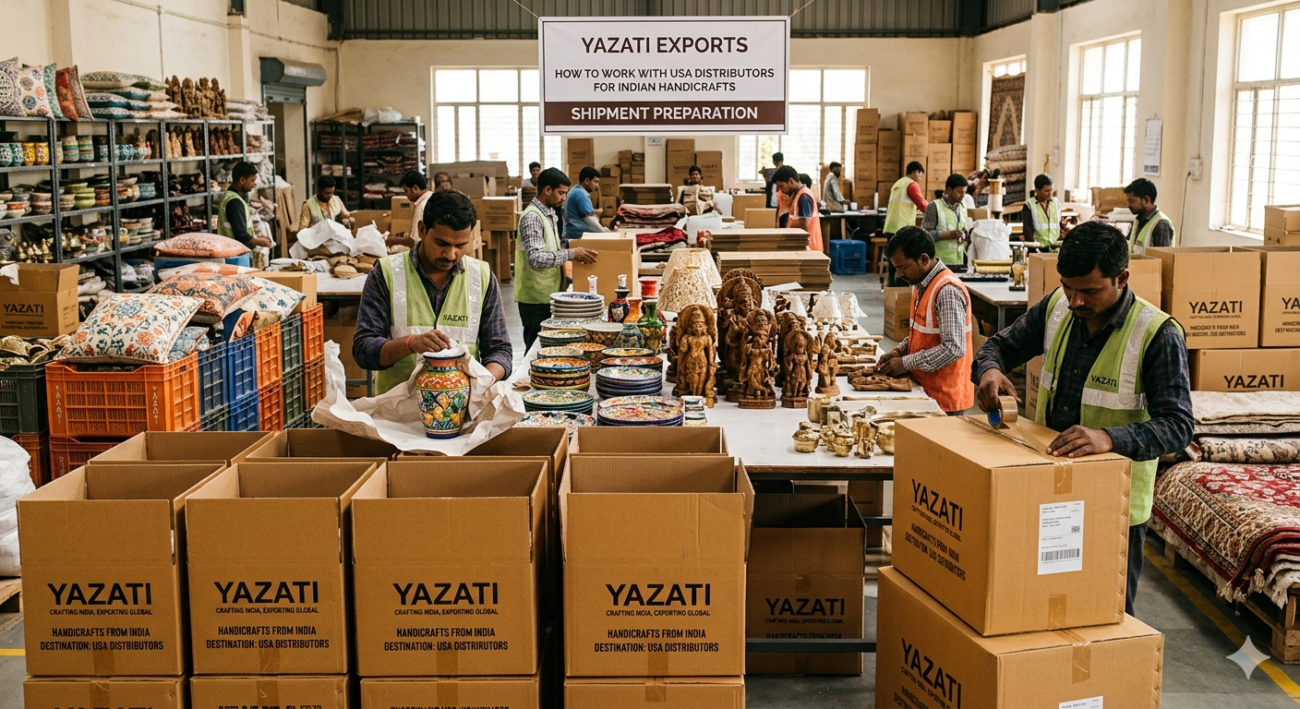
Indian handicrafts have earned worldwide recognition for their beauty, craftsmanship, and cultural value. From handwoven textiles and wooden décor to brass artifacts and pottery, Indian artisans produce products that attract buyers across the globe. The United States remains one of the largest importers of handmade and ethnic products, creating exciting opportunities for Indian exporters.
Understanding How to Work with USA Distributors for Indian Handicrafts can help small businesses, artisan groups, and exporters build a stable international market. However, entering the U.S. market requires more than just quality products. It demands strategic planning, legal compliance, effective communication, and strong relationships with distributors.
This guide explains everything you need to know about finding, approaching, and successfully working with U.S. distributors for Indian handicrafts.
Understanding the USA Handicraft Market
The U.S. handicraft market has grown rapidly over the past decade. American consumers increasingly value sustainable, handmade, and culturally authentic products. Many buyers prefer handcrafted décor and accessories because they offer uniqueness compared to factory-made goods.
Indian handicrafts fit perfectly into this trend. Products such as handloom textiles, embroidered items, eco-friendly décor, and artisan jewelry appeal strongly to American customers.
To understand How to Work with USA Distributors for Indian Handicrafts, you must first study the market. Research consumer preferences, seasonal trends, and pricing expectations. American distributors often look for suppliers who can deliver consistent quality and reliable shipping.
Important market categories include:
- Home décor
- Handmade furniture
- Ethnic textiles
- Sustainable gifts
- Festival decorations
- Artisan jewelry
- Eco-friendly products
Understanding these segments allows you to position your products more effectively.
Why USA Distributors Prefer Indian Handicrafts
Indian handicrafts stand out because of their rich history and handmade appeal. American distributors value these products for several reasons.
Unique Craftsmanship
Indian artisans use traditional techniques passed down through generations. This authenticity attracts buyers seeking exclusive products.
Eco-Friendly Production
Many Indian handicraft products use natural materials like bamboo, jute, clay, cotton, and wood. Sustainability has become a major buying factor in the United States.
Competitive Pricing
Compared to many global markets, Indian handicrafts offer excellent quality at competitive prices. This allows distributors to maintain healthy profit margins.
Wide Product Variety
India produces thousands of handicraft styles, making it easier for distributors to create diverse collections.
Types of Indian Handicrafts Popular in America
Several categories consistently perform well in the U.S. market.
Textiles and Handloom Products
- Handwoven rugs
- Cushion covers
- Block-printed fabrics
- Quilts
- Table runners
Wooden Handicrafts
- Carved furniture
- Decorative boxes
- Wall art
- Kitchen accessories
Metal Crafts
- Brass lamps
- Copper utensils
- Iron décor pieces
Jewelry and Fashion Accessories
- Handmade necklaces
- Beaded jewelry
- Scarves
- Bags
Eco-Friendly Products
- Bamboo products
- Recycled paper crafts
- Natural fiber décor
Distributors usually prefer products with consistent demand and easy shipping requirements.
Benefits of Working with USA Distributors
Learning How to Work with USA Distributors for Indian Handicrafts offers several advantages for exporters.
Access to Large Markets
Distributors already have established retail networks and customer bases.
Reduced Marketing Costs
Instead of building your own U.S. sales team, distributors promote and sell your products.
Improved Brand Visibility
A good distributor can place your products in boutiques, retail chains, and online marketplaces.
Stable Revenue
Long-term distributor relationships often lead to repeat orders and predictable income.
How to Identify the Right USA Distributor
Choosing the right distributor is one of the most important steps.
Researching Distributor Niches
Some distributors specialize in:
- Luxury home décor
- Sustainable products
- Handmade gifts
- Fair-trade products
- Ethnic décor
Select distributors aligned with your product category.
Evaluating Distributor Reputation
Before signing agreements:
- Check online reviews
- Request references
- Study their retail network
- Analyze their social media presence
- Verify business licenses
Reliable distributors communicate clearly and maintain transparent business practices.
Preparing Your Handicraft Business for Export
Before approaching American distributors, your business should be export-ready.
Product Standardization
U.S. buyers expect consistency in:
- Size
- Material quality
- Color
- Finish
Even handmade products need standardized quality control.
Packaging and Labeling
Proper packaging protects products during international shipping.
Your labels should include:
- Product description
- Country of origin
- Material information
- Care instructions
Eco-friendly packaging is highly appreciated in the U.S. market.
Export Documentation
You may need:
- Import-export code (IEC)
- Commercial invoice
- Packing list
- Certificate of origin
- Shipping bill
Visit the Export Promotion Council for Handicrafts website for official export guidance and industry support.
Building a Professional Product Catalog
Your catalog acts as your international sales presentation.
A strong catalog should contain:
- High-quality product images
- Product dimensions
- Material details
- MOQ (minimum order quantity)
- Pricing
- Packaging information
Professional photography increases buyer confidence significantly.
Tips for Better Product Photos
- Use white backgrounds
- Include lifestyle images
- Show multiple angles
- Use proper lighting
Digital catalogs in PDF format are commonly preferred.
Pricing Strategies for USA Distributors
Pricing can determine whether distributors choose your products.
Calculate Total Costs
Include:
- Manufacturing
- Packaging
- Shipping
- Customs duties
- Marketing support
Offer Distributor Margins
Most distributors require healthy profit margins. Competitive wholesale pricing helps attract long-term partners.
Avoid Underpricing
Very low pricing may create concerns about quality. Focus on value rather than simply being the cheapest supplier.
Legal Requirements and Compliance
The U.S. market has strict compliance rules.
Product Safety Standards
Certain handicrafts may require:
- Lead testing
- Chemical compliance
- Safety labeling
Trademark Protection
Register your brand name and logo to avoid legal conflicts.
Contracts and Agreements
Distributor agreements should define:
- Territory rights
- Payment terms
- Order quantities
- Delivery schedules
- Return policies
Hiring an international trade lawyer is often beneficial.
Communication Tips for International Partnerships
Strong communication builds trust.
Respond Quickly
American businesses appreciate timely replies.
Use Clear Language
Avoid confusing technical terms or unclear pricing details.
Maintain Professionalism
Always provide:
- Accurate timelines
- Transparent updates
- Clear invoices
Virtual meetings can strengthen distributor relationships.
Shipping and Logistics Management
Efficient logistics are essential when learning How to Work with USA Distributors for Indian Handicrafts.
Choose Reliable Shipping Partners
Work with experienced freight forwarders and logistics companies.
Understand Shipping Methods
Air Freight
- Faster delivery
- Higher cost
Sea Freight
- Cost-effective
- Suitable for large orders
Track Shipments
Provide distributors with tracking updates and estimated delivery dates.
Payment Terms and Risk Management
International trade carries financial risks.
Common Payment Methods
- Letter of Credit (LC)
- Wire transfer
- PayPal for smaller orders
Secure Advance Payments
Many exporters request:
- 30% advance
- 70% before shipment
Use Export Insurance
Insurance protects against payment defaults and shipping damage.
Trade Shows and Networking Opportunities
Trade shows help exporters connect directly with buyers and distributors.
Popular Trade Shows
- NY NOW
- Ambiente
- Las Vegas Market
These events provide opportunities to:
- Showcase products
- Understand trends
- Build partnerships
Participation improves international visibility significantly.
Digital Marketing for Export Growth
Modern distributors often discover suppliers online.
Build a Professional Website
Your website should include:
- Product galleries
- Certifications
- Contact details
- Export capabilities
Use Social Media
Platforms like:
are highly effective for handicraft promotion.
Optimize for SEO
Using keywords like How to Work with USA Distributors for Indian Handicrafts helps international buyers find your business online.
For additional export guidance, visit the International Trade Administration website.
Common Mistakes to Avoid
Many exporters fail because of avoidable mistakes.
Ignoring Quality Control
Inconsistent products can damage relationships permanently.
Poor Communication
Delayed responses create distrust.
Lack of Documentation
Incomplete paperwork causes customs delays.
Overpromising Delivery Dates
Always provide realistic timelines.
Not Researching Distributors
Working with unreliable distributors can lead to financial losses.
Long-Term Relationship Building
Successful export businesses focus on relationships, not just transactions.
Provide Consistent Quality
Reliable quality encourages repeat orders.
Support Marketing Efforts
Offer product photos, descriptions, and promotional support.
Stay Updated on Trends
Regularly introduce new collections and seasonal products.
Show Appreciation
Simple gestures like holiday greetings strengthen business relationships.
Future Trends in Indian Handicraft Exports
The future of Indian handicrafts looks promising.
Sustainable Products Will Dominate
Eco-conscious consumers continue driving demand.
Online Wholesale Platforms Are Growing
Many distributors now source products digitally.
Customization Will Increase
Personalized and limited-edition handicrafts are becoming more popular.
Ethical Sourcing Matters
Fair-trade and artisan-support initiatives influence purchasing decisions.
Indian exporters who adapt to these trends can achieve long-term success.
FAQs
1. How do I find USA distributors for Indian handicrafts?
You can find distributors through trade fairs, B2B marketplaces, LinkedIn, export councils, and wholesale directories.
2. What documents are needed to export handicrafts to the USA?
Common documents include an IEC code, commercial invoice, packing list, certificate of origin, and shipping documents.
3. Do U.S. distributors prefer eco-friendly handicrafts?
Yes. Sustainable and handmade products are highly popular in the American market.
4. What payment methods are safest for exporters?
Letters of Credit, advance payments, and insured wire transfers are commonly considered secure.
5. How important is packaging for exports?
Packaging is extremely important because it protects products and improves brand perception.
6. Can small handicraft businesses work with U.S. distributors?
Absolutely. Many American distributors actively seek small artisan suppliers offering unique handmade products.
7. Are online marketplaces useful for finding distributors?
Yes. Platforms like Alibaba, Faire, and IndiaMART can help connect exporters with global buyers.
8. What is the biggest challenge in exporting handicrafts?
Maintaining consistent quality and timely delivery are among the biggest challenges.
Conclusion
Understanding How to Work with USA Distributors for Indian Handicrafts can open doors to one of the world’s largest consumer markets. Success depends on preparation, professionalism, quality control, and relationship management.
Indian handicrafts already possess the artistic value and authenticity that global buyers seek. By developing strong export systems, maintaining transparent communication, and adapting to market trends, exporters can create profitable and lasting partnerships with U.S. distributors.
Whether you are a small artisan business or an established exporter, the American market offers enormous opportunities for growth. With the right strategy and dedication, Indian handicrafts can continue gaining popularity across homes, boutiques, and retail stores throughout the United States.
✨ Discover Global Sourcing Excellence with Netyex ✨
Netyex is your trusted B2B sourcing partner, connecting international buyers with India’s finest manufacturers and curated product lines—from handicrafts and home décor to kitchenware, textiles, hospitality essentials, and more. With verified suppliers and end-to-end support, we make global procurement seamless, reliable, and efficient.
👉 Elevate your sourcing experience—explore Netyex today.
📦 Bulk orders & customisation | 🌍 Worldwide delivery | 🤝 Trusted by global buyers
Visit Netyex to source premium Indian products with confidence.