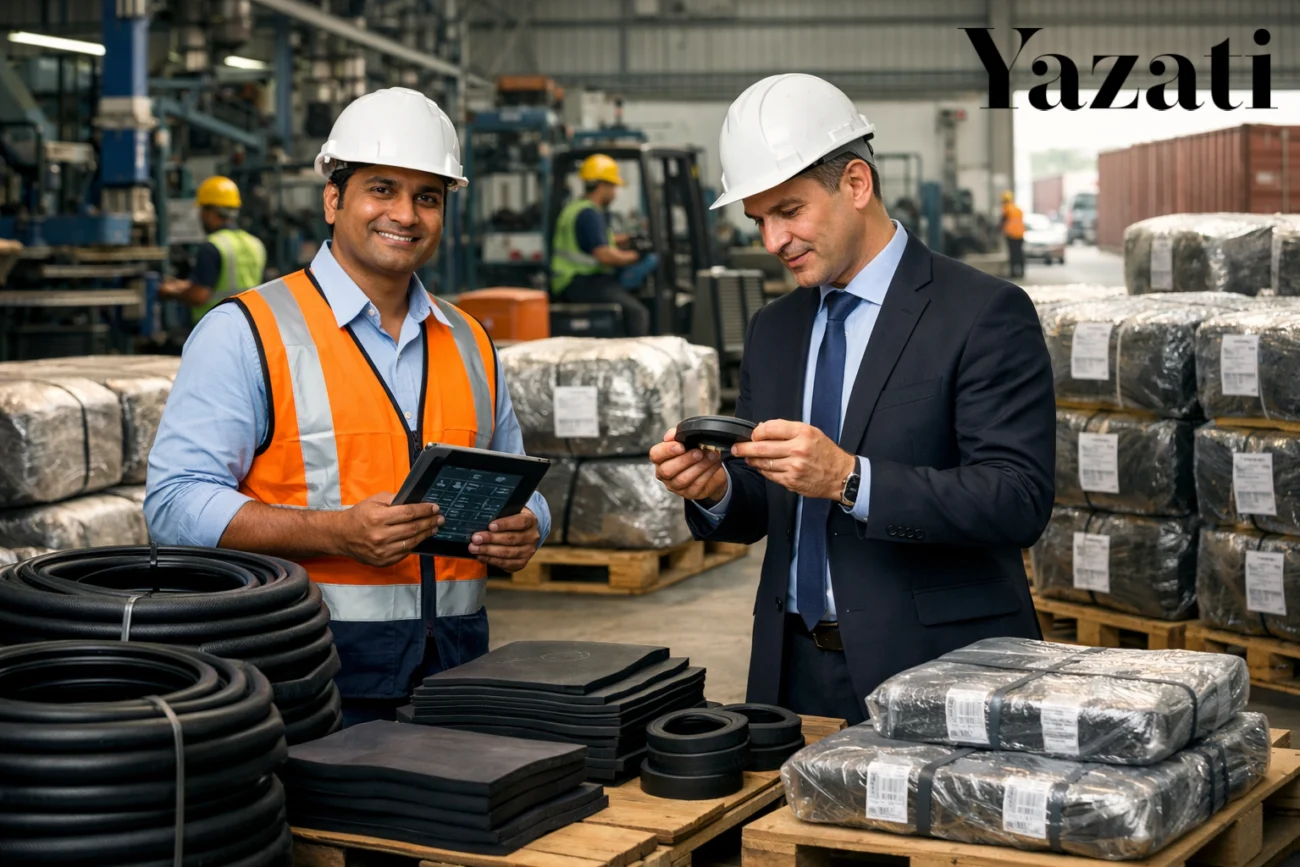
Introduction: India’s Rising Importance in the Global Rubber Market
In recent years, India has emerged as an important player in the global rubber supply chain. As industries such as automotive, manufacturing, healthcare, and construction expand worldwide, the demand for natural and synthetic rubber continues to grow. Importers are now looking toward India as a reliable sourcing destination due to its increasing production capacity, improved logistics infrastructure, and supportive government policies.
India has a long history of rubber cultivation, especially in southern regions like Kerala, Tamil Nadu, and Karnataka. With rising global demand and improvements in agricultural practices, the country’s rubber industry is expanding steadily. For importers seeking stable supply, competitive pricing, and diversified sourcing options, India presents a significant opportunity.
Understanding how to leverage India’s growing rubber supply chain can help importers strengthen procurement strategies, reduce supply disruptions, and gain access to high-quality raw materials.
Understanding India’s Rubber Industry Landscape
India ranks among the world’s leading producers and consumers of natural rubber. The rubber sector supports millions of farmers, traders, processors, and manufacturers across the country.
The Indian rubber ecosystem includes:
- Rubber plantations and smallholder farmers
- Rubber processing units
- Manufacturing industries
- Exporters and supply chain intermediaries
- Government bodies supporting the rubber sector
Smallholder farmers contribute a large portion of India’s natural rubber production. Over the years, better farming techniques, improved rubber clones, and agricultural support programs have helped increase productivity.
India also has a growing synthetic rubber industry, driven by the country’s petrochemical sector. This diversification allows importers to access both natural and synthetic rubber through the same supply network.
Key Rubber Producing Regions in India
Importers should understand the geographic distribution of rubber production in India to build strong sourcing strategies.
Kerala – The Heart of India’s Rubber Production
Kerala contributes the largest share of India’s natural rubber production. The region benefits from favorable climatic conditions, skilled farmers, and well-established rubber plantations.
Advantages of sourcing from Kerala include:
- High-quality rubber sheets and latex
- Experienced suppliers and exporters
- Established processing infrastructure
Northeast India – An Emerging Rubber Hub
States such as Tripura, Assam, and Meghalaya are rapidly expanding rubber cultivation. Government programs have encouraged farmers in these regions to adopt rubber farming.
This expansion helps increase India’s overall rubber supply and offers importers additional sourcing locations.
Tamil Nadu and Karnataka
These states are also contributing to India’s rubber production growth. With modern farming techniques and improved infrastructure, production from these regions is steadily increasing.
Why Global Importers Are Turning to India
There are several reasons why India is becoming a preferred sourcing destination for rubber importers.
Growing Production Capacity
India continues to expand rubber plantations and improve yield per hectare. This helps maintain a steady supply for both domestic use and exports.
Cost-Effective Sourcing
Competitive labor costs and efficient agricultural practices help keep rubber prices competitive in the global market.
Diversified Supply Base
India’s rubber supply chain includes thousands of smallholders, cooperatives, and large plantations. This diversity reduces dependence on a single source.
Government Support
Government initiatives encourage rubber cultivation, infrastructure development, and export growth.
Types of Rubber Available in India
Importers can source several types of rubber from India depending on their industry needs.
Natural Rubber
Natural rubber remains the most widely produced type in India. It is used in:
- Automotive tires
- Industrial products
- Medical equipment
- Footwear manufacturing
Rubber Sheets
Rubber sheets are commonly exported and widely used in industrial applications.
Latex Concentrate
Latex concentrate is used for manufacturing gloves, balloons, adhesives, and other rubber-based products.
Synthetic Rubber
India also produces synthetic rubber varieties used in automotive components and industrial goods.
Understanding the types of rubber available helps importers choose the right material for their production requirements.
Building Strategic Supplier Relationships
One of the most effective ways importers can leverage India’s rubber supply chain is by building long-term relationships with suppliers.
Partnering with Reliable Exporters
Importers should evaluate suppliers based on:
- Production capacity
- Quality standards
- Export experience
- Certification and compliance
Reliable exporters can ensure consistent supply and quality control.
Direct Engagement with Producers
Some importers choose to work directly with farmer cooperatives or plantation owners. This approach can provide better price transparency and supply stability.
Long-Term Procurement Contracts
Establishing long-term supply agreements helps reduce price volatility and supply uncertainty.
Ensuring Quality and Compliance
Quality assurance is critical when importing rubber from any country. India’s rubber industry follows several quality control standards.
Importers should consider the following:
- Testing for physical properties
- Moisture content checks
- Contamination inspection
- Certification verification
Third-party inspections can help ensure that the rubber meets international specifications.
Many Indian suppliers also comply with international quality standards, which improves trust in the supply chain.
Leveraging India’s Expanding Logistics Infrastructure
India has made major improvements in logistics and transportation infrastructure over the past decade.
These improvements include:
- Modernized seaports
- Dedicated freight corridors
- Improved highway networks
- Expanded warehousing capacity
Major ports such as Kochi, Chennai, and Visakhapatnam handle large volumes of rubber exports. Efficient logistics help reduce shipping delays and improve delivery timelines.
For importers, this means faster and more reliable transportation of rubber shipments.
Understanding Price Trends in the Indian Rubber Market
Rubber prices are influenced by several factors, including:
- Global demand from the automotive industry
- Weather conditions affecting plantations
- Currency exchange rates
- Government policies
Importers should monitor these trends to optimize purchasing decisions.
Strategic purchasing during favorable market conditions can significantly reduce procurement costs.
Risk Management for Rubber Importers
While India’s rubber supply chain offers many opportunities, importers must also manage potential risks.
Supply Disruptions
Weather events or labor shortages can impact rubber production.
Price Volatility
Rubber prices may fluctuate based on global market conditions.
Quality Variations
Rubber quality may vary between suppliers if quality control measures are not consistent.
Importers can reduce these risks by diversifying suppliers and conducting regular quality inspections.
Sustainability and Ethical Sourcing
Sustainability is becoming increasingly important in global supply chains.
India’s rubber industry is gradually adopting sustainable farming practices such as:
- Responsible land use
- Reduced chemical usage
- Sustainable plantation management
Importers seeking environmentally responsible sourcing options can find opportunities within India’s rubber sector.
Supporting sustainable producers also improves brand reputation and compliance with global sustainability standards.
Digitalization in India’s Rubber Supply Chain
Technology is transforming the way rubber supply chains operate.
Digital platforms are helping:
- Connect farmers with buyers
- Improve supply chain transparency
- Enable real-time price tracking
- Streamline procurement processes
Importers can benefit from these digital tools to manage sourcing operations more efficiently.
Opportunities for Importers in Value-Added Rubber Products
Beyond raw rubber, India is also a major manufacturer of rubber-based products.
Importers can explore sourcing:
- Rubber components
- Industrial rubber goods
- Automotive rubber parts
- Rubber sheets and molded products
Value-added products can reduce manufacturing costs and simplify supply chains.
Future Growth of India’s Rubber Supply Chain
India’s rubber sector is expected to continue expanding due to:
- Increasing domestic demand
- Expansion of rubber plantations
- Improved agricultural productivity
- Investments in supply chain infrastructure
As global demand for rubber rises, India’s role in the international rubber trade is likely to become even more significant.
For importers, this means new opportunities for sourcing, partnerships, and supply diversification.
How Importers Can Leverage India’s Growing Rubber Supply Chain
Importers can take several strategic steps to fully benefit from India’s growing rubber industry.
Key strategies include:
- Building relationships with reliable suppliers
- Diversifying sourcing regions within India
- Monitoring price trends and market dynamics
- Implementing strict quality control systems
- Leveraging improved logistics infrastructure
- Exploring value-added rubber products
By adopting these strategies, importers can create resilient supply chains and reduce dependence on limited sourcing regions.
FAQs
1. Why is India becoming an important rubber supplier globally?
India is expanding rubber production, improving supply chain infrastructure, and offering competitive pricing, making it attractive for global importers.
2. Which regions in India produce the most rubber?
Kerala is the largest producer, followed by emerging regions in Northeast India, Tamil Nadu, and Karnataka.
3. What types of rubber can importers source from India?
Importers can source natural rubber, latex concentrate, rubber sheets, and synthetic rubber.
4. How can importers ensure quality when sourcing from India?
Importers can work with certified suppliers, conduct third-party inspections, and establish clear quality specifications.
5. What industries commonly import rubber from India?
Industries such as automotive, medical equipment manufacturing, footwear production, and industrial goods manufacturing frequently import rubber.
6. Is India’s rubber supply chain reliable for long-term sourcing?
Yes. With growing production capacity, diversified suppliers, and improving logistics infrastructure, India offers a reliable sourcing option for rubber importers.
Conclusion
India’s rubber supply chain is evolving rapidly, offering global importers a strong alternative sourcing destination. With increasing production capacity, diverse supplier networks, improved logistics infrastructure, and government support, the country is well positioned to play a larger role in the global rubber market.
Importers who understand how to navigate this expanding ecosystem can gain significant advantages. By building strategic supplier partnerships, maintaining strict quality standards, and staying informed about market trends, businesses can leverage India’s growing rubber supply chain to strengthen procurement strategies and ensure long-term supply stability.
As the global demand for rubber continues to grow, India is likely to remain a key player in the international rubber trade, presenting valuable opportunities for importers worldwide.
✨ Discover Global Sourcing Excellence with Netyex ✨
Netyex is your trusted B2B sourcing partner, connecting international buyers with India’s finest manufacturers and curated product lines—from handicrafts and home décor to kitchenware, textiles, hospitality essentials, and more. With verified suppliers and end-to-end support, we make global procurement seamless, reliable, and efficient.
👉 Elevate your sourcing experience—explore Netyex today.
📦 Bulk orders & customisation | 🌍 Worldwide delivery | 🤝 Trusted by global buyers
Visit Netyex to source premium Indian products with confidence.