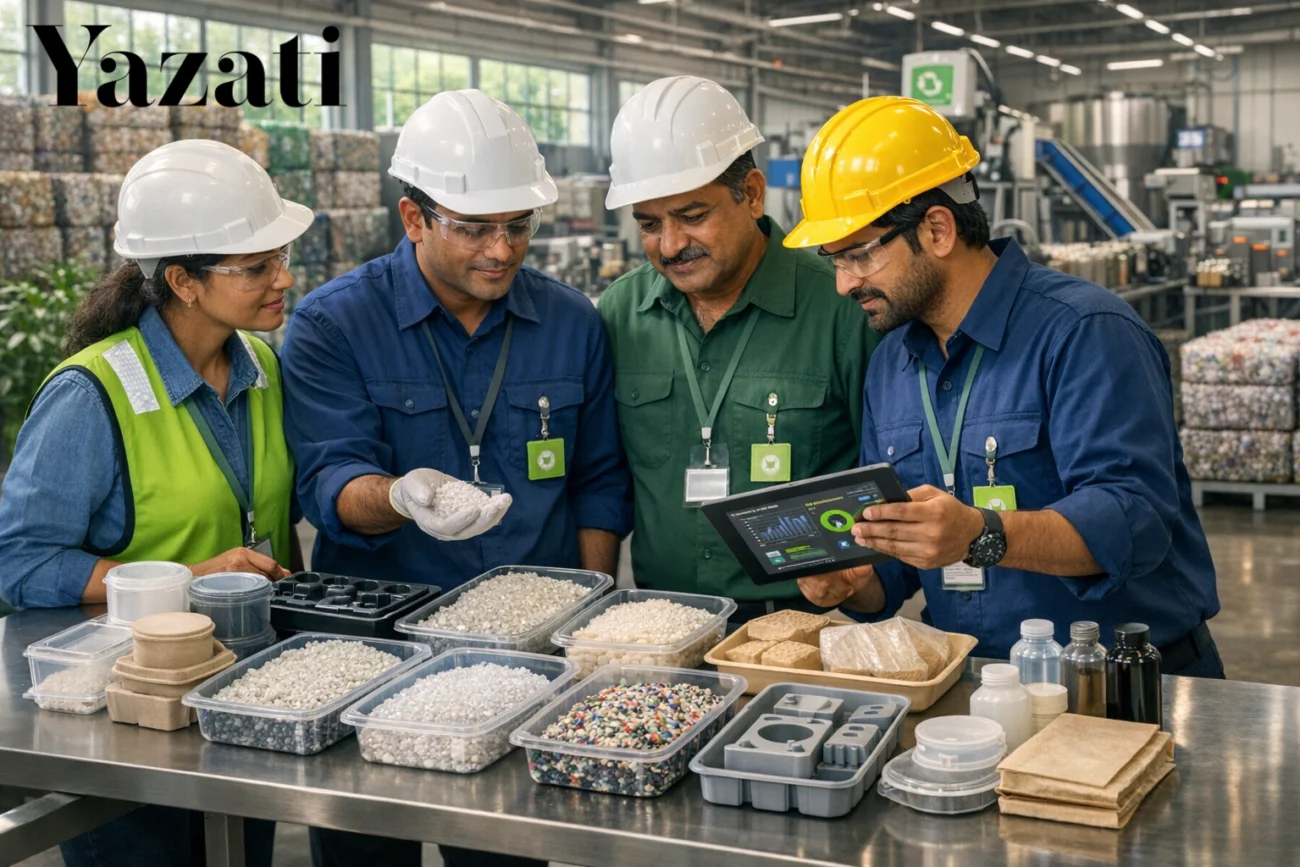
Introduction: Understanding The Role of India in Global Plastic Sustainability Solutions
Plastic pollution has become one of the most urgent environmental challenges in the world today. Every year, millions of tons of plastic waste enter landfills, rivers, and oceans, harming ecosystems and wildlife. Governments, industries, and communities across the globe are working to reduce plastic waste and develop sustainable alternatives. In this global effort, The Role of India in Global Plastic Sustainability Solutions has become increasingly important.
India is the world’s third-largest generator of plastic waste, yet it is also emerging as a leader in innovative recycling, policy reforms, and sustainable plastic management practices. With a population exceeding 1.4 billion people and a rapidly growing economy, India faces both significant challenges and remarkable opportunities in tackling plastic pollution.
Over the past decade, India has implemented various strategies to reduce plastic waste. These include nationwide bans on certain single-use plastics, extended producer responsibility policies, large-scale recycling initiatives, and community-driven waste management programs. These efforts are not only transforming the country’s domestic waste management system but also contributing to global sustainability goals.
Another key reason why The Role of India in Global Plastic Sustainability Solutions is gaining attention is the country’s strong innovation ecosystem. Indian startups, researchers, and entrepreneurs are developing biodegradable materials, advanced recycling technologies, and circular economy models that could influence plastic sustainability worldwide.
India’s informal recycling sector also plays a crucial role. Thousands of waste pickers collect and sort plastic waste daily, ensuring that large amounts of recyclable material are diverted from landfills and oceans. This system, although informal, has become one of the most efficient recycling networks globally.
Furthermore, India is actively participating in international environmental agreements and sustainability initiatives. By collaborating with other nations, India is helping shape global policies aimed at reducing plastic pollution and promoting environmentally responsible production and consumption.
As the world seeks effective solutions to plastic pollution, understanding The Role of India in Global Plastic Sustainability Solutions offers valuable insights into how emerging economies can balance development with environmental protection.
Global Plastic Pollution: The Urgent Need for Sustainable Solutions
Plastic production has grown dramatically since the 1950s. Today, the world produces hundreds of millions of tons of plastic annually, with a significant portion ending up as waste. Much of this plastic is used only once before being discarded, contributing to severe environmental damage.
Single-use plastics such as bags, bottles, packaging materials, and straws are among the biggest contributors to plastic pollution. These materials take hundreds of years to decompose and often break down into microplastics, which contaminate soil, water, and food chains.
Oceans are particularly vulnerable to plastic pollution. Millions of tons of plastic enter marine environments each year, threatening marine life and disrupting ecosystems. Animals often mistake plastic for food, leading to injury or death.
Plastic pollution also has economic consequences. Coastal tourism, fisheries, and maritime industries suffer when beaches and waterways become polluted with plastic waste. Governments spend billions annually on cleanup efforts.
Because of these challenges, countries around the world are adopting sustainable solutions such as reducing plastic production, improving recycling systems, and promoting biodegradable alternatives.
In this global context, The Role of India in Global Plastic Sustainability Solutions becomes highly significant. As one of the largest developing economies, India’s policies and innovations can influence sustainability efforts worldwide.
India’s Plastic Waste Challenge
India generates a substantial amount of plastic waste each year due to its large population and growing urbanization. Rapid industrial development, increasing consumer demand, and expanding packaging industries have contributed to rising plastic consumption.
Many cities in India struggle with waste management infrastructure. In densely populated urban areas, waste collection and segregation systems often face logistical and financial challenges.
Plastic waste frequently ends up in landfills, open dumps, and waterways. Rivers carrying plastic debris can eventually transport waste into the ocean, contributing to global marine pollution.
However, despite these challenges, India has taken significant steps to address plastic waste through policy reforms, technological innovation, and community engagement.
Understanding these efforts helps illustrate The Role of India in Global Plastic Sustainability Solutions, showing how a developing country can tackle environmental issues while continuing economic growth.
Government Policies Driving Plastic Sustainability
Government action plays a crucial role in reducing plastic pollution. India has implemented several policies and regulations designed to control plastic waste and promote sustainable alternatives.
One of the most significant initiatives is the nationwide restriction on certain single-use plastic products. These regulations aim to reduce plastic consumption and encourage industries to adopt eco-friendly materials.
India has also introduced waste management rules that require manufacturers, brand owners, and importers to take responsibility for the plastic products they produce. This approach ensures that companies contribute to the recycling and safe disposal of plastic waste.
Local governments and municipalities are also encouraged to establish efficient waste collection systems, promote recycling, and educate citizens about sustainable waste practices.
These policies demonstrate The Role of India in Global Plastic Sustainability Solutions, showing how regulatory frameworks can drive environmental change.
Extended Producer Responsibility (EPR) in India
Extended Producer Responsibility (EPR) is one of the most impactful policy tools used to address plastic waste. Under this system, producers are responsible for managing the lifecycle of their plastic products, including post-consumer waste.
Companies must ensure that a certain percentage of their plastic packaging is collected and recycled. This policy encourages businesses to design recyclable packaging and reduce unnecessary plastic use.
EPR also promotes investment in recycling infrastructure and waste management technologies.
By adopting EPR regulations, India has aligned itself with global best practices in plastic sustainability.
India’s Informal Recycling Sector
One unique aspect of India’s waste management system is the large informal recycling sector. Waste pickers play a critical role in collecting, sorting, and recycling plastic materials.
These individuals often work in challenging conditions but contribute significantly to reducing plastic waste. Their efforts help divert recyclable materials from landfills and support the circular economy.
In many cities, waste pickers collect plastics directly from households, streets, and dumpsites. These materials are then sold to recycling centers where they are processed into reusable raw materials.
Recognizing their contribution, several organizations are working to formalize and support waste picker communities through training, protective equipment, and fair wages.
This sector highlights an important dimension of The Role of India in Global Plastic Sustainability Solutions, demonstrating how grassroots efforts can support environmental sustainability.
Technological Innovations in Plastic Recycling
India is becoming a hub for innovation in recycling technologies. Researchers and startups are developing new methods to convert plastic waste into valuable resources.
Some companies are turning plastic waste into construction materials such as bricks, tiles, and road surfaces. Plastic roads have gained popularity in several Indian cities due to their durability and environmental benefits.
Advanced recycling techniques are also being explored to break down complex plastics into reusable chemical components.
These innovations contribute to sustainable waste management and support the global circular economy.
Biodegradable and Alternative Materials
Another important aspect of plastic sustainability is the development of biodegradable materials. Indian researchers are experimenting with alternatives derived from agricultural waste, seaweed, and plant-based polymers.
These materials can replace traditional plastics in packaging, food containers, and consumer products.
Startups across India are producing eco-friendly packaging solutions that reduce environmental impact.
As demand for sustainable materials grows worldwide, India’s innovations in biodegradable plastics could play a major role in shaping future global markets.
Plastic Waste Management in Indian Cities
Urban areas are key battlegrounds in the fight against plastic pollution. Many Indian cities are implementing advanced waste management strategies to improve recycling rates.
Some municipalities have introduced waste segregation programs that encourage residents to separate biodegradable and recyclable waste.
Digital waste tracking systems and smart bins are also being tested to improve efficiency in waste collection and monitoring.
Public awareness campaigns are helping citizens understand the importance of reducing plastic use and recycling properly.
These city-level initiatives strengthen The Role of India in Global Plastic Sustainability Solutions by demonstrating scalable solutions for urban waste management.
The Circular Economy Approach
The circular economy is a system that focuses on minimizing waste and maximizing resource reuse. Instead of discarding plastic after a single use, materials are recycled and reused continuously.
India is increasingly adopting circular economy principles in its plastic management strategies.
Industries are redesigning products to make them recyclable or reusable. Businesses are also exploring refillable packaging and returnable container systems.
This shift toward circular production models reduces environmental impact and promotes sustainable economic growth.
Community Participation in Plastic Reduction
Community involvement is essential for successful plastic sustainability initiatives. Across India, citizen groups, non-governmental organizations, and local communities are leading grassroots movements to reduce plastic pollution.
Volunteers organize beach cleanups, promote cloth bags instead of plastic bags, and educate people about sustainable consumption.
Schools and universities also play an important role in raising awareness among young people about environmental protection.
These community-driven efforts highlight how collective action strengthens The Role of India in Global Plastic Sustainability Solutions.
India’s Participation in Global Environmental Agreements
India actively participates in international environmental initiatives aimed at reducing plastic pollution.
The country collaborates with global organizations, research institutions, and governments to develop sustainable plastic management strategies.
Through international cooperation, India contributes to policy discussions, technology sharing, and global sustainability programs.
This global engagement reinforces India’s leadership in environmental sustainability.
Challenges India Still Faces
Despite significant progress, several challenges remain in India’s plastic sustainability journey.
Infrastructure limitations in rural and remote areas make waste management difficult. Public awareness about plastic segregation and recycling also needs further improvement.
Additionally, transitioning industries from conventional plastics to eco-friendly alternatives requires financial investment and technological development.
Addressing these challenges will be crucial for strengthening The Role of India in Global Plastic Sustainability Solutions in the coming years.
Future Opportunities for Plastic Sustainability in India
India has enormous potential to become a global leader in plastic sustainability.
Emerging technologies, growing environmental awareness, and supportive government policies are creating opportunities for innovation.
Expanding recycling infrastructure, promoting biodegradable materials, and strengthening circular economy models can further reduce plastic waste.
If these initiatives continue to evolve, India could serve as a global model for sustainable plastic management.
FAQs About The Role of India in Global Plastic Sustainability Solutions
1. Why is India important in global plastic sustainability efforts?
India plays a major role because of its large population, growing economy, and expanding recycling industry. The country’s policies and innovations can significantly influence global sustainability strategies.
2. What steps has India taken to reduce plastic pollution?
India has implemented single-use plastic restrictions, extended producer responsibility policies, recycling initiatives, and community awareness programs.
3. What is Extended Producer Responsibility (EPR)?
EPR requires manufacturers to manage and recycle the plastic products they produce, ensuring responsible waste disposal and recycling.
4. How does India’s informal recycling sector contribute to sustainability?
Waste pickers collect and sort recyclable plastic materials, preventing large amounts of waste from entering landfills and oceans.
5. What innovations are emerging in India for plastic sustainability?
Innovations include plastic roads, biodegradable packaging materials, and advanced recycling technologies.
6. What challenges remain in India’s plastic waste management system?
Challenges include improving waste infrastructure, increasing recycling rates, and encouraging widespread adoption of sustainable materials.
Conclusion
Plastic pollution is one of the most pressing environmental issues facing the world today. Addressing it requires cooperation between governments, industries, and communities.
The Role of India in Global Plastic Sustainability Solutions demonstrates how a developing nation can combine policy reforms, technological innovation, and community participation to tackle plastic waste effectively.
From extended producer responsibility programs to grassroots recycling initiatives, India is building a comprehensive approach to sustainable plastic management.
While challenges remain, continued investment in recycling technologies, sustainable materials, and public awareness will strengthen India’s contribution to global environmental sustainability.
As countries around the world search for solutions to plastic pollution, India’s experiences and innovations may provide valuable lessons for building a cleaner and more sustainable future.
✨ Discover Global Sourcing Excellence with Netyex ✨
Netyex is your trusted B2B sourcing partner, connecting international buyers with India’s finest manufacturers and curated product lines—from handicrafts and home décor to kitchenware, textiles, hospitality essentials, and more. With verified suppliers and end-to-end support, we make global procurement seamless, reliable, and efficient.
👉 Elevate your sourcing experience—explore Netyex today.
📦 Bulk orders & customisation | 🌍 Worldwide delivery | 🤝 Trusted by global buyers
Visit Netyex to source premium Indian products with confidence.