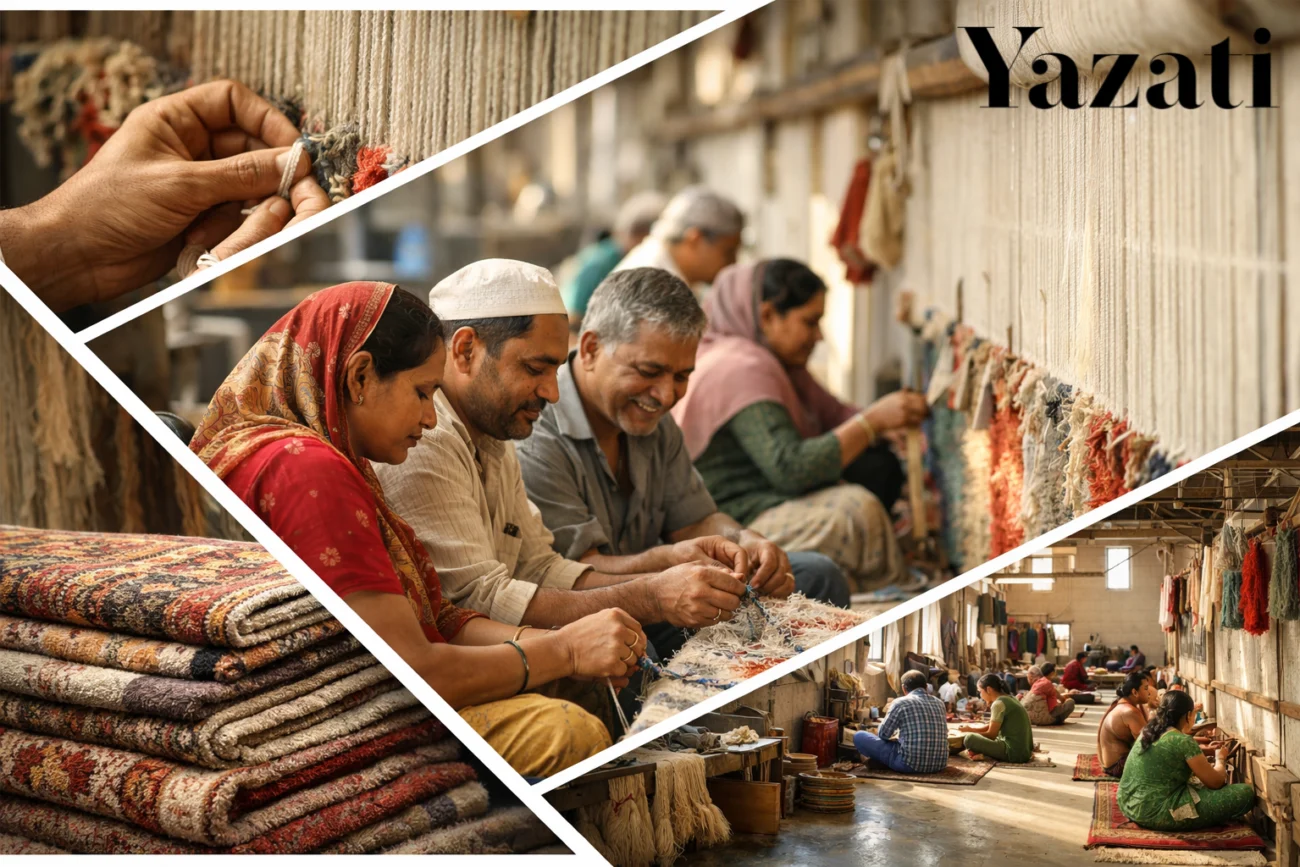
Introduction to Indian Rug Cooperatives
Indian rug cooperatives play a vital role in preserving traditional craftsmanship while ensuring fairness across the supply chain. The phrase Why Indian Rug Cooperatives Ensure Ethical Transparency is increasingly relevant today as global consumers demand responsibly made products. These cooperatives are not just business entities—they are community-driven systems that prioritize people over profit.
What Are Rug Cooperatives?
Rug cooperatives are organizations owned and managed by artisans themselves. Unlike private manufacturers, these groups focus on collective welfare. Each member has a voice in decision-making, which helps maintain fairness and accountability.
Evolution of the Indian Handwoven Rug Industry
India has been a global leader in handwoven rugs for centuries. Over time, the industry has shifted from exploitative middlemen-driven models to cooperative structures. This transition has significantly improved transparency and ethical practices.
Understanding Ethical Transparency in the Rug Industry
Ethical transparency refers to openness in every stage of production—from sourcing materials to paying workers.
Definition of Ethical Transparency
It means clear, honest practices that ensure:
- Fair wages
- Safe working conditions
- No exploitation
Importance for Consumers and Artisans
For consumers, transparency builds trust. For artisans, it guarantees dignity and fair compensation. This balance is exactly why Indian Rug Cooperatives Ensure Ethical Transparency in such a powerful way.
Key Reasons Why Indian Rug Cooperatives Ensure Ethical Transparency
Fair Wage Distribution Systems
One of the strongest pillars of cooperatives is equitable income distribution.
Transparent Pricing Mechanisms
Prices are set collectively, ensuring artisans understand how much they earn per rug. This eliminates hidden deductions.
Eliminating Middlemen Exploitation
By removing intermediaries, cooperatives ensure artisans receive the majority share of profits. This creates a direct link between effort and reward.
Safe and Healthy Working Conditions
Worker welfare is a top priority.
Compliance with Labor Laws
Cooperatives strictly follow labor regulations, ensuring:
- Reasonable working hours
- Fair contracts
- Social security benefits
Child Labor Prevention Policies
Most cooperatives enforce zero-tolerance policies against child labor. Regular monitoring ensures compliance.
Community-Centric Governance
Transparency thrives when communities are involved.
Democratic Decision-Making
Each member participates in decisions such as pricing, production, and distribution. This openness reduces corruption.
Empowerment of Local Artisans
Artisans gain financial independence and confidence. Women, in particular, benefit significantly from cooperative structures.
Role of Certifications and Monitoring Bodies
Certification Standards in India
Certifications help validate ethical practices. Many cooperatives voluntarily adopt strict standards to prove their credibility.
Third-Party Audits and Inspections
Independent audits ensure:
- Fair labor practices
- Environmental compliance
- Financial transparency
These checks reinforce trust among global buyers.
Sustainability and Ethical Sourcing Practices
Use of Natural Materials
Indian rug cooperatives often use:
- Organic cotton
- Natural wool
- Silk
This reduces environmental harm and ensures product authenticity.
Eco-Friendly Dyeing Processes
Natural dyes derived from plants and minerals are commonly used. This avoids harmful chemicals and protects both artisans and the environment.
Economic Impact on Rural Communities
Income Stability for Artisans
Cooperatives provide consistent work, reducing dependency on seasonal employment. This stability improves living standards.
Skill Preservation and Cultural Heritage
Traditional weaving techniques are passed down through generations. Cooperatives ensure these skills are not lost.
Challenges Faced by Rug Cooperatives
Market Competition
Mass-produced rugs often cost less, making it harder for cooperatives to compete. However, ethical value often outweighs price for conscious buyers.
Maintaining Transparency at Scale
As cooperatives grow, maintaining the same level of transparency becomes challenging. Strong governance systems are essential.
How Consumers Benefit from Ethical Transparency
Trust and Authenticity
Buyers can be confident they are purchasing genuine, ethically made products.
Long-Term Value of Handmade Rugs
Handmade rugs last longer and carry cultural significance. This makes them a worthwhile investment.
Future of Indian Rug Cooperatives
Digital Transformation and Traceability
Technology is helping cooperatives track every step of production. Consumers can now trace a rug back to the artisan who made it.
Global Demand for Ethical Products
As awareness grows, more consumers prefer ethically sourced goods. This trend supports the growth of cooperatives.
FAQs
1. What makes Indian rug cooperatives different from factories?
They are owned by artisans and focus on fairness rather than profit.
2. How do cooperatives ensure fair wages?
They use transparent pricing and eliminate middlemen.
3. Are Indian rugs from cooperatives eco-friendly?
Yes, many use natural materials and dyes.
4. Do cooperatives really prevent child labor?
Most enforce strict no-child-labor policies with regular monitoring.
5. Why are handmade rugs more expensive?
They require skilled labor and ethical production practices.
6. Can consumers verify ethical claims?
Yes, through certifications and cooperative transparency reports.
Conclusion
Understanding Why Indian Rug Cooperatives Ensure Ethical Transparency reveals a powerful model of ethical business. These cooperatives protect artisans, preserve traditions, and deliver high-quality products with integrity. While challenges remain, their commitment to fairness, sustainability, and community empowerment sets them apart in the global market.
Choosing rugs from such cooperatives is not just a purchase—it’s a step toward supporting ethical craftsmanship and sustainable livelihoods.
✨ Discover Global Sourcing Excellence with Netyex ✨
Netyex is your trusted B2B sourcing partner, connecting international buyers with India’s finest manufacturers and curated product lines—from handicrafts and home décor to kitchenware, textiles, hospitality essentials, and more. With verified suppliers and end-to-end support, we make global procurement seamless, reliable, and efficient.
👉 Elevate your sourcing experience—explore Netyex today.
📦 Bulk orders & customisation | 🌍 Worldwide delivery | 🤝 Trusted by global buyers
Visit Netyex to source premium Indian products with confidence.