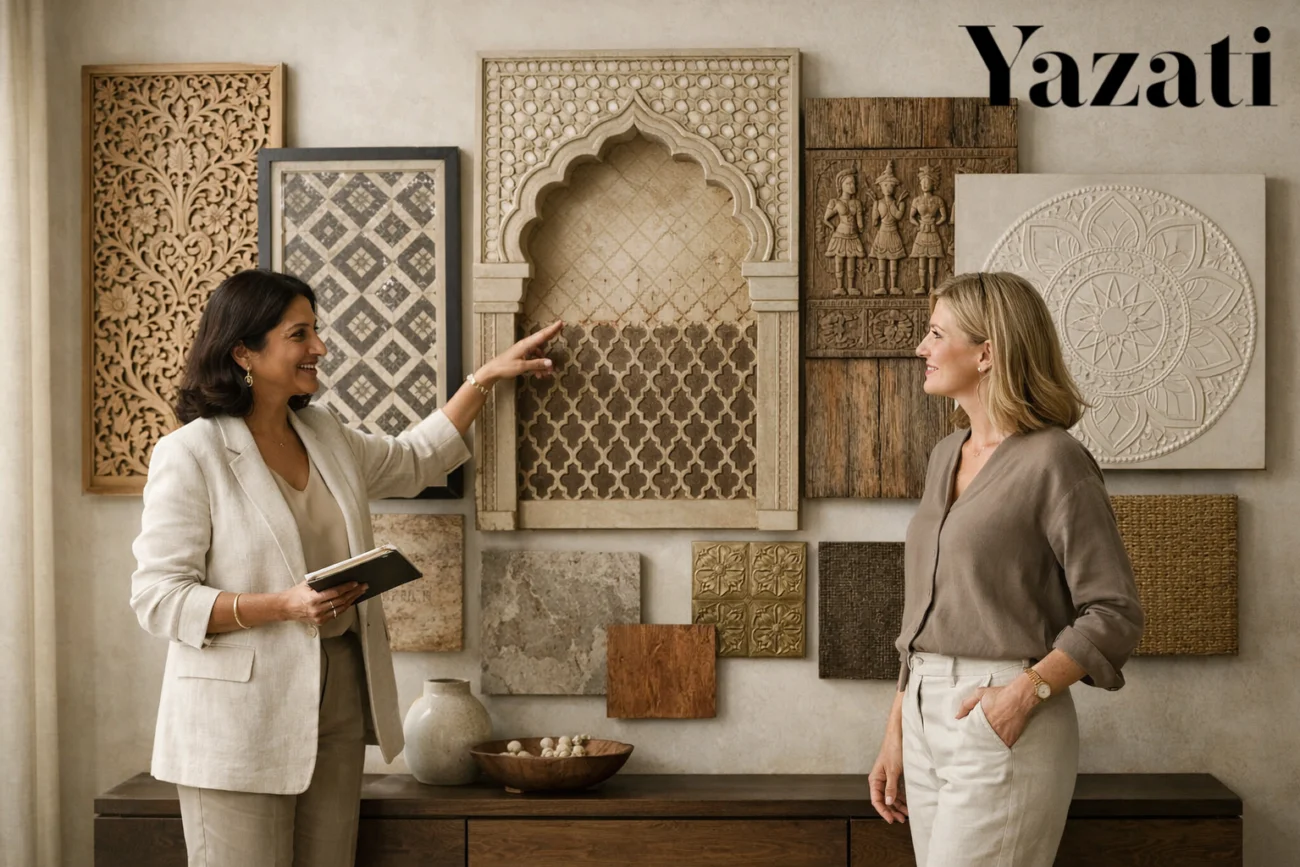
Introduction to Indian Design Influence in Global Interiors
The phrase 5 Design Motifs from India Dominating Global Wall Trends perfectly captures a powerful shift happening in interior design today. Around the world, homeowners, designers, and architects are embracing Indian patterns for their richness, storytelling, and timeless appeal.
Indian design is not just about decoration—it’s about history, culture, and emotion woven into visual art. These motifs have traveled far beyond their origins and are now shaping global wall trends in homes, offices, and luxury spaces alike.
The Rise of Cultural Aesthetics in Modern Wall Design
In recent years, there has been a noticeable move toward meaningful decor. People no longer want plain walls; they want stories, heritage, and identity reflected in their spaces.
Indian motifs provide exactly that:
- Deep symbolism
- Handcrafted authenticity
- Intricate detailing
- Emotional connection
Why Indian Motifs Are Gaining Global Popularity
Several reasons explain their global rise:
- Unique blend of tradition and modernity
- Compatibility with multiple interior styles
- Sustainable and artisanal appeal
- Visual richness without being overwhelming
Motif 1: Paisley – The Timeless Indian Teardrop Pattern
Paisley is one of the most recognizable Indian patterns worldwide. Its curved, teardrop shape symbolizes life and eternity.
Origins and Historical Significance of Paisley
Paisley originated in ancient India and Persia. Traditionally known as “buta,” it represented fertility and growth.
Evolution from Traditional Textiles to Wall Decor
Initially used in:
- Sarees
- Shawls
- Royal garments
Now, paisley has found its way onto:
- Wallpapers
- Accent walls
- Wall decals
How Paisley Is Used in Contemporary Interiors
Modern designers use paisley in:
- Bold statement walls
- Subtle monochrome patterns
- Metallic finishes for luxury spaces
It works beautifully in both traditional and modern homes.
Motif 2: Mandala – Sacred Geometry for Modern Walls
Mandala designs are circular patterns symbolizing balance and unity.
Spiritual Meaning Behind Mandala Designs
Mandalas are deeply rooted in Indian spirituality. They represent:
- The universe
- Harmony
- Inner peace
Mandala in Meditation and Interior Styling
Mandalas are often used in meditation spaces because they:
- Calm the mind
- Enhance focus
- Create a peaceful atmosphere
Popular Ways to Use Mandala in Wall Trends
Today, mandalas appear in:
- Large wall murals
- Wooden wall carvings
- Painted feature walls
They are especially popular in yoga studios and modern homes.
Motif 3: Mughal Floral Patterns – Royal Elegance Reimagined
Mughal floral designs bring a sense of royalty and refinement.
The Influence of Mughal Art in Design
Inspired by Mughal architecture and gardens, these patterns are:
- Symmetrical
- Detailed
- Luxurious
Intricate Detailing and Symmetry Explained
Key features include:
- Repeating floral vines
- Balanced compositions
- Fine detailing
Modern Adaptations in Wallpaper and Murals
Today, Mughal motifs are used in:
- Luxury wallpapers
- Hotel interiors
- Statement walls
They add elegance without overpowering the space.
Motif 4: Warli Art – Minimalism Meets Tribal Expression
Warli art comes from tribal communities in India and is known for its simplicity.
The Cultural Roots of Warli Art
Warli paintings depict:
- Daily life
- Nature
- Community rituals
Symbolism in Warli Figures and Scenes
Common elements include:
- Stick figures
- Circular dances
- Farming scenes
Each element tells a story.
Global Appeal of Minimalist Tribal Designs
Warli fits perfectly into modern design because:
- It is minimal yet meaningful
- Uses simple shapes
- Works well in neutral interiors
It’s especially popular in urban homes.
Motif 5: Kalamkari – Storytelling Through Walls
Kalamkari is a traditional Indian art form that tells stories through intricate designs.
The Artistic Heritage of Kalamkari
This art form is known for:
- Hand-drawn patterns
- Mythological themes
- Rich detailing
Natural Dyes and Handcrafted Techniques
Kalamkari uses:
- Natural dyes
- Eco-friendly methods
- Handmade processes
Kalamkari in Modern Interior Decor
Today, Kalamkari appears in:
- Wall hangings
- Fabric panels
- Decorative murals
It brings warmth and storytelling into any space.
How Indian Motifs Blend with Global Design Styles
Indian designs are incredibly versatile.
Fusion with Scandinavian and Minimalist Interiors
Even in minimal spaces, Indian motifs:
- Add warmth
- Break monotony
- Introduce texture
Use in Bohemian and Eclectic Spaces
In boho interiors, they:
- Enhance vibrancy
- Add cultural layers
- Create visual interest
Benefits of Using Indian Motifs in Wall Decor
Cultural Depth and Artistic Value
Indian motifs are not just decorative—they carry:
- History
- Meaning
- Identity
Sustainability and Handcrafted Appeal
Many designs are:
- Handmade
- Eco-friendly
- Supporting artisans
Tips for Incorporating Indian Motifs into Your Space
Choosing the Right Color Palette
- Use earthy tones for traditional feel
- Try bold colors for modern spaces
- Mix neutrals with vibrant accents
Balancing Traditional and Modern Elements
- Pair motifs with simple furniture
- Avoid overloading patterns
- Keep one focal wall
Common Mistakes to Avoid When Using Indian Designs
Overcrowding Patterns
Too many patterns can make a space look cluttered. Stick to one or two motifs.
Ignoring Scale and Proportion
Large patterns work best on big walls, while smaller designs suit compact spaces.
Future of Indian Motifs in Global Wall Trends
Technology and Digital Adaptations
Digital printing is making these motifs:
- More accessible
- Customizable
- Affordable
Growing Demand for Authentic Art
People are increasingly valuing:
- Handmade designs
- Cultural authenticity
- Unique decor
FAQs About 5 Design Motifs from India Dominating Global Wall Trends
1. Why are Indian motifs popular in global wall trends?
They offer cultural richness, unique patterns, and timeless appeal that suit modern interiors.
2. Which Indian motif is best for minimal homes?
Warli art is ideal due to its simplicity and clean design.
3. Are Indian wall designs suitable for small spaces?
Yes, smaller patterns or subtle designs work well in compact areas.
4. Can Indian motifs blend with modern interiors?
Absolutely, they pair beautifully with contemporary and minimalist styles.
5. Are these designs eco-friendly?
Many traditional forms like Kalamkari use natural dyes and sustainable methods.
6. How do I choose the right motif for my home?
Consider your interior style, color palette, and the mood you want to create.
Conclusion
The 5 Design Motifs from India Dominating Global Wall Trends showcase how traditional art can seamlessly blend with modern aesthetics. From the elegance of Mughal florals to the simplicity of Warli art, these motifs offer something for every taste and space.
As global design continues to evolve, Indian motifs stand out for their depth, beauty, and versatility. Whether you want a bold statement wall or a subtle artistic touch, these patterns can transform your interiors into something truly special.
✨ Discover Global Sourcing Excellence with Netyex ✨
Netyex is your trusted B2B sourcing partner, connecting international buyers with India’s finest manufacturers and curated product lines—from handicrafts and home décor to kitchenware, textiles, hospitality essentials, and more. With verified suppliers and end-to-end support, we make global procurement seamless, reliable, and efficient.
👉 Elevate your sourcing experience—explore Netyex today.
📦 Bulk orders & customisation | 🌍 Worldwide delivery | 🤝 Trusted by global buyers
Visit Netyex to source premium Indian products with confidence.