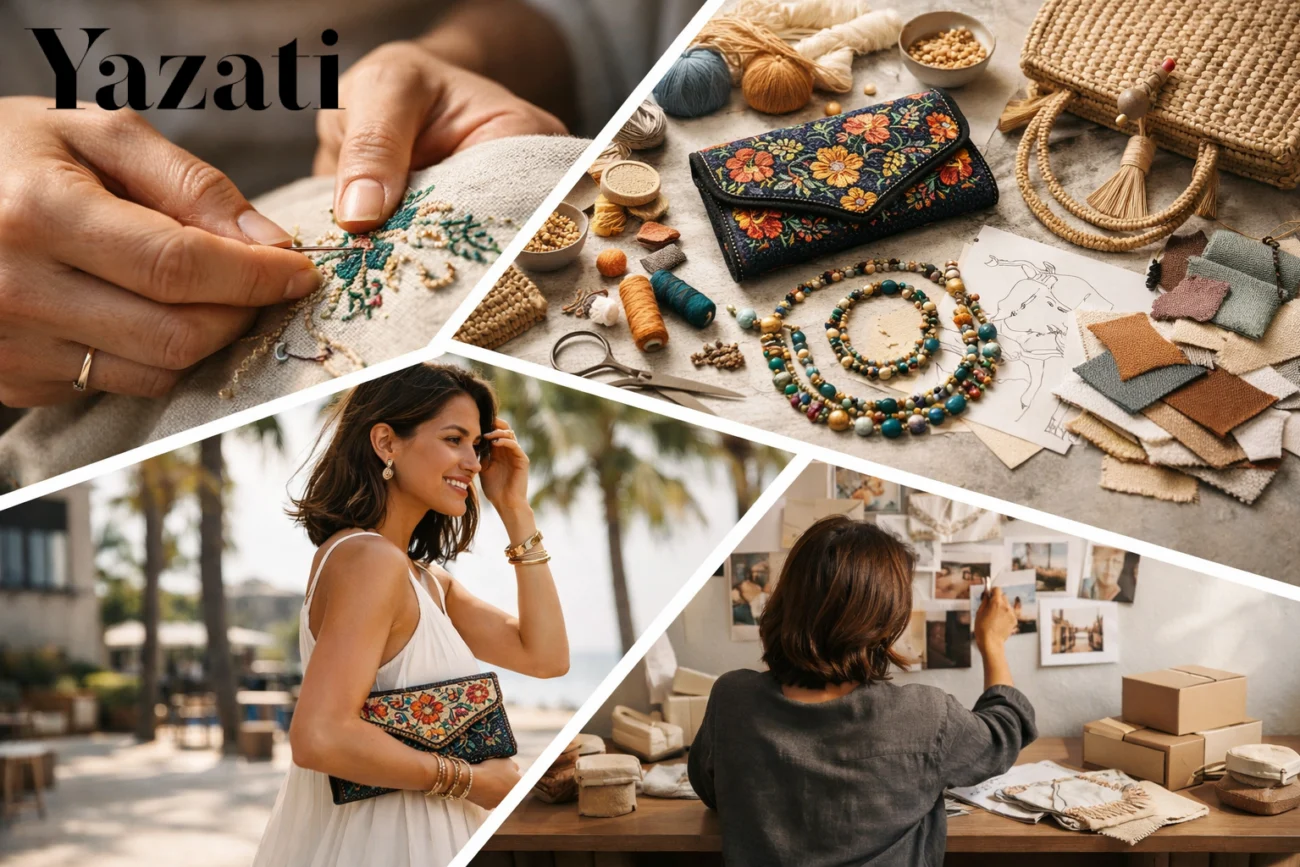
Introduction to Storytelling in Handmade Businesses
Storytelling isn’t just a marketing buzzword—it’s the secret sauce that turns simple handmade accessories into meaningful treasures. When you understand The Role of Storytelling in Selling Handmade Accessories, you unlock the ability to connect deeply with customers, making your products unforgettable.
What is Storytelling in Marketing?
At its core, storytelling in marketing means sharing narratives that evoke emotions and create meaning. Instead of just listing product features, you tell the story behind the creation, the inspiration, and the journey.
Think of it like this: anyone can sell a bracelet. But not everyone can sell a bracelet inspired by childhood memories, handcrafted under candlelight, and designed to symbolize strength.
That’s where storytelling shines—it transforms products into experiences.
Why Handmade Accessories Need Storytelling
Handmade products are unique by nature. Unlike mass-produced items, each piece carries a human touch. But here’s the catch: customers can’t always see that value instantly.
Storytelling bridges that gap.
It helps customers:
- Understand the effort behind each piece
- Appreciate the uniqueness
- Feel emotionally connected
Without storytelling, handmade accessories risk being seen as “just another product.”
Emotional Connection: The Heart of Storytelling
How Emotions Influence Buying Decisions
Let’s be honest—most purchases aren’t purely logical. People buy based on how something makes them feel.
Storytelling taps into emotions like:
- Nostalgia
- Joy
- Love
- Inspiration
When a customer feels something, they’re more likely to:
- Remember your brand
- Share it with others
- Make a purchase
Building Trust Through Stories
Trust is everything in handmade businesses. Customers want to know:
- Who made the product?
- What materials were used?
- Why it was created?
By sharing honest, relatable stories, you:
- Humanize your brand
- Build credibility
- Reduce buyer hesitation
The Unique Value of Handmade Products
Authenticity vs Mass Production
Mass-produced items are everywhere. Handmade accessories, however, stand out because they’re:
- One-of-a-kind
- Carefully crafted
- Emotionally meaningful
Storytelling highlights these differences in a powerful way.
Highlighting Craftsmanship
Every handmade item has a process:
- Designing
- Selecting materials
- Crafting
- Finishing
Sharing this journey helps customers see the value beyond the price tag.
Types of Stories That Sell Handmade Accessories
Brand Story
Your brand story answers:
- Why did you start?
- What inspires you?
- What do you believe in?
This builds a strong foundation for your business identity.
Product Story
Every product has a tale:
- What inspired it?
- What does it represent?
- How was it made?
This makes each piece more meaningful.
Customer Story
Happy customers are your best storytellers. Their experiences:
- Add credibility
- Show real-life use
- Inspire others to buy
Crafting a Compelling Brand Narrative
Finding Your “Why”
Your “why” is your purpose. It’s what drives your creativity.
Ask yourself:
- Why do I create handmade accessories?
- What message do I want to share?
This clarity shapes your storytelling.
Sharing Your Journey
People love real stories—especially ones that include struggles and growth.
Don’t be afraid to share:
- Challenges you faced
- Lessons learned
- Milestones achieved
It makes your brand relatable and inspiring.
Using Storytelling in Product Descriptions
Turning Features into Stories
Instead of saying:
“Handmade necklace with beads”
Try:
“This necklace was inspired by ocean waves, carefully handcrafted using beads that reflect the calming blues of the sea.”
See the difference? One informs. The other connects.
Using Sensory Language
Engage the senses with words:
- Soft
- Shimmering
- Rustic
- Delicate
This helps customers imagine the product in their lives.
Visual Storytelling Techniques
Behind-the-Scenes Content
Show the process:
- Sketching designs
- Working with materials
- Final touches
This builds transparency and appreciation.
Packaging as a Storytelling Tool
Even packaging can tell a story:
- Handwritten notes
- Eco-friendly materials
- Custom designs
These small touches create a memorable experience.
Social Media and Storytelling
Platforms That Work Best
Different platforms serve different storytelling styles:
- Instagram: Visual stories
- Facebook: Community engagement
- Pinterest: Inspiration
Engaging Content Ideas
Try:
- “Day in the life” posts
- Creation process videos
- Customer testimonials
Consistency is key.
Storytelling Through Customer Experience
Personalization
Adding a personal touch makes customers feel special:
- Custom messages
- Personalized designs
Creating Memorable Moments
Think beyond the product:
- Unboxing experience
- Follow-up messages
- Loyalty rewards
These moments turn buyers into loyal fans.
Common Mistakes to Avoid
Overcomplicating Stories
Keep it simple. A clear, heartfelt story works better than a confusing one.
Lack of Authenticity
Customers can spot fake stories instantly. Always be genuine.
Measuring the Impact of Storytelling
Key Metrics to Track
Look at:
- Engagement rates
- Conversion rates
- Repeat purchases
Customer Feedback
Listen to what your customers say. Their feedback is invaluable.
Future Trends in Storytelling for Handmade Brands
Digital Storytelling Evolution
With technology, storytelling is becoming more interactive:
- Short videos
- Live sessions
- Immersive content
Interactive Experiences
Customers want to be part of the story. Consider:
- Customization options
- Interactive content
FAQs
1. Why is storytelling important for handmade accessories?
Storytelling helps create emotional connections, making products more meaningful and appealing.
2. How can I start storytelling for my handmade brand?
Begin with your personal journey, inspiration, and the story behind your products.
3. What type of stories work best?
Brand stories, product stories, and customer stories are the most effective.
4. Can storytelling increase sales?
Yes, emotional connections often lead to higher engagement and conversions.
5. Where should I use storytelling?
Use it in product descriptions, social media, packaging, and customer communication.
6. Do I need professional skills to tell stories?
No, authenticity matters more than perfection.
Conclusion
Understanding The Role of Storytelling in Selling Handmade Accessories can transform your business. It’s not just about selling products—it’s about sharing meaning, building connections, and creating lasting impressions.
When you tell authentic, engaging stories, you:
- Stand out from competitors
- Build trust
- Inspire loyalty
So go ahead—tell your story. Because in the world of handmade accessories, your story is your greatest asset.
✨ Discover Global Sourcing Excellence with Netyex ✨
Netyex is your trusted B2B sourcing partner, connecting international buyers with India’s finest manufacturers and curated product lines—from handicrafts and home décor to kitchenware, textiles, hospitality essentials, and more. With verified suppliers and end-to-end support, we make global procurement seamless, reliable, and efficient.
👉 Elevate your sourcing experience—explore Netyex today.
📦 Bulk orders & customisation | 🌍 Worldwide delivery | 🤝 Trusted by global buyers
Visit Netyex to source premium Indian products with confidence.