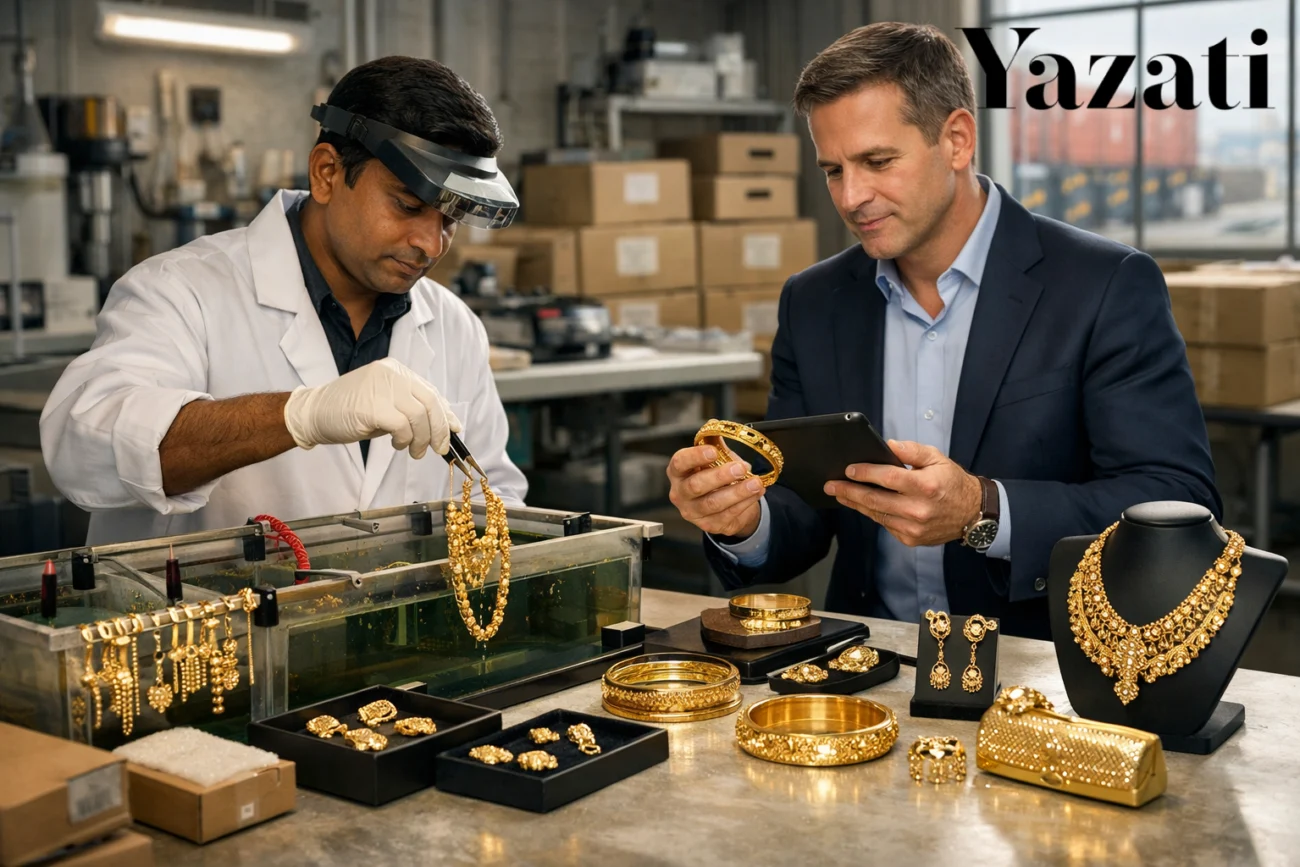
Introduction to India’s Gold Plating Industry
India has long been recognized for its deep-rooted expertise in metalwork, jewelry crafting, and surface finishing techniques. Today, the country stands as a major hub for gold plating services, attracting importers from around the globe. Understanding how importers can leverage India’s gold plating expertise is essential for businesses looking to enhance product value while maintaining cost efficiency.
India’s gold plating industry combines centuries-old craftsmanship with modern technology. This unique blend allows manufacturers to deliver high-quality finishes across a wide range of industries, including electronics, automotive, fashion jewelry, and luxury goods.
Why India is a Global Leader in Gold Plating
Skilled Workforce and Traditional Craftsmanship
India’s artisans bring generations of experience to the gold plating industry. Their attention to detail ensures precision and aesthetic excellence, especially in decorative applications like jewelry and accessories.
Advanced Technology Adoption
While tradition plays a key role, Indian manufacturers have also embraced advanced electroplating technologies. Automated systems, quality testing equipment, and innovative chemical processes ensure consistent results that meet international standards.
Understanding Gold Plating: Basics for Importers
Types of Gold Plating Techniques
Gold plating involves applying a thin layer of gold onto a base metal. Importers should understand the main techniques used in India:
Electroplating vs. Mechanical Plating
- Electroplating: Uses electric current to deposit gold evenly on surfaces. Ideal for precision components.
- Mechanical Plating: Involves tumbling parts with gold particles. Suitable for bulk items.
Industries That Use Gold Plating
Gold plating is widely used in:
- Electronics (connectors, circuit boards)
- Jewelry and fashion accessories
- Medical devices
- Aerospace components
Benefits of Leveraging India’s Gold Plating Expertise
Cost Efficiency and Competitive Pricing
One of the biggest advantages for importers is cost savings. Lower labor costs, combined with efficient production systems, make India a highly competitive sourcing destination.
High-Quality Standards and Certifications
Many Indian manufacturers comply with global certifications such as ISO standards. This ensures consistency, durability, and adherence to international quality benchmarks.
Key Regions in India for Gold Plating Services
Major Industrial Hubs
India has several regions known for gold plating expertise:
- Mumbai – Jewelry and luxury plating
- Delhi NCR – Industrial and electronics plating
- Chennai – Automotive and precision components
- Surat – Gem and jewelry processing
These hubs offer a wide range of suppliers catering to different industries.
How Importers Can Find Reliable Suppliers
Vetting and Due Diligence
Finding the right partner is crucial. Importers should:
- Check company background and experience
- Review client testimonials
- Request product samples
Certifications and Compliance Checks
Ensure the supplier meets international standards. Look for:
- ISO certifications
- Environmental compliance
- Quality assurance protocols
Building Strong Supplier Relationships
Communication and Cultural Understanding
Clear communication is key to successful partnerships. Understanding cultural nuances can also improve collaboration and trust.
Regular meetings, transparent expectations, and mutual respect go a long way in building long-term relationships.
Logistics and Supply Chain Considerations
Shipping, Packaging, and Timelines
Efficient logistics are essential when importing gold-plated products. Key considerations include:
- Secure packaging to prevent damage
- Reliable shipping partners
- Realistic delivery timelines
India’s well-developed export infrastructure supports smooth global trade operations.
Customization and Product Innovation Opportunities
Tailored Solutions for Global Markets
Indian manufacturers are highly flexible and can customize products based on importer requirements. This includes:
- Thickness of gold plating
- Design variations
- Material combinations
Such customization allows businesses to differentiate themselves in competitive markets.
Regulatory and Import Guidelines
International Trade Compliance
Importers must be aware of regulations in their home country, including:
- Import duties and taxes
- Product safety standards
- Documentation requirements
Working with experienced Indian exporters can simplify compliance processes.
Sustainability and Ethical Practices
Eco-Friendly Gold Plating Processes
Sustainability is becoming increasingly important. Many Indian companies are adopting:
- Non-toxic chemicals
- Waste management systems
- Energy-efficient processes
This aligns with global demand for environmentally responsible manufacturing.
Challenges Importers May Face
Quality Control Issues
Variations in quality can occur if proper checks are not in place. Regular inspections and third-party audits can help maintain standards.
Communication Barriers
Differences in language and time zones may lead to misunderstandings. Clear documentation and frequent updates can mitigate this.
Risk Mitigation Strategies
Contracts and Quality Assurance
Importers should establish detailed contracts that include:
- Quality specifications
- Delivery timelines
- Penalty clauses for non-compliance
Third-party quality inspections can further reduce risks.
Future Trends in India’s Gold Plating Industry
Automation and Digital Transformation
The industry is evolving with the adoption of automation, AI-driven quality checks, and digital supply chain management. These advancements will further enhance efficiency and reliability.
Case Studies and Success Examples
Many global brands have successfully partnered with Indian gold plating providers to reduce costs and improve product quality. These collaborations highlight the immense potential of leveraging India’s expertise.
FAQs
1. Why should importers choose India for gold plating services?
India offers a combination of affordability, skilled labor, and high-quality standards, making it an ideal sourcing destination.
2. What industries benefit most from gold plating?
Electronics, jewelry, automotive, and medical industries benefit significantly from gold plating.
3. How can importers ensure quality when sourcing from India?
By conducting supplier audits, requesting samples, and using third-party inspection services.
4. Is gold plating in India environmentally friendly?
Many manufacturers are adopting eco-friendly practices, though it’s important to verify individual suppliers.
5. What are the common challenges in importing gold-plated products?
Quality consistency, communication barriers, and regulatory compliance are common challenges.
6. Can Indian suppliers handle large-scale orders?
Yes, many Indian manufacturers are equipped to handle both small and large-scale production.
Conclusion
Understanding how importers can leverage India’s gold plating expertise opens up significant opportunities for cost savings, quality enhancement, and business growth. With its unique combination of traditional craftsmanship and modern technology, India continues to be a global leader in gold plating services.
By carefully selecting suppliers, maintaining strong relationships, and implementing effective quality control measures, importers can unlock immense value and stay competitive in the global market.
✨ Discover Global Sourcing Excellence with Netyex ✨
Netyex is your trusted B2B sourcing partner, connecting international buyers with India’s finest manufacturers and curated product lines—from handicrafts and home décor to kitchenware, textiles, hospitality essentials, and more. With verified suppliers and end-to-end support, we make global procurement seamless, reliable, and efficient.
👉 Elevate your sourcing experience—explore Netyex today.
📦 Bulk orders & customisation | 🌍 Worldwide delivery | 🤝 Trusted by global buyers
Visit Netyex to source premium Indian products with confidence.